22 Japanese ways to say “Flip a coin”
Flipping a coin is such a simple, universal way to make decisions, right? But did you know there are plenty of ways to say “flip a coin” in Japanese? It’s not just about tossing a coin—it’s about how you express that little moment of chance in everyday conversation.
Whether you’re learning Japanese or just curious about the nuances, exploring different expressions can be fun and super useful. Some phrases are casual, some polite, and some just sound native-level cool.
In this list, we’ll dive into 22 different ways to say “flip a coin” or talk about the idea of leaving something to chance in Japanese. You’ll get the phrase in Japanese script, romaji (transliteration), and a simple pronunciation guide.
Along the way, you’ll find little tips on how to use them naturally. This way, you can sound more like a local next time you need to make a quick decision!
Plus, if you want to deepen your Japanese skills, consider checking out a great beginner-friendly Japanese book that breaks down useful phrases just like these.
Ready to toss that coin? Let’s get started!
Basic Expressions to Say “Flip a Coin”
These are straightforward, everyday phrases you can use to talk about flipping a coin.
They’re perfect for beginners and quick to pick up. Plus, they give you a functional way to talk about chance and decisions.
Let’s check them out!

If you want a no-fuss guide to basic Japanese phrases, a beginner phrasebook can be a fantastic companion.
These simple phrases will also help you get comfortable with Japanese sentence structure.
Practice by imagining yourself in everyday situations where you might need to flip a coin.
Part 1: Casual Suggestions
1. コインを投げる (Koin o nageru) – “Throw a coin”

This is the most straightforward way to say “flip a coin” in Japanese. “コイン (Koin)” means “coin,” and “投げる (nageru)” means “to throw.”
It’s simple, direct, and easy to remember. You’re basically saying, “throw the coin,” which perfectly captures the action.
Try using it when you’re with friends and want to decide something quickly.
It’s casual enough for daily use but still clear.
Another way to say it is “コイントスする (Kointosu suru),” which borrows the English “toss.”
Once you get comfortable with this, you’ll feel more natural in everyday conversations about chance.
2. コイントスする (Kointosu suru) – “Toss a coin”

This phrase uses the English word “toss” adapted into Japanese as “トス (tosu),” combined with “コイン (coin).”
It’s casual and easy to remember, especially if you’re familiar with English. Just say “コイントスする.”
It’s a great phrase for informal situations.
Watch out for pronunciation: “Kointosu” is pronounced “koi-n-toh-su.”
Use it when you want to sound casual but clear.
It’s a popular term in sports and everyday conversations about chance.
3. じゃんけんぽんで決める (Janken pon de kimeru) – “Decide by rock-paper-scissors”

This doesn’t literally mean “flip a coin,” but it’s a common alternative for making quick decisions in Japan.
“じゃんけんぽん (janken pon)” is “rock-paper-scissors,” and “決める (kimeru)” means “to decide.”
Use this phrase when you want to suggest deciding something by chance but with a game instead of a coin.
It’s super casual and very Japanese!
Perfect for friends or kids who don’t have a coin handy.
It’s a fun way to bring some energy into decision-making moments.
4. 表か裏か決める (Omote ka ura ka kimeru) – “Decide heads or tails”

This phrase literally means “decide heads or tails.”
“表 (omote)” means “heads/front,” “裏 (ura)” means “tails/back,” and “決める (kimeru)” means “to decide.”
It’s a natural way to talk about the coin-flip process without mentioning the flip itself.
Great when you want to focus on the choice rather than the action.
It’s casual but super clear.
Try it out next time you flip a coin with friends!
5. 運を試す (Un o tamesu) – “Test your luck”

This phrase means “test your luck,” which fits the spirit of flipping a coin perfectly.
“運 (un)” means “luck,” and “試す (tamesu)” means “to test.”
Use this when you want to emphasize the chance or fortune aspect of the coin flip.
It’s a bit more poetic and less literal.
Great for casual and slightly dramatic moments.
It’s a handy phrase to show you understand the gamble in decision-making.
6. どっちにする? (Docchi ni suru?) – “Which one will you choose?”
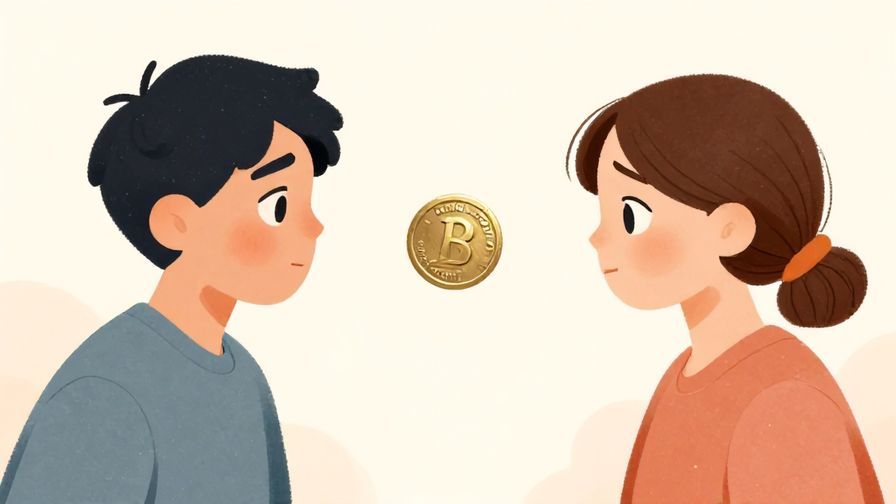
This phrase literally means “Which one will you do?” but is often used when asking someone to choose between two options.
“どっち (docchi)” means “which one,” and “にする (ni suru)” means “to decide on.”
You can use this casually when flipping a coin to ask which side someone prefers.
It’s simple and conversational.
Good for everyday chats and quick decisions.
Perfect to pair with any coin-flipping phrase to make it more natural.
7. 勝負を決める (Shoubu o kimeru) – “Decide the match/game”

This phrase means “decide the outcome of a match or game.”
“勝負 (shoubu)” means “match/game,” and “決める (kimeru)” means “to decide.”
Use it when the coin flip is to settle a game or competition.
It’s casual but meaningful.
Shows you’re serious about the decision but still friendly.
Great in sports or playful contests with friends.
8. くじ引きする (Kujibiki suru) – “Draw lots”

While not exactly flipping a coin, this phrase means “draw lots,” another way to leave things up to chance in Japanese.
“くじ引き (kuji biki)” means “lottery or drawing lots,” and “する (suru)” means “to do.”
Use it when you want to suggest a random choice without a coin.
It’s a bit more formal and traditional.
Good for group decisions or games.
Learning this phrase gives you more options to talk about chance.
Part 2: Polite & Formal Suggestions
9. コインを投げて決めましょう (Koin o nagete kimemashou) – “Let’s decide by flipping a coin”

This is a polite way to suggest deciding by flipping a coin.
“投げて (nagete)” is the te-form of “throw,” and “決めましょう (kimemashou)” is the polite volitional form meaning “let’s decide.”
Perfect for formal or work settings when you want to sound respectful.
It’s clear and collaborative.
Use it when you want to include others politely.
Great for meetings or formal gatherings.
10. コインを使って決定します (Koin o tsukatte kettei shimasu) – “I will decide using a coin”

This phrase means “I will decide using a coin” in a polite and formal way.
“使って (tsukatte)” means “using,” “決定します (kettei shimasu)” means “will decide” formally.
Great when you want to explain the method formally.
Useful in official or serious contexts.
You sound professional and clear.
Try it in business or formal discussions.
11. 運試しをしましょう (Undameshi o shimashou) – “Let’s test our luck”

This polite phrase invites others to “test their luck,” often implying a coin flip or similar chance method.
“運試し (undameshi)” means “testing luck,” and “しましょう (shimashou)” is “let’s do.”
It sounds friendly but respectful.
Great for polite invitations to decide by chance.
Use it in social or business settings.
It makes the moment light-hearted yet formal.
12. コインを用いて決定いたします (Koin o mochiite kettei itashimasu) – “We will decide by using a coin”
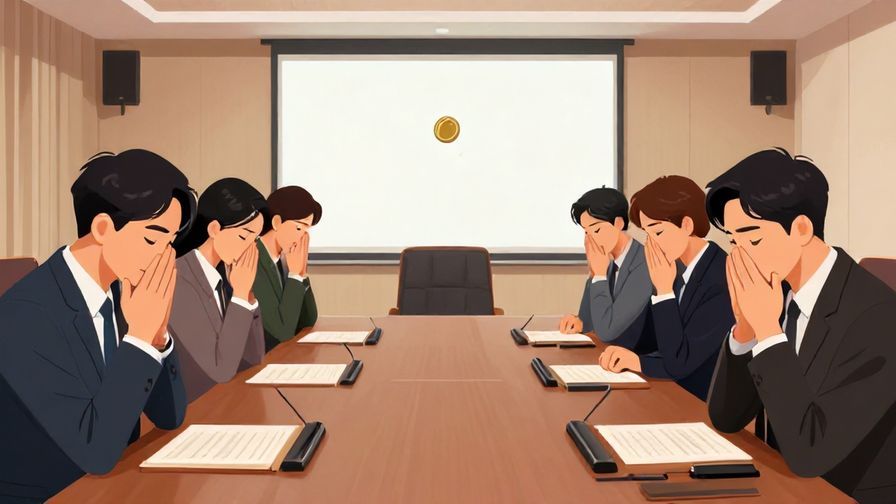
This is a very formal and humble way to say “decide by using a coin.”
“用いて (mochiite)” means “using,” and “いたします (itashimasu)” is the humble form of “do.”
Use this in very respectful or official situations.
It sounds professional and polite.
Perfect for formal meetings or announcements.
It shows deference and consideration.
13. 表裏を決める (Omote ura o kimeru) – “Decide heads or tails” (polite)

This polite phrase means “decide heads or tails.”
It’s similar to the casual version but used in more refined settings.
“表裏 (omote ura)” means “heads and tails,” and “決める (kimeru)” is “to decide.”
Use this to politely explain the choice between coin sides.
It’s straightforward and polite.
Great for polite conversations or formal explanations.
14. コイントスで決めましょうか (Kointosu de kimemashou ka) – “Shall we decide by coin toss?”

This is a polite way to ask, “Shall we decide by coin toss?”
“で (de)” means “by,” and “ましょうか (mashou ka)” is a polite invitation to do something.
It’s great for suggesting a coin toss in a respectful way.
Use it to include others politely in the decision.
It sounds friendly and formal.
Perfect for polite group settings or meetings.
15. 運に任せましょう (Un ni makasemashou) – “Let’s leave it up to luck”

This phrase means “let’s leave it to luck,” implying a coin toss or chance decision.
“任せましょう (makasemashou)” means “let’s entrust” or “leave it to.”
It’s polite and optimistic.
Great for formal or casual use.
It shows trust in fate or chance.
Use it to wrap up discussions and move forward.
16. コインで決めることにしましょう (Koin de kimeru koto ni shimashou) – “Let’s decide by coin”

This phrase means “Let’s decide by coin,” using a polite form that sounds thoughtful and inclusive.
“ことにしましょう (koto ni shimashou)” means “let’s decide to do.”
It’s great for formal or semi-formal contexts.
Use it when you want to sound considerate.
It’s a neat way to close a decision-making conversation.
Perfect for polite but casual meetings.
Part 3: Very Casual / Native-like Expressions
17. コインパカッ (Koin pakka) – “Coin flip sound effect”

This is an onomatopoeic, playful way to mimic the sound of a coin flipping.
“パカッ (paka)” represents the coin flipping sound.
Use it casually with friends to add fun to the moment.
It sounds very native and informal.
Great for texting or chatting.
It adds personality to the coin flip conversation.
18. パッとコインを投げる (Patto koin o nageru) – “Quickly flip a coin”

“パッと (patto)” means “quickly” or “in a flash.”
Say this when you want to emphasize flipping a coin fast and smoothly.
It’s casual and adds a bit of flair.
Perfect for lively conversations or games.
It sounds spontaneous and native.
Try it next time you want to keep things moving.
19. どっちに賭ける? (Docchi ni kakeru?) – “Which side do you bet on?”

This phrase means “Which side do you bet on?” implying a coin toss.
“賭ける (kakeru)” means “to bet.”
It’s very casual and sounds like something close friends would say.
Great for playful challenges.
Use it to make the coin flip more exciting.
It’s native-level and fun.
20. コイン勝負だ! (Koin shoubu da!) – “It’s a coin match!”

This phrase means “It’s a coin match!”
“勝負 (shoubu)” means “match” or “contest,” and “だ (da)” is a casual copula.
Use it to hype up the coin flip as a showdown.
It sounds casual and pumped.
Perfect for games and friendly competitions.
It adds excitement and stakes.
21. コインで決めちゃおう (Koin de kimechaou) – “Let’s just decide by coin”

“決めちゃおう (kimechaou)” is a casual and friendly way of saying “let’s decide.”
It sounds spontaneous and native.
Use this phrase when you want to move on with a lighthearted tone.
Great for informal settings.
It shows you’re flexible and easygoing.
Try it when you want to keep things relaxed.
22. 運命はコインに任せた (Unmei wa koin ni makaseta) – “I left fate to the coin”

This phrase means “I left fate to the coin,” giving a poetic, native-like feel to the act of flipping a coin.
“運命 (unmei)” means “fate,” and “任せた (makaseta)” means “entrusted.”
It’s a bit dramatic and expressive.
Use it when you want to add a thoughtful or philosophical touch.
It sounds like a native speaker reflecting on the randomness of life.
Perfect for storytelling or deep conversations.
Concluding Thought
Exploring all these expressions shows just how rich and varied Japanese can be when it comes to something as simple as flipping a coin.
Whether you want to sound casual, polite, or native-like, there’s a perfect phrase waiting for you in this list.
Keep practicing these phrases in your daily conversations, and soon flipping a coin in Japanese will feel as natural as in your own language. Good luck!