22 Japanese ways to say “Let’s leave it to chance”
Sometimes in life, the best plan is no plan at all. Just letting things unfold naturally can bring surprises and fun.
In Japanese, there are many ways to express the idea of “Let’s leave it to chance,” each with its own nuance and vibe.
Whether you want to sound casual, polite, or native-like, you’ll find a phrase here that fits your style perfectly.
Exploring these phrases can help you feel more confident in conversations and add a touch of spontaneity to your Japanese.
Plus, learning these expressions opens up new ways to enjoy the unpredictability of life in a charming language.
Ready to embrace chance and say it in Japanese? Let’s dive in!
Understanding the Beauty of Chance in Japanese
Japanese language has many expressions that capture the spirit of “leaving it to chance.”
From casual remarks to polite suggestions, these phrases help you express trust in fate or the unknown simply and naturally.
They’re perfect for conversations where plans are flexible or outcomes are uncertain.

Sometimes, starting with a good Japanese language learning book can make these phrases easy to remember and use.
They add a natural rhythm to your speech and help you sound more like a native speaker.
All it takes is a bit of practice, and you’ll be ready to leave things to chance with confidence.
Part 1: Casual Suggestions
1. 行けたら行く (Iketara iku) – “I’ll come if I can.”

This phrase literally means “If I can go, I will.”
It’s a polite, casual way to say you’re leaving your attendance or decision up to chance or your availability. It’s common in casual invites.
It’s useful because it softens any commitment, making your plans flexible.
People appreciate this kind of openness in everyday conversation.
A related phrase is “時間があったら行く (Jikan ga attara iku)” meaning “If I have time, I’ll go.”
Use this when you want to set expectations without pressure, leaving things to fate.
2. どうなるかわからない (Dō naru ka wakaranai) – “I don’t know what will happen.”

This is a casual, honest way to express uncertainty and leave the outcome open.
It’s handy when you’re unsure and want to let events unfold naturally without stressing over results.
It encourages flexibility and openness in conversations.
Be careful not to use it in overly formal situations where a more polite tone is needed.
Example: “明日の予定はどうなるかわからない (Ashita no yotei wa dō naru ka wakaranai)” – “I don’t know what tomorrow’s plan will be.”
It’s a great phrase to keep conversations light and adaptable.
3. 運に任せる (Un ni makaseru) – “Leave it to luck.”

This phrase means literally “to entrust to luck.”
It’s a straightforward way to say you’re leaving the outcome up to fate or chance.
It’s useful in casual conversations about uncertain events or decisions.
It carries a playful tone, perfect for lighthearted chats.
Similar phrase: “運次第 (Un shidai)” means “depending on luck.”
Use this to acknowledge that you can’t control everything, and that’s okay.
4. 気まぐれで決めよう (Kimagure de kimemashou) – “Let’s decide on a whim.”

This phrase suggests making a decision spontaneously or randomly.
It’s a fun and informal way to leave plans to chance, perfect among close friends.
It encourages a carefree vibe and invites playful decision-making.
It’s best used in relaxed settings where everyone enjoys surprises.
Try it when you want to break the routine and add spontaneity.
It’s a great phrase to lighten the mood and embrace unpredictability.
5. どっちでもいいよ (Docchi demo ii yo) – “Either way is fine.”

This phrase means you don’t have a strong preference and are happy to leave the choice open.
It’s casual and easy to use when you want to let others decide without pressure.
It’s great for conversations about plans, food choices, or activities.
Use it when you want to keep the atmosphere light and flexible.
Pair it with a smile to show you’re genuinely easygoing.
It helps keep group decisions smooth and stress-free.
6. なるようになる (Naru you ni naru) – “Whatever will be, will be.”
This phrase expresses acceptance of whatever outcome happens.
It’s a common Japanese saying that encourages peace with uncertainty.
It works well when you want to show you’re not worried about the future.
It’s often used to comfort others or ease tension.
Similar to the English “Que sera, sera.”
Use it to remind yourself and others to trust the natural flow of life.
7. お任せするよ (Omakase suru yo) – “I leave it to you.”

This phrase means you’re trusting someone else to make the decision.
It’s casual but respectful, great for friends or colleagues.
It shows confidence in the other person’s judgment.
Use it when you want to be flexible and cooperative.
Be sure to use a friendly tone to avoid sounding indifferent.
It’s a great phrase to build trust and teamwork.
8. まかせた! (Makaketa!) – “It’s up to you!”

This is a very casual and energetic way to say you’re leaving the decision to someone else.
It’s commonly used among friends or younger people.
It adds a friendly, supportive vibe to conversations.
Be careful not to use it in formal settings.
It’s perfect when you want to encourage someone to take the lead.
Try it when you want to sound confident and casual at once.
Part 2: Polite & Formal Suggestions
9. お任せいたします (Omakase itashimasu) – “I humbly leave it to you.”

This is a very polite and humble way to leave the decision to someone else.
It’s appropriate for business or formal situations where respect is important.
Using the humble verb “いたします” adds politeness.
It shows you trust the other person’s expertise.
Use it in emails, meetings, or professional calls.
It conveys both respect and flexibility effectively.
10. ご判断にお任せします (Gohandan ni omakase shimasu) – “I leave it to your judgment.”

This phrase politely expresses trust in someone’s decision-making ability.
It’s often used in formal contexts like work or official discussions.
It emphasizes respect for the other’s judgment.
Make sure to use a polite tone when speaking or writing.
It’s great for deferring decisions in a respectful way.
Try it when you want to sound professional and considerate.
11. 結果は神のみぞ知る (Kekka wa kami nomizo shiru) – “Only God knows the outcome.”

This poetic phrase means the outcome is unknown and only a higher power knows.
It’s a humble and philosophical way to accept fate.
Use it sparingly in formal or thoughtful conversations.
It suggests resignation but also trust in destiny.
It’s a beautiful expression that adds depth to your language.
Perfect for moments when you want to sound wise and calm.
12. どうかお任せ申し上げます (Dōka omakase mōshiagemasu) – “Please kindly allow me to leave it to you.”
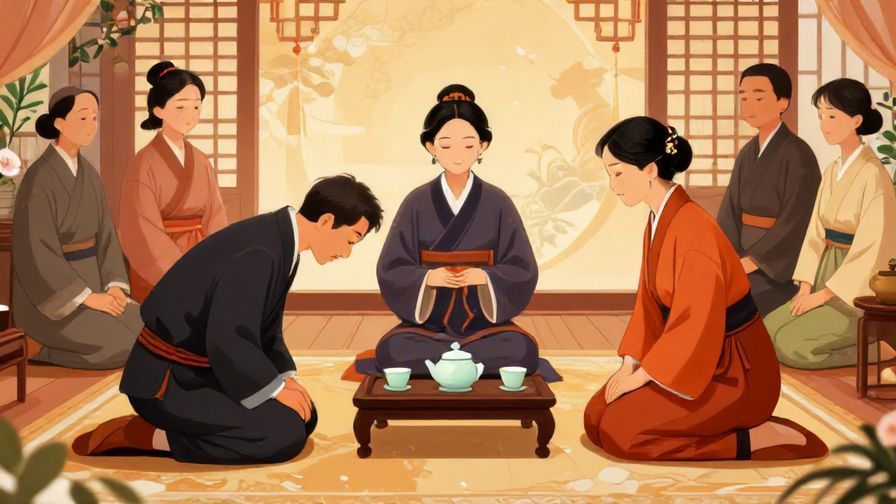
This is an extremely polite and formal way to leave a decision up to someone.
It combines respectful language and a polite request.
Use it in very formal letters, speeches, or ceremonies.
It shows deep respect and trust.
Best reserved for situations requiring utmost politeness.
It’s a phrase that carries grace and humility.
13. 成り行きに任せます (Nariyuki ni makasemasu) – “I leave it to how things turn out.”

This phrase is polite and expresses leaving matters to their natural course.
It’s useful when you want to sound composed and accepting.
Often used in conversations about uncertain future outcomes.
It softens the feeling of uncertainty with calm acceptance.
Good for professional or personal contexts alike.
It’s a gentle and graceful way to say “Let’s leave it to chance.”
14. あとはお任せします (Ato wa omakase shimasu) – “I’ll leave the rest to you.”

This phrase politely delegates responsibility to someone else.
It’s common in both formal and informal settings.
It shows confidence in the other person’s follow-through.
Use it when handing off tasks or decisions.
It encourages cooperation and shared responsibility.
Perfect for teamwork and collaborative situations.
15. どのようになるか分かりませんが (Dono yō ni naru ka wakarimasen ga) – “I don’t know how it will turn out, but…”

This phrase politely expresses uncertainty while preparing for any result.
It’s a humble and modest way to acknowledge unpredictability.
Great for formal conversations or presentations.
It helps set expectations gently without overpromising.
Use it when you want to sound thoughtful and realistic.
It’s a phrase that balances hope and humility beautifully.
16. 流れに身を任せる (Nagare ni mi o makaseru) – “Let oneself go with the flow.”

This phrase expresses the idea of surrendering to the natural flow of events.
It’s poetic and polite, fitting for both casual and formal use.
It encourages relaxation and acceptance in uncertain times.
Use it to describe a calm approach to life’s unpredictability.
It’s a lovely way to say “Let’s leave it to chance” with grace.
Perfect for conversations about fate and destiny.
Part 3: Very Casual / Native-like Expressions
17. ま、なるようになるさ (Ma, naru you ni naru sa) – “Well, whatever will be, will be.”

This is a laid-back, native-like way of saying “Let’s leave it to chance.”
It’s often used among friends or in informal situations.
It shows a chill attitude toward life’s unpredictability.
Using “さ” at the end adds a masculine, casual tone.
Try this phrase to sound more natural and relaxed.
It’s perfect for when you want to brush off worries and go with the flow.
18. 適当にやろうぜ (Tekitō ni yarou ze) – “Let’s do it casually/roughly.”

This phrase literally means “Let’s do it appropriately” but often implies “Let’s not stress and just do it.”
It’s very casual and sometimes a little cheeky.
Use it with close friends or peers when you want to leave things loose.
It can sound a bit careless, so avoid in serious contexts.
Great for encouraging a relaxed, spontaneous approach.
It’s a favorite among young people who embrace casual vibes.
19. 運まかせ (Un makase) – “Leave it to luck.”

This is a short, punchy way to say you’re leaving things to luck.
It’s casual and often used in gambling or playful situations.
It packs the meaning into just two words.
Perfect for quick conversations or joking around.
It’s a phrase you’ll hear among native speakers in relaxed settings.
Try it to sound natural and spontaneous.
20. まあ、気にすんなよ (Mā, kini sunna yo) – “Well, don’t worry about it.”

This phrase is a very casual way of saying “Let’s not stress and just let things happen.”
It’s comforting and down-to-earth, used among friends.
“気にすんな” is a contraction of “気にするな,” meaning “don’t worry.”
Use it to ease tension and suggest letting go of control.
It’s a natural, native-like way to express “leave it to chance.”
Perfect when you want to sound friendly and relaxed.
21. 適当に決めよう (Tekitō ni kimēyō) – “Let’s decide roughly.”

This phrase suggests making a spontaneous or rough decision without overthinking.
It’s casual and often used in group settings to break indecision.
“適当に” means “appropriately” but here implies “without too much care.”
It encourages quick, easy-going choices.
Great for sounding relaxed and native-like.
Use it when you want to keep things fun and light.
22. その時の気分で (Sono toki no kibun de) – “Depending on the mood at the time.”

This phrase captures the feeling of deciding spontaneously based on mood.
It’s very casual and natural in daily conversations.
It literally means “according to the mood of that moment.”
Use it to express leaving decisions open and flexible.
It’s a subtle way to say “let’s leave it to chance” with personality.
Perfect for showing you’re easygoing and in tune with your feelings.
Concluding Thought
Exploring these 22 ways to say “Let’s leave it to chance” in Japanese reveals the language’s rich nuance and cultural warmth.
Whether casual, polite, or native-like, each phrase carries its own charm and purpose, helping you express flexibility and trust in the unknown.
So next time you want to let life surprise you, try one of these expressions and enjoy the flow of chance in Japanese conversation!