22 Japanese ways to say “What will be, will be”
Sometimes life throws us curveballs, and all we can do is shrug and say, “What will be, will be.”
Japanese, with its rich expressions and cultural depth, offers many ways to voice this laid-back acceptance.
Whether you’re learning the language or just love Japanese sayings, this list will warm your heart.
From casual phrases to more poetic expressions, these 22 ways to say “What will be, will be” capture the spirit of going with the flow.
Each phrase comes with a pronunciation guide and a little explanation to help you remember and use it naturally.
Ready to embrace fate the Japanese way? Let’s dive in!
Understanding the mindset behind “What will be, will be”
Before jumping into the phrases, it’s good to grasp the cultural vibe behind them.
Japanese often express acceptance and patience, showing respect for the flow of life and nature’s timing.
These phrases reflect a calm surrender to what life brings, a beautiful part of Japanese wisdom.

If you want a gentle introduction, a beginner phrasebook can really help you get started with these ideas.
Once you get the hang of these expressions, you’ll find it easier to use them in real-life conversations.
It’s a comforting mindset that anyone can practice, no matter what language you speak.
Part 1: Casual Suggestions
1. 行けたら行く (Iketara iku) – “I’ll come if I can.”
This phrase is a casual way to express “I’ll do it if it happens,” which captures a laid-back attitude.
“行けたら” (Iketara) means “if I can go,” and “行く” (iku) means “I’ll go.” Together, it shows intent but with no pressure.
It’s great for beginners because it’s simple and sounds natural in everyday chat.
This phrase gives you wiggle room—perfect for when you’re not sure about plans.
You might hear it when someone invites you, and you want to keep it light.
Using this often in casual talk helps you sound friendly and flexible.
2. なるようになる (Naru you ni naru) – “It will become what it will become.”

This phrase perfectly captures the essence of “what will be, will be” with a calm, accepting tone.
“なる” (naru) means “to become,” and “ように” (you ni) means “in the way that,” so it literally means “things will turn out as they turn out.”
It’s easy to remember because of its rhythmic repetition.
People use this when they want to express acceptance of uncertainty.
It’s a phrase that encourages letting go of control and trusting the process.
Try saying it when you feel stressed about the unknown—it’s quite soothing.
3. 仕方がない (Shikata ga nai) – “It can’t be helped.”

This is a classic phrase used when something is beyond your control.
“仕方” (shikata) means “way/method,” and “がない” (ga nai) means “there is none,” so together it means “there’s no way to do anything about it.”
It’s a very common phrase and easy to use in daily life.
Many Japanese use it to accept situations with a hint of resignation but also peace.
It’s not negative, just a neutral way of saying “oh well.”
Perfect for expressing acceptance without frustration.
4. 気にしないで (Ki ni shinaide) – “Don’t worry about it.”

This phrase is a softer way to say “what will be, will be” by telling yourself or others not to worry.
“気にする” (ki ni suru) means “to care or worry,” and “しないで” (shinaide) means “don’t do.”
It’s useful to calm down anxious feelings.
Use it when you want to encourage a relaxed mindset.
Good for friendly conversations when someone stresses about things they can’t change.
It’s a gentle, caring phrase that keeps things light.
5. なるようになるさ (Naru you ni naru sa) – “Things will work out somehow.”

This is an upbeat and slightly casual take on “what will be, will be.”
The addition of “さ” (sa) adds casual emphasis like “you know?” or “for sure.”
It’s encouraging and optimistic, good for reassuring friends.
Try it when you want to sound confident about uncertain outcomes.
It’s a phrase that says, “Don’t stress, it’ll be okay.”
Using this will make you sound natural and positive.
6. 仕方ないね (Shikata nai ne) – “It can’t be helped, right?”

A friendly, conversational variation of “仕方がない.”
The “ね” (ne) at the end invites agreement, making it more casual and warm.
It’s great for conversations with close friends or family.
Use it to acknowledge a situation kindly, without frustration.
This phrase conveys empathy and shared acceptance.
Perfect for everyday use and sounding approachable.
7. なるようにしかならない (Naru you ni shika naranai) – “It can only become what it will.”

This phrase emphasizes inevitability with a calm acceptance.
“しか” (shika) adds a sense of “only,” stressing that nothing else can happen.
It’s a bit longer but poetic and deep.
Use it when you want to express surrender to fate gracefully.
It’s often heard in thoughtful conversations or reflections.
Great for sounding wise and introspective.
8. なるようになるでしょう (Naru you ni naru deshou) – “It will probably work out.”

This phrase adds a polite, slightly uncertain tone with “でしょう” (deshou), meaning “probably.”
It’s good for polite conversations or when you’re hopeful but not certain.
Use it in formal or casual settings to sound thoughtful.
It’s a gentle way to express acceptance with optimism.
Perfect for encouraging cautious hopefulness.
Try it when you want to be polite and positive.
Part 2: Polite & Formal Suggestions
9. 仕方がありません (Shikata ga arimasen) – “It cannot be helped.”

This is a formal and polite version of “仕方がない.”
“ありません” (arimasen) is the polite negative form of “aru” (to exist), making it suitable for work or respectful talk.
Use this phrase to accept things gracefully in professional settings.
It’s respectful and clear, ideal for formal conversations.
Great for showing understanding without complaint.
Perfect for keeping composure in challenging situations.
10. なるようになると信じています (Naru you ni naru to shinjiteimasu) – “I believe it will work out.”

This phrase adds a hopeful and formal touch by including “信じています” (shinjiteimasu), meaning “I believe.”
It’s polite and positive, great for formal letters or speeches.
Use it to express faith in the future with calm confidence.
This phrase gently reassures others that things will be okay.
It’s warm and respectful, perfect for encouraging words.
Try it when you want to sound both hopeful and polished.
11. 仕方ありませんね (Shikata arimasen ne) – “It really can’t be helped, can it?”
A polite phrase with a conversational twist, using “ね” to invite agreement.
It’s useful in formal yet friendly contexts.
Use it when you want to acknowledge a situation politely but warmly.
It expresses empathy and shared understanding.
Perfect for business or social settings where you want to be kind.
This phrase bridges formality and friendliness gracefully.
12. なるようになるのです (Naru you ni naru no desu) – “It is that things will turn out as they will.”
This phrase is formal and explanatory, using “のです” (no desu) to add emphasis.
It’s often used to soften statements or explain a viewpoint.
Use it in thoughtful discussions or writing.
It sounds respectful and considered.
Great for philosophical or reflective moments.
Use this when you want to sound wise and composed.
13. 仕方なく受け入れる (Shikata naku ukeireru) – “To accept because it can’t be helped.”
This phrase combines “仕方なく” (shikata naku), meaning “having no choice,” with “受け入れる” (ukeireru), “to accept.”
It’s more formal and expresses acceptance with a hint of reluctance.
Use it in serious conversations or writing about fate.
It acknowledges reality with maturity and realism.
Good for expressing thoughtful surrender.
Try it when you want to sound respectful but honest.
14. なるようになるという考え方 (Naru you ni naru to iu kangaekata) – “The way of thinking that things will become as they will.”
This phrase talks about “the way of thinking” behind acceptance.
It’s formal and often used in essays or discussions about mindset.
Use it when explaining philosophies or attitudes.
It’s a good phrase for deep conversations.
Shows you understand cultural perspectives.
Great for advanced learners or writers.
15. 仕方がないと認める (Shikata ga nai to mitomeru) – “To admit it can’t be helped.”
This phrase involves “認める” (mitomeru), meaning “to admit or acknowledge.”
It’s a formal way to express acceptance.
Use it when talking about reality with honesty and respect.
Good for serious or professional contexts.
It shows maturity and understanding.
Use it to sound thoughtful and composed.
16. なるようになった (Naru you ni natta) – “It has become what it has become.”

This phrase is a past tense form, reflecting on how things turned out.
It’s polite and thoughtful, often used in storytelling.
Use it to reflect on life’s outcomes with grace.
It’s great for sharing experiences.
Helps express acceptance after the fact.
Try it to sound reflective and wise.
Part 3: Very Casual / Native-like Expressions
17. しゃーない (Sha-nai) – “It can’t be helped” (very casual, Kansai dialect)

This is a super casual and regional way to say “it can’t be helped.”
It’s the Kansai dialect version of “仕方がない.”
Great for sounding friendly and local in casual chats.
Use it with friends or in informal settings.
It adds a fun, down-to-earth vibe.
Perfect for learning dialects and sounding natural.
18. まあ、なるようになるよ (Maa, naru you ni naru yo) – “Well, it’ll work out somehow.”

This phrase adds “まあ” (maa), a casual filler meaning “well,” and “よ” (yo), an emphatic particle.
It sounds very natural and comforting.
Use it to lighten the mood and sound reassuring.
Perfect for everyday conversations among friends.
It’s like saying, “Don’t worry too much.”
Great for casual encouragement.
19. どうにかなるさ (Dounika naru sa) – “It’ll work out somehow.”

“どうにか” (dounika) means “somehow” or “in some way.”
This phrase is very casual and optimistic.
Use it to encourage yourself or others when facing uncertainty.
It sounds like a confident “things will be fine.”
Great for motivating friends or yourself.
Try it to inject positivity into tense moments.
20. なるようにしかならん (Naru you ni shika naran) – “It can only be what it will be” (casual, Kansai dialect)
A Kansai dialect casual version of “なるようにしかならない.”
It’s friendly, informal, and native-sounding.
Use it to show laid-back acceptance among peers.
Great for sounding like a local Kansai speaker.
It emphasizes inevitability with a cool vibe.
Perfect phrase for casual chats about fate.
21. 仕方ないってば (Shikata nai tte ba) – “I’m telling you, it can’t be helped.”
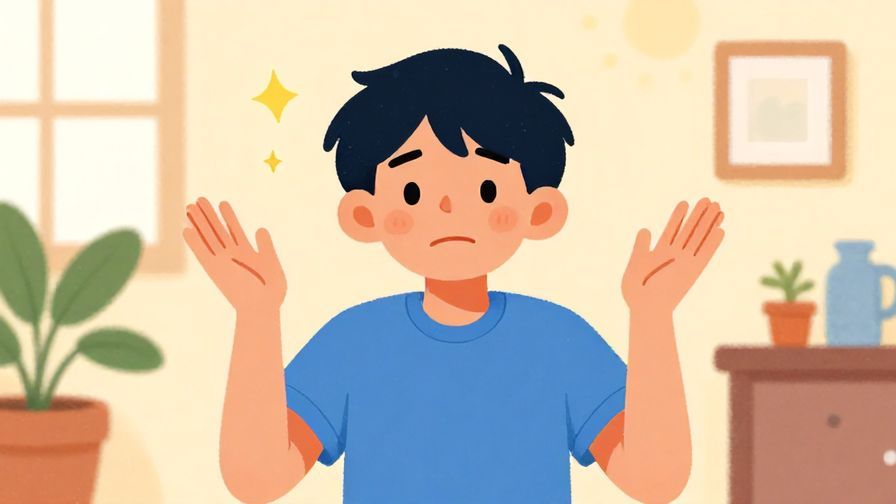
This phrase adds “ってば” (tte ba), a casual particle used to stress what you’re saying.
It’s informal and adds a bit of humor or emphasis.
Use it to playfully insist on acceptance.
Great for joking around with friends.
It lightens the mood while expressing the idea.
Try it for fun, casual conversations.
22. もうなるようになってる (Mou naru you ni natte ru) – “It’s already set to be what it will be.”
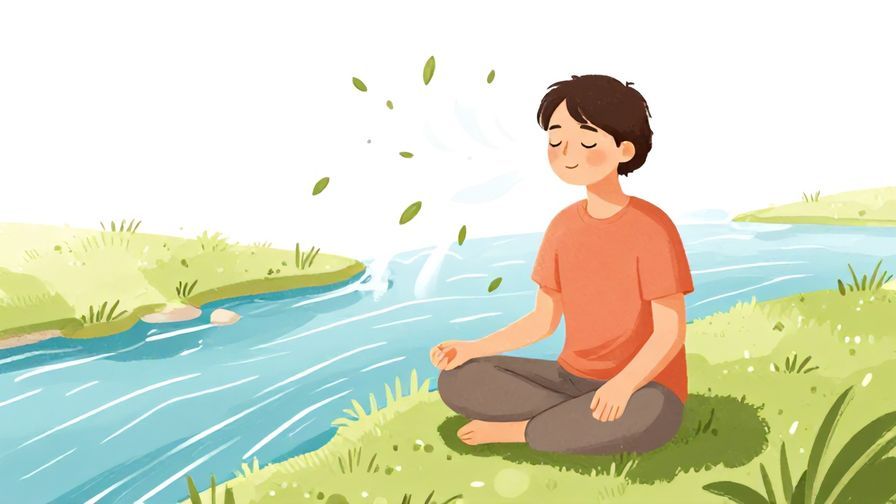
This phrase expresses acceptance with a sense of inevitability already in place.
“もう” (mou) means “already,” and “なってる” (natteru) is a casual form of “なっている” (natteiru), meaning “has become.”
It’s casual and reflective.
Use it to sound calm and resigned in everyday speech.
Perfect for moments when you feel fate has done its work.
It’s a natural and comforting way to accept outcomes.
Concluding Thought
Exploring these Japanese ways to say “What will be, will be” shows just how beautifully the language captures acceptance and patience.
From casual chats to formal reflections, you now have a rich toolkit to express this timeless wisdom.
So next time life feels uncertain, try one of these phrases and embrace the flow with a warm, Japanese spirit. It’s all about letting go and trusting what’s meant to be.