22 Japanese ways to say “Easy come, easy go”
“Easy come, easy go” – a phrase that perfectly captures the ebb and flow of life’s fortunes. Whether it’s money, luck, or opportunities, sometimes things just come and go without much fuss.
In Japanese, expressing this idea can be both fun and insightful because the language offers a variety of ways to say it, each with its own nuance. Let’s dive into 22 Japanese expressions that capture this laid-back, philosophical vibe.
Some are casual, some are polite, and others are more native-like phrases you’ll hear in everyday conversations. This variety will give you a broader sense of how Japanese speakers reflect on life’s ups and downs.
Learning these expressions will not only boost your Japanese skills but also help you understand cultural attitudes toward impermanence and acceptance. Plus, it’s a great way to sound more natural when chatting with native speakers.
So, whether you’re a beginner or a seasoned learner, this list will guide you through practical phrases you can start using right away, along with some handy tips on how to remember them.
Ready? Let’s get started with some casual and easy-going Japanese sayings!
Getting Comfortable with the Basics
Before jumping into the specific phrases, it’s helpful to understand the common words used in these expressions.
Words like 楽 (raku) meaning “easy,” 得る (eru) meaning “to gain,” and 失う (ushinau) meaning “to lose” often appear in these phrases.
Getting familiar with these will make the list easier to digest.
Sometimes, using a great beginner phrasebook can give you a perfect starting point for a cohesive understanding.
It’s all about building from simple concepts to more complex expressions.
With this foundation, you’ll breeze through the list in no time.
Part 1: Casual Suggestions
1. 楽あれば苦あり (Raku areba ku ari) – “Where there is pleasure, there is pain.”

This phrase reminds us that good times and bad times often come hand in hand.
“楽 (raku)” means pleasure or ease, “苦 (ku)” means pain or hardship, and “あり (ari)” means there is. It’s a simple but profound way to say things can come easily but also go with difficulty.
Using this phrase helps you sound thoughtful about life’s balance.
It also hints that accepting both sides is part of the journey.
You might hear this in everyday conversations when someone reflects on ups and downs.
Keep this one handy as a gentle reminder that life’s easy gains might come with some challenges too.
2. 得てして失う (Eteteshite ushinau) – “To often gain and then lose.”

This phrase is a direct way to say that what you gain can easily be lost.
“得てして (eteteshite)” means often or typically, and “失う (ushinau)” means to lose. Together, it captures the essence of “easy come, easy go.”
It’s useful when talking about money, luck, or even relationships.
The phrase is straightforward and works well in casual speech.
Try practicing it with examples from your own life for better retention.
It’s a quick way to convey a philosophical acceptance of change.
3. 風が吹けば桶屋が儲かる (Kaze ga fukeba okeya ga moukaru) – “When the wind blows, the bucket maker profits.”

This quirky proverb shows how unexpected events can cause a chain reaction, sometimes leading to unexpected gains and losses.
It’s often used to describe unpredictable outcomes, much like “easy come, easy go.”
Learning this will give you a fun cultural insight.
It’s a bit longer but memorable and great for conversation.
Use it to spice up your storytelling about fortune and fate.
It’s a playful way to express life’s unpredictable flow.
4. 浮き沈みが激しい (Uki shizumi ga hageshii) – “The ups and downs are intense.”

This phrase literally means “the floating and sinking is intense.”
It’s used to describe situations or people experiencing rapid changes, much like “easy come, easy go.”
It’s casual and very descriptive.
Be careful not to confuse it with just “ups and downs” but rather strong fluctuations.
Try using it to describe your own mood swings or market trends.
It’s a vivid way to express volatility.
5. すぐに消える (Sugu ni kieru) – “Disappears quickly.”

This simple phrase indicates something that comes and goes fast.
“すぐに (sugu ni)” means immediately or quickly, and “消える (kieru)” means to disappear.
It’s perfect for describing fleeting luck or money.
Using this can help you express the “easy go” part simply.
Pair it with examples like “money” or “opportunity” for context.
It’s straightforward and easy to remember for beginners.
6. 一瞬の夢 (Isshun no yume) – “A fleeting dream.”

This poetic phrase describes something beautiful but short-lived.
“一瞬 (isshun)” means a moment or instant, and “夢 (yume)” means dream.
It captures the bittersweet feeling of easy gains that vanish quickly.
Great for expressing hope and loss simultaneously.
Try using it in stories or writing for an emotional touch.
It’s a lovely, native-like expression.
7. なるようになる (Naru you ni naru) – “Whatever will be, will be.”

This phrase expresses acceptance of whatever happens, good or bad.
It’s a laid-back attitude that fits perfectly with “easy come, easy go.”
“なる (naru)” means to become, and “ように (you ni)” means in such a way.
It’s widely used and very natural.
Useful for calming anxious thoughts about loss or gain.
Practice it in daily life to sound more native.
8. 気楽に行こう (Kiraku ni ikou) – “Let’s take it easy.”

This casual phrase encourages a relaxed approach to life’s changes.
“気楽に (kiraku ni)” means carefree or at ease, and “行こう (ikou)” means let’s go.
It’s great for reassuring someone after a loss or setback.
Be mindful that it’s very informal and best with friends.
Try saying it when you want to remind someone not to stress.
It’s a warm, friendly phrase that expresses an easygoing spirit.
Part 2: Polite & Formal Suggestions
9. 得て失うは人生の常 (Ete ushinau wa jinsei no tsune) – “Gaining and losing is life’s constant.”

This formal phrase reflects a philosophical view on life’s inevitability.
“得て (ete)” is gaining, “失う (ushinau)” is losing, “人生 (jinsei)” means life, and “常 (tsune)” means usual or constant.
It’s useful in thoughtful conversations or writing.
Perfect for essays or speeches about acceptance.
Using this phrase shows respect and maturity.
Practice it by reading or listening to formal Japanese content.
10. 一期一会 (Ichigo ichie) – “One time, one meeting.”
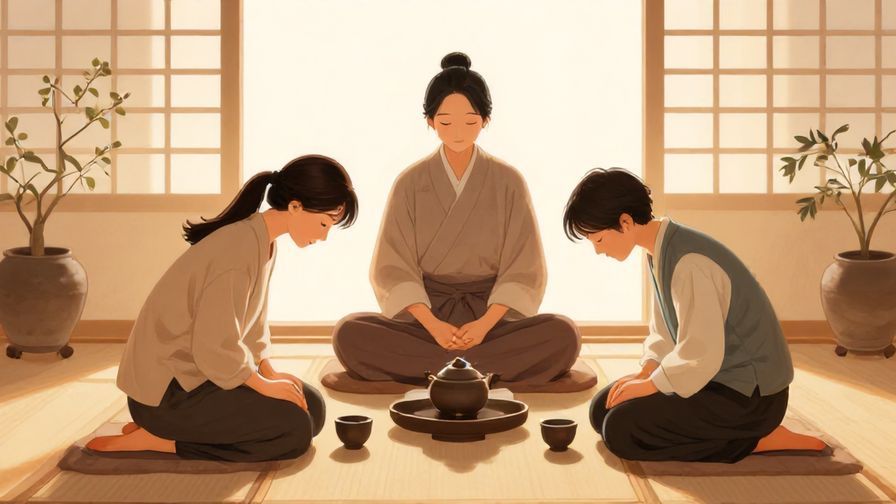
This famous proverb means every encounter is unique and won’t repeat.
It’s a polite way to express the fleeting nature of moments, similar to “easy come, easy go.”
“一期 (ichigo)” means one lifetime, “一会 (ichie)” means one meeting.
Great for formal occasions and conversations.
It teaches appreciation for temporary experiences.
Use it to impress with cultural knowledge.
11. 取らぬ狸の皮算用 (Toranu tanuki no kawazanyou) – “Counting raccoon dog skins not yet caught.”
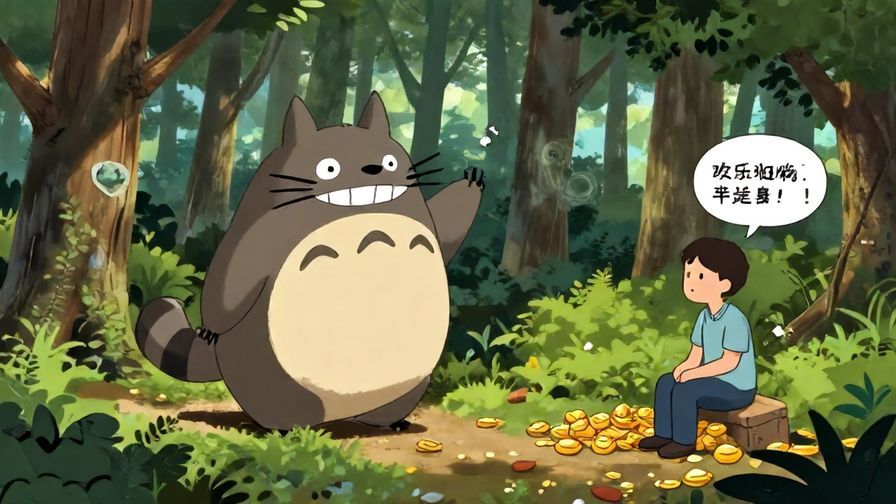
This idiom warns against counting on gains before you actually get them.
It fits well with the “easy come, easy go” theme as a caution.
Useful in business or financial talks.
It’s polite but also playful in formal settings.
Try saying it when someone is overly optimistic.
It shows wisdom and a pinch of humor.
12. 然るべき時に然るべきことが起こる (Sarubeki toki ni sarubeki koto ga okoru) – “The right things happen at the right time.”
This formal expression shows faith in timing and fate.
“然るべき (sarubeki)” means appropriate or proper, “時 (toki)” is time, and “起こる (okoru)” means to happen.
It’s great for encouraging patience and acceptance.
Use in speeches or letters to comfort someone.
It sounds thoughtful and reassuring.
This phrase reflects a deep cultural value.
13. 一喜一憂 (Ikki ichiyuu) – “One joy, one sorrow.”

This phrase describes the fluctuation between happiness and worry.
“一喜 (ikki)” means one joy, “一憂 (ichiyuu)” means one sorrow.
It’s often used in polite conversations or writing.
Use it to describe emotional ups and downs gracefully.
It’s concise and elegant.
A beautiful way to express life’s natural rhythm.
14. 浮き草のように生きる (Ukikusa no you ni ikiru) – “Live like drifting grass.”

This metaphorical phrase advises living lightly and without attachment.
“浮き草 (ukikusa)” means floating grass, and “生きる (ikiru)” means to live.
It’s poetic and polite, great for essays or thoughtful talks.
It encourages acceptance of life’s impermanence.
Try using it when discussing life philosophy.
It’s elegant and reflective.
15. 失ってもまた得る (Ushinatte mo mata eru) – “Lose it but gain again.”

This hopeful phrase highlights the cycle of loss and gain.
“失っても (ushinatte mo)” means even if you lose, “また (mata)” means again, and “得る (eru)” means to gain.
It’s polite and motivational.
Good for encouraging perseverance.
Use it in speeches or letters to inspire.
It reminds us that losses aren’t the end.
16. 流れに身を任せる (Nagare ni mi o makaseru) – “Let oneself be carried by the flow.”

This phrase means to go with the flow and accept change.
“流れ (nagare)” means flow, “身を任せる (mi o makaseru)” means to entrust oneself.
It’s polite yet casual enough for everyday use.
Great for advising someone to relax about outcomes.
Try it when discussing life’s unpredictability.
This phrase embodies peaceful acceptance.
Part 3: Very Casual / Native-like Expressions
17. ポンと入ってポンと出る (Pon to haitte pon to deru) – “In with a pop, out with a pop.”

This casual phrase vividly describes something that comes and goes quickly.
“ポンと (pon to)” is an onomatopoeic sound for popping, “入って (haitte)” means entering, and “出る (deru)” means leaving.
It’s very colloquial and fun to use.
Perfect among friends when talking about money or luck.
Using onomatopoeia makes it memorable.
Try mimicking the sound to help remember it!
18. カンタンに手に入ってカンタンに失う (Kantan ni te ni haitte kantan ni ushinau) – “Easy to get, easy to lose.”

This is a clear, straightforward way to say “easy come, easy go.”
“カンタンに (kantan ni)” means easily, “手に入って (te ni haitte)” means to get, and “失う (ushinau)” means to lose.
It’s casual and widely understood.
Use it in daily conversations about money or opportunities.
Its repetition helps with memorability.
Great for learners wanting a direct phrase.
19. すぐに来てすぐに去る (Sugu ni kite sugu ni saru) – “Come quickly, leave quickly.”

This phrase captures the transient nature of events or people.
“すぐに (sugu ni)” means immediately, “来て (kite)” means come, “去る (saru)” means leave.
It’s casual and easy to say.
Use it when describing brief encounters or quick changes.
Perfect for storytelling with a native touch.
Its rhythm makes it catchy.
20. パッと入ってパッと出る (Patto haitte patto deru) – “In a flash, out a flash.”

This phrase uses onomatopoeia “パッと (patto)” to express speed and ease.
It’s very casual and vivid.
Great for describing quick gains and losses.
Use it in informal chats about anything fleeting.
Fun to say and easy to remember.
Perfect for adding color to your conversations.
21. 笑って損して笑って得する (Waratte son shite waratte toku suru) – “Laugh and lose, laugh and gain.”

This playful phrase shows the balance of life’s gains and losses with a smile.
“笑って (waratte)” means laughing, “損して (son shite)” means losing, “得する (toku suru)” means gaining.
It’s very native and casual.
Use it to lighten conversations about tough situations.
It encourages a positive attitude.
Perfect for sounding friendly and relatable.
22. そんなもんだよ (Sonna mon da yo) – “That’s just how it is.”

This casual phrase sums up acceptance of life’s unpredictability.
“そんな (sonna)” means that kind of, “もんだ (mon da)” is a colloquial form meaning “thing is,” and “よ (yo)” adds emphasis.
It’s very common in everyday speech.
Use it when shrugging off losses or unexpected events.
It’s simple but powerful for sounding natural.
Perfect for wrapping up a story or ending a discussion.
Concluding Thought
Exploring these 22 ways to say “easy come, easy go” in Japanese offers not just language skills but a glimpse into a culture that embraces life’s impermanence with warmth and humor.
From casual expressions to poetic proverbs, each phrase invites you to let go a little, laugh often, and accept the flow of life gracefully.
Keep these phrases in your pocket and use them to connect authentically with native speakers while adding a touch of Japanese wisdom to your daily life.