22 Japanese ways to say “Embrace change”
Change is a part of life, but embracing it can sometimes feel challenging. Luckily, the Japanese language offers beautiful and varied ways to express the idea of welcoming change with open arms.
Whether you’re learning Japanese or just love discovering new perspectives, these phrases will inspire you to see change as a friend, not a foe.
From gentle encouragements to deep reflections, each expression carries warmth and wisdom that can resonate with your own journey.
Let’s explore these 22 Japanese ways to say “Embrace change” in a relaxed, relatable style, complete with pronunciation guides and simple explanations.
Knowing these phrases can help you feel more connected to the flow of life and ready to face whatever comes next.
So grab a cup of tea, and let’s dive into these beautiful expressions together!
Understanding Embracing Change in Japanese
Embracing change isn’t just about accepting something new; it’s about welcoming growth and transformation.
In Japanese culture, this concept is often wrapped up in ideas of impermanence and resilience, which makes the language rich with expressions that gently guide us through change.
These phrases help us frame change not as an obstacle, but as a natural and even beautiful part of life.

Sometimes, using a great Japanese language learning book can give you a perfect starting point for a cohesive understanding.
By learning these phrases, you’re not only picking up words but adopting a mindset that helps you flow with life’s changes.
Let’s start with some casual, easy-going expressions that you can use every day.
Part 1: Casual Suggestions
1. 変化を楽しもう (Henka o tanoshimou) – “Let’s enjoy change.”

This phrase encourages a positive attitude toward change by suggesting we should enjoy it rather than fear it.
“Henka” means “change,” “o” marks the object, and “tanoshimou” is the volitional form of “tanoshimu,” meaning “to enjoy.” Together, it’s an inviting way to say “let’s enjoy change.”
It’s a great phrase to remind yourself that change can bring new joys and adventures.
Think of it like an invitation to dance with whatever life throws your way.
Related phrases include “変化を受け入れよう” (Henka o ukeireyou), meaning “let’s accept change.”
Use this when you want to encourage friends or yourself to stay upbeat during transitions.
2. 変わるのは自然 (Kawaru no wa shizen) – “Changing is natural.”

This phrase gently reminds us that change is a natural part of life.
“Kawaru” means “to change,” “no wa” turns it into a topic, and “shizen” means “nature” or “natural.”
When you’re feeling uneasy about change, this phrase helps ground your mind in the natural order of things.
It’s simple and effective for calming worries.
Don’t confuse it with “変わり者” (kawarimono), which means an eccentric person!
Try saying this to yourself when you need reassurance that change is just life doing its thing.
3. 新しい風を感じて (Atarashii kaze o kanjite) – “Feel the new wind.”
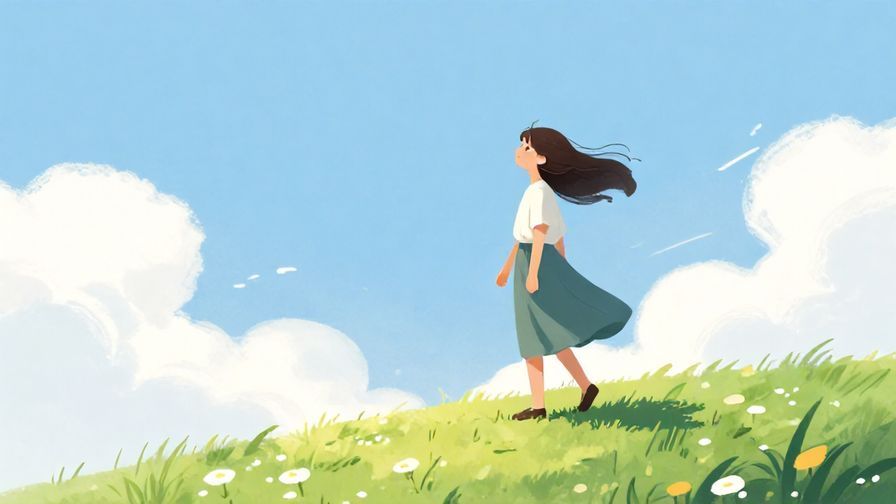
This phrase uses the metaphor of a “new wind” to symbolize fresh change and possibilities.
“Atarashii” means “new,” “kaze” is “wind,” and “kanjite” is the te-form of “kanjiru,” meaning “to feel.”
It’s poetic and encourages you to be open and sensitive to new things coming your way.
Imagine standing outside, breathing in fresh air—that’s the feeling this phrase wants to evoke.
A similar phrase is “新風” (shinpu), meaning “new breeze,” often used in news headlines or formal speech.
Use this to inspire yourself to welcome change with curiosity and openness.
4. 柔軟に対応する (Juunan ni taiou suru) – “Respond flexibly.”
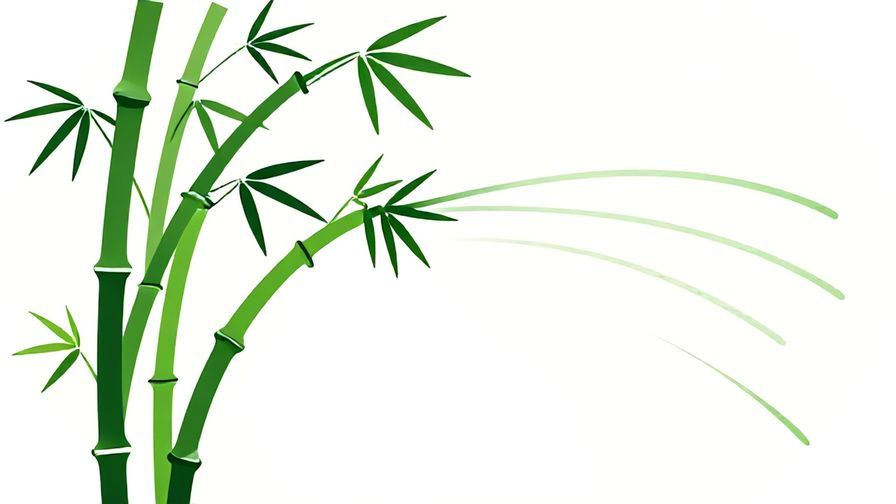
This phrase emphasizes adaptability, a key part of embracing change.
“Juunan” means “flexible,” “ni” is a particle, “taiou suru” means “to respond” or “deal with.”
It’s practical advice to stay flexible rather than rigid during change.
Think of bamboo bending but not breaking in the wind—that’s the spirit behind this phrase.
Make sure not to confuse “対応” (taiou) with “対処” (taisho), which also means dealing with but is a bit more formal.
Use this when encouraging adaptability in yourself or others.
5. 新しいことに挑戦しよう (Atarashii koto ni chousen shiyou) – “Let’s challenge new things.”

This phrase encourages taking on new challenges as a way to embrace change.
“Atarashii koto” means “new things,” “ni” marks the target, and “chousen shiyou” is the volitional form of “challenge.”
It’s an uplifting call to action to step outside your comfort zone.
Try using it to motivate yourself or friends when facing unfamiliar situations.
Related phrases include “挑戦する” (chousen suru), meaning “to challenge,” which can be used solo.
Remember, embracing change often means daring to try something new.
6. 流れに身を任せる (Nagare ni mi o makaseru) – “Go with the flow.”

This classic phrase means to let yourself be carried by the current of life.
“Nagare” means “flow” or “current,” “ni” is a particle, and “mi o makaseru” means “to entrust oneself.”
It’s a beautiful way to express surrendering control and trusting the process of change.
Use this when you want to encourage calm acceptance instead of resistance.
Be careful not to confuse this with “流れる” (nagareru), which just means “to flow.”
This phrase is perfect for moments when you just need to relax and let change happen naturally.
7. 心機一転 (Shinki itten) – “A fresh start.”

This four-character idiom (yojijukugo) means starting over with a refreshed mindset.
“Shinki” means “new spirit,” and “itten” means “complete change.” Together, they imply a clean slate.
It’s often used when someone wants to embrace change by resetting their attitude.
This phrase is handy in conversations about personal growth or career shifts.
Try it out when you’re ready to leave the past behind and move forward.
It’s a powerful reminder that every day can be a new beginning.
8. 変わる勇気を持とう (Kawaru yuuki o motou) – “Let’s have the courage to change.”

This phrase highlights the bravery needed to embrace change.
“Kawaru” means “to change,” “yuuki” means “courage,” “o” marks the object, and “motou” is the volitional form of “motsu,” to hold or have.
It encourages you to summon your inner strength when facing the unknown.
Use this phrase as a personal mantra or to cheer on friends who are hesitant about change.
It’s a reminder that change often requires boldness, but it’s worth it.
Keep it in mind next time you face a big decision or life shift.
Part 2: Polite & Formal Suggestions
9. 変化を受け入れる (Henka o ukeireru) – “Accept change.”

This polite phrase is straightforward and respectful.
“Henka” means “change,” “o” marks the object, and “ukeireru” means “to accept.”
It’s perfect for formal conversations about adapting to new situations.
When using this phrase, ensure your tone remains calm and positive.
It’s often used in business or academic settings to discuss flexibility.
Using it can help you sound mature and thoughtful about change.
10. 適応することが大切です (Tekio suru koto ga taisetsu desu) – “Adapting is important.”

This phrase emphasizes the importance of adaptation with a formal tone.
“Tekio suru” means “to adapt,” “koto” turns it into a noun (“the act of adapting”), “ga” marks the subject, and “taisetsu desu” means “is important.”
Use it when you want to stress how vital flexibility is in professional or social contexts.
It’s a great phrase to show respect for the process of change.
Avoid overusing it in casual conversations as it sounds quite formal.
Try this phrase in presentations or polite advice conversations.
11. 変化に対応いたします (Henka ni taiou itashimasu) – “I will respond to change.”
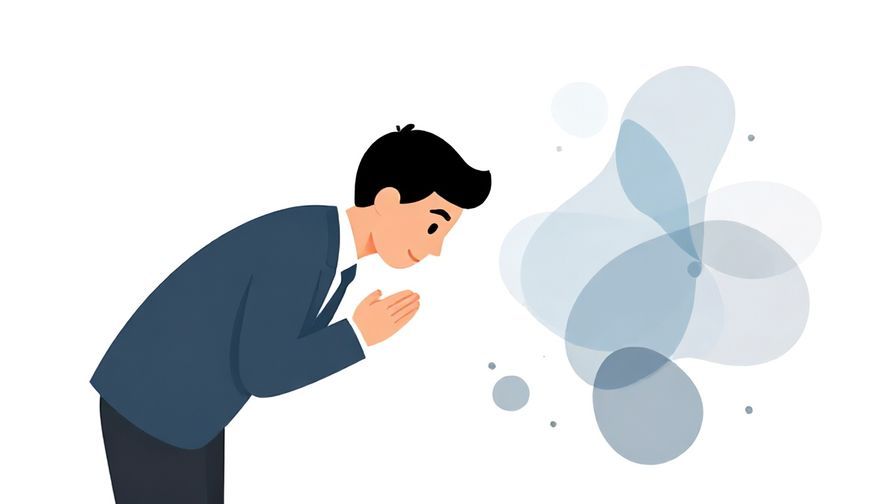
This humble and respectful phrase is often used in business.
“Henka ni” means “to change,” “taiou” means “respond,” and “itashimasu” is the humble form of “to do.”
It expresses readiness to handle change with professionalism.
It’s excellent for emails, meetings, or formal announcements.
Make sure to maintain polite body language when using this phrase.
It conveys respect and commitment to adapting responsibly.
12. 柔軟な対応が求められます (Juunan na taiou ga motomeraremasu) – “Flexible responses are required.”

This phrase states the necessity of being flexible in formal situations.
“Juunan na” means “flexible,” “taiou” is “response,” “ga” marks the subject, and “motomeraremasu” means “are required.”
It’s often used in reports or professional advice.
Use it to emphasize the importance of flexibility in challenging environments.
It’s polite and somewhat formal, so best for workplace contexts.
Try this to encourage teammates or colleagues to stay adaptable.
13. 変化を前向きに捉えましょう (Henka o maemuki ni toraemashou) – “Let’s look at change positively.”

This phrase invites a positive mindset toward change, politely and encouragingly.
“Henka o” is “change,” “maemuki ni” means “positively,” and “toraemashou” is the volitional polite form of “to perceive.”
It’s useful in speeches, coaching, or formal support settings.
Try to pair it with encouraging body language for impact.
Avoid sounding overly formal in casual chats with this phrase.
This one’s great for uplifting groups or teams facing change.
14. 変化は成長のチャンスです (Henka wa seichou no chansu desu) – “Change is a chance for growth.”
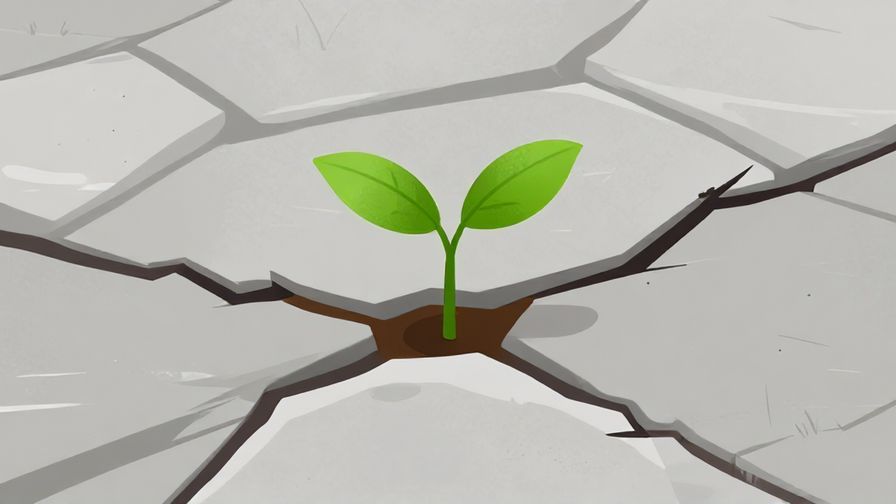
This phrase highlights the opportunity that change brings in a respectful tone.
“Henka wa” marks “change” as the topic, “seichou no” means “of growth,” and “chansu desu” means “is a chance.”
It’s a positive, formal way to frame change as something beneficial.
Perfect for motivational talks or formal encouragement.
Use it to shift focus from fear to opportunity.
This phrase can inspire others to see change as a stepping stone.
15. 変化を恐れずに進みましょう (Henka o osorezu ni susumimashou) – “Let’s move forward without fear of change.”

This phrase encourages courage and progress in a polite manner.
“Henka o” means “change,” “osorezu ni” means “without fear,” and “susumimashou” is the polite volitional form of “to move forward.”
It’s empowering and respectful, great for speeches or advice.
Use it to motivate people to face change bravely.
Make sure to pronounce “osorezu” clearly to avoid confusion with similar words.
This phrase is a great push toward positive action.
16. 柔軟性を持って対応いたします (Juunansei o motte taiou itashimasu) – “I will respond with flexibility.”

This phrase is a humble, formal way to promise adaptive responses.
“Juunansei” means “flexibility,” “o motte” means “with,” and “taiou itashimasu” is the humble form of “to respond.”
It’s excellent for professional commitments or customer service.
Use it to show dedication to handling change gracefully.
Pair it with respectful gestures for full effect.
This phrase builds trust by showing readiness to adapt.
Part 3: Very Casual / Native-like Expressions
17. 変わっちゃおう (Kawacchaou) – “Let’s just change!”

This is a very casual, friendly way to suggest embracing change.
“Kawacchaou” is the casual volitional form of “kawaru,” with a soft contraction making it sound relaxed and spontaneous.
Native speakers use this with close friends or in informal chats.
It’s perfect for moments when you want to lighten the mood about change.
Be careful not to use this with strangers or in formal settings as it sounds too casual.
Try it out when encouraging friends to try something new without overthinking.
18. 変えるしかないね (Kaeru shika nai ne) – “We just have to change, huh.”

This phrase expresses a resigned but accepting attitude toward necessary change.
“Kaeru” means “to change,” “shika nai” means “there’s no choice but,” and “ne” softens it like “right?”
It’s often used when change is inevitable and accepted as a fact.
Use this with close acquaintances to share a sense of camaraderie in facing change.
Don’t use “kaeru” confused with “kaeru” meaning “frog” – context matters!
This phrase captures the common feeling of “what else can we do?”
19. まあ、変わろうぜ (Maa, kawarou ze) – “Well, let’s change!”

This phrase has a masculine, energetic vibe, common among young people.
“Maa” is a casual interjection like “well,” “kawarou” is volitional “let’s change,” and “ze” adds a strong, friendly emphasis.
It’s great for pumped-up encouragement among friends.
Not suitable for formal or female speech contexts as it sounds rough.
Use this phrase when you want to hype up change as something exciting.
It’s a fun and bold way to embrace new beginnings.
20. 変化を楽しんじゃおう (Henka o tanoshinjau) – “Let’s just enjoy change!”

This phrase is playful and enthusiastic about embracing change.
“Henka o” is “change,” and “tanoshinjau” is a casual contracted form of “tanoshimu” with “-chau” expressing doing something fully or unexpectedly.
It’s commonly used among friends to lighten the mood about transitions.
Don’t use it in serious or formal conversations.
It captures a carefree, “why not have fun with it?” attitude.
Perfect for reminding yourself to find joy even when things shift.
21. 変わるの、怖くないよ (Kawaru no, kowakunai yo) – “Changing’s not scary, you know.”

This phrase is gentle reassurance in casual speech.
“Kawaru no” makes “changing” the topic, “kowakunai” means “not scary,” and “yo” adds a soft emphasis.
It’s perfect for comforting someone nervous about change.
Use it with friends or family to offer support.
Be sure your tone is warm and sincere for maximum effect.
A beautiful way to remind loved ones that change is okay.
22. 変わることが大事だよ (Kawaru koto ga daiji da yo) – “Changing is important, you know.”

This phrase stresses the importance of change in a friendly way.
“Kawaru koto” is “the act of changing,” “ga” marks the subject, “daiji da” means “important,” and “yo” adds emphasis.
It’s great for casual but meaningful conversations.
Use it when encouraging someone to embrace new experiences.
Keep your voice soft to sound encouraging rather than lecturing.
A heartfelt phrase to gently inspire growth through change.
Concluding Thought
Exploring these 22 Japanese ways to say “embrace change” reveals how language can carry both practical advice and deep emotion.
Each phrase offers a unique perspective, whether casual, formal, or poetic, helping you find words that resonate with your own journey.
Remember, embracing change is a beautiful act of courage and curiosity—so take these expressions to heart and welcome whatever comes next with a warm smile.