22 Japanese ways to say “I’ve changed”
Change is a beautiful thing, and sometimes, expressing it in another language can make it feel even more special.
Whether you want to tell someone you’ve grown or simply understand different shades of “I’ve changed” in Japanese, you’re in the right place.
Japanese is rich with subtle variations that can express everything from gentle personal growth to profound transformation.
Let’s explore 22 warm and relatable ways to say “I’ve changed” in Japanese, each with its own unique flavor and context.
Learning these phrases can deepen your connection to the language and culture while helping you express your own journey.
Ready to embrace your growth in Japanese? Let’s dive in!
Understanding Change in Japanese
Expressing change isn’t just about the words but the feelings behind them.
Japanese offers multiple ways to say “I’ve changed,” from casual to formal, and even poetic expressions.
Knowing these can help you sound more natural and connect more deeply with people.
Sometimes, a good language book can guide you through these expressions with ease.
Practicing these phrases will make your conversations more meaningful and your Japanese more versatile.
Let’s start with some casual ways you can say “I’ve changed”.
Part 1: Casual Suggestions
1. 変わったよ (Kawatta yo) – “I’ve changed.”
This is the simplest way to say “I’ve changed” in a casual way.
変わった (Kawatta) means “changed,” and よ (yo) adds a friendly emphasis, like telling a friend.
Use it to share your personal growth in everyday conversations.
It’s direct and easy to remember.
You can also use 変わったね (Kawatta ne) when commenting on someone else’s change.
Perfect for casual chats when you want to express your transformation naturally.
2. 自分が変わった (Jibun ga kawatta) – “I myself have changed.”

This phrase highlights that the change is personal and internal.
自分 (Jibun) means “oneself,” が (ga) is the subject marker, and 変わった (kawatta) means “changed.”
It’s great for emphasizing your own growth.
Remember to use が (ga) to mark yourself as the focus.
Try it when you want to stress that the change is yours and meaningful.
This phrase feels sincere and grounded.
3. 昔と違う (Mukashi to chigau) – “I am different than before.”

This expression literally means “I am different from the past.”
昔 (Mukashi) means “long ago,” と (to) means “and/with,” and 違う (chigau) means “to differ.”
It’s a gentle way to say “I’ve changed” without directly using the word “change.”
Great for storytelling or reflective conversations.
It’s a subtle, poetic way to express personal growth.
Use this when you want to sound thoughtful and introspective.
4. 前とは違う (Mae to wa chigau) – “I’m different from before.”

Similar to 昔と違う, this phrase means “I am different from before.”
前 (Mae) means “before,” と (to) with は (wa) adds emphasis, and 違う (chigau) means “to differ.”
It’s casual and easy to use in many contexts.
Use は (wa) for a stronger contrast than just と (to).
This phrase is good for conversations about change in behavior or attitude.
It’s straightforward and relatable.
5. 変わったと思う (Kawatta to omou) – “I think I’ve changed.”
This phrase adds a personal reflection with 思う (omou), meaning “I think.”
It’s a humble way to admit change, showing you’re aware of your growth.
Perfect for expressing mild confidence or uncertainty.
Use it when you want to sound polite but genuine.
It’s often used in casual or semi-formal conversations.
Great to practice when sharing your feelings about change.
6. すごく変わった (Sugoku kawatta) – “I’ve changed a lot.”

Adding すごく (sugoku) means “very” or “a lot.”
This phrase emphasizes that the change is significant or impressive.
It’s casual and great for sharing proud moments.
Use it to highlight a big transformation in your life.
It’s upbeat and positive.
Perfect for enthusiastic conversations about growth.
7. 人が変わったみたい (Hito ga kawatta mitai) – “It’s like I’ve become a different person.”
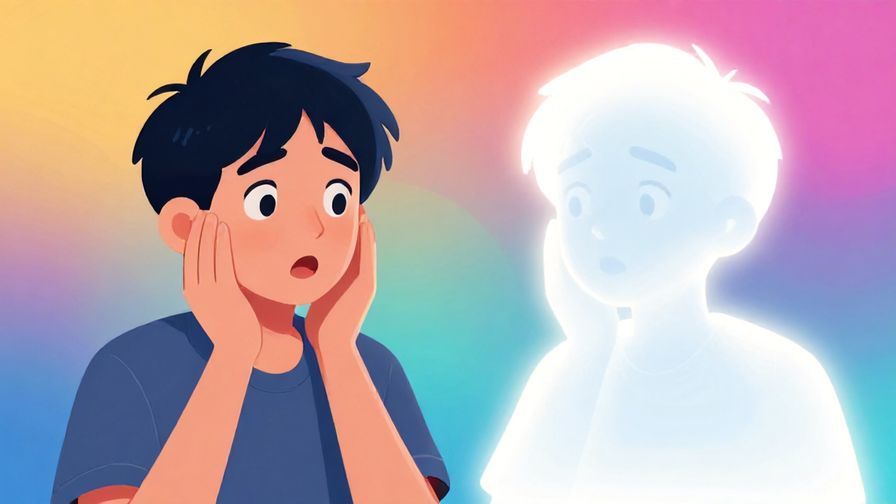
This phrase uses みたい (mitai) meaning “like” or “seems.”
人 (Hito) means “person,” and が (ga) marks the subject.
It’s a vivid way to say you’ve changed so much it feels like you’re someone else.
Perfect for emphasizing dramatic personal growth.
Use it in casual talk with friends or family.
It adds a storytelling flavor to your expression.
8. 心が変わった (Kokoro ga kawatta) – “My heart has changed.”

This phrase focuses on emotional or internal change.
心 (Kokoro) means “heart” or “mind,” and が (ga) marks it as the subject.
It’s poetic and heartfelt.
Use it when you want to express deep personal transformation.
Great for romantic or serious conversations.
It’s a beautiful way to show your inner growth.
Part 2: Polite & Formal Suggestions
9. 私は変わりました (Watashi wa kawarimashita) – “I have changed.”

This is a polite, formal way to say “I’ve changed.”
私 (Watashi) means “I,” は (wa) is the topic marker, and 変わりました (kawarimashita) is the polite past tense of “change.”
Use this in formal situations like work or respectful conversations.
It sounds mature and sincere.
Perfect for serious discussions about personal development.
Practice this to sound respectful and polished.
10. 自分は変わりました (Jibun wa kawarimashita) – “I myself have changed.”

This formal phrase highlights personal change with 自分 (Jibun), meaning “oneself.”
It’s similar to 私は変わりました but with a slightly more humble tone.
Great for presentations or personal statements.
Use it when you want to express sincere self-improvement.
It’s respectful and clear.
Good for formal letters or speeches.
11. 大きく変わりました (Ōkiku kawarimashita) – “I have changed greatly.”

大きく (Ōkiku) means “greatly” or “significantly.”
This phrase emphasizes a major, positive change in polite form.
Use it to share important personal development.
It’s fitting for formal interviews or reports.
It sounds impressive and sincere.
Perfect when proud of your growth.
12. 性格が変わりました (Seikaku ga kawarimashita) – “My personality has changed.”

性格 (Seikaku) means “personality.”
This phrase is great for talking about changes in your character or attitude.
It’s polite and clear.
Use it in formal or semi-formal conversations.
It’s specific and thoughtful.
Good for explaining personal growth in interviews or meetings.
13. 昔の私とは違います (Mukashi no watashi to wa chigaimasu) – “I am different from the old me.”

This formal phrase literally says you are different from your past self.
It’s polite and reflective.
Use it to express clear transformation politely.
Great for writing or presentations.
It sounds mature and thoughtful.
Try it to sound reflective and respectful.
14. 見違えるほど変わりました (Michigaeru hodo kawarimashita) – “I’ve changed beyond recognition.”
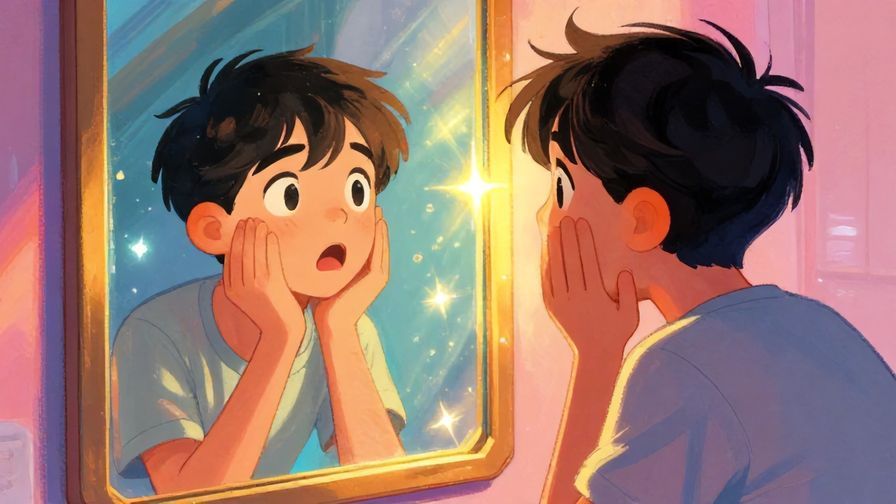
見違えるほど (Michigaeru hodo) means “to the extent you don’t recognize.”
This phrase expresses dramatic change in a formal way.
It’s great for emphasizing big personal growth.
Use it in speeches or formal testimonials.
It sounds impactful and impressive.
Perfect for storytelling about your transformation.
15. 考え方が変わりました (Kangaekata ga kawarimashita) – “My way of thinking has changed.”
考え方 (Kangaekata) means “way of thinking.”
This phrase focuses on mental growth.
It’s polite and perfect for professional or academic settings.
Use it to explain shifts in perspective.
It sounds intelligent and sincere.
Ideal for explaining learning and development.
16. 新しい自分になりました (Atarashii jibun ni narimashita) – “I have become a new me.”
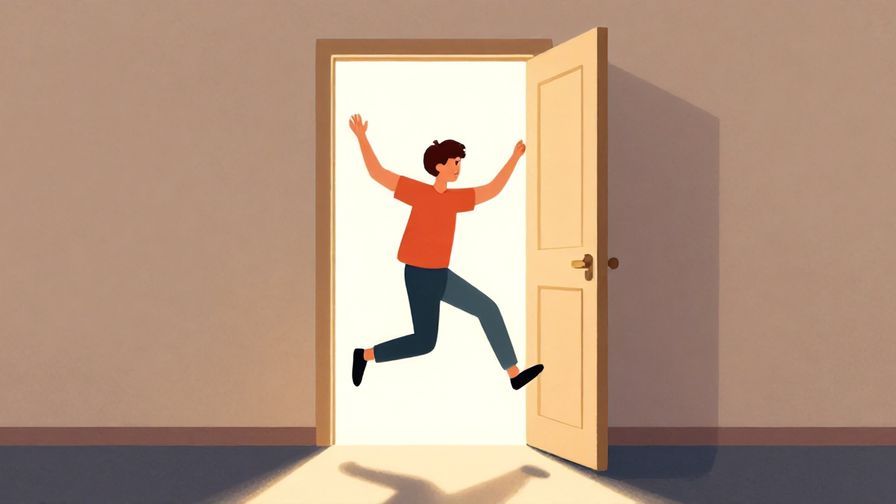
新しい (Atarashii) means “new,” and 自分 (Jibun) means “self.”
This phrase expresses a fresh start in a polite way.
It’s inspiring and hopeful.
Use it in formal or casual settings.
It sounds optimistic and positive.
Great for sharing a renewed sense of self.
Part 3: Very Casual / Native-like Expressions
17. 俺、変わったぜ (Ore, kawatta ze) – “I’ve changed, man.”

This is a very casual and masculine way to say “I’ve changed.”
俺 (Ore) is an informal “I,” and ぜ (ze) adds a strong, casual emphasis.
Use it with close friends or in relaxed settings.
It sounds confident and a bit rough.
Perfect for native-like, casual speech.
Use with caution as it’s informal.
18. 変わったっしょ? (Kawattassho?) – “I’ve changed, right?”

This phrase adds a friendly question tag っしょ? (ssho?), similar to “right?”
It’s casual and inviting.
Use it when checking if others notice your change.
It’s light and conversational.
Great for relaxed chats with peers.
Use it to sound natural and approachable.
19. もう違う人間だよ (Mō chigau ningen da yo) – “I’m a different person now.”

もう (Mō) means “already,” 違う (Chigau) means “different,” and 人間 (Ningen) means “human/person.”
This phrase emphasizes a full transformation.
It’s casual and very expressive.
Use it to show strong personal change.
It sounds powerful and direct.
Great for emotional or dramatic moments.
20. ガラッと変わった (Garatto kawatta) – “I’ve changed completely.”

ガラッと (Garatto) means “completely” or “dramatically.”
This phrase is casual and energetic.
Perfect to describe a sudden or noticeable change.
Use it with friends or in informal contexts.
It’s vivid and fun.
Great for lively conversations.
21. 変わってきたな (Kawatte kita na) – “I’ve been changing.”
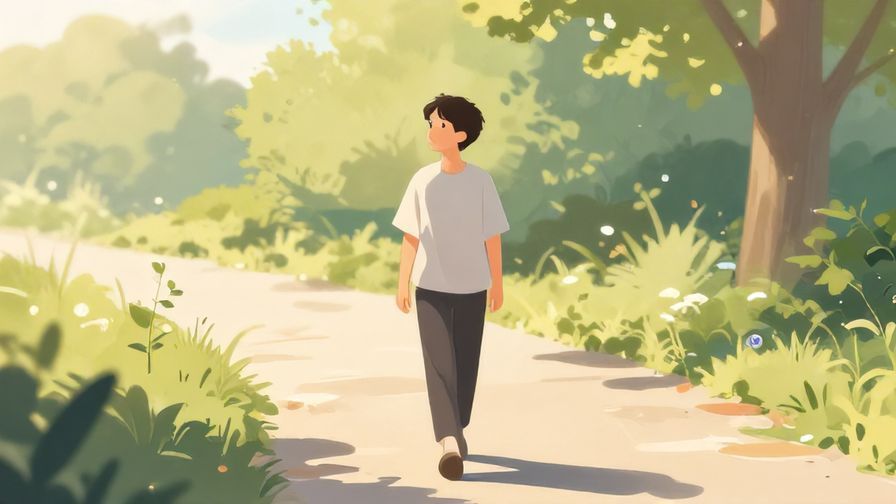
This phrase uses the てきた (tekita) form to show ongoing change.
It’s casual and reflective.
Use it when talking about gradual personal growth.
It sounds natural and mature.
Great for sharing your evolving self.
Perfect for relaxed, deeper talks.
22. 俺、変わったと思うよ (Ore, kawatta to omou yo) – “I think I’ve changed, you know.”

This combines casual masculinity with personal reflection.
俺 (Ore) is casual “I,” 思う (omou) means “I think,” and よ (yo) adds friendliness.
Use it for humble but confident self-expression.
It’s casual, native-like, and engaging.
Perfect for close friends or informal settings.
Great for showing self-awareness with warmth.
Concluding Thought
Exploring these 22 ways to say “I’ve changed” in Japanese shows how rich and nuanced the language is.
From casual chats to formal declarations, each phrase carries its own warmth and meaning.
Embrace your growth, express it confidently, and enjoy the journey of learning Japanese!