22 Japanese ways to say “You’ve changed”
Noticing change in someone can be a delicate moment. Whether you want to express it gently, casually, or with a bit more warmth, Japanese offers a beautiful variety of ways to say “You’ve changed.”
It’s a phrase packed with feelings—sometimes surprise, sometimes admiration, or even a hint of nostalgia. Learning different ways to say this can help you connect authentically in many situations.
From polite to casual, and formal to native-like expressions, this list embraces the nuances of Japanese language and culture.
Each phrase comes with a simple explanation and pronunciation guide, so you can say it with confidence and heart.
Plus, understanding these variations helps you catch the emotional tone behind the words, making your conversations richer and more meaningful.
Ready to explore 22 Japanese ways to say “You’ve changed”? Let’s dive in.
Warm Observations Before We Start
Expressing that someone has changed can be tricky — you want to be honest but not hurtful.
In Japanese, subtlety is key. Many phrases balance directness with kindness, making your message feel caring and thoughtful.
Using the right phrase in the right context shows respect and emotional awareness.

Sometimes, a great beginner phrasebook can give you a perfect starting point for a cohesive understanding.
Keep in mind tone and context as you try these expressions—they’ll help you sound natural and warm.
Now, on to the list!
Part 1: Casual Suggestions
1. 変わったね (Kawatta ne) – “You’ve changed, haven’t you?”

This is a straightforward and friendly way to say “You’ve changed.”
“変わった” (Kawatta) means “changed,” and “ね” (ne) adds a soft, confirming tone, like “right?” or “isn’t it?” It’s casual and common among friends.
Using “ね” makes it sound less like a blunt statement and more like an observation.
It’s perfect when you want to express mild surprise or notice positive growth.
For example, if your friend looks more confident or has a new style, this fits well.
Try saying it with a smile to keep the mood light and warm.
2. 昔と違うね (Mukashi to chigau ne) – “You’re different from before, huh?”
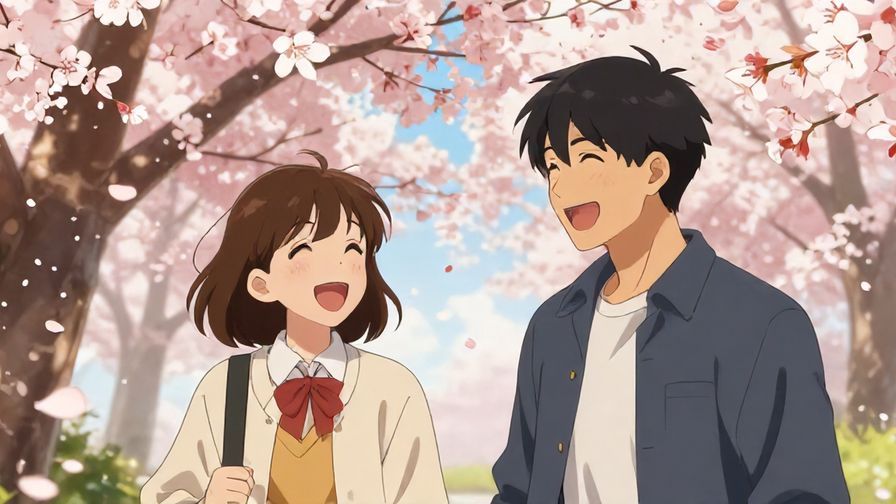
This phrase points to a comparison between past and present.
“昔” (Mukashi) means “the past,” “と” (to) is a particle meaning “with,” and “違う” (chigau) means “to be different.” The “ね” (ne) softens it.
It’s a gentle way to say someone’s changed without implying judgment.
Be mindful not to use it if you think the change might be sensitive.
For example, if a friend’s attitude has shifted after an experience, this phrase works well.
It’s a nice conversation starter about growth or life changes.
3. 印象が変わったね (Inshō ga kawatta ne) – “Your impression has changed.”

This is a bit more specific, focusing on the vibe or impression someone gives.
“印象” (Inshō) means “impression,” “が” (ga) is the subject marker, and “変わった” (kawatta) means “changed.”
It’s casual but thoughtful, great for complimenting subtle changes in demeanor or style.
Use this when you want to highlight positive transformation without sounding too direct.
Perfect for a colleague or acquaintance you’re getting to know better.
It can open up friendly dialogue about the reasons behind the change.
4. 雰囲気が違うね (Fun’iki ga chigau ne) – “Your atmosphere feels different.”
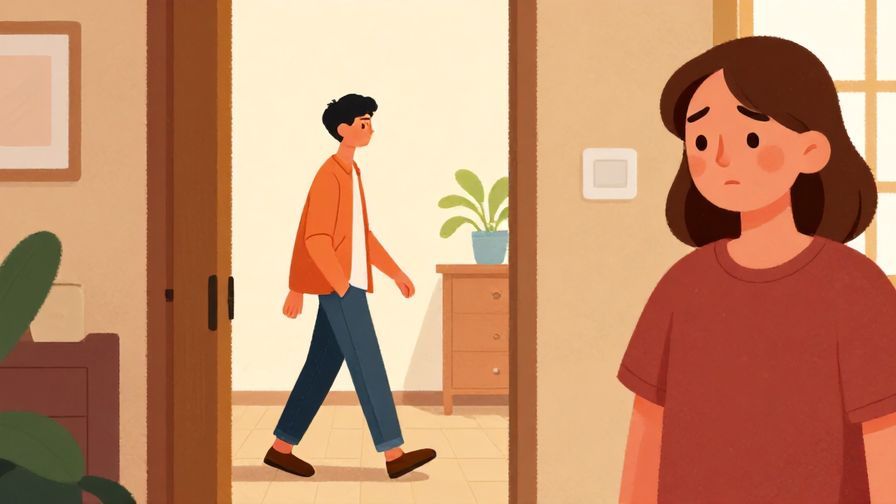
“雰囲気” (Fun’iki) means “atmosphere” or “mood,” so this phrase comments on the overall feeling someone gives off.
It’s a softer way to say “You’ve changed,” focusing on vibe rather than specifics.
Great for when a friend seems happier, calmer, or just different in an appealing way.
Avoid using it if the change might be seen as negative; it’s best for positive or neutral observations.
Try pairing it with a smile to keep things light-hearted.
This phrase encourages curiosity about what’s new in their life.
5. 昔と違って素敵だね (Mukashi to chigatte suteki da ne) – “You’re different from before, and it’s wonderful.”

This phrase combines change with a positive compliment.
“素敵” (Suteki) means “wonderful” or “lovely,” adding warmth to the observation.
It’s perfect when you want to convey admiration for someone’s growth or new qualities.
Using “違って” (chigatte) is the te-form of “違う” (to be different), connecting the sentence smoothly.
Great for boosting your friend’s confidence about their changes.
It’s a lovely way to say “You’ve changed” and make them feel appreciated.
6. なんか変わった? (Nanka kawatta?) – “Did something change?”
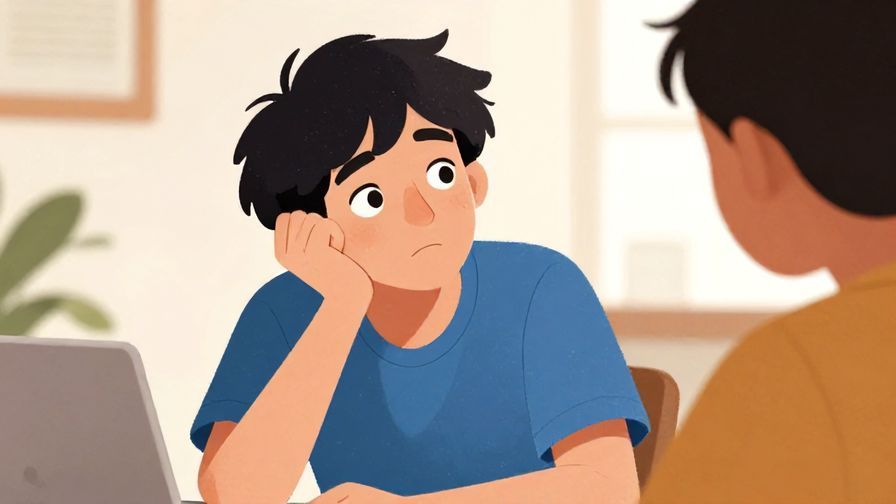
This is a casual, informal way to ask if someone has changed.
“なんか” (Nanka) means “somehow” or “something,” adding a casual tone, and “変わった?” (Kawatta?) means “changed?”
It sounds friendly and slightly playful, great for close friends.
Use it when you want to check in with someone about noticeable differences.
It’s less of a statement and more of an open question, inviting conversation.
Perfect for everyday chats when you notice a small change.
7. 昔とは違う感じだね (Mukashi to wa chigau kanji da ne) – “It feels different from before.”

This phrase emphasizes the feeling or atmosphere someone gives off.
“感じ” (Kanji) means “feeling” or “sense,” so you’re saying their vibe has changed.
It’s a gentle, indirect way to point out change without being confrontational.
Great in nuanced conversations where you want to express subtle observations.
It encourages the other person to share more about their experiences.
Use it when you want to be thoughtful and sensitive.
8. なんだか違うね (Nandaka chigau ne) – “Something’s different, huh?”
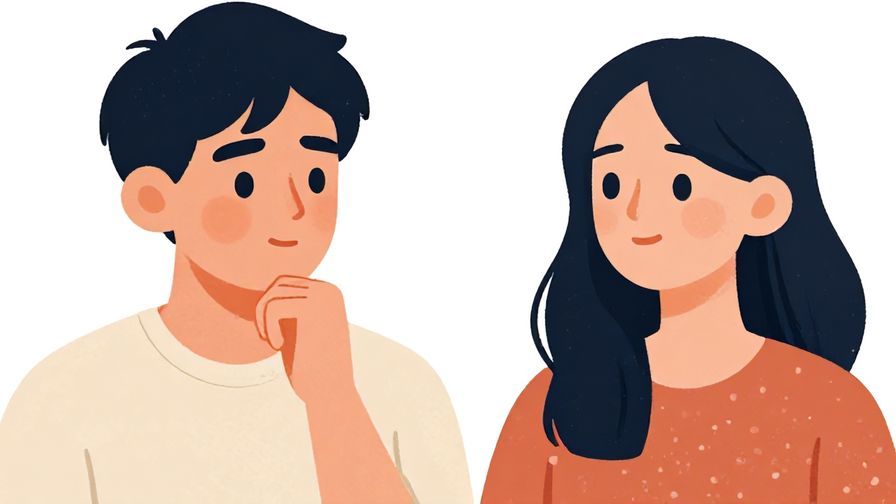
“なんだか” (Nandaka) means “somehow” or “somewhat,” making this a vague but inviting observation.
“違う” (Chigau) means “different,” and “ね” (ne) softens the tone.
It’s casual and friendly, good for moments when you sense change but aren’t sure what.
This phrase opens the door for deeper conversation without pressure.
Use it when you want to express curiosity and warmth simultaneously.
It’s a versatile phrase for many situations.
Part 2: Polite & Formal Suggestions
9. 変わりましたね (Kawarimashita ne) – “You’ve changed, haven’t you?” (polite)

This is the polite past tense form of “change.”
“変わりました” (Kawarimashita) is formal and respectful, suitable for coworkers or acquaintances.
Adding “ね” (ne) makes it soft and conversational.
This phrase is perfect when you want to acknowledge change politely.
It works well in professional or formal social settings.
Use it to stay warm but respectful when noticing change.
10. お変わりありませんか? (Okawari arimasen ka?) – “Has there been any change?” (formal, indirect)

This is a very polite and indirect way to ask if someone has changed, often used in letters or formal speech.
“お変わり” (Okawari) is a humble prefix plus “change,” “ありませんか” (arimasen ka) means “is there not?”
It’s a gentle inquiry, often about health, status, or personal circumstances.
Use this when you want to check in respectfully without sounding too direct.
Great for formal greetings or reconnecting with someone you haven’t seen in a while.
This phrase shows care with proper etiquette.
11. ずいぶん変わりましたね (Zuibun kawarimashita ne) – “You’ve changed quite a bit, haven’t you?”
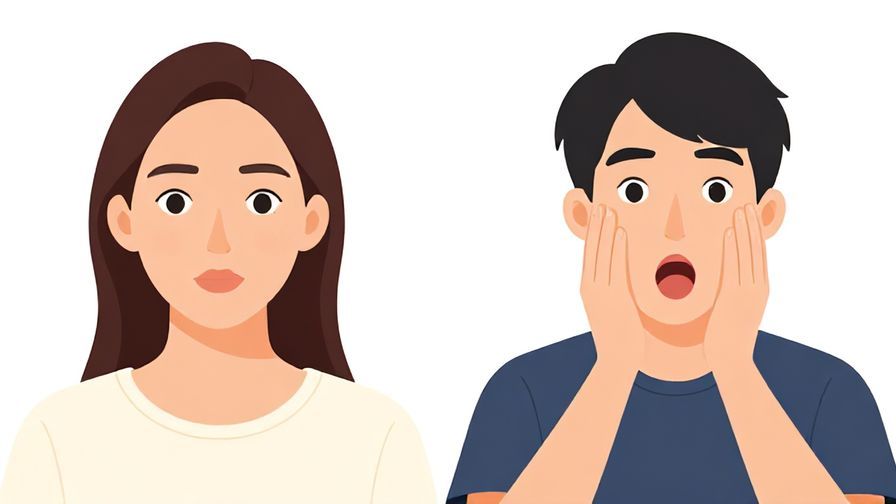
“ずいぶん” (Zuibun) means “quite” or “considerably,” adding emphasis to the change.
This is polite and acknowledges noticeable growth or transformation.
It’s great for compliments that feel sincere and respectful.
Use it when the change is significant and positive.
It can brighten someone’s day by recognizing their journey.
Perfect for formal or semi-formal contexts.
12. 以前とは様子が違いますね (Izen to wa yōsu ga chigaimasu ne) – “Your demeanor is different from before.”

“以前” (Izen) means “previously,” “様子” (yōsu) means “appearance” or “demeanor.”
This phrase is polite and focuses on behavioral or emotional change.
It’s useful in professional or formal social contexts.
Use it when you want to comment on how someone’s attitude or mood has shifted.
It’s a thoughtful way to express the observation without sounding critical.
Great for respectful, meaningful conversations.
13. お顔つきが変わりましたね (Okaotsuki ga kawarimashita ne) – “Your expression has changed.”

“お顔つき” (Okaotsuki) means “facial expression” or “look,” with a polite prefix.
This phrase highlights a visible change in someone’s face or mood.
It’s formal and can be used to compliment someone’s improved mood or confidence.
Use it when you want to gently point out a positive change.
It’s a subtle compliment wrapped in politeness.
Perfect for formal or semi-formal settings.
14. 生活が変わりましたね (Seikatsu ga kawarimashita ne) – “Your lifestyle has changed.”

“生活” (Seikatsu) means “life” or “lifestyle.”
This phrase politely points out a change in habits or daily life.
It’s useful when you know the person has made big life changes, like moving or a new job.
Use it to show that you’re paying attention and care about their well-being.
It’s a respectful way to acknowledge change without prying.
Great for conversations with acquaintances or friends.
15. お考えが変わりましたね (O-kangae ga kawarimashita ne) – “Your way of thinking has changed.”

“お考え” (O-kangae) means “thought” or “way of thinking,” with a polite prefix.
This phrase respectfully notes a shift in mindset or opinion.
It’s useful in intellectual or professional conversations.
Use it when you notice someone’s perspective has evolved.
It’s polite and can open up deeper discussions.
Perfect for respectful dialogue about ideas or beliefs.
16. お姿が変わりましたね (Osugata ga kawarimashita ne) – “Your appearance has changed.”

“お姿” (Osugata) means “appearance” or “figure,” with a respectful prefix.
This phrase is formal and polite, suitable for commenting on visible, physical changes.
Use it when you want to comment on someone’s new look or style respectfully.
It’s great for formal occasions or when you want to be especially courteous.
Pair it with a warm smile to keep the tone positive.
It’s a refined way to say “You’ve changed.”
Part 3: Very Casual / Native-like Expressions
17. ガラッと変わったね (Garatto kawatta ne) – “You’ve changed completely!”
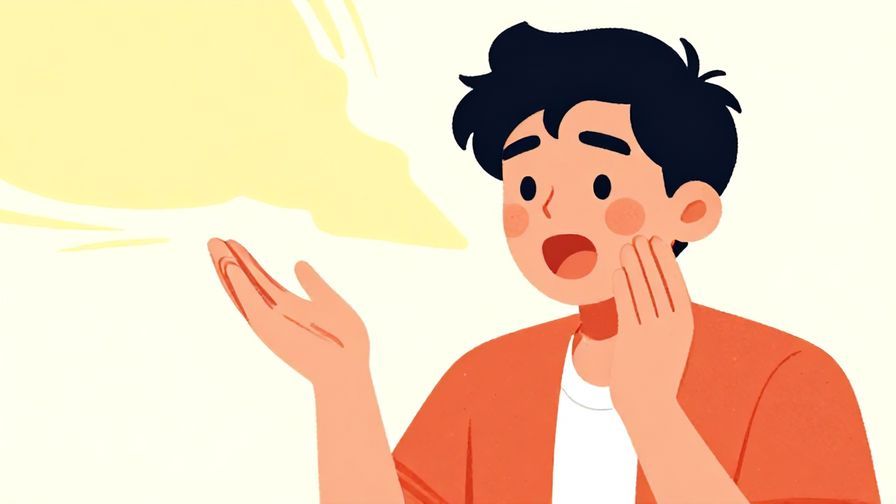
“ガラッと” (Garatto) means “dramatically” or “completely,” making this expression very casual and emphatic.
It’s often used by close friends to highlight a big, noticeable change.
Great for complimenting a bold new hairstyle, personality shift, or life decision.
Because it’s casual, avoid using it in formal settings.
It’s lively and expressive, perfect for native-like speech.
Use it with enthusiasm to show genuine surprise and admiration.
18. 変わりすぎ!(Kawari sugi!) – “You’ve changed way too much!”
This phrase is very casual and playful.
“すぎ” (Sugi) means “too much,” so you’re saying “You’ve changed too much.”
Use it with close friends to tease or joke about big changes.
Because it can sound harsh if misused, only say it when you have a relaxed, friendly relationship.
It’s a fun, native-like way to react to surprising transformations.
Pair it with laughter to keep it lighthearted.
19. まるで別人だね (Marude betsujin da ne) – “You’re like a completely different person.”
“まるで” (Marude) means “just like,” and “別人” (Betsujin) means “a different person.”
This phrase is casual and emphasizes a dramatic change.
It’s used when someone’s personality, appearance, or attitude feels totally new.
Great for expressing genuine surprise and admiration.
Use it among friends or peers who appreciate directness.
It’s a vivid, expressive way to say “You’ve changed.”
20. 全然違うじゃん (Zenzen chigau jan) – “You’re totally different!”

“全然” (Zenzen) means “totally” or “completely,” and “違う” (Chigau) means “different.”
“じゃん” (Jan) is a casual sentence-ending particle adding emphasis and friendliness.
This phrase is very casual and often used in everyday speech among friends.
It’s a straightforward and energetic way to comment on change.
Use it when you want to sound natural and lively.
It’s great for informal conversations or teasing.
21. お前、変わったな (Omae, kawatta na) – “Hey, you’ve changed.”
“お前” (Omae) is a casual, sometimes rough way to say “you,” often used between close male friends.
This phrase sounds very direct and casual.
It’s best reserved for close relationships where directness is normal and accepted.
Use it with a friendly tone to avoid sounding rude.
It’s a native-like, casual expression for noticing change.
Great for bonding moments where honesty is appreciated.
22. すごく変わったね (Sugoku kawatta ne) – “You’ve changed a lot!”

“すごく” (Sugoku) means “very” or “a lot,” adding a strong positive emphasis.
This phrase is casual and friendly, great for praising noticeable positive change.
It’s versatile enough for friends, family, or casual acquaintances.
Use it to express admiration and encouragement.
It’s warm and natural, perfect for everyday conversations.
Say it with enthusiasm to really lift the mood.
Concluding Thought
Exploring these 22 expressions shows just how rich and nuanced Japanese can be when talking about change.
Whether you want to be gentle, formal, playful, or direct, there’s a phrase that fits your mood and relationship perfectly.
Next time you notice someone’s growth or transformation, try one of these phrases to connect sincerely and warmly.