24 Japanese ways to say “This Tastes Amazing”
There’s nothing quite like biting into something that just hits all the right notes. Whether it’s a homemade dish or street food, expressing your delight in Japanese can add a whole new flavor to your experience.
From casual to formal, Japanese has a variety of ways to say “This tastes amazing” that can suit any situation. It’s fun, expressive, and a great way to connect with others over food.
In this article, we’ll explore 24 warm and relatable ways to share your food appreciation in Japanese. Each phrase comes with pronunciation tips and simple explanations to make it easy for you to use.
Food is one of the best bridges between cultures, and learning these phrases can open up new conversations and friendships wherever you go.
Plus, practicing these expressions can improve your understanding of Japanese nuances and make your language journey tastier and more enjoyable.
So, grab your chopsticks and let’s dig in!
Flavorful Foundations
Understanding how to express delight in taste is a great first step in mastering Japanese food talk.
These foundational phrases are simple, common, and perfect for everyday use. They help you sound natural and enthusiastic without any fuss.
Once you get comfortable with these, you’ll be ready to explore more nuanced and expressive options.
For a smooth start, a beginner phrasebook can be a great companion to help you practice these expressions in context.
Remember, the key is to speak with genuine enthusiasm and enjoy the moment.
These simple phrases will make your compliments sound heartfelt and natural every time.
Part 1: Casual Suggestions
1. おいしい! (Oishii!) – “Delicious!”

This is the quintessential way to say “This tastes amazing” in Japanese.
It’s short, sweet, and packed with enthusiasm. Just say “oishii” (oh-ee-shee) whenever you’re impressed by the flavor.
It works perfectly in casual settings like eating with friends or family.
It’s a versatile phrase that you can use almost every day without hesitation.
If you want to be a bit more playful, try adding “ね” (ne) at the end to mean “right?” or “isn’t it?”
“おいしいね!” (Oishii ne!) is a friendly way to invite agreement and share the joy.
2. すごくおいしい! (Sugoku oishii!) – “Super delicious!”

Want to turn up the excitement? Add “すごく” (sugoku) before “おいしい” to say “super delicious.”
“Sugoku” (soo-goo-koo) means “very” or “extremely,” so it intensifies your compliment.
It’s great for when you want to express strong enthusiasm.
Just make sure not to overuse it — save “sugoku oishii” for really outstanding dishes.
For example, after tasting a perfectly grilled yakitori, you might say, “すごくおいしい!”
This phrase adds emotional weight and shows you’re genuinely impressed.
3. 最高! (Saikou!) – “The best!”

“Saikou” (sigh-koh) literally means “the best” or “supreme.”
It’s a casual but powerful way to express that the taste is top-notch.
Use it when you want to highlight that something stands out above all others.
The word is punchy and expressive, making it a favorite among younger speakers.
Try it after a delicious bowl of ramen or a sweet dessert you love.
It’s a great phrase to show your excitement and appreciation quickly.
4. めっちゃおいしい! (Meccha oishii!) – “Super tasty!”

“Meccha” (meh-cha) is a Kansai dialect word meaning “very” or “super.”
Combine it with “おいしい” to say “super tasty” in a very casual, friendly way.
This phrase is common in western Japan but understood everywhere.
It adds a fun, youthful vibe to your compliment.
Perfect for casual chats and informal meals with friends.
Try it next time you want to sound like a local and show real excitement.
5. うまい! (Umai!) – “Tasty!”

“Umai” (oo-my) is another casual way to say “tasty” or “delicious.”
It’s a bit rougher in tone than “おいしい” but perfect for informal settings.
Often used by men or in relaxed environments like izakayas (Japanese pubs).
It’s a quick expression that sounds very natural when you’re really impressed.
If you want to sound like a local enjoying street food, this is a great phrase to know.
Just be mindful it’s less polite, so save it for friends and close company.
6. これはやばい! (Kore wa yabai!) – “This is insane!” (in a good way)

“Yabai” (yah-bah-ee) is slang that means “crazy” or “insane,” often used for something amazing or intense.
“Kore wa yabai” means “This is insane,” used to express amazement at how good the food tastes.
It’s very casual and popular among young people.
Use it when the flavor really surprises you in a positive way.
Just remember it’s slang, so it’s best in informal settings.
It’s a fun phrase to show excitement and a bit of awe.
7. かなりおいしい! (Kanari oishii!) – “Quite delicious!”

“Kanari” (kah-nah-ree) means “quite” or “fairly.”
When paired with “おいしい,” it politely expresses that something tastes really good.
This phrase is useful when you want to compliment food but keep things modest.
It’s a great option if you want to sound sincere and balanced.
Try it when you want to say the dish is definitely worth trying.
This phrase fits both casual and semi-formal settings well.
8. ほんとにおいしい! (Hontoni oishii!) – “Truly delicious!”

“Hontoni” (hon-toh-nee) means “really” or “truly.”
Adding it before “おいしい” emphasizes your honest appreciation of the taste.
It’s a heartfelt phrase that works well in many situations.
Good for when you want to make sure the cook knows you genuinely like their food.
It’s easy to remember and sounds very natural.
Using “hontoni oishii” is a warm way to express sincere enjoyment.
Part 2: Polite & Formal Suggestions
9. とてもおいしいです。 (Totemo oishii desu.) – “It’s very delicious.”

This is a polite and formal way to say “This tastes amazing.”
“Totemo” means “very,” “oishii” means “delicious,” and “desu” adds formality.
Ideal for use in restaurants or when speaking to someone you want to show respect to.
It sounds polished and appropriate in professional or formal dining.
Use this phrase to express gratitude and appreciation politely.
It’s simple yet effective for making a good impression.
10. とてもおいしかったです。 (Totemo oishikatta desu.) – “It was very delicious.”

This phrase is the past tense polite form, perfect for thanking someone after a meal.
“Oishikatta” is past tense for “delicious,” and “desu” keeps it polite.
Use this when you want to compliment food after finishing it.
It shows good manners and appreciation formally.
Great for formal dinners or when speaking with hosts or chefs.
It leaves a positive impression and is easy to say.
11. 味が素晴らしいです。 (Aji ga subarashii desu.) – “The flavor is wonderful.”

“Aji” means “flavor,” “subarashii” means “wonderful,” and “desu” adds politeness.
It’s a refined way to compliment the taste without being overly casual.
Perfect for formal occasions or when you want to sound sophisticated.
This phrase highlights the quality of the taste itself.
It’s a great compliment for chefs or hosts.
Easy to remember and very respectful.
12. これは絶品です。 (Kore wa zeppin desu.) – “This is exquisite.”
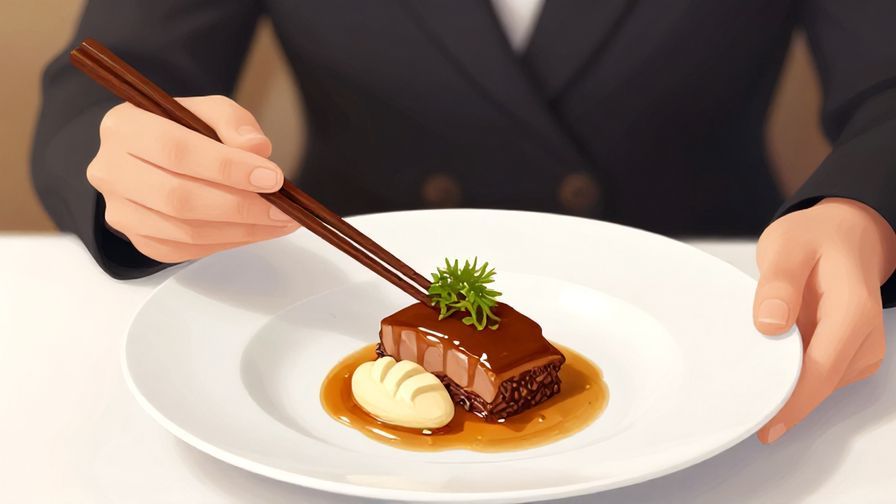
“Zeppin” means “exquisite” or “masterpiece,” a strong compliment.
Adding “desu” keeps it polite and formal.
Use this phrase to express that the dish is outstanding or rare.
It’s a great way to praise high-quality food in a respectful way.
Perfect for special meals or gourmet experiences.
This phrase shows you truly admire the taste.
13. お味がとても良いです。 (Oaji ga totemo yoi desu.) – “The taste is very good.”

“Oaji” is a respectful way to say “taste,” “totemo” means “very,” and “yoi” means “good.”
“Desu” adds formality, making this phrase polite and refined.
It’s perfect for formal dinners or when speaking with elders.
This phrase conveys appreciation without being overly dramatic.
It’s a safe and classy compliment for many situations.
Easy to use and always appropriate.
14. とても満足しました。 (Totemo manzoku shimashita.) – “I am very satisfied.”

This phrase expresses that you are fully satisfied with the meal.
“Manzoku” means “satisfaction,” “shimashita” is the polite past tense of “to do.”
It’s a polite way to show you thoroughly enjoyed the food.
Good for formal or business meals to convey thanks.
It’s broader than just taste but still very positive.
Use it to express overall happiness with the dining experience.
15. 素敵な味ですね。 (Suteki na aji desu ne.) – “It’s a lovely taste, isn’t it?”

“Suteki” means “lovely” or “wonderful,” and “desu ne” invites agreement.
This phrase is polite and creates a friendly atmosphere.
It’s great for complimenting food while encouraging conversation.
Use it in formal or semi-formal settings with friends or colleagues.
It sounds warm and appreciative without being too direct.
An elegant way to share your enjoyment of the taste.
16. 料理がとても美味しくて感動しました。 (Ryouri ga totemo oishikute kandou shimashita.) – “The food was so delicious, I was moved.”

This is a heartfelt and formal way to express deep appreciation for a meal.
“Ryouri” means “cooking” or “food,” “kandou” means “being moved emotionally.”
It’s perfect for showing respect to a chef or host.
It conveys that the taste touched you emotionally.
A beautiful compliment for special occasions.
Use it to express sincere gratitude and admiration.
Part 3: Very Casual / Native-like Expressions
17. まじでうまい! (Majide umai!) – “Seriously tasty!”

“Majide” means “seriously” or “really,” and “umai” means “tasty.”
This phrase is very casual and often used by young people.
It’s great for showing strong excitement in a relaxed setting.
Use it with friends or peers, not in formal situations.
It’s a fun and energetic way to express your delight.
Try it at casual gatherings or food festivals.
18. やばいうまい! (Yabai umai!) – “Crazy tasty!”

“Yabai” means “crazy” or “insane,” combined with “umai” to emphasize tastiness.
This slang phrase is trendy and very informal.
It’s perfect for expressing extreme satisfaction in casual situations.
Use it among close friends to sound natural and enthusiastic.
Great for street food or casual dining experiences.
It’s a phrase that captures youthful energy and spontaneity.
19. これ、めっちゃうまい! (Kore, meccha umai!) – “This is super tasty!”

“Kore” means “this,” and “meccha” is Kansai dialect for “super.”
Combined with “umai,” it forms a very casual and enthusiastic compliment.
It’s widely used and understood, especially among young people.
Perfect for informal chats and social media posts.
It adds a regional flavor to your Japanese.
Try it to sound friendly and approachable.
20. 最高すぎる! (Saikou sugiru!) – “Too amazing!”

“Saikou” means “the best,” and “sugiru” means “too much” or “excessively.”
Together, they create an expression meaning “too amazing.”
It’s highly casual and full of excitement.
Use it when something tastes unbelievably good.
Great for social situations and casual conversations.
It’s a fun way to hype up your food experience.
21. めっちゃヤバい味! (Meccha yabai aji!) – “Super crazy flavor!”

This phrase combines “meccha” (super), “yabai” (crazy), and “aji” (flavor).
It’s an informal, very expressive way to say the flavor is outstanding.
Perfect for sharing your amazement with friends.
It’s slang-heavy, so best for casual use.
Try it when the taste really blows you away.
It’s a playful, fun phrase to add to your vocab.
22. うますぎ! (Umasugi!) – “Too tasty!”

“Umasugi” is “umai” (tasty) plus “sugi” (too much), meaning “too tasty.”
It’s casual and very commonly used among native speakers.
Great for expressing strong approval in a fun way.
Use it with friends or in informal settings.
It’s short, memorable, and very expressive.
Perfect for moments when the food exceeds expectations.
23. バリうま! (Bari uma!) – “Super tasty!” (Kansai slang)

“Bari” is Kansai slang meaning “very” or “super.”
Combined with “uma” (short for “umai”), it’s a casual, regional compliment.
Use this to sound like a Kansai local or just to add flavor to your speech.
It’s informal but widely understood in Japan.
Great for casual dining and friendly chats.
Try it to inject some fun regional flair into your compliments.
24. 最高においしい! (Saikou ni oishii!) – “Incredibly delicious!”

“Saikou ni” means “incredibly” or “extremely,” paired with “oishii” for an enthusiastic compliment.
It sounds a bit more natural and less slangy than just “saikou.”
This phrase works well in many casual and semi-formal contexts.
It expresses that the food is at the top level of deliciousness.
Use it to share your excitement warmly and clearly.
It’s a great phrase to end your list with a bang!
Concluding Thought
Exploring these 24 ways to say “This tastes amazing” in Japanese is not just about language, but about sharing joy and connection through food.
Each phrase reflects a different tone, context, and feeling, giving you the tools to express yourself naturally and warmly.
So next time you’re enjoying a delicious meal, don’t hesitate to sprinkle in some of these phrases—your words will taste just as good as the food!