24 Japanese ways to say “Thank You for the Meal”
Saying “thank you for the meal” in Japanese is more than just politeness – it’s a warm way to show gratitude for the food and company. Whether you’re eating with friends or at a formal dinner, knowing different expressions can help you connect and show appreciation in the perfect tone.
Japanese has many ways to express thanks for a meal, from simple and casual to formal and heartfelt. Each phrase carries a little nuance, so it’s fun to learn which fits best depending on the occasion.
In this list, you’ll discover 24 Japanese phrases to say “thank you for the meal.” Each one includes pronunciation guides and little tips to help you remember and use them naturally.
Whether you’re a beginner or just looking to add some flair to your language skills, these expressions will make your dining experiences even more special.
Plus, learning these phrases can open doors to deeper cultural understanding and make your next meal in Japan (or with Japanese friends) even more enjoyable.
Ready to say “thank you for the meal” like a local? Let’s dive in!
Why It Matters to Say Thanks for the Meal
In Japan, gratitude around food is deeply rooted in culture. Saying “thank you for the meal” before and after eating shows respect for the effort behind the food.
It’s not just about manners—it’s about acknowledging the farmers, cooks, and everyone who made the meal possible. This adds a special connection to the dining experience.
By learning these phrases, you’ll not only be polite but also connect more genuinely with Japanese people.
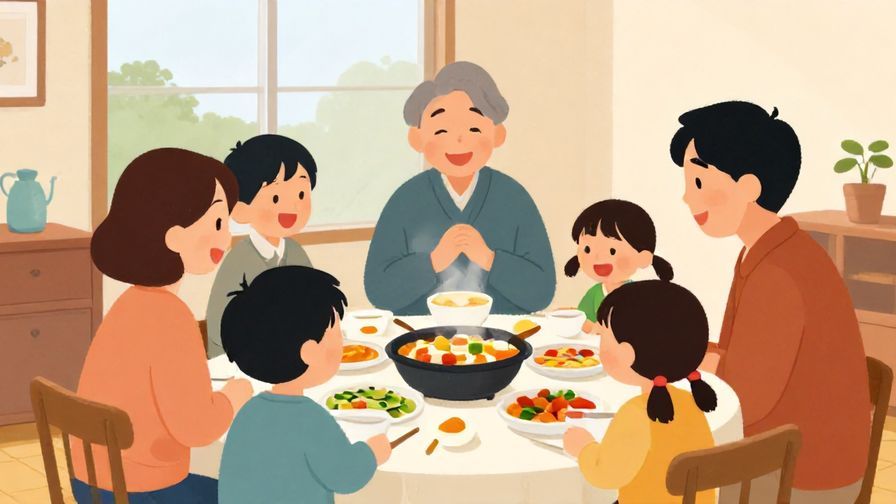
If you want a helpful companion for learning, a good Japanese language learning book can really boost your progress.
Practicing these phrases will make you more comfortable using them naturally in real conversations.
Plus, it’s a fun way to show you care about the culture and the people you share meals with.
Part 1: Casual Suggestions
1. ごちそうさま (Gochisōsama) – “Thank you for the meal” (after eating)

This is the most common way to say “thank you for the meal” after you finish eating. It’s casual but respectful.
“Gochisō” means feast or delicious meal, and “sama” is an honorific suffix adding respect. So, it’s like saying “It was a feast, thank you!”
Perfect to use with friends, family, or even coworkers after lunch.
It’s polite without being too formal, so you’ll hear it everywhere in Japan.
You can also say “ごちそうさまでした (Gochisōsama deshita)” for a slightly more formal touch, but the shorter version works fine in most cases.
Try to say it right after you finish your meal—it’s a nice habit that shows you appreciate the food and effort.
2. いただきます (Itadakimasu) – “I humbly receive” (before eating)

Though technically said before eating, “itadakimasu” is an essential phrase in Japanese dining culture.
It expresses gratitude for the food and all those involved in preparing it. “Itadaku” means “to receive,” and the form adds humility.
Using this phrase shows respect and mindfulness before enjoying your meal.
It’s like saying “thank you” in advance for the delicious food.
Even if you’re eating alone, saying this out loud can make the experience feel more special.
Practice it daily and you’ll feel more connected to your meals and the culture.
3. ごちそうさまです (Gochisōsama desu) – Polite present tense thanks

Use this phrase to express thanks right after a meal in a polite, yet casual way.
The “desu” at the end makes it sound more formal than just “gochisōsama” but still approachable.
It’s great for coworkers or casual acquaintances.
It’s like saying “thank you for the meal” in a polite daily conversation.
Keep it in mind when you want to show appreciation without being overly formal.
It works well when paired with a smile and a slight bow.
4. ごちそうさまでした (Gochisōsama deshita) – Polite past tense thanks

This is a formal way to say “thank you for the meal” after finishing eating.
“Deshita” is the past tense of “desu,” indicating the meal has finished and you’re thanking for it.
Use it in restaurants or with people you want to show respect to.
It’s a safe, polite way to express gratitude without being too casual.
Try to say it clearly and sincerely to leave a good impression.
It’s the phrase you’ll hear from servers and diners alike in Japan.
5. おいしかったです (Oishikatta desu) – “It was delicious”

This one focuses on telling the cook or host that the meal was delicious.
“Oishii” means delicious, and “katta” turns it into past tense. Adding “desu” makes it polite.
It’s a nice compliment that goes beyond just saying thank you.
Perfect to say after “gochisōsama” to show you really enjoyed the food.
Try pairing it with a smile and a nod for extra warmth.
It can be used in both casual and formal situations.
6. 本当にありがとう (Hontō ni arigatō) – “Thank you very much”

For a warm and heartfelt thank you after a meal, “hontō ni arigatō” expresses deep gratitude.
“Hontō ni” means “really” or “truly,” and “arigatō” means “thank you.”
It’s casual but sincere, perfect for close friends or family.
Use it when you want to emphasize your appreciation beyond the usual phrases.
It pairs nicely after “gochisōsama” or “oishikatta desu.”
Saying this can make your thanks feel more personal and genuine.
7. ごちそうさまでした!最高! (Gochisōsama deshita! Saikō!) – “Thanks for the meal! It was awesome!”

If you want to be a bit playful and enthusiastic, this phrase works great.
“Saikō” means “the best” or “awesome,” so you’re really praising the meal.
It’s casual and fun, often used among friends or younger people.
Perfect when you want to show excitement and gratitude at the same time.
It adds personality and energy to your thanks.
Great for informal gatherings and friendly meals.
8. ありがとう、すごく美味しかった! (Arigatō, sugoku oishikatta!) – “Thank you, it was super delicious!”

This phrase combines a simple thank you with a strong compliment on the food.
“Sugoku” means “very” or “super,” adding emphasis to “oishikatta” (was delicious).
It’s casual and warm, great for friends or family.
Use it to make your gratitude stand out and feel heartfelt.
It’s a cheerful way to say thanks and praise the cook.
Perfect for casual meals where you want to sound natural and friendly.
Part 2: Polite & Formal Suggestions
9. 食事を楽しませていただき、ありがとうございました (Shokuji o tanoshimasete itadaki, arigatō gozaimashita) – “Thank you for letting me enjoy the meal”

This is a very polite and formal way to thank someone for a meal.
“Tanoshimasete itadaki” means “allowing me to enjoy,” and “arigatō gozaimashita” is a respectful thank you.
Perfect for business dinners or formal events.
It shows humility and gratitude for both the food and the invitation.
Use it when you want to make a strong positive impression.
It’s a phrase that conveys respect and appreciation elegantly.
10. ご馳走様でございました (Gochisōsama de gozaimashita) – Formal and respectful thanks

This is the most formal version of “thank you for the meal.”
“De gozaimashita” is the very polite past tense form, often used in formal contexts.
Use it in official dinners, ceremonies, or when talking to superiors.
It shows deep respect and gratitude.
Though formal, it’s still commonly understood and appreciated.
Try using this when you want to sound impeccably polite and sincere.
11. お食事、たいへん美味しゅうございました (Oshokuji, taihen oishū gozaimashita) – “The meal was very delicious” (formal)

This phrase is a formal way to compliment the meal’s taste.
“Taihen” means “very” or “greatly,” and “oishū gozaimashita” is the formal past tense of delicious.
It’s perfect for showing respect while praising the food.
Often used in formal dining or traditional settings.
It’s more refined than casual “oishikatta desu.”
Use it to express appreciation with elegance and grace.
12. ご招待いただき誠にありがとうございました (Goshōtai itadaki makoto ni arigatō gozaimashita) – “Thank you very much for your kind invitation”

Though not exclusively about the meal, this phrase thanks the host for inviting you to a meal or event.
It’s highly formal and very polite.
Use it in business or ceremonial occasions.
It shows gratitude beyond just the food, appreciating the entire experience.
It’s a great phrase to have in your formal Japanese toolkit.
Perfect for written thank-you notes or speeches too.
13. 食事の時間を共にできて光栄です (Shokuji no jikan o tomo ni dekite kōei desu) – “It’s an honor to share this meal time”

This phrase expresses honor and gratitude for sharing a meal together.
It’s formal and polite, ideal for special occasions or meetings.
It emphasizes the value of the shared experience, not just the food.
Use it to show deep respect and appreciation.
It’s a thoughtful phrase that stands out in formal settings.
Great for hosts or guests who want to acknowledge the moment.
14. 心より御礼申し上げます (Kokoro yori orei mōshiagemasu) – “I sincerely thank you”

This phrase conveys sincere gratitude from the heart.
Though general, it’s often used in formal thank-you notes after meals or events.
It’s respectful and deeply polite.
Use it to express heartfelt thanks beyond casual conversation.
It’s perfect for written or spoken formal expressions.
Having this phrase ready is a great way to elevate your politeness.
15. おかげさまで美味しい食事をいただきました (Okagesama de oishii shokuji o itadakimashita) – “Thanks to you, I enjoyed a delicious meal”

This phrase thanks the host or cook, acknowledging their effort.
“Okagesama” means “thanks to you,” a humble and polite expression.
It’s formal and shows appreciation for both food and hospitality.
Great for family gatherings, formal dinners, or host appreciation.
It conveys humility and sincere gratitude.
Using this phrase can deepen your connection with Japanese hosts.
16. ご馳走様でございます (Gochisōsama de gozaimasu) – Polite present tense thanks

This is a polite present tense variation of “thank you for the meal.”
“De gozaimasu” is formal and respectful, often used in customer service settings.
Use it when thanking restaurant staff or hosts formally but not overly stiff.
It’s a versatile phrase that sounds polite and genuine.
Perfect for dining out or formal social events.
It’s a good phrase to master for polite daily use.
Part 3: Very Casual / Native-like Expressions
17. ごちそうさま!めっちゃうまかった! (Gochisōsama! Meccha umakatta!) – “Thanks for the meal! It was super tasty!”

This is a very casual and native-like way to say thanks and praise a meal.
“Meccha” is Kansai dialect for “super” or “very,” and “umakatta” means “was tasty.”
Use it with close friends or family for a relaxed, friendly tone.
It adds personality and a bit of regional flavor to your thanks.
Perfect for casual meals or informal gatherings.
It’s a fun expression that shows enthusiasm and warmth.
18. 腹いっぱい!ありがとう! (Hara ippai! Arigatō!) – “I’m full! Thanks!”

This phrase is informal and playful, great among close friends or family.
“Hara ippai” literally means “full belly,” a casual way to say you’re satisfied.
Following it with a simple “arigatō” keeps it friendly and warm.
It’s perfect after a hearty meal shared with people you know well.
It shows gratitude and satisfaction in a lighthearted way.
Try using it to express comfort and thanks naturally.
19. まじでうまかった! (Maji de umakatta!) – “Seriously, it was delicious!”

This phrase is very casual and enthusiastic.
“Maji de” means “seriously” or “really,” adding strong emphasis to “umakatta” (was tasty).
Great among friends or peers to express genuine delight.
It’s slangy, so avoid using it in formal situations.
It helps you sound more like a native speaker in casual contexts.
Use it when you want to hype up the meal and show excitement.
20. ありがとう、最高だった! (Arigatō, saikō datta!) – “Thanks, it was the best!”

A casual yet heartfelt thank you paired with a compliment.
“Saikō datta” means “it was the best,” a strong positive expression.
Perfect for friends, family, or hosts you’re comfortable with.
It’s simple but impactful, showing real appreciation.
Use it to leave a positive, warm impression after meals.
It’s an easy phrase to remember and use naturally.
21. いつもありがとう (Itsumo arigatō) – “Thanks as always”

This phrase shows ongoing appreciation, great for family or close friends.
“Itsumo” means “always,” so you’re thanking someone consistently.
It’s casual and affectionate, perfect for daily meals.
Use it to express gratitude for regular kindness and cooking.
It adds a personal touch that feels warm and genuine.
Great for building strong relationships through language.
22. ごちそうさま、おいしかったよ! (Gochisōsama, oishikatta yo!) – “Thanks for the meal, it was delicious!”

This phrase combines thanks with a compliment in a casual, friendly way.
The “yo” at the end adds emphasis, making it sound natural and conversational.
Use it with friends, family, or people you know well.
It’s a great way to sound warm without being overly formal.
Try it to sound genuinely appreciative and relaxed.
It’s a staple phrase for informal dining gratitude.
23. ありがとう!また作ってね! (Arigatō! Mata tsukutte ne!) – “Thanks! Make it again, okay?”

This playful phrase is great when you want to thank and encourage someone to cook for you again.
“Mata” means “again,” and “tsukutte ne” means “please make (it).”
It’s casual and friendly, perfect among close friends or family.
It shows gratitude and appreciation with a fun twist.
Use it to keep the good vibes going after a delicious meal.
It’s a great phrase to use if you want to sound natural and affectionate.
24. ごちそうさま!幸せ! (Gochisōsama! Shiawase!) – “Thanks for the meal! I’m happy!”

This phrase is simple and heartfelt, expressing thanks and happiness.
“Shiawase” means “happy,” so you’re sharing your joy after eating.
It’s casual and warm, great for friends and family.
It shows your gratitude and positive feelings in one phrase.
Try it when you want to express contentment and thanks naturally.
It’s a lovely phrase to end a meal on a cheerful note.
Concluding Thought
Learning how to say “thank you for the meal” in Japanese opens a window into the culture’s deep respect for food and those who prepare it.
Whether you’re using a casual “gochisōsama” or a formal “gochisōsama de gozaimashita,” your gratitude will surely be appreciated and noticed.
So go ahead, try out these phrases, enjoy your meals, and connect warmly with those around you. Your words will make every dining moment richer and more memorable!