24 Japanese ways to say “So-So”
Ever found yourself in a conversation where you want to say “so-so” but feel like your usual words just don’t cut it? Japanese has plenty of warm, casual, and polite ways to express that middle ground feeling.
Whether you’re chatting with friends or trying to sound just right in a formal setting, knowing different ways to say “so-so” can make your conversations way more natural.
From casual slang to polite phrases, this list covers a wide range to help you express that “meh, not bad, not great” vibe with ease.
Learning these will not only improve your language skills but also connect you more deeply with Japanese culture and daily life.
Plus, it’s fun to play with language and discover all the little nuances that make communication special.
Ready to add some variety to your Japanese? Let’s dive into these 24 great options!
Understanding “So-So” in Japanese
“So-so” in English can mean “okay,” “average,” or “not great but not bad.” In Japanese, this feeling is expressed in many ways depending on context, tone, and politeness.
Some phrases are casual and perfect for chatting with friends, while others are polite and useful in business or formal situations.
Getting familiar with these variations will help you sound natural and choose the right phrase for any moment.
Sometimes, a solid beginner phrasebook can give you a perfect starting point to discover these expressions in context.
Keep your ears open and try using these phrases step by step; it’s easier than it looks!
Confidence comes with practice, and these expressions are great tools to have in your Japanese toolkit.
Part 1: Casual Suggestions
1. まあまあ (Mā mā) – “So-so, okay.”

One of the most common casual ways to say “so-so” is まあまあ (Mā mā).
It literally means “so-so” or “not bad, but not great.” Easy to say and perfect for everyday conversations.
You can use it when someone asks how you’re doing or how something was.
Its relaxed tone makes it a go-to for beginners.
It’s often used alone as a response, like “How was the movie?” – “まあまあ.”
Try mixing it into your chats for a natural vibe!
2. 普通 (Futsū) – “Normal, average.”

普通 (Futsū) means “normal” or “average.”
It’s a straightforward word used to describe something as neither good nor bad, just regular.
Great for describing things like food, weather, or experiences.
Keep in mind, it’s a bit more formal than まあまあ but still casual.
Try saying “味は普通です” (Aji wa futsū desu) to mean “The taste is so-so.”
It’s a simple, useful word for everyday chats.
3. そんな感じ (Sonna kanji) – “Something like that / So-so.”
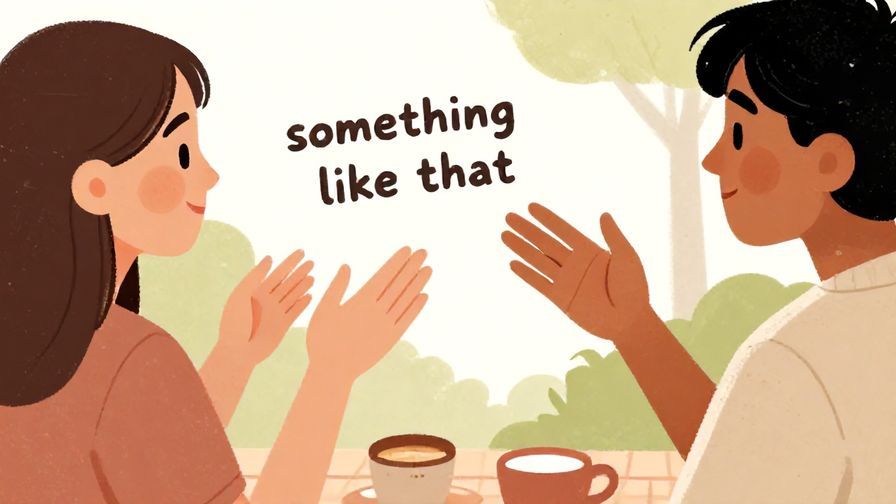
そんな感じ (Sonna kanji) literally means “that kind of feeling,” but is often used like “so-so.”
It’s casual and implies something is okay, but not exceptional.
It’s often used when you want to be a little vague or non-committal.
Great for casual conversations when you don’t want to be too direct.
Example: “調子はどう?” “そんな感じ。” (Chōshi wa dō? Sonna kanji.)
It’s a handy phrase for everyday chit-chat.
4. 微妙 (Bimyō) – “So-so, iffy.”

微妙 (Bimyō) means “delicate” or “iffy,” often used to say “so-so” but with a slightly negative shade.
It’s great when something is not quite good, but you don’t want to be too harsh.
Use it carefully as it can sometimes imply dissatisfaction.
Example: “この味は微妙だね” (Kono aji wa bimyō da ne) – “This taste is so-so (not great).”
It’s a nuanced word that adds flavor to your expression.
Use it if you want to sound more natural and native-like.
5. まあまあかな (Mā mā kana) – “I guess it’s so-so.”

Adding かな (kana) softens まあまあ and turns it into “I guess it’s so-so.”
It’s a casual way to show uncertainty or mild approval.
Great for conversations where you want to sound a bit unsure or modest.
Try it with friends to express a balanced opinion gently.
Example: “映画はまあまあかな。” (Eiga wa mā mā kana.)
It’s a friendly, approachable phrase.
6. どうでもいい (Dō demo ii) – “Whatever / So-so.”

どうでもいい (Dō demo ii) literally means “it doesn’t matter.”
It’s often used to express indifference, similar to “so-so” or “whatever.”
Be mindful, it can sound dismissive if used incorrectly.
Great for casual settings when you really don’t care much about the outcome.
Example: “どこに行く?どうでもいいよ。” (Doko ni iku? Dō demo ii yo.)
Use it sparingly and only with close friends.
7. まあまあ良い (Mā mā yoi) – “Pretty good, so-so.”

まあまあ良い (Mā mā yoi) means “pretty good” or “so-so.”
This phrase leans a bit more positive than simple まあまあ.
It’s useful when you want to show mild approval without exaggeration.
Example: “このカフェはまあまあ良いね。” (Kono kafe wa mā mā yoi ne.)
Try it when you want to sound upbeat but realistic.
It’s a nice middle ground phrase.
8. ぼちぼち (Bochi bochi) – “So-so, steadily.”
ぼちぼち (Bochi bochi) is a casual phrase meaning “so-so,” “slowly but surely,” or “fairly okay.”
It’s often used to say things are going okay or just fine.
Great for describing progress or feelings that are steady but not exciting.
Example: “仕事はぼちぼちだよ。” (Shigoto wa bochi bochi da yo.)
It’s a friendly, common phrase in everyday life.
Perfect for showing balanced feelings about effort or progress.
Part 2: Polite & Formal Suggestions
9. まあまあです (Mā mā desu) – “It’s so-so.”

Adding です (desu) makes まあまあ polite and suitable for formal situations.
It’s a polite way to say “so-so” without sounding rude or overly casual.
Use it in conversations with co-workers or acquaintances.
Example: “お元気ですか?” “まあまあです。” (Ogenki desu ka? Mā mā desu.)
This phrase keeps things respectful while expressing a neutral opinion.
It’s a must-know for polite conversation.
10. 普通です (Futsū desu) – “It’s average.”

普通です (Futsū desu) is the polite form of 普通 (futsū), meaning “average.”
It’s perfect for polite conversations to describe something as “so-so.”
Use it in interviews, meetings, or when you want to sound neutral but respectful.
Example: “お味はいかがですか?” “普通です。” (Oaji wa ikaga desu ka? Futsū desu.)
This phrase is simple and safe.
Great for formal or semi-formal settings.
11. まあまあでしょうか (Mā mā deshō ka) – “I guess it’s so-so.”

This phrase adds でしょうか (deshō ka), softening the statement into a polite question or guess.
It’s a humble, polite way to say “so-so” and invite agreement or discussion.
Great in customer service or polite chats.
Example: “味はまあまあでしょうか?” (Aji wa mā mā deshō ka?)
Use it to sound considerate and gentle.
It’s a useful phrase for diplomatic communication.
12. ぼちぼちです (Bochi bochi desu) – “It’s going so-so.”

ぼちぼちです (Bochi bochi desu) is the polite version of ぼちぼち.
It expresses steady, moderate progress or feelings politely.
Perfect for formal emails or polite conversation.
Example: “仕事はぼちぼちです。” (Shigoto wa bochi bochi desu.)
It’s understated and professional.
Great for neutral updates.
13. まあまあ良いと思います (Mā mā yoi to omoimasu) – “I think it’s so-so good.”

This phrase combines まあまあ良い with a polite opinion phrase, meaning “I think it’s so-so good.”
It’s polite and softens your judgment.
Great for giving feedback or sharing impressions carefully.
Example: “このプランはまあまあ良いと思います。” (Kono puran wa mā mā yoi to omoimasu.)
It’s respectful and clear.
Perfect for work or formal discussions.
14. 微妙です (Bimyō desu) – “It’s so-so / not great.”

The polite form of 微妙 (bimyō) is 微妙です.
It conveys a subtle negative “so-so” meaning politely.
Useful when you want to express doubt or mild dissatisfaction without offense.
Example: “結果は微妙です。” (Kekka wa bimyō desu.)
Use this carefully in sensitive situations.
It adds nuance to your expression.
15. まあまあだと思います (Mā mā da to omoimasu) – “I think it’s so-so.”

This phrase politely shares your “so-so” opinion with と思います (to omoimasu = I think).
It’s humble and good for conversations requiring tact.
Example: “映画はまあまあだと思います。” (Eiga wa mā mā da to omoimasu.)
It sounds natural and respectful.
Good for polite discussions with friends or colleagues.
Try this to soften your feedback.
16. 悪くないです (Warukunai desu) – “It’s not bad / so-so.”

悪くないです (Warukunai desu) means “It’s not bad,” which can imply “so-so.”
It’s a polite and positive way to express mild approval.
Try it when you want to sound optimistic but realistic.
Example: “味は悪くないです。” (Aji wa warukunai desu.)
It’s encouraging and polite.
Great for positive reinforcement with a soft tone.
Part 3: Very Casual / Native-like Expressions
17. まあね (Mā ne) – “Yeah, so-so.”

まあね (Mā ne) is a super casual phrase meaning “yeah, so-so” or “I guess so.”
It’s often used between close friends.
It sounds natural and effortless.
Example: “調子どう?” “まあね。” (Chōshi dō? Mā ne.)
Use it to sound like a native speaker in relaxed chats.
It’s short and sweet.
18. いまいち (Imaichi) – “Not quite there / so-so.”

いまいち (Imaichi) means “not quite,” “so-so,” or “could be better.”
It’s common slang to express mild dissatisfaction.
Great for honest but gentle critique.
Example: “この服はいまいちだね。” (Kono fuku wa imaichi da ne.)
It’s very native and casual.
Use it with friends or in informal contexts.
19. どうかな (Dō kana) – “I wonder / so-so.”

どうかな (Dō kana) is a casual way to say “I wonder” or “so-so.”
It’s used when you’re uncertain or mildly hesitant.
It sounds friendly and natural.
Example: “この映画はどうかな?” (Kono eiga wa dō kana?)
Great for expressing doubt casually.
It invites conversation.
20. まあまあかなあ (Mā mā kanaa) – “I guess it’s so-so (drawn out).”

This is an extended, casual version of まあまあかな, adding emphasis and a laid-back feel.
It’s perfect for informal chats when you want to sound relaxed.
Example: “今日の天気はまあまあかなあ。” (Kyō no tenki wa mā mā kanaa.)
It’s playful and natural.
Try it with close friends to sound native.
It adds personality to your speech.
21. ぼちぼちかな (Bochi bochi kana) – “It’s so-so, I guess.”

ぼちぼちかな softens ぼちぼち with かな, adding uncertainty or modesty.
It’s casual and friendly.
Example: “調子はぼちぼちかな。” (Chōshi wa bochi bochi kana.)
Great for casual self-assessment.
It’s a nice relaxed phrase.
Used often in everyday conversations.
22. まあまあだよね (Mā mā da yo ne) – “It’s so-so, right?”

This phrase adds だよね for agreement, making it “It’s so-so, right?”
It’s very casual and used to confirm feelings.
Example: “このゲームはまあまあだよね。” (Kono gēmu wa mā mā da yo ne.)
It’s friendly and inclusive.
Use it when you want to bond over shared opinions.
Perfect for casual hangouts.
23. 悪くないかな (Warukunai kana) – “Not bad, I guess.”

悪くないかな adds かな for a casual, modest “not bad” or “so-so.”
It’s humble and casual.
Example: “この料理は悪くないかな。” (Kono ryōri wa warukunai kana.)
Great for casual compliments or opinions.
It softens your statement.
Use it to sound polite but relaxed.
24. まあまあいいんじゃない? (Mā mā iin ja nai?) – “It’s kind of so-so, isn’t it?”

This phrase adds んじゃない? to まあまあいい, making it a casual “It’s kind of so-so, isn’t it?”
It’s perfect for informal, friendly conversations.
Example: “この映画はまあまあいいんじゃない?” (Kono eiga wa mā mā iin janai?)
It’s a laid-back way to share your opinion.
Use it to keep conversations light and fun.
A great phrase to sound like a native speaker.
Concluding Thought
Exploring all these ways to say “so-so” in Japanese shows just how rich and expressive the language is, even for simple feelings.
By mixing casual, polite, and native-like phrases, you can adjust your tone perfectly to any situation and make your conversations more natural and fun.
Keep practicing these expressions, and soon enough, you’ll feel confident expressing all the little nuances that make language so vibrant. Ganbatte!