24 Japanese ways to say “See You Tomorrow”
Parting ways for the day often brings a warm, hopeful feeling of “See you tomorrow.” In Japanese, there are many ways to express this sentiment, each with its own nuance and charm.
Whether you’re chatting with friends or wrapping up a formal meeting, knowing different ways to say “See you tomorrow” can enrich your conversations and connect you more deeply to the culture.
From casual to polite, and from native-like expressions to playful variants, this list will introduce you to 24 authentic Japanese phrases to say goodbye with a promise of tomorrow.
Each phrase includes pronunciation guides and simple explanations so you can confidently use them in real-life situations, making your Japanese sound more natural and heartfelt.
Learning these expressions also helps you understand the cultural layers behind everyday language, like respect, friendliness, and familiarity.
Ready? Let’s dive into the many warm ways to say “See you tomorrow” in Japanese and make your farewells memorable!
Common Casual Ways to Say “See You Tomorrow”
Casual phrases are perfect for friends, classmates, or colleagues you see regularly. They’re easy to use and sound friendly without being too formal.
These expressions will help you sound natural and approachable in everyday conversations.
Try incorporating them when you want to keep things light and informal.

Sometimes, a great beginner phrasebook can help you practice these expressions step by step.
Using casual phrases first will build your confidence before moving into more formal language.
Try repeating each phrase aloud and using it the next time you meet a Japanese friend!
Part 1: Casual Suggestions
1. また明日ね (Mata ashita ne) – “See you tomorrow, okay?”

This is the most common casual way to say “See you tomorrow” with a friendly tone.
また (mata) means “again,” 明日 (ashita) means “tomorrow,” and ね (ne) adds a soft confirmation, like “okay?”. It’s perfect for friends and family.
Adding ね makes it sound warm and inviting, like you’re excited to meet again.
It’s a phrase you’ll hear often in daily life.
You can also say また明日 (Mata ashita) for a slightly simpler version without the soft ending.
Feel free to use this anytime to sound natural and friendly!
2. 明日ね (Ashita ne) – “Tomorrow, okay?”

A shortened, casual way to say “See you tomorrow.”
Just 明日 (ashita) for “tomorrow” and ね (ne) for soft agreement or confirmation.
This feels very natural and informal, suitable for close friends or coworkers.
It’s quick and easy to say, great for casual goodbyes.
Watch out to use it only with people you’re comfortable with, as it’s quite informal.
It’s like saying “Tomorrow, okay?” with a friendly smile.
3. また明日! (Mata ashita!) – “See you tomorrow!”

A lively and straightforward way to say “See you tomorrow.”
Adding the exclamation makes it sound cheerful and enthusiastic.
Perfect to use when you want to express excitement about meeting again.
It’s a phrase full of positive energy.
It’s common among students and colleagues wrapping up their day.
Try it when you’re in a good mood and want to leave a happy impression!
4. また明日な (Mata ashita na) – “See you tomorrow, man.”

This phrase is casual and often used between male friends.
The な (na) ending is a masculine, informal sentence-ending particle that adds a friendly tone.
It’s like saying “See you tomorrow, dude” in English.
Great for close friends or teammates in sports.
Be careful not to use this in formal settings or with people you don’t know well.
It’s a fun phrase that shows camaraderie and closeness.
5. また明日だよ (Mata ashita da yo) – “That’s tomorrow, see you!”

This version uses だよ (da yo) to add emphasis and friendliness.
It feels warm and slightly playful, like reminding someone “It’s tomorrow, you know!”
It’s great for friends or classmates.
Adding だよ makes it more expressive and engaging.
You can use this to make your goodbyes a little more memorable.
Try it to sound more approachable and lively.
6. 明日またね (Ashita mata ne) – “Tomorrow again, okay?”

This flips the word order but keeps the same meaning as また明日ね.
The emphasis is on “tomorrow” first, then “again” and the soft confirmation ね.
It sounds natural and friendly and is easy to remember.
Good for casual conversations and texting.
You might hear this phrase in informal chats or messages.
It’s a simple way to express the same warm farewell.
7. 明日もよろしくね (Ashita mo yoroshiku ne) – “Looking forward to tomorrow too, okay?”

This phrase adds a bit more meaning: よろしく (yoroshiku) means “please treat me well” or “looking forward to it.”
明日も (ashita mo) means “tomorrow as well.”
It’s friendly and implies you want to continue a good relationship tomorrow.
Great for coworkers or classmates you’ll see again.
The ね softens it and makes it sound warm and approachable.
Use this to express positive anticipation for tomorrow.
8. じゃ、また明日! (Ja, mata ashita!) – “Well then, see you tomorrow!”

The じゃ (ja) is a casual “well then” or “so,” often used to close a conversation.
Adding じゃ before また明日 gives a natural flow to your goodbye.
This phrase feels like “Alright, see you tomorrow!”
It’s commonly used among friends and coworkers.
Using じゃ makes your farewell sound smooth and conversational.
Try it to sound like a native speaker wrapping up a chat.
Part 2: Polite & Formal Suggestions
9. また明日ございます (Mata ashita gozaimasu) – “See you tomorrow (very polite).”
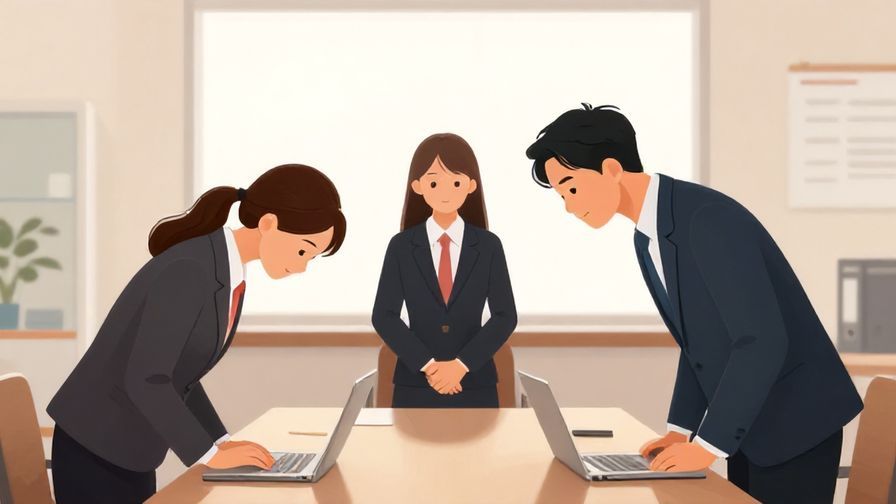
This is a very polite way to say “See you tomorrow,” often used in business or formal settings.
ございます (gozaimasu) is an honorific verb that adds respect.
It’s suitable when speaking to superiors or clients.
Use this to show professionalism and courtesy.
It’s less common in casual conversation but important in formal contexts.
Perfect for polite emails or meetings.
10. 明日またお会いしましょう (Ashita mata o-ai shimashou) – “Let’s meet again tomorrow.”

お会いしましょう (o-ai shimashou) is the polite form of “let’s meet.”
This phrase formally invites a meeting tomorrow.
It’s appropriate for professional or respectful contexts.
Good for coworkers, clients, or formal acquaintances.
It shows intent to meet again politely and clearly.
Use it in emails, phone calls, or formal conversations.
11. また明日お目にかかります (Mata ashita ome ni kakarimasu) – “I will see you tomorrow (humble).”
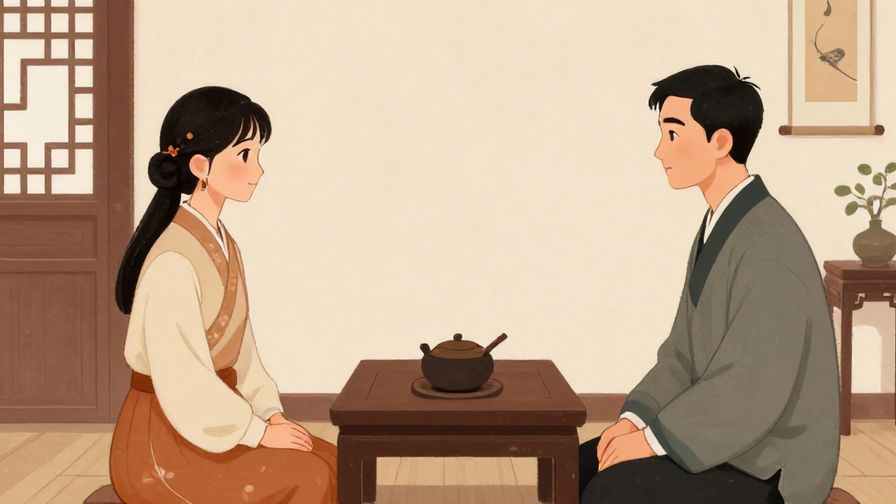
お目にかかります (ome ni kakarimasu) is a humble way to say “to meet,” used when talking about yourself.
This phrase is very respectful and polite.
It’s suitable when speaking to someone of higher status.
Use this carefully to sound courteous and humble.
It reflects good manners and cultural awareness.
Perfect for formal letters or business meetings.
12. 明日またお越しくださいませ (Ashita mata okoshi kudasaimase) – “Please come again tomorrow.”
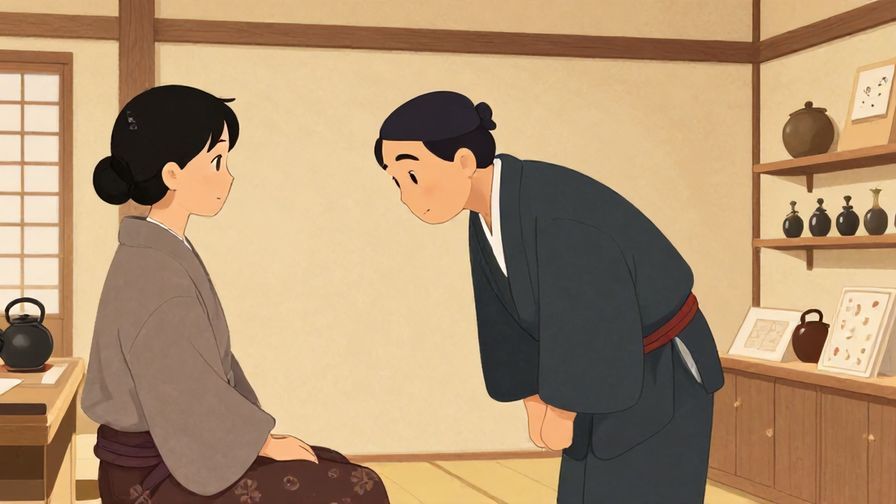
This polite phrase is often used in customer service or hospitality.
お越しくださいませ (okoshi kudasaimase) means “please come,” in a very respectful form.
It’s polite and welcoming to guests or clients.
Great for shops, restaurants, or service industries.
This phrase encourages a return visit tomorrow with grace.
Use it to sound professionally hospitable.
13. 明日またよろしくお願いします (Ashita mata yoroshiku onegaishimasu) – “Thank you in advance for tomorrow.”

This expression combines a polite request with anticipation for tomorrow.
よろしくお願いします (yoroshiku onegaishimasu) means “please treat me well” or “thank you in advance.”
It’s commonly used in business or formal contexts.
Shows respect and gratitude toward the other person.
Perfect for meetings or collaborations planned for the next day.
Using this phrase helps maintain positive relationships.
14. 明日もお元気で (Ashita mo ogenki de) – “Stay well until tomorrow.”

お元気で (ogenki de) means “stay well” or “take care.”
Adding 明日も (ashita mo) means “until tomorrow, too.”
This phrase is polite and caring, wishing good health until you meet again.
It’s suitable for both formal and semi-formal situations.
Use this to show genuine concern and warmth.
It’s a thoughtful way to say goodbye.
15. 明日またお目にかかれますことを楽しみにしています (Ashita mata ome ni kakaremasu koto o tanoshimi ni shiteimasu) – “I am looking forward to seeing you tomorrow.”

This is a very polite and formal phrase expressing anticipation.
楽しみにしています (tanoshimi ni shiteimasu) means “I am looking forward to.”
It’s often used in professional or respectful contexts.
This phrase shows eagerness and respect simultaneously.
Perfect for emails or formal conversations.
Use it to leave a positive, lasting impression.
16. 明日もよろしくお願いいたします (Ashita mo yoroshiku onegai itashimasu) – “Thank you in advance again for tomorrow (very polite).”

This is a very humble and polite version of よろしくお願いします.
It’s commonly used in high-level business contexts.
It conveys deep respect and gratitude.
Use this when communicating with clients or superiors.
It helps maintain strong professional relationships.
Perfect for formal emails or meetings.
Part 3: Very Casual / Native-like Expressions
17. 明日な (Ashita na) – “Tomorrow, yeah?”

This phrase is very casual and often used among close friends.
The な (na) adds a masculine, informal tone.
It sounds like “Tomorrow, huh?” or “See ya tomorrow.”
Great for relaxed, native-like speech.
Avoid using with strangers or formal settings.
It shows close friendship and casual bonding.
18. 明日じゃん (Ashita jan) – “It’s tomorrow, duh!”
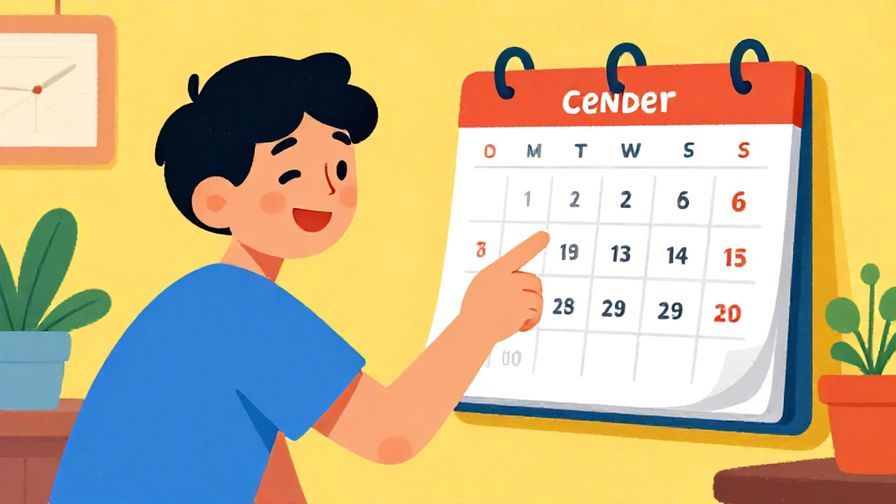
じゃん (jan) is a casual sentence-ending particle that adds emphasis or obviousness.
This phrase feels playful and relaxed, like reminding someone “Hey, it’s tomorrow!”
Used mostly by young people or close friends.
It’s very informal and fun.
Great for texting or casual speech.
Helps you sound more native and expressive.
19. 明日なー (Ashita naa) – “Tomorrow, huh…”
なー (naa) is a drawn-out version of な, showing a more reflective or casual tone.
This phrase can convey a chill or thoughtful vibe.
Used among friends to soften the statement.
It’s casual but with a bit of emotion.
Perfect for informal conversations.
Shows friendliness with a hint of personality.
20. 明日またねー (Ashita mata nee) – “See you tomorrow, bye!”

The ねー (nee) is an extended ね for a more playful and affectionate tone.
This phrase sounds very warm and approachable.
Great for friends and family farewells.
It adds softness and friendliness to your goodbye.
Try it in casual chats or lively goodbyes.
It helps create a cozy, familiar feeling.
21. 明日な! (Ashita na!) – “Tomorrow, yeah!”

A short, punchy way to say “See you tomorrow,” with a friendly masculine tone.
Perfect for close male friends or teammates.
It’s informal, energetic, and easy to say.
Avoid using it in formal or mixed company.
It’s like a casual “See ya!”
Use it to sound natural and lively.
22. 明日っすね (Ashita ssu ne) – “It’s tomorrow, right?” (very casual)

っす (ssu) is a very casual form of です (desu), used mostly by young men.
This phrase sounds laid-back and native-like.
It’s perfect for informal talk with close friends.
It’s not appropriate in formal situations.
It adds a friendly and easygoing vibe.
Try it to practice natural casual Japanese.
23. 明日ってば (Ashita tte ba) – “I’m telling you, it’s tomorrow!”

ってば (tte ba) is a casual particle used to emphasize or insist politely.
This phrase shows playful insistence about the day.
It’s great for teasing or friendly reminders.
Used mostly among close friends or siblings.
It adds personality and humor to your speech.
Use it to sound more expressive and natural.
24. 明日どうする? (Ashita dousuru?) – “What are you doing tomorrow?” (implying “see you”)

This phrase is a casual way to initiate the idea of meeting tomorrow.
どうする? (dousuru?) means “what will you do?”
It’s a natural way to imply “See you tomorrow?” without directly saying it.
Perfect for making plans or checking availability.
It sounds friendly and spontaneous.
Use it to start a conversation about tomorrow’s meet-up.
Concluding Thought
Exploring these 24 ways to say “See you tomorrow” in Japanese shows just how rich and varied everyday expressions can be.
From casual chats with friends to respectful business farewells, each phrase carries its own unique warmth and cultural meaning.
Keep practicing these expressions in your daily conversations, and you’ll not only improve your language skills but also deepen your connection with Japanese speakers and culture. See you tomorrow!