24 Japanese ways to say “See You Again”
Saying goodbye doesn’t always mean forever. In Japanese, there are many warm and varied ways to say “See you again.”
Whether you’re chatting with friends or speaking more formally, these expressions add a special touch to your farewells.
Learning these phrases can deepen your connection and show your care when parting ways.
From casual to polite, and even native-like expressions, this list covers it all in an easy and enjoyable way.
Mastering these will make your goodbyes feel like promises to meet again soon.
Let’s dive into 24 charming ways to say “See you again” in Japanese!
Essential Tips for Using These Phrases
Before we jump into the list, it’s helpful to know when and how to use different types of “see you again” phrases.
Some expressions suit casual chats with friends, while others fit work or formal situations. Context is key!
Mixing these phrases naturally can make your Japanese feel more fluent and friendly.
Sometimes, using a great beginner phrasebook can give you a perfect starting point for a cohesive understanding.
Remember, practice makes perfect, so try to use these phrases in real conversations.
Don’t stress about perfect pronunciation—your effort will shine through!
Part 1: Casual Suggestions
1. またね (Mata ne) – “See you later.”

One of the most common casual ways to say “See you again” is またね (Mata ne).
また (Mata) means “again,” and ね (ne) adds a friendly, soft tone, like “right?” or “okay?”
This phrase is perfect for friends or peers when parting ways briefly.
It’s quick, warm, and very natural in everyday use.
You can also say またねー (Mata ne~) with a drawn-out sound for extra friendliness.
Try using またね after hanging out with friends or ending a casual chat!
2. また明日 (Mata ashita) – “See you tomorrow.”

This phrase is used when you expect to see someone the very next day.
また (Mata) means “again,” and 明日 (Ashita) means “tomorrow.”
It’s a clear, friendly way to say “See you tomorrow!”
Perfect for classmates, coworkers, or friends you meet daily.
Don’t confuse it with また今度 (Mata kondo) which means “See you next time.”
Use また明日 to keep plans or just add warmth to your daily goodbyes.
3. また今度 (Mata kondo) – “See you next time.”

また今度 (Mata kondo) literally means “again next time.”
今度 (Kondo) means “next time,” so this is great when you don’t have a fixed plan.
It’s casual but polite enough for acquaintances or casual business interactions.
It carries a hopeful tone of meeting again without pressure.
Similar phrases include またね and また会いましょう (Mata aimashou, “Let’s meet again”).
Use また今度 when you want to sound friendly but a bit more open-ended.
4. バイバイ (Baibai) – “Bye-bye.”

バイバイ (Baibai) is the Japanese version of “Bye-bye.”
It’s very casual and informal, used among friends and young people.
It’s playful and light, perfect for quick goodbyes.
Because it’s borrowed from English, it’s easy to remember and say!
Don’t use バイバイ in formal situations—stick to more respectful phrases there.
Try it with friends or kids to sound cheerful and friendly!
5. じゃあね (Jaa ne) – “See ya.”
じゃあね (Jaa ne) is another casual “See you” phrase.
じゃあ (Jaa) means “well then” or “so,” combined with ね (ne) for a soft ending.
It’s like saying “See ya” or “Okay, bye!” in English.
It’s simple, friendly, and common among friends.
Don’t confuse it with じゃあまたね (Jaa mata ne), which adds “again” for “See you later.”
Use じゃあね when you want to sound relaxed and informal.
6. またねー (Mata ne~) – “See you later~” (extended)
This is a playful version of またね, with the trailing “ねー” sound.
It’s used to sound extra friendly and warm.
Great for close friends or family when saying goodbye.
It softens the farewell and makes it feel like “See you soon, for sure!”
Adding the “ー” sound stretches the tone, making it more casual and affectionate.
Try it out to add a cute, personal touch to your farewells.
7. じゃあ、また (Jaa, mata) – “Well then, see you again.”
じゃあ、また (Jaa, mata) is a casual way to say “See you again.”
It combines じゃあ (well then) with また (again), making it simple and friendly.
This phrase works well in informal settings, like after a meetup.
It’s a nice way to end a conversation with warmth.
You can make it more formal by saying じゃあ、またね (Jaa, mata ne).
Use it when you want to sound natural and approachable.
8. また後でね (Mata ato de ne) – “See you later.”
また後でね (Mata ato de ne) means “See you later.”
後で (Ato de) means “later,” so it’s perfect if you plan to meet again soon.
The ね (ne) adds friendliness and softness to the phrase.
It’s casual but polite enough for coworkers or classmates.
Useful when you expect to reconnect within the same day or evening.
Try this when you want to sound warm but still casual.
Part 2: Polite & Formal Suggestions
9. またお会いしましょう (Mata o-ai shimashou) – “Let’s meet again.”

またお会いしましょう (Mata o-ai shimashou) is a polite way to say “Let’s meet again.”
お会いする (o-ai suru) is the honorific form of “to meet,” and しましょう (shimashou) means “let’s.”
This phrase is perfect for business or formal social events.
It shows respect and a sincere wish to meet again.
You might hear this at farewells during meetings or conferences.
Use it when you want to leave a professional, courteous impression.
10. またお目にかかりましょう (Mata o-me ni kakarimashou) – “I hope to see you again.”
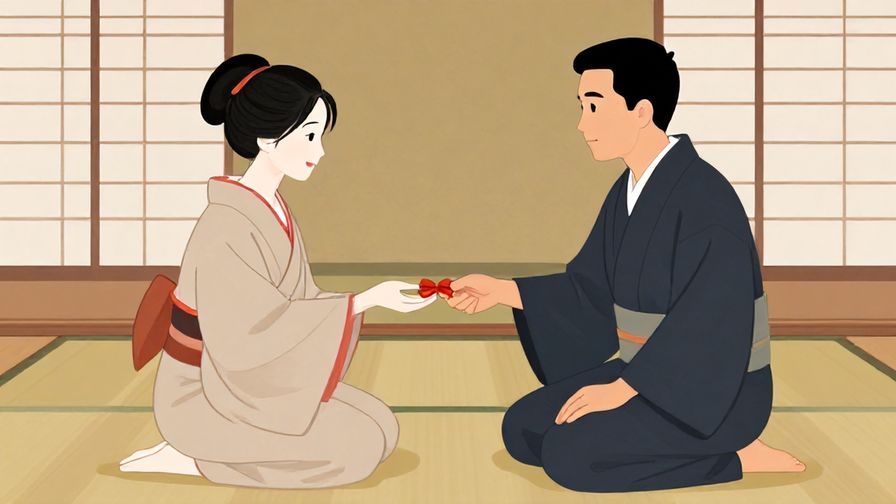
This is an even more formal way to say “I hope to see you again.”
お目にかかる (o-me ni kakaru) is a humble expression for “meet,” used respectfully.
It’s common in very polite business or social settings.
It shows humility and respect to the other person.
Perfect for letters, speeches, or formal farewells.
Use this when you want to sound very professional and courteous.
11. またお越しください (Mata okoshi kudasai) – “Please come again.”
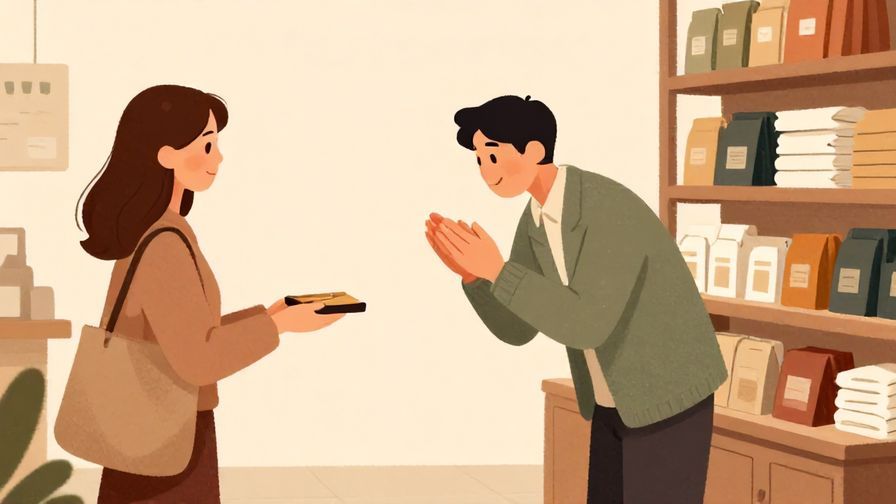
またお越しください (Mata okoshi kudasai) means “Please come again.”
It’s often used by shopkeepers or hosts to invite customers back.
お越し (okoshi) is a polite way to say “coming,” and ください (kudasai) is “please.”
This phrase is courteous and welcoming.
It’s great to know if you work in hospitality or retail.
Use it to sound polite and inviting when seeing someone off.
12. またお話ししましょう (Mata ohanashi shimashou) – “Let’s talk again.”

またお話ししましょう (Mata ohanashi shimashou) means “Let’s talk again.”
It’s polite and friendly, perfect for both business and casual contexts.
お話し (ohanashi) means “talk” or “conversation.”
It expresses a desire to continue the relationship through chatting again.
Use it when you want to sound warm but professional.
Great for ending meetings or phone calls on a positive note.
13. 失礼します。また (Shitsurei shimasu. Mata) – “Excuse me, see you again.”
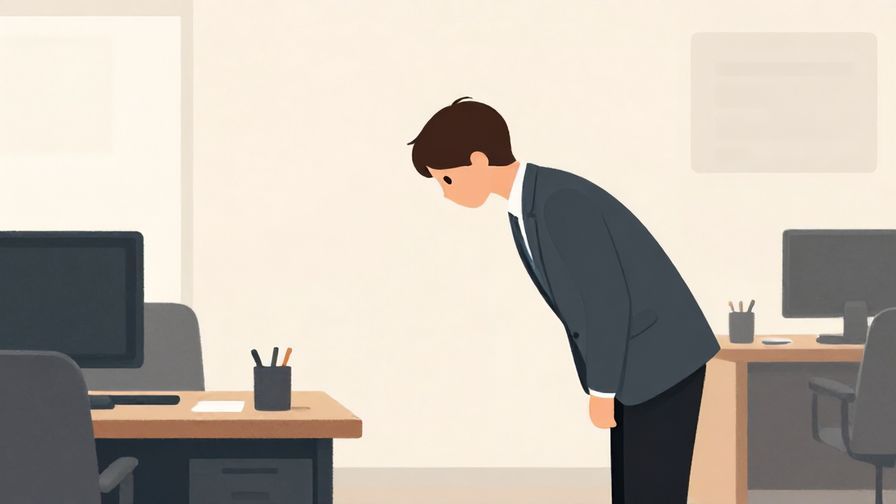
失礼します (Shitsurei shimasu) is a polite “Excuse me” or “Pardon me.”
Adding また (Mata) means “again,” so together it politely says goodbye.
This is used in formal or business settings when leaving.
It’s respectful and shows good manners.
Use this phrase to politely excuse yourself and hint you’ll meet again.
It’s a great phrase to sound professional and considerate.
14. それでは、また (Sore dewa, mata) – “Well then, see you again.”

それでは (Sore dewa) means “Well then” or “In that case.”
Adding また (Mata) makes it “Well then, see you again.”
This phrase is polite but still natural in formal conversations.
It’s often used to politely end meetings or calls.
It carries a hopeful, positive tone.
Use it when you want to sound courteous and natural.
15. ごきげんよう。また (Gokigenyou. Mata) – “Farewell, see you again.”
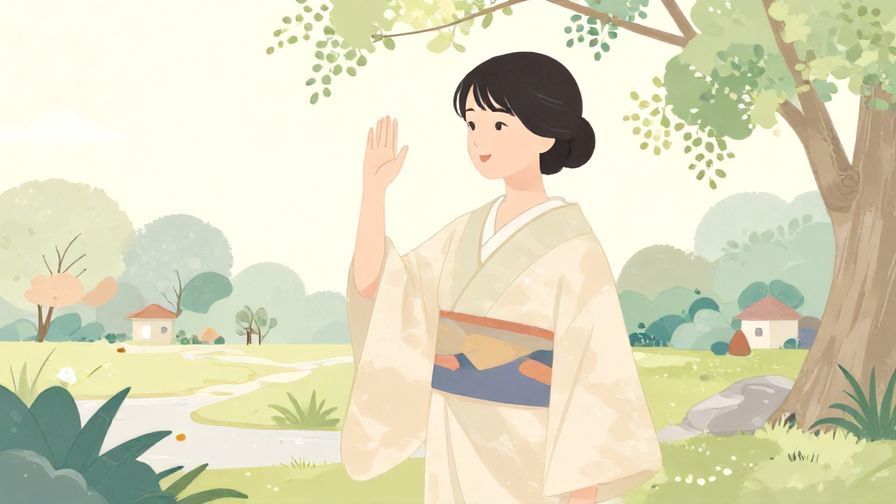
ごきげんよう (Gokigenyou) is a very polite and somewhat old-fashioned “Farewell.”
Adding また (Mata) makes it “Farewell, see you again.”
This is rarely used in casual speech today but still heard in formal or elegant settings.
It’s good to recognize, especially if watching period dramas or formal events.
Use it sparingly to sound very refined or poetic.
It adds a dramatic flair to your goodbyes.
16. お元気で。また (Ogenki de. Mata) – “Take care, see you again.”
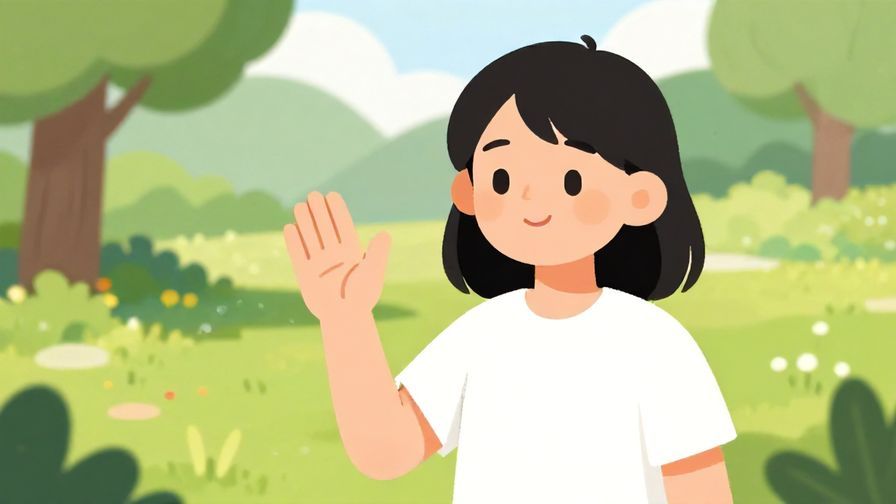
お元気で (Ogenki de) means “Take care” or “Be well.”
Adding また (Mata) implies “See you again.”
This phrase is polite and warm, used to express care when parting.
It fits both formal and semi-formal situations.
Use it when you want to show kindness alongside your goodbye.
It’s a lovely way to wish someone health and future meetings.
Part 3: Very Casual / Native-like Expressions
17. じゃね (Ja ne) – “See ya.”

じゃね (Ja ne) is a clipped, casual form of じゃあね.
It’s often used by young people in casual conversations.
It’s quick and friendly, equivalent to “See ya” or “Later.”
Perfect for texting or quick in-person goodbyes.
Don’t use this with strangers or in formal contexts.
Try it with close friends to sound natural and relaxed.
18. またな (Mata na) – “See ya” (very casual, masculine)

またな (Mata na) is a very casual “See you again,” often used by men.
な (na) adds a masculine, rougher tone.
It’s great for close male friends or informal situations.
Not suitable for formal or mixed company.
Use it to sound cool and laid-back among peers.
Be mindful of the tone so it fits your relationship.
19. またなー (Mata naa) – “See yaa” (casual with emphasis)

This is an extended version of またな, adding a drawn-out sound.
It’s even more casual and playful.
Used among close friends to sound extra friendly and fun.
Good for texting or casual in-person farewells.
Perfect for a chill, native-like vibe.
Try it when you want to add warmth and personality.
20. またねーっ (Mata nee) – “See youuu” (extra casual, cute)

This is a cute and casual version of またね.
The ねーっ ending stretches the sound and adds charm.
Often used by young women or close friends.
It makes your goodbye feel affectionate and lively.
Perfect for casual texting or playful conversations.
Use it to sound sweet and friendly.
21. じゃあまた明日 (Jaa mata ashita) – “Well then, see you tomorrow.”
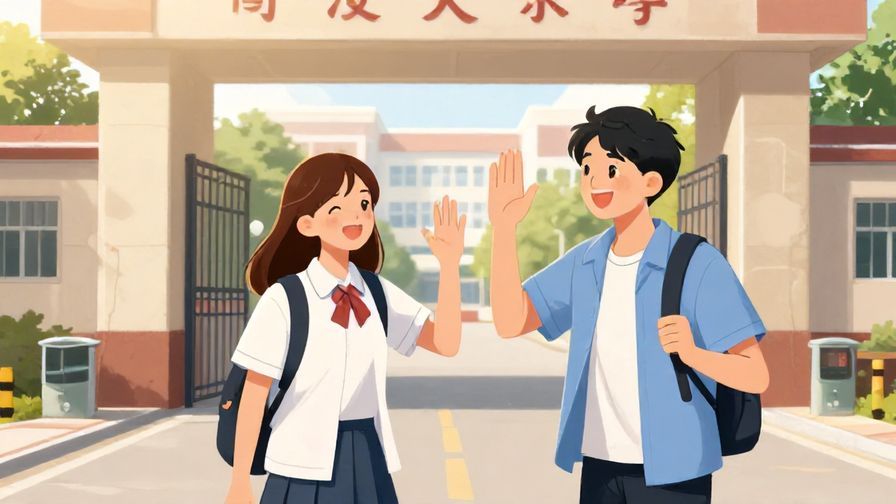
This combines じゃあ (well then) with また明日 (see you tomorrow).
It’s casual but has a friendly tone of certainty about meeting the next day.
Great for classmates or coworkers.
It feels natural and positive.
Use it when you want to confirm plans warmly.
It’s a solid phrase for everyday farewells.
22. じゃ、またね (Ja, mata ne) – “Well, see you later.”
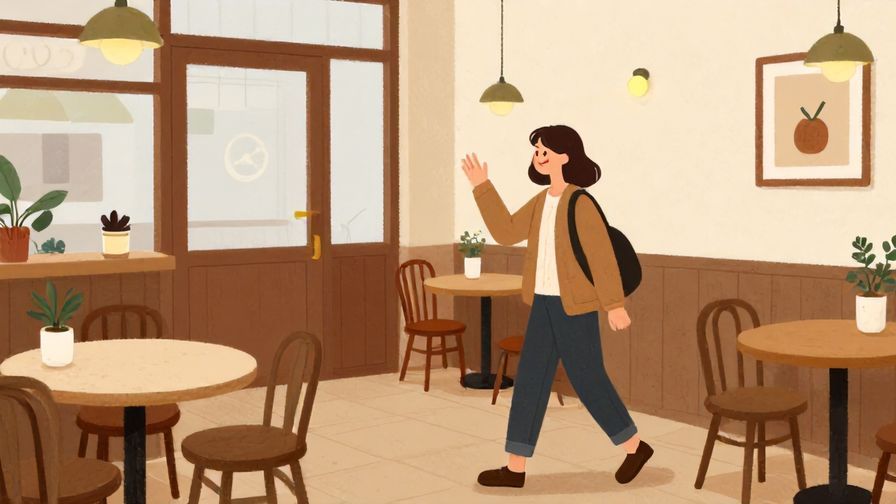
じゃ、またね is a slightly more casual version of じゃあね.
It’s relaxed and friendly, perfect for daily use.
It feels natural among friends and colleagues.
Use it for informal goodbyes that sound warm but not too casual.
It’s a great phrase to keep handy for various contexts.
Try it to sound approachable and kind.
23. また明日ね (Mata ashita ne) – “See you tomorrow, okay?”

This adds the ね (ne) particle to また明日, making it softer and more friendly.
It’s like saying “See you tomorrow, alright?”
Very common among friends and family.
It’s warm and inviting.
Use it to sound caring and positive about your next meeting.
Perfect for close relationships.
24. また今度ね (Mata kondo ne) – “See you next time, okay?”

Adding ね (ne) to また今度 adds a friendly softness.
It’s casual and feels like a gentle promise to meet again.
Great for acquaintances or casual friends.
It makes your goodbye sound warm and hopeful.
Use it to leave a good impression without pressure.
It’s a nice phrase to wrap up casual farewells.
Concluding Thought
Exploring these 24 ways to say “See you again” in Japanese opens up a world of warmth and connection.
From casual chats to formal meetings, each phrase brings its own special touch to farewells.
Keep practicing and using them naturally, and you’ll find your Japanese goodbyes becoming more heartfelt and meaningful every time!