24 Japanese ways to say “Please Repeat That”
Sometimes in conversation, we just need a little help catching what was said. Whether you’re learning Japanese or just want to sound more natural, knowing how to say “Please repeat that” in different ways is a handy skill.
Japanese has a variety of expressions for politely (and casually) asking someone to repeat themselves. It’s not just about repetition but about tone, formality, and context.
From formal to casual, beginner-friendly to native-like, these 24 phrases will boost your confidence in any conversation.
Plus, mixing these up keeps your language fresh and shows your awareness of Japanese social nuances. Ready to dive in?
Let’s explore these expressions, their meanings, and how to use them naturally.
By the end, you’ll be ready to ask for a repeat like a pro — with warmth, humility, or even a bit of casual flair.
Useful Tools to Help You Practice
Before we jump in, having some solid resources can make learning these phrases easier. Practice makes perfect, and hearing these in real context helps too.
If you want to hear pronunciation and examples, consider checking out a Japanese audio phrasebook. It’s a great companion for your learning journey.
Using apps or flashcards with these phrases will boost your recall and confidence.
Adding real-life practice to your study habits is key.
Keep your tone in mind when practicing these phrases — that’s half the charm!
Part 1: Casual Suggestions
1. もう一度言って (Mou ichido itte) – “Say it one more time.”
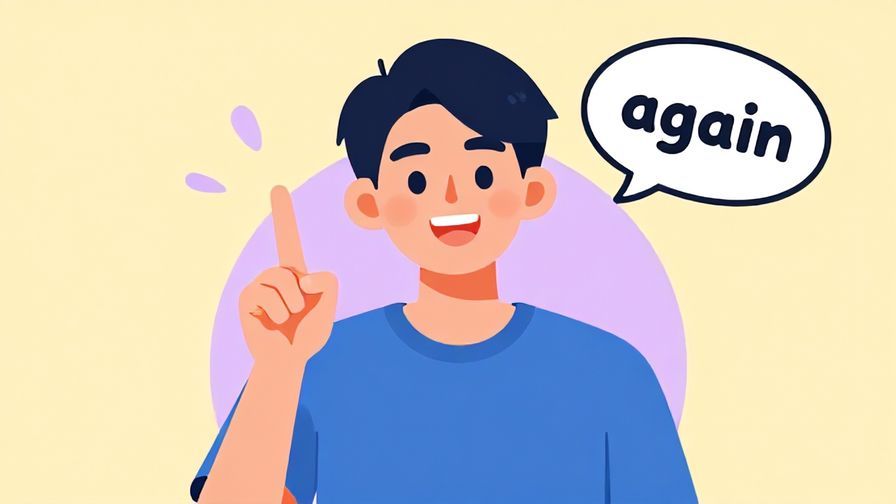
This is probably the most straightforward casual way to ask someone to repeat themselves.
“もう一度” (Mou ichido) means “one more time,” and “言って” (itte) is the casual command form of “to say.”
It’s polite enough among friends and easy to remember.
Just say it with a friendly tone, and you’re good to go.
It’s related to “もう一回言って” (mou ikkai itte), which means the same but slightly more informal.
Perfect for casual chats when you didn’t quite catch what was said.
2. 何て言った? (Nante itta?) – “What did you say?”

This phrase literally means “What did you say?” and is very casual.
“何て” (Nante) means “what kind of,” and “言った” (itta) is the past tense of “say.”
It’s short, direct, and used often in informal settings.
Be careful not to sound rude — tone matters here!
It’s like asking “Sorry, what was that?” in English with a friendly nudge.
Great for times when you want to clarify something quickly.
3. もう一度お願いします (Mou ichido onegaishimasu) – “Please say it one more time.”
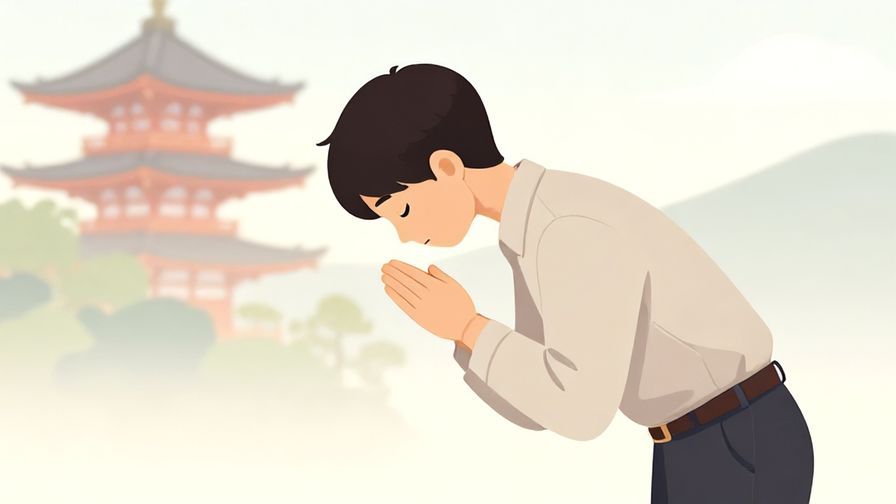
This is a polite way to ask for repetition, suitable for strangers or formal situations.
“お願いします” (Onegaishimasu) means “please,” so adding it softens your request.
It’s a simple phrase that shows respect and humility.
Use this in business or when speaking to someone older.
Related phrases like “もう一度言ってください” (mou ichido itte kudasai) work the same way but feel more direct.
It’s a polite go-to phrase that’s easy to remember.
4. 聞き取れませんでした (Kikitoremasen deshita) – “I couldn’t catch that.”
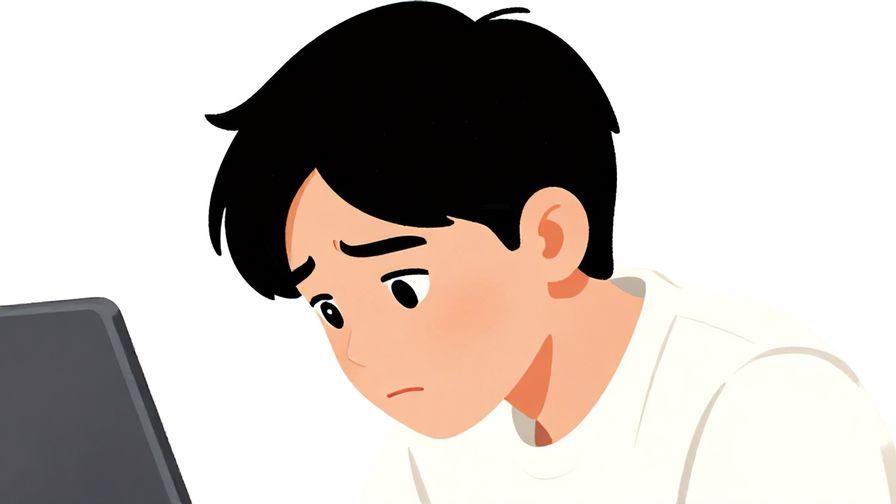
This phrase is a polite way to say you didn’t catch what was said.
“聞き取れませんでした” (Kikitoremasen deshita) literally means “I was unable to hear/understand.”
It’s great for formal or semi-formal conversations.
Using this shows you’re attentive but need a little help.
You can follow it up with “もう一度お願いします” for extra politeness.
Perfect when you want to sound thoughtful and respectful.
5. もう一回言って (Mou ikkai itte) – “Say it one more time.” (more casual)

Similar to number 1, but a bit more informal.
“もう一回” (Mou ikkai) is “one more time,” and “言って” (itte) is the casual command form.
Use it with close friends or younger people.
It’s quick, easy, and common in everyday speech.
Just make sure your tone is friendly to avoid sounding abrupt.
Great for casual conversations when you want a quick repeat.
6. 聞き直してもいい? (Kikinaoshite mo ii?) – “Can I ask you to repeat that?”

This is a polite and casual way to ask if it’s okay to hear something again.
“聞き直して” (Kikinaoshite) means “to listen again,” and “もいい?” (mo ii?) means “is it okay?”
It’s a nice way to check without being pushy.
Use it to keep conversations smooth and respectful.
It’s less direct than just saying “repeat,” which can be handy.
A great phrase to practice when you want to sound considerate.
7. もう一度教えて (Mou ichido oshiete) – “Tell me again.”
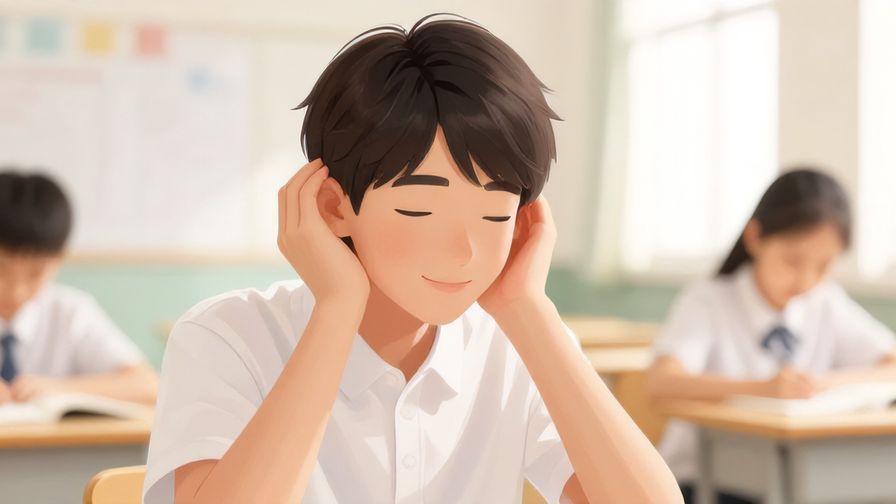
This phrase literally means “Teach me one more time” and is casual but polite.
“教えて” (Oshiete) means “tell” or “teach,” which softens the repetition request.
It’s useful when you want to learn something carefully.
Good for classmates, coworkers, or friends helping you.
It’s friendlier than just “repeat” and invites a teaching moment.
Try it when you want to show eagerness to understand.
8. もう一度聞かせて (Mou ichido kikasete) – “Let me hear it one more time.”
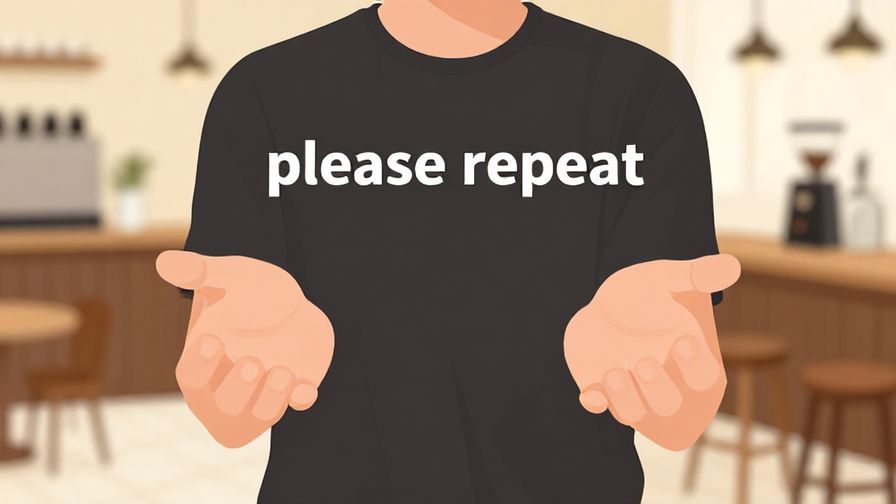
This phrase uses “聞かせて” (kikasete), meaning “let me hear.”
It’s casual and polite, with a gentle tone.
Great for asking friends or colleagues to repeat something interesting.
It’s less common but very natural sounding.
Use it when you want to sound curious and engaged.
Perfect for social settings where you want to connect.
Part 2: Polite & Formal Suggestions
9. もう一度おっしゃってください (Mou ichido osshatte kudasai) – “Please say it one more time.” (honorific)

This is a very polite and honorific way to ask someone to repeat.
“おっしゃって” (osshatte) is the honorific form of “say,” and “ください” (kudasai) means “please.”
Use it with superiors or in formal business contexts.
It’s respectful and shows you value the speaker.
It’s a phrase to keep handy for professional situations.
It’s more complex but worth learning for business Japanese.
10. もう一度繰り返していただけますか? (Mou ichido kurikaeshite itadakemasu ka?) – “Could you please repeat once more?”

This is a very polite request using humble language.
“繰り返していただけますか?” (Kurikaeshite itadakemasu ka?) means “Could you kindly repeat?”
Perfect for formal calls, meetings, or first-time encounters.
The phrase shows humility and respect.
It can be a mouthful, but it impresses with politeness.
Practice it to sound professional and considerate.
11. 失礼ですが、もう一度お願いできますか? (Shitsurei desu ga, mou ichido onegaidekimasu ka?) – “Excuse me, could you please repeat?”

This phrase starts with “失礼ですが” (shitsurei desu ga), meaning “excuse me,” adding politeness.
It’s a humble and respectful way to request repetition.
Great for business or formal social settings.
It softens the request and shows good manners.
Useful when you want to be very polite without sounding stiff.
Try it when you want to maintain respect in conversation.
12. お手数ですが、もう一度言っていただけますか? (Otesuu desu ga, mou ichido itte itadakemasu ka?) – “Sorry to trouble you, but could you say that again?”
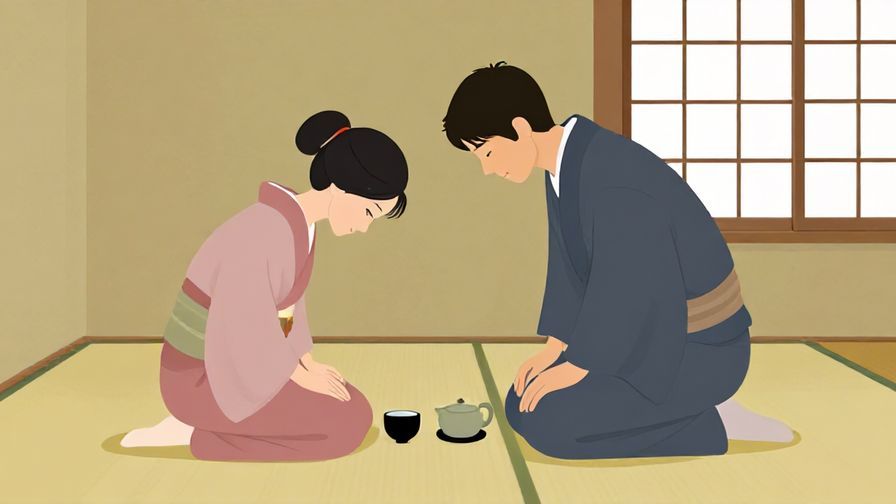
This phrase includes “お手数ですが” (otesuu desu ga), meaning “sorry to trouble you.”
It’s a very courteous way to ask for repetition.
Perfect when you want to acknowledge the speaker’s effort.
It’s formal and humble, ideal for serious or official occasions.
It’s a bit long but very respectful.
Use this phrase to show gratitude and politeness simultaneously.
13. もう一度説明していただけますか? (Mou ichido setsumei shite itadakemasu ka?) – “Could you please explain that again?”
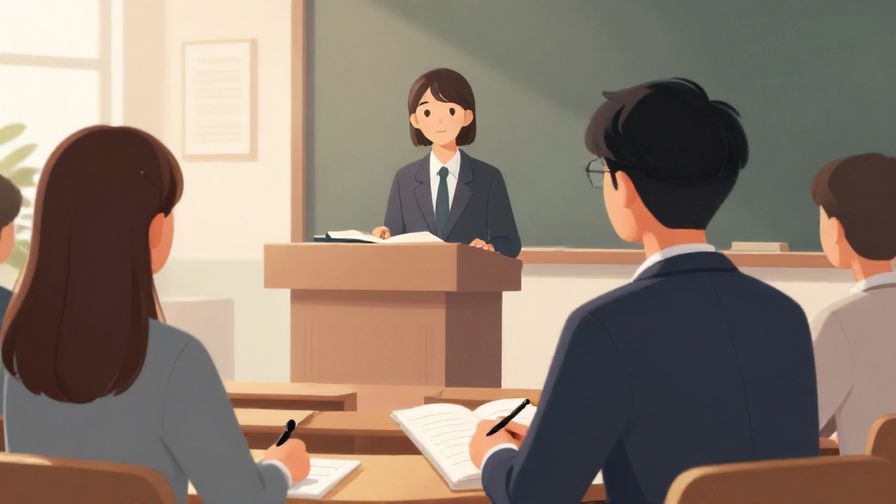
This phrase asks for a repeat with an emphasis on explanation.
“説明して” (setsumei shite) means “explain,” so it’s great when you want clarity.
It’s polite and formal, often used in educational or work contexts.
Shows you want to understand thoroughly.
It’s more specific than just repeating words.
Try this when details matter and you want to show interest.
14. もう一度お聞きしてもよろしいでしょうか? (Mou ichido okiki shite mo yoroshii deshou ka?) – “May I ask you to repeat that once more?”

This is a very formal and humble way to ask for repetition.
“お聞きしてもよろしいでしょうか?” (okiki shite mo yoroshii deshou ka?) means “May I ask to listen again?”
Perfect for polite requests in business or official settings.
Shows great respect and carefulness.
It’s a phrase that sounds very refined and courteous.
Great for situations where you want to avoid any discomfort.
15. もう一度お話しいただけますか? (Mou ichido ohanashi itadakemasu ka?) – “Could you please tell me again?”

This phrase uses “お話しいただけますか?” (ohanashi itadakemasu ka?), an honorific way to say “tell me.”
It’s polite and formal, suitable for respectful requests.
Often used in interviews or polite conversations.
It’s a versatile phrase that fits many formal contexts.
Using honorifics shows your good manners.
Try this to impress with your politeness in formal situations.
16. 申し訳ありませんが、もう一度お聞かせ願えますか? (Moushiwake arimasen ga, mou ichido okikase negaemasu ka?) – “I’m sorry, but could you please say that again?”
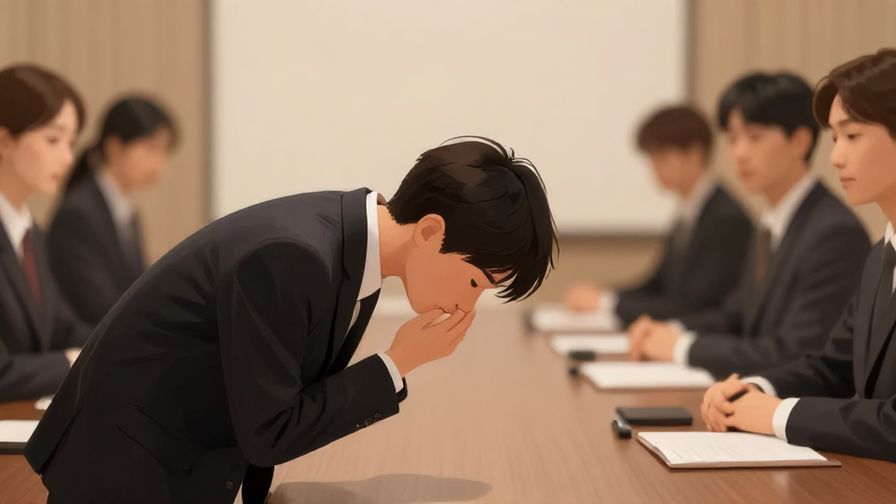
This phrase is extremely polite and apologetic.
“申し訳ありませんが” (moushiwake arimasen ga) means “I’m very sorry.”
Use it when you want to be very humble and respectful.
It’s suitable for serious or delicate situations.
It’s longer but conveys strong respect.
Perfect when you want to apologize for any inconvenience.
Part 3: Very Casual / Native-like Expressions
17. もう一回ちょうだい (Mou ikkai choudai) – “One more time, please.” (casual slang)

This is a very casual and friendly way to ask for repetition.
“ちょうだい” (choudai) is a casual “please” often used between friends.
It sounds natural and native-like among close peers.
Avoid using it in formal situations.
It’s perfect for casual hangouts or informal chats.
Practice this phrase to sound more like a native speaker.
18. もう一度言ってくれない? (Mou ichido itte kurenai?) – “Won’t you say it again?” (casual request)

This phrase is a casual way to ask someone to repeat.
“くれない?” (kurenai?) softens the command into a question.
It’s friendly and often used among peers.
Use it when you want to sound less demanding.
It’s a good phrase to add variety to your casual speech.
Great for informal conversations or texting.
19. もう一回言ってよ (Mou ikkai itte yo) – “Say it one more time, will you?”

This is a casual and somewhat playful way to ask for repetition.
“よ” (yo) adds emphasis and a friendly tone.
It’s common among friends and younger people.
Not suitable for formal contexts.
It sounds natural and informal.
Perfect for lighthearted moments when you want to engage.
20. もう一度頼むわ (Mou ichido tanomu wa) – “I’m asking you again.” (casual, feminine)

This phrase is casual and often used by women.
“頼むわ” (tanomu wa) is a casual “I request you” with a feminine nuance.
It sounds natural and friendly but a bit assertive.
Not appropriate for formal or mixed settings.
Use it when you want to sound casual and sincere.
Great for conversations with close female friends.
21. もう一度聞かせてよ (Mou ichido kikasete yo) – “Let me hear it again, please.” (casual)

This is a casual, friendly request to hear something again.
Adding “よ” (yo) makes it sound inviting and warm.
Great for informal chats with friends or family.
It’s less formal but very natural sounding.
Use it to keep the conversation lively.
Perfect for casual everyday use.
22. もう一回言ってみて (Mou ikkai itte mite) – “Try saying it again.” (casual, encouraging)

This phrase encourages someone to repeat what they said.
“言ってみて” (itte mite) means “try saying.”
It sounds friendly and supportive.
Ideal for language learners or playful contexts.
Use it to create a relaxed atmosphere.
It’s a fun way to ask for repetition without pressure.
23. もう一度言ってくれる? (Mou ichido itte kureru?) – “Will you say it again?” (casual polite)
This phrase is casual but polite, a good middle ground.
“くれる?” (kureru?) asks for a favor gently.
It’s common among friends and acquaintances.
Sounds natural and kind.
Good for everyday conversations when you want to be polite but casual.
Try it to balance friendliness and respect.
24. もう一回言い直して (Mou ikkai iinaoshite) – “Say it again, correcting yourself.” (casual)
This phrase asks someone to say something again, implying correction.
“言い直して” (iinaoshite) means “say again/correct.”
It’s casual and often used in friendly teasing or clarifying.
Use it when you want the speaker to rephrase or fix their words.
It’s informal and should be used with close friends.
Great for making conversations more dynamic and fun.
Concluding Thought
Learning different ways to say “Please repeat that” in Japanese opens doors to smoother conversations and better understanding.
Whether polite or casual, each phrase has its own charm and right time to shine.
So keep practicing, listen carefully, and don’t be afraid to ask for repetition — it’s a sign of a great learner!