24 Japanese ways to say “Please”
Saying “please” is one of the first things we learn in any language. In Japanese, there are so many ways to express this simple but powerful word, each carrying its own nuance and charm.
Whether you’re asking for a favor, ordering food, or politely requesting help, choosing the right way to say “please” can make your interaction smoother and more natural.
In this article, we’ll explore 24 warm, informal, and relatable Japanese expressions for “please,” complete with pronunciation guides to help you speak with confidence.
By the end, you’ll not only have a richer vocabulary but also a deeper appreciation for the polite and nuanced nature of Japanese communication.
Learning these phrases will also boost your conversational skills and help you connect better with native speakers.
So, let’s dive in and add some new Japanese “please” phrases to your language toolkit!
When to Use Different “Please” Expressions
Japanese has a variety of ways to say “please,” depending on the situation, formality, and relationship between speakers.
Some are casual and perfect for friends, while others are very polite or formal for business and strangers. Understanding context is key to sounding natural.
Try to match the phrase with the setting to make your requests feel respectful and genuine.

Sometimes, using a great beginner phrasebook can give you a perfect starting point for a cohesive understanding.
Practice with these phrases and you’ll get a feel for when each one fits best.
Remember, it’s all about showing respect and kindness in your requests.
Part 1: Casual Suggestions
1. お願い (Onegai) – “Please”
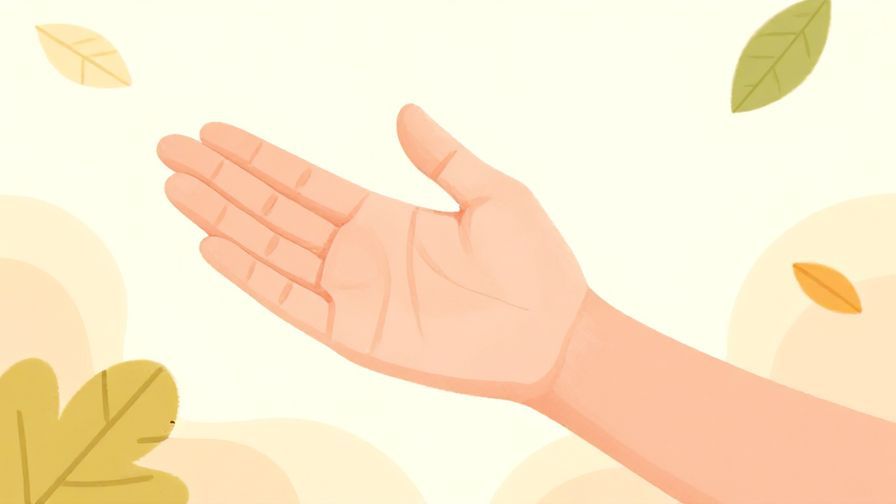
One of the most common casual ways to say “please” is “お願い” (Onegai).
It’s simple and versatile, used when asking friends or family for a favor. Just say “Onegai” with a gentle tone to keep it friendly.
This phrase can stand alone or be part of a longer request like “お願いね” (Onegai ne) to sound softer.
Think of it as a sweet little nudge that says, “Could you help me out?”
It’s related to the verb “願う” (negau), meaning “to wish” or “to hope,” which helps you remember it as hoping someone will help.
Use “Onegai” often, and it will become your go-to casual “please” in no time.
2. お願いします (Onegaishimasu) – “Please” (Polite)

“お願いします” (Onegaishimasu) is the polite and more formal version of “Onegai.”
It’s perfect when you want to be respectful but still friendly, like asking a clerk or a colleague for something.
Adding “します” (shimasu) makes it a polite verb form, so it fits well in semi-formal situations.
This phrase is essential for polite requests and is often heard in customer service contexts.
You can think of it as saying, “I humbly ask you,” which makes it very courteous.
Practice “Onegaishimasu” to sound polite yet warm in your requests.
3. ちょっとお願い (Chotto onegai) – “A little favor, please”

Adding “ちょっと” (Chotto), meaning “a little,” softens the request, making it sound like “a little favor, please.”
This phrase is casual and friendly, great for asking a small favor without sounding too demanding.
It feels like you’re gently asking, “Could you help me just a bit?”
Use it with friends or people you know well to keep things light.
It’s a handy phrase to remember when you want to keep requests easygoing.
Try it next time you want to ask for something small and sweet.
4. 〜てくれる? (〜te kureru?) – “Could you please do ~ for me?”

This phrase uses the verb ending “〜てくれる?” (〜te kureru?) to politely ask someone to do something for you.
For example, “手伝ってくれる?” (Tetsudatte kureru?) means “Could you please help me?”
It’s casual but polite among friends and family, showing appreciation in advance.
The “くれる” (kureru) part means “to do something for me,” making it feel personal and friendly.
Great for everyday favors, it’s easy to apply once you know the verb you need.
Use it to ask for help in a natural, warm way.
5. 〜てください (〜te kudasai) – “Please do ~”

“〜てください” (〜te kudasai) is a very common polite way to say “please do ~.”
For example, “見てください” (Mite kudasai) means “Please look.”
It’s direct and respectful, often used in shops, instructions, or requests to strangers.
“ください” (kudasai) literally means “please give me,” so it’s like requesting an action kindly.
Perfect for clear, polite requests without being too formal.
This phrase is a must-know in daily conversations and interactions.
6. よろしく (Yoroshiku) – “Please (take care of it)”

“よろしく” (Yoroshiku) is a casual, versatile way to say “please” when you want someone to take care of something for you.
It’s often short for “よろしくお願いします” (Yoroshiku onegaishimasu), used in requests or to start new relationships.
It can mean “please treat me well” or “please handle this,” depending on context.
This phrase carries warmth and trust, making it great for friends or coworkers.
It’s simple but powerful—using it shows you rely on the other person.
Try sprinkling “Yoroshiku” in your conversations to sound natural and polite.
7. 〜てもいい? (〜temo ii?) – “Is it okay if I…?” (a polite way to ask for permission)

This phrase is a polite way to ask for permission, which can imply “please let me.”
For example, “使ってもいい?” (Tsukattemo ii?) means “Is it okay if I use this?”
It’s casual but respectful, perfect for friends or acquaintances.
This structure helps you politely ask if it’s okay to do something, indirectly saying “please.”
It’s a useful phrase for smooth social interactions without being pushy.
Keep it handy when you want to be polite yet informal.
8. ちょっと待ってください (Chotto matte kudasai) – “Please wait a moment”

“ちょっと待ってください” (Chotto matte kudasai) is a polite way to ask someone to wait a moment.
“ちょっと” means “a little,” “待って” is the ‘te’ form of “wait,” and “ください” means “please.”
It’s perfect in shops, on calls, or during conversations when you need a moment.
This phrase is clear, polite, and widely used, helping you sound considerate.
Remember it as your go-to for politely asking for patience.
Practice this to manage situations smoothly and respectfully.
Part 2: Polite & Formal Suggestions
9. 恐れ入りますが (Osore irimasu ga) – “Excuse me, but please…”

“恐れ入りますが” (Osore irimasu ga) is a very formal and humble way to start a polite request.
It literally means “I am sorry to trouble you, but…” and sets a respectful tone.
Perfect for business emails, formal conversations, or when talking to someone senior.
Use it when you want to be extra courteous and show respect.
It’s a phrase that softens the request and prepares the listener politely.
Mastering this will elevate your formal Japanese greatly.
10. どうぞよろしくお願いいたします (Douzo yoroshiku onegai itashimasu) – “Please, I humbly ask for your favor”

This is a very formal and polite phrase often used in business settings or introductions.
“どうぞ” (Douzo) means “please,” “よろしく” (Yoroshiku) means “well,” and “お願いいたします” (Onegai itashimasu) is the humble form of “please.”
It expresses a deep level of respect and a sincere request for goodwill or cooperation.
Use it when asking someone to take care of you or your request professionally.
This phrase is a must-know for formal emails and meetings.
It leaves a positive, respectful impression.
11. ご協力ください (Gokyouryoku kudasai) – “Please cooperate”

“ご協力ください” (Gokyouryoku kudasai) is a polite way to ask for cooperation.
“協力” means cooperation, and “ください” means please.
This phrase is often used in announcements, workplaces, or when requesting group effort.
It’s formal, respectful, and clear.
Use it when asking for a polite but strong “please help out.”
It’s professional and effective in group settings.
12. 失礼ですが、〜てもよろしいでしょうか (Shitsurei desu ga, ~temo yoroshii deshou ka) – “Excuse me, may I please…”

This is a very polite way to ask permission or make a request.
“失礼ですが” means “Excuse me,” and “~てもよろしいでしょうか” is a humble way to say “May I please…?”
It’s perfect for formal conversations or asking superiors.
Use it to show respect and politeness in delicate situations.
This phrase conveys both humility and etiquette.
Practice it to impress in professional settings.
13. お手数ですが (Otesuu desu ga) – “Sorry to trouble you, but please…”

“お手数ですが” (Otesuu desu ga) is a polite phrase to acknowledge that you’re causing some trouble before asking for something.
It’s like saying “Sorry for the inconvenience, but please…”
Great for emails or formal requests when you want to be considerate.
Using this phrase shows you respect the other person’s time.
It softens your request and makes it easier to accept.
Include it to sound thoughtful and polished.
14. どうかお願いします (Douka onegaishimasu) – “Please, I beg you”

“どうかお願いします” (Douka onegaishimasu) expresses a strong plea or heartfelt “please.”
“どうか” means “somehow” or “please,” adding urgency and emotion.
Use it in situations where you really need someone’s help politely but earnestly.
It’s more emotional than casual “please,” so use it with care.
It can be useful in formal or serious conversations.
It helps communicate sincerity and vulnerability.
15. ご確認ください (Gokakunin kudasai) – “Please confirm”

This phrase is handy when you want someone to check or confirm something.
“確認” means confirmation, and “ください” is please.
It’s polite and often used in emails, meetings, or instructions.
Use it when you want to politely ask for verification.
It makes your request clear and respectful.
Great for business or formal communication.
16. お願い申し上げます (Onegai moushiagemasu) – “I humbly request”

This is an extremely formal and humble way to say “please.”
It’s often used in written business letters or very formal requests.
“申し上げます” is the humble form of “to say” or “to do.”
Use it to show utmost respect and politeness.
It’s not for casual use but important in formal Japanese culture.
Learning this phrase boosts your professional language skills.
Part 3: Very Casual / Native-like Expressions
17. 〜てくれ (〜te kure) – “Do ~ for me, please” (male casual)

“〜てくれ” (〜te kure) is a very casual way, mostly used by men, to say “do ~ for me.”
It’s rougher than polite versions but often used among close friends or in informal situations.
Example: “手伝ってくれ” (Tetsudatte kure) means “Help me, please.”
Use it only with people you know well to avoid sounding rude.
It’s a shortcut phrase that sounds natural among young men.
Be careful with tone and audience when using it.
18. 〜てよ (〜te yo) – “Please do ~” (casual emphasis)

“〜てよ” (〜te yo) adds emphasis to casual requests, making it sound like “Hey, please do ~.”
It’s warm and friendly, perfect for close friends.
Example: “見てよ” (Mite yo) means “Please look!” with a playful tone.
It’s great to sound natural and lively in conversation.
Use it when you want to be casual but still polite.
Try it with friends to add personality to your requests.
19. 〜てね (〜te ne) – “Please do ~, okay?” (friendly)

“〜てね” (〜te ne) is a casual, friendly way to say “please do ~, okay?”
It softens the request and adds a warm, caring tone.
Example: “ありがとうしてね” (Arigatou shite ne) means “Please say thank you, okay?”
Use it with people you’re close to, like family or friends.
It’s an easy way to sound gentle and natural in daily talk.
Perfect for informal requests with a touch of affection.
20. かして (Kashite) – “Please lend (me)” (casual)

“かして” (Kashite) is a casual way to say “please lend (me something).”
It comes from the verb “貸す” (kasu), meaning “to lend.”
Use it with friends or family when you want to borrow something casually.
It’s quick, easy to remember, and common among young people.
Be sure your tone is polite enough to avoid sounding bossy.
This phrase is great for everyday informal requests.
21. くれない? (Kurenai?) – “Could you please give me?” (casual)

“くれない?” (Kurenai?) is a casual phrase to ask “Could you please give me?”
It’s a softer way of saying “くれ” (kure), which can sound abrupt.
Example: “貸してくれない?” (Kashite kurenai?) means “Could you lend me this, please?”
It’s friendly and common in casual speech.
Use it with people you are close to for polite-sounding casual requests.
It’s an easy phrase to add to your conversation practice.
22. 〜てくれない? (〜te kurenai?) – “Won’t you please do ~ for me?”

This phrase is a casual but polite request asking someone to do something for you.
It softens “〜てくれ” by adding “ない” to make it a question.
Example: “手伝ってくれない?” (Tetsudatte kurenai?) means “Won’t you help me, please?”
It’s friendly and easygoing, often used among friends.
It’s a great way to sound casual but respectful simultaneously.
Try it out when asking small favors casually.
23. ちょっとお願いね (Chotto onegai ne) – “Just a little favor, please”

This phrase combines “ちょっと” (a little) with “お願いね” for a playful, lighthearted request.
It’s perfect among close friends or family to ask for something small.
Adding “ね” at the end makes it sound warm and inviting.
It’s casual and makes favors feel easy to grant.
Use it to keep your requests soft and friendly.
A great phrase to inject some personality into your Japanese.
24. すみませんがお願い (Sumimasen ga onegai) – “Excuse me, but please” (casual polite)

“すみませんがお願い” (Sumimasen ga onegai) is a casual yet polite way to say “Excuse me, but please…”
“すみません” means “sorry” or “excuse me,” softening the request.
Use this phrase when you want to politely interrupt or ask a favor casually.
It’s versatile and respectful without being too formal.
Perfect for daily interactions where politeness matters.
Try this phrase to keep things smooth and courteous.
Concluding Thought
Exploring these 24 ways to say “please” in Japanese gives you a richer, more nuanced way to communicate kindness and respect.
Each phrase offers a unique shade of politeness, warmth, or casual charm, letting you adapt naturally to any situation.
Keep practicing, and soon these expressions will become second nature, helping you connect deeply with Japanese speakers in a thoughtful and genuine way.