24 Japanese ways to say “Not So Good
Ever had one of those days when things just aren’t quite right, but you don’t want to sound too harsh? In Japanese, there are so many warm and casual ways to say “not so good” that fit perfectly in different situations.
Whether you’re chatting with friends or trying to keep it polite, this list will help you express yourself naturally. It’s fun, informal, and packed with phrases that’ll make your Japanese feel more native-like.
We’ll break down 24 phrases, from casual to polite and even some very casual expressions you might hear in everyday life. Plus, each phrase comes with pronunciation guides so you can say them just right.
Learning these will not only boost your language skills but also help you connect better with people when things aren’t going smoothly. It’s all about keeping it real and relatable.
Ready to explore some cool Japanese ways to say “not so good”? Let’s dive in and make your conversations more colorful!
By the end of this, you’ll have plenty of handy expressions to choose from, no matter the mood or moment.
Casual Phrases to Gently Say “Not So Good”
Sometimes you want to be honest without sounding too negative. These casual phrases are perfect for everyday chats.
They’re easy to remember and great for beginners looking to add nuance to their Japanese. Plus, they sound natural and friendly.
Let’s start with some simple and widely used expressions.

Sometimes, grabbing a beginner phrasebook can give you a quick way to practice these with confidence.
These phrases are easy to mix and match depending on how “not so good” you want to sound.
With just a few tries, you’ll be using these naturally in no time.
Part 1: Casual Suggestions
1. いまいち (Imaichi) – “Not quite there.”

“いまいち” is a classic casual way to say something is just “not quite right” or “not quite good.”
You can use it to express mild dissatisfaction without sounding harsh. It’s like saying “meh” in English.
Great for when something is almost okay but just misses the mark.
It’s a flexible, easy-to-drop phrase in conversations.
Related phrases like いまひとつ (imahitotsu) mean similar things and can be swapped in.
Try using it to soften your critiques and keep the mood light.
2. まあまあ (Mā mā) – “So-so.”

“まあまあ” means “so-so” or “not bad, but not great.” It’s a perfect middle-ground phrase for casual talks.
It’s easy to remember since it literally repeats the same sound, making it catchy.
Perfect when you want to avoid sounding negative but still acknowledge something’s not fully good.
Be careful not to overuse it, as it can sound indifferent if said too often.
Example: テストはまあまあだったよ (Tesuto wa mā mā datta yo) – “The test was so-so.”
Use this to sound relaxed and natural in daily chats.
3. いまいちな感じ (Imaichina kanji) – “A not-so-great feeling.”

This phrase combines “いまいち” (not quite) with “感じ” (kanji – feeling), to express a vague “not so good” vibe.
It’s great for when you can’t pinpoint exactly what’s wrong but know something’s off.
Using this shows emotional awareness and adds nuance.
It’s more descriptive than just “not good.”
Try saying it when you want to hint at dissatisfaction without specificity.
This can open a gentle conversation about what’s bothering you.
4. ちょっと微妙 (Chotto bimyou) – “A bit iffy.”

“微妙” (bimyou) literally means “subtle” but is commonly used to say “iffy” or “not quite good.”
Add “ちょっと” (chotto – a little) to soften it and make it casual.
Great for describing situations or things that don’t meet your expectations.
It’s a popular slang word among young people, so it sounds natural and modern.
Example: その映画はちょっと微妙だった (Sono eiga wa chotto bimyou datta) – “That movie was a bit iffy.”
Use it to gently express your reservations.
5. あんまり良くない (Anmari yokunai) – “Not very good.”

“あんまり” means “not very” and “良くない” means “not good,” so together they say “not very good.”
This phrase is casual but clear, useful when you want to be straightforward without sounding too harsh.
It’s simple and gets the point across effectively.
Just be mindful of tone so it doesn’t come off as rude.
Try it in conversations to sound honest yet polite enough for friends.
It’s a handy phrase for everyday use.
6. そんなに良くない (Sonnani yokunai) – “Not that good.”

This phrase is similar to “あんまり良くない,” but “そんなに” means “that much” or “that much extent.”
It’s a mild way to say something is “not that good,” implying a bit of disappointment.
It’s perfect when you want to gently manage expectations.
Use it to keep conversations light while being honest.
Example: 今日の天気はそんなに良くないね (Kyou no tenki wa sonnani yokunai ne) – “Today’s weather isn’t that good, huh?”
Great for everyday chit-chat.
7. あまりぱっとしない (Amari patto shinai) – “Not very impressive.”

“ぱっとしない” means “not standing out” or “not impressive,” and “あまり” means “not very.”
Together they express something that’s dull or unimpressive.
It’s a useful phrase to describe things or experiences that fall flat.
Use it to politely express your lack of enthusiasm.
Example: 新しいレストランはあまりぱっとしなかった (Atarashii resutoran wa amari patto shinakatta) – “The new restaurant wasn’t very impressive.”
Good for casual reviews or opinions.
8. うーん、微妙かな (Uun, bimyou kana) – “Hmm, maybe not so good.”

This phrase adds “うーん” (uun – hmm) to “微妙” (bimyou), making it sound thoughtful and uncertain.
It’s a casual, conversational way to say you’re unsure about how good something is.
Great for softening criticism or showing hesitation.
It invites a response or further discussion.
Try it when you want to sound natural and friendly.
For example, “この料理はうーん、微妙かな” means “Hmm, this dish is maybe not so good.”
Part 2: Polite & Formal Suggestions
9. あまり良くありません (Amari yokuarimasen) – “Not very good” (polite)

This is the polite form of “あんまり良くない” and is great for formal situations.
Use it in work or respectful conversations to express mild dissatisfaction without offending.
The negative polite verb ending “ません” makes it sound softer.
It’s a professional way to say “not so good.”
Example: 今回の結果はあまり良くありませんでした (Konkai no kekka wa amari yokuarimasen deshita) – “This time’s results were not very good.”
Perfect for business or formal feedback.
10. いまいちでした (Imaichi deshita) – “It was not quite good” (polite past)

Adding “でした” makes “いまいち” polite and past tense, useful for formal feedback.
It’s a neat way to express that something was underwhelming in a respectful way.
It keeps the tone gentle and appropriate for meetings or formal conversations.
Example: 昨日の会議はいまいちでした (Kinou no kaigi wa imaichi deshita) – “Yesterday’s meeting was not quite good.”
It’s a handy phrase for polite, honest communication.
Try using it to share your thoughts with tact.
11. あまり良い状態ではありません (Amari yoi joutai de wa arimasen) – “Not in a good condition”

This is a more formal and descriptive way to say something is “not so good.”
It literally means “not in a good state,” perfect when discussing situations or conditions politely.
Great for formal reports, customer service, or health conversations.
Example: 体調はあまり良い状態ではありません (Taichou wa amari yoi joutai de wa arimasen) – “My condition is not very good.”
It’s respectful and precise.
Use it when you want to sound caring and professional.
12. まだ改善の余地があります (Mada kaizen no yochi ga arimasu) – “There is still room for improvement”

This phrase is a positive way to say “not so good” without sounding negative.
It literally means “there is still room for improvement,” which is respectful and constructive.
Perfect for business or project discussions.
Example: このプロジェクトはまだ改善の余地があります (Kono purojekuto wa mada kaizen no yochi ga arimasu) – “This project still has room for improvement.”
It shows you’re hopeful and professional.
Use it to keep things upbeat but honest.
13. ちょっと問題があります (Chotto mondai ga arimasu) – “There’s a slight problem”

This polite phrase means “there’s a small problem,” a soft way to say something isn’t quite good.
It’s useful in formal or customer service contexts to communicate issues gently.
Example: その件についてはちょっと問題があります (Sono ken ni tsuite wa chotto mondai ga arimasu) – “There’s a slight problem regarding that matter.”
It’s clear but respectful.
Use it to address concerns without sounding alarmist.
This keeps the conversation professional and calm.
14. 期待外れでした (Kitai hazure deshita) – “It was disappointing” (polite past)
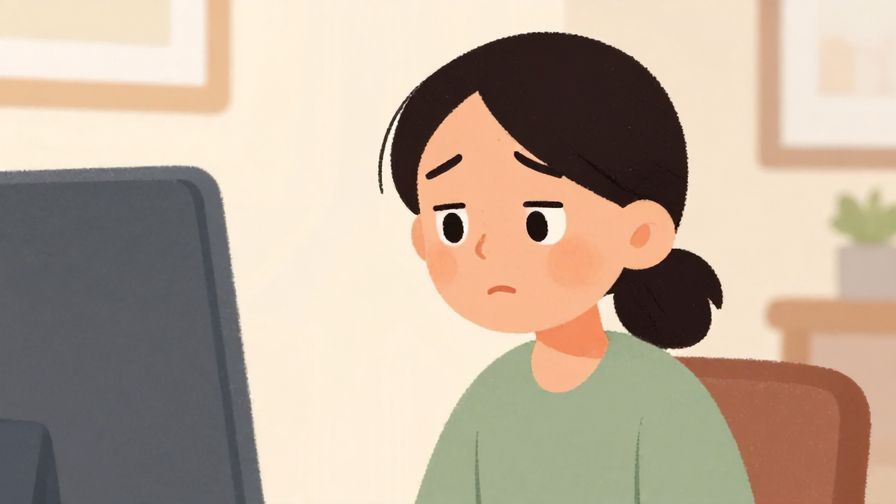
This phrase literally means “it was outside of expectations,” a polite way to say “not so good.”
It’s a more formal way to express disappointment without being blunt.
Example: 映画は期待外れでした (Eiga wa kitai hazure deshita) – “The movie was disappointing.”
It works well in reviews or polite conversations.
Use it when you want to sound honest but courteous.
It shows you had hopes but were let down gently.
15. あまり満足できませんでした (Amari manzoku dekimasen deshita) – “I wasn’t very satisfied”
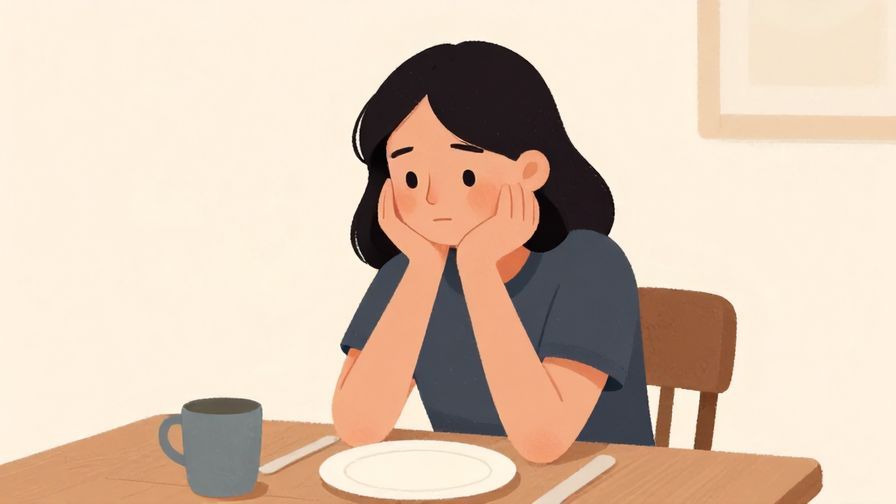
This polite phrase expresses dissatisfaction gently and respectfully.
It translates to “I wasn’t very satisfied,” making it perfect for formal feedback.
Example: サービスにはあまり満足できませんでした (Sābisu ni wa amari manzoku dekimasen deshita) – “I wasn’t very satisfied with the service.”
Great for reviews or workplace feedback.
Use it when you want to share your feelings tactfully.
It strikes a balance between honesty and politeness.
16. 期待に応えられませんでした (Kitai ni kotaeraremasen deshita) – “Couldn’t meet expectations”

This is a humble and formal way to admit that something was “not so good.”
It means “couldn’t meet expectations,” which is respectful and responsible.
Example: プロジェクトは期待に応えられませんでした (Purojekuto wa kitai ni kotaeraremasen deshita) – “The project couldn’t meet expectations.”
It’s useful when apologizing or explaining issues.
Use it to sound professional and sincere.
It helps maintain good relationships even when delivering bad news.
Part 3: Very Casual / Native-like Expressions
17. だめだね (Dame da ne) – “It’s no good.”

“だめ” means “no good” or “not allowed,” and adding “ね” softens it like “right?”
It’s very casual and common among friends to say something’s not working.
Great for quick, informal talks about things that aren’t good.
Example: このゲームはだめだね (Kono gēmu wa dame da ne) – “This game is no good.”
Use it when you want to express disappointment simply and naturally.
It’s friendly and to the point.
18. イマイチだな (Imaichi da na) – “Not so great, huh?”

Adding “だな” makes “いまいち” sound casual and a bit reflective.
It’s like muttering “not so great, huh?” to yourself or friends.
Perfect for informal remarks about things you’re not impressed with.
Try it in relaxed settings with people you’re close to.
Example: この店はイマイチだな (Kono mise wa imaichi da na) – “This shop is not so great.”
It’s direct but still soft.
19. 微妙すぎる (Bimyou sugiru) – “Too iffy.”

“すぎる” means “too much,” so “微妙すぎる” means “too iffy” or “really not good.”
This phrase emphasizes disappointment or discomfort casually.
It’s slangy and often used by younger people.
Example: この話は微妙すぎるよ (Kono hanashi wa bimyou sugiru yo) – “This story is way too iffy.”
Use it to add emotional punch to your casual critiques.
Be mindful it can sound strong, so only use with close peers.
20. ぱっとしないね (Patto shinai ne) – “Not impressive, huh?”

Adding “ね” to “ぱっとしない” makes it casual and inviting agreement.
It’s a nice way to bond over shared mild disappointment.
Example: 最近の映画はぱっとしないね (Saikin no eiga wa patto shinai ne) – “Recent movies aren’t impressive, huh?”
Use it to connect naturally in conversations.
It sounds friendly and relatable.
Great for casual social talk.
21. いまいち感ある (Imaichi kan aru) – “There’s a not-so-good vibe.”

This phrase casually states “there’s a not-so-good feeling” about something.
“感” means “feeling” and “ある” means “there is.”
It’s natural and conversational, great for vague dissatisfaction.
Example: なんかいまいち感あるよね (Nanka imaichi kan aru yo ne) – “Somehow, there’s a not-so-good vibe, right?”
Use it to sound more native and subtle.
It’s great for nuanced opinions.
22. イマイチっぽい (Imaichi ppoi) – “Seems not so good.”

Adding “っぽい” means “seems like” or “feels like,” so this phrase means “seems not so good.”
It’s a casual, native-like way to express doubt or mild negativity.
Example: この料理はイマイチっぽいね (Kono ryouri wa imaichi ppoi ne) – “This dish seems not so good.”
Perfect for casual remarks with friends.
Try it when you want to sound natural and a bit playful.
It softens the criticism.
23. うーん、良くないね (Uun, yokunai ne) – “Hmm, not good, huh?”

This phrase adds a thoughtful “うーん” to the straightforward “良くない,” making it sound casual and reflective.
It’s a gentle way to say something’s not good, inviting empathy.
Example: この映画はうーん、良くないね (Kono eiga wa uun, yokunai ne) – “Hmm, this movie’s not good, huh?”
Great for everyday conversations when you want to sound considerate.
It keeps the mood light and friendly.
Use it often with close friends.
24. ちょっとダメかも (Chotto dame kamo) – “Maybe a little no good.”

“かも” means “maybe,” so this phrase means “maybe it’s a little no good.”
It’s a casual, uncertain phrase to express mild negativity without being firm.
Example: 今日の天気はちょっとダメかも (Kyou no tenki wa chotto dame kamo) – “Today’s weather might be a bit bad.”
Perfect for casual, unsure remarks.
It’s friendly and leaves room for optimism.
Use it when you want to sound gentle and noncommittal.
Concluding Thought
Exploring these 24 phrases gives you a rich toolkit to say “not so good” in Japanese with warmth and nuance.
From casual chats to polite conversations, you can now express yourself naturally without sounding harsh or awkward.
Keep practicing these expressions, and you’ll find your Japanese sounding more authentic and relatable every day. Hang in there, and enjoy your language journey!