24 Japanese ways to say “Nice to Meet You”
Meeting someone new is always a little exciting, and saying “Nice to meet you” is the perfect way to break the ice.
In Japanese, there are many warm and friendly ways to express this feeling—some casual, some formal, and others just fun and native-like.
Whether you’re learning Japanese for travel, work, or just for fun, knowing these phrases will help you connect better with people.
This list of 24 Japanese expressions for “Nice to meet you” is packed with practical examples and pronunciation tips to get you sounding natural in no time.
You’ll also find handy mnemonics and cultural notes to make each phrase stick.
Let’s dive in and discover all the lovely ways to say “Nice to meet you” in Japanese!
Getting Started with Japanese Greetings
Before we jump into the list, it’s good to know the basics of polite and casual greetings in Japanese.
Japanese culture values respect and context, so the way you say “Nice to meet you” can change depending on who you’re talking to and the occasion.
Starting with a good foundation makes it easier to choose the right phrase in any situation.

Sometimes, using a great beginner phrasebook can give you a perfect starting point for a cohesive understanding.
Starting small and practicing daily will build your confidence fast.
Remember, the key is to sound genuine and respectful!
Part 1: Casual Suggestions
1. はじめまして (Hajimemashite) – “Nice to meet you.”

This is the classic way to say “Nice to meet you” in Japanese.
Pronounced “ha-ji-me-ma-shi-te” (hah-jee-meh-mah-shteh), it comes from the verb hajimeru meaning “to begin,” so it literally means “for the first time.”
It’s polite yet casual enough for most first encounters.
Using this phrase sets a friendly and respectful tone right away.
It’s often paired with a bow and your name introduction.
Try saying “はじめまして、[your name]です” (Hajimemashite, [name] desu) to introduce yourself smoothly.
2. よろしくお願いします (Yoroshiku onegaishimasu) – “Please take care of me.”

This phrase is often used right after “はじめまして” to express goodwill.
Pronounced “yo-ro-shi-ku o-ne-gai-shi-ma-su” (yo-ro-shi-koo oh-neh-gai-shee-mah-su), it literally means “please treat me well.”
It’s a humble way to ask for a positive relationship.
It works in both casual and formal settings, making it super versatile.
For a casual twist, you can say “よろしく” (Yoroshiku) alone with friends.
Pairing it with “はじめまして” is a winning combo for first meetings.
3. お会いできてうれしいです (Oai dekite ureshii desu) – “I’m happy to meet you.”

This phrase is a warm way to express genuine happiness at meeting someone.
Pronounced “o-a-i de-ki-te u-re-shi-i de-su” (oh-ah-ee deh-kee-teh oo-reh-shee deh-soo), it breaks down as:
- お会い (oai) – meeting
- できて (dekite) – able to do
- うれしいです (ureshii desu) – I am happy
It’s polite and heartfelt, perfect for new friends or colleagues.
Because it’s a bit longer, it’s great for written introductions or formal settings.
You can shorten it to “会えてうれしい” (aete ureshii) for casual chats.
This phrase reflects warmth and sincerity beautifully.
4. 初めまして、どうぞよろしく (Hajimemashite, douzo yoroshiku) – “Nice to meet you, please treat me well.”

This phrase combines two of the most common greetings for a polite introduction.
“どうぞ” (douzo) means “please,” adding extra politeness to “よろしく.”
Pronounce it “ha-ji-me-ma-shi-te, do-u-zo yo-ro-shi-ku” (hah-jee-meh-mah-shteh, doh-zo yo-ro-shi-koo).
It’s a safe go-to for meeting strangers or new coworkers.
Avoid overusing “どうぞ” in casual settings to keep it natural.
This combo shows respect and friendly intent in one phrase.
5. お初にお目にかかります (Ohatsu ni ome ni kakarimasu) – “It’s my first time meeting you.”

This is a very formal and humble phrase, often used in business settings.
Pronounced “o-ha-tsu ni o-me ni ka-ka-ri-ma-su” (oh-haht-su nee oh-meh nee kah-kah-ree-mah-su), it literally means “for the first time, I have the honor to meet you.”
It’s polite but a bit old-fashioned, so use it only in formal contexts.
It shows great respect and humility.
Pairing it with a bow and business card exchange is common.
Knowing this phrase impresses native speakers in professional environments.
6. どうぞよろしくお願いします (Douzo yoroshiku onegaishimasu) – “Please treat me well.”
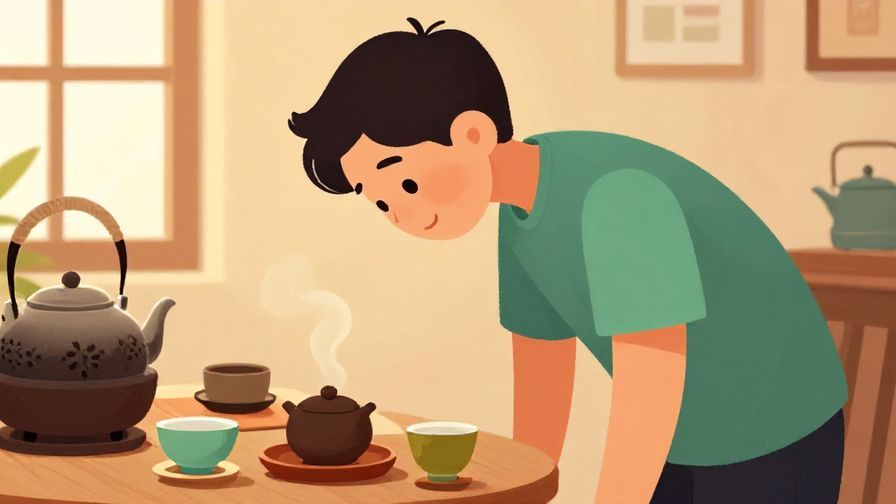
This is a polite and very common phrase after introductions.
Pronounced “do-u-zo yo-ro-shi-ku o-ne-ga-i-shi-ma-su” (doh-zo yo-ro-shi-koo oh-neh-gai-shee-mah-su), it’s similar to #2 but with “どうぞ” for extra politeness.
It works well for first-time meetings and ongoing relationships.
It’s best used with a bow or a sincere tone.
Sometimes shortened to “よろしくお願いします” (yoroshiku onegaishimasu) in less formal cases.
It’s a phrase that builds goodwill instantly.
7. 初めてお目にかかります (Hajimete ome ni kakarimasu) – “It’s my first time meeting you.”

This is a humble, formal way to express “Nice to meet you.”
Pronounced “ha-ji-me-te o-me ni ka-ka-ri-ma-su” (hah-jee-meh-teh oh-meh nee kah-kah-ree-mah-su), it’s similar to #5 but slightly more modern.
It’s respectful and appropriate for formal introductions.
Great when meeting someone important or in official business.
Use it with polite body language to maximize impact.
It’s a phrase that shows your serious intent to connect.
8. ご縁があってうれしいです (Goen ga atte ureshii desu) – “I’m happy we’re connected.”

This phrase expresses happiness about the “goen” (ご縁), or fate/connection, bringing you together.
Pronounced “go-en ga a-tte u-re-shi-i de-su” (go-en gah a-tte oo-reh-shee deh-soo), it highlights a positive relationship beginning.
It’s a lovely phrase for networking or meeting new friends.
It emphasizes gratitude and connection beyond a simple greeting.
Can be used in emails, meetings, or casual talks.
It’s a sweet way to show you value the encounter.
Part 2: Polite & Formal Suggestions
9. お世話になります (Osewa ni narimasu) – “Thank you for your support.”

This phrase means “I will be in your care” and is often said at the start of a working relationship.
Pronounced “o-se-wa ni na-ri-ma-su” (oh-seh-wah nee nah-ree-mah-soo), it’s a polite way to express gratitude in advance.
It’s commonly used in business when meeting someone new.
It builds goodwill and shows humility.
Not exactly “Nice to meet you,” but closely related to first meeting etiquette.
Using it helps you sound respectful and professional.
10. どうぞよろしくお願いいたします (Douzo yoroshiku onegai itashimasu) – “Please treat me well.”

This is the most formal and polite version of “よろしくお願いします.”
Pronounced “do-u-zo yo-ro-shi-ku o-ne-ga-i i-ta-shi-ma-su” (doh-zo yo-ro-shi-koo oh-neh-gai ee-tah-shee-mah-soo), it adds humility.
It’s perfect for business introductions or official emails.
Use it when you want to make a very respectful impression.
Avoid using this casually as it can sound stiff.
Mastering this phrase boosts your professional Japanese significantly.
11. 初対面ですが、よろしくお願いします (Shotaimen desu ga, yoroshiku onegaishimasu) – “Although this is our first meeting, please treat me well.”

This phrase explicitly states it’s your first meeting and politely asks for goodwill.
Pronounced “sho-tai-men de-su ga yo-ro-shi-ku o-ne-ga-i-shi-ma-su” (show-tie-men dess oo gah yo-ro-shi-koo oh-neh-gai-shee-mah-soo).
It’s a great formal phrase that sounds sincere and clear.
Best used in professional or new social settings.
It’s a bit longer but easy to remember with practice.
Using this shows you understand formal Japanese etiquette well.
12. 初めてお目にかかりますが、どうぞよろしくお願いいたします (Hajimete ome ni kakarimasu ga, douzo yoroshiku onegai itashimasu) – “It’s my first time meeting you, please treat me well.”

This combines formal phrases for first meeting and respectful requests.
Pronounced “ha-ji-me-te o-me ni ka-ka-ri-ma-su ga do-u-zo yo-ro-shi-ku o-ne-ga-i i-ta-shi-ma-su.”
It’s a perfect phrase for highly formal situations.
Make sure to say it with sincerity and a bow.
It’s a bit of a mouthful, but very impressive.
Great for business introductions or official ceremonies.
13. ご挨拶申し上げます (Go-aisatsu moushiagemasu) – “I humbly offer my greetings.”

This is a very formal way to say “greetings,” often used in speeches or letters.
Pronounced “go-ai-sa-tsu mo-u-shi-a-ge-ma-su” (go-eye-sah-tsu moh-shee-ah-geh-mah-soo).
It’s suitable for formal written or spoken introductions.
It shows high respect and humility.
Not commonly used in casual conversation.
Perfect for business events or formal gatherings.
14. 何卒よろしくお願い申し上げます (Nani sotsu yoroshiku onegai moushiagemasu) – “I humbly ask for your favor.”

This is an extremely formal phrase to ask for someone’s favor or cooperation.
Pronounced “na-ni-so-tsu yo-ro-shi-ku o-ne-ga-i mo-u-shi-a-ge-ma-su.”
It’s best reserved for written requests or important business settings.
It emphasizes humility and strong respect.
Using it shows mastery of formal Japanese.
Perfect when you want to make a serious, respectful impression.
15. 恐れ入りますが、よろしくお願いいたします (Osore irimasu ga, yoroshiku onegai itashimasu) – “I’m sorry to trouble you, but please treat me well.”

This phrase adds a humble apology before asking for goodwill.
Pronounced “o-so-re i-ri-ma-su ga yo-ro-shi-ku o-ne-ga-i i-ta-shi-ma-su.”
It’s very polite and shows deference.
Great for formal introductions where you want to express humility.
Use with a gentle tone and respectful body language.
This phrase makes you sound considerate and earnest.
16. 初めまして、こちらこそよろしくお願いいたします (Hajimemashite, kochira koso yoroshiku onegaishimasu) – “Nice to meet you, likewise please treat me well.”

This phrase is used in response to someone’s introduction.
“こちらこそ” (kochira koso) means “likewise” or “the pleasure is mine.”
Pronounced “ha-ji-me-ma-shi-te ko-chi-ra ko-so yo-ro-shi-ku o-ne-ga-i shi-ma-su.”
It’s polite and friendly, perfect for reciprocating greetings.
Using this shows good manners and warmth.
It’s a staple phrase in formal Japanese conversations.
Part 3: Very Casual / Native-like Expressions
17. はじめまして!よろしくね!(Hajimemashite! Yoroshiku ne!) – “Nice to meet you! Nice to meet you (casual)!”

This is a casual and cheerful way to greet new friends.
“ね” (ne) adds a friendly, soft tone at the end.
Pronounced “ha-ji-me-ma-shi-te yo-ro-shi-ku neh.”
Great for informal situations like meeting classmates or coworkers.
It sounds natural and approachable.
This phrase shows you’re open and friendly right away.
18. よろしく〜 (Yoroshiku~) – “Nice to meet you (shortened).”

This is a very casual, shortened version of “よろしくお願いします.”
Pronounced simply as “yo-ro-shi-ku” with a drawn-out or playful tone.
It’s perfect for friends, peers, or informal chats.
Just be sure to use it only with people you know well or in relaxed settings.
It adds personality and friendliness to your greeting.
Try it with a smile and casual body language for best effect.
19. やっと会えたね! (Yatto aeta ne!) – “Finally met you!”

This phrase shows excitement about finally meeting someone you’ve heard about or been waiting to see.
Pronounced “ya-tto a-e-ta neh.”
Great for casual, close relationships.
It’s warm and enthusiastic, perfect for friends or family.
It highlights the joy of the moment.
Use it when you want to express genuine happiness at meeting.
20. どうも (Doumo) – “Hi / Thanks.”

This is a super casual greeting that can mean “hi” or “thanks.”
Pronounced “do-u-mo.”
Often used among friends or in informal situations.
While it’s not literally “Nice to meet you,” it can work as a friendly opener.
It’s a quick and easy way to say hello with warmth.
Great if you want to keep it light and breezy.
21. よろしく頼むね! (Yoroshiku tanomu ne!) – “Please take care of me (casual).”

This is a very casual and friendly way to say “please treat me well.”
Pronounced “yo-ro-shi-ku ta-no-mu neh.”
“頼む” (tanomu) means “to request” or “ask a favor.”
Use it with close friends or peers.
It feels natural and easygoing.
This phrase adds a bit of personality to your greeting.
22. よろしくっす! (Yoroshiku-ssu!) – “Yo, nice to meet you!”

This is a slangy, very informal way to say “yoroshiku.”
“っす” (ssu) is a casual ending often used by young men.
Pronounced “yo-ro-shi-ku ssu.”
Use it only with close friends or in casual settings.
It’s energetic and street-smart.
Perfect if you want to sound like a native youth.
23. はじめまして、よろしく!(Hajimemashite, yoroshiku!) – “Nice to meet you, cheers!”

This mixes the classic “hajimemashite” with a casual “yoroshiku.”
Pronounced “ha-ji-me-ma-shi-te yo-ro-shi-ku.”
It’s friendly and approachable.
Great for social settings, parties, or casual meetups.
It keeps a balance of politeness and warmth.
Use it to make new friends easily.
24. 久しぶりに会えてうれしい!(Hisashiburi ni aete ureshii!) – “Happy to see you after a long time!”

This phrase is for seeing someone again after a while, but it’s nice and warm.
Pronounced “hi-sa-shi-bu-ri ni a-e-te u-re-shi-i.”
It literally means “I’m happy to meet you after a long time.”
Use it when reconnecting with old friends or acquaintances.
It’s heartfelt and genuine.
Perfect for strengthening bonds after time apart.
Concluding Thought
Exploring these 24 ways to say “Nice to meet you” in Japanese opens doors to richer, more meaningful conversations.
Each phrase carries its own flavor, from formal respect to casual friendliness, helping you fit in naturally in any setting.
Keep practicing and enjoy the journey—your new Japanese connections are waiting!