24 Japanese ways to say “My Name Is…”
Introducing yourself is one of the first steps in any language, and Japanese offers a variety of charming ways to say “My name is…” depending on the context and tone.
Whether you’re meeting someone casually, formally, or just want to sound more native-like, there’s a version for every occasion.
These 24 expressions will help you navigate introductions with confidence and style.
From polite to playful, casual to formal, learning these phrases will deepen your understanding of Japanese culture and communication.
Each phrase comes with a pronunciation guide and a simple explanation to make your learning journey smooth and enjoyable.
Let’s dive in and discover all the wonderful ways to say “My name is…” in Japanese!
Getting Started with Basic Introductions
Before we jump into the various phrases, it’s important to know a couple of basics used in many introductions.
The word “私” (わたし, watashi) means “I,” and “名前” (なまえ, namae) means “name.” You’ll see these parts in many expressions.
It’s also helpful to remember “は” (wa) marks the topic of the sentence, often translated as “as for.”

Sometimes, using a great beginner phrasebook can give you a perfect starting point for a cohesive understanding.
Starting with simple phrases builds a strong foundation for more creative introductions later.
Once you master a few, you’ll feel more comfortable trying out the rest of the list!
Part 1: Casual Suggestions
1. 私は[Name]です (Watashi wa [Name] desu) – “My name is [Name].”

This is the most straightforward and polite casual way to say “My name is…” in Japanese.
“私” (watashi) means “I,” “は” (wa) is the topic marker, “[Name]” is your name, and “です” (desu) adds politeness.
It’s easy to remember because it’s very similar to English sentence order.
Use it when meeting new friends or casual acquaintances.
A related phrase is “僕は” (ぼくは, boku wa) used more by males for a casual tone.
Keep this phrase handy as your go-to introduction—it works almost everywhere!
2. 僕は[Name]です (Boku wa [Name] desu) – “My name is [Name].” (typically male)

This is a casual, slightly masculine way to say “My name is…”
“僕” (boku) means “I” and is commonly used by males in informal situations.
It’s polite but feels a bit more relaxed than “私.”
Perfect for friends, classmates, or informal meetings.
A common mistake is using “僕” in very formal settings—stick to “私” there.
Try this when you want to sound friendly but still polite.
3. 俺は[Name]だ (Ore wa [Name] da) – “I’m [Name].” (very casual, masculine)

This is a very casual and masculine way to say “My name is…”
“俺” (ore) means “I” in a rougher, masculine tone, and “だ” (da) is a casual copula.
Use this with close friends or in very informal settings.
It’s not appropriate in formal or polite contexts.
Related phrase: “俺の名前は…” (Ore no namae wa…) also means “My name is…” but is less common.
This phrase gives off a confident, laid-back vibe—use it with the right crowd!
4. 私の名前は[Name]です (Watashi no namae wa [Name] desu) – “My name is [Name].”
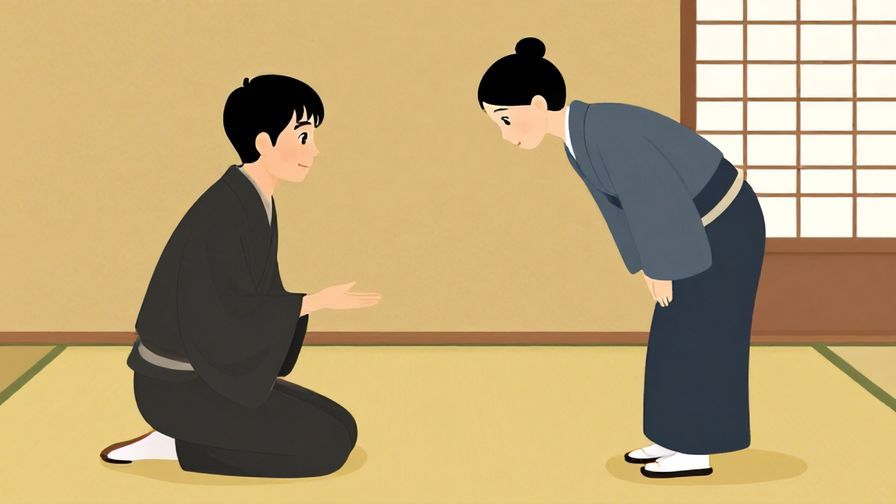
This phrase literally means “As for my name, it is [Name].”
“私の名前” (watashi no namae) means “my name,” and “です” adds politeness.
It’s a bit more formal than just “私は[Name]です.”
Use it when you want to be polite but not overly formal.
A helpful tip: “の” (no) indicates possession, so it connects “I” and “name.”
This is a clear and polite way to say your name in everyday conversation.
5. [Name]って言います ([Name] tte iimasu) – “I’m called [Name].”

“って言います” (tte iimasu) means “called” or “say.”
It’s a natural, slightly casual way to say “My name is…” or “I’m called…”
Use it to sound friendly and approachable.
It’s shorter and lighter than formal introductions.
“って” (tte) is a casual quoting particle, making it feel conversational.
Try this phrase to sound more like a native speaker in everyday chats.
6. [Name]と申します ([Name] to mōshimasu) – “My name is [Name].” (humble/formal)

This is a humble, very polite way to introduce yourself, common in business.
“申します” (mōshimasu) is a humble form of “say,” showing respect.
Use this phrase in formal situations like job interviews or meeting clients.
It’s longer but highly respectful.
“と” (to) is the quoting particle, linking your name to “say.”
Great phrase to master if you want to impress with politeness.
7. [Name]です、よろしくお願いします ([Name] desu, yoroshiku onegaishimasu) – “I’m [Name], nice to meet you.”

This combines your name introduction with a polite phrase meaning “please treat me well.”
It’s a common, friendly way to end an introduction in Japanese.
“よろしくお願いします” (yoroshiku onegaishimasu) adds warmth and politeness.
Use it in both casual and formal introductions.
It’s often said together with your name during first meetings.
This phrase helps you leave a great first impression!
8. 初めまして、[Name]です (Hajimemashite, [Name] desu) – “Nice to meet you, I’m [Name].”

“初めまして” (hajimemashite) means “Nice to meet you” and is said only once at the first meeting.
Follow it with “I’m [Name]” to introduce yourself politely.
It’s a classic phrase used in all kinds of introductions.
Remember, “初めまして” is only for the very first time you meet someone.
It’s a great phrase to start off your introduction on the right foot.
After this, you can continue with a polite or casual conversation.
Part 2: Polite & Formal Suggestions
9. 私は[Name]と申します (Watashi wa [Name] to mōshimasu) – “My name is [Name].” (very formal)

This phrase is a formal and humble way to introduce yourself.
“申します” (mōshimasu) is humble speech, perfect for business or respectful contexts.
It shows respect and professionalism.
Use it when meeting superiors or in official settings.
It’s important not to mix this with casual language to avoid sounding awkward.
Mastering this phrase boosts your professional image greatly.
10. [Name]と申します、どうぞよろしくお願いいたします ([Name] to mōshimasu, dōzo yoroshiku onegai itashimasu) – “My name is [Name], pleased to meet you.”

This is an ultra-polite, formal introduction combining your name and a respectful greeting.
“どうぞよろしくお願いいたします” (dōzo yoroshiku onegai itashimasu) is a very polite way to say “please treat me well.”
Use it for highly formal occasions, like job interviews or important meetings.
It’s the gold standard of respectful introductions.
“いたします” (itashimasu) is the humble form of “to do,” adding extra politeness.
This phrase signals your professionalism and humility.
11. 私は[Name]と申します。よろしくお願いいたします (Watashi wa [Name] to mōshimasu. Yoroshiku onegai itashimasu)

Similar to the previous, this phrase keeps a formal tone but slightly less intense.
It’s polite and humble, great for many formal settings.
Use it in presentations, meetings, or introductions at work events.
Keep your tone respectful and calm.
Remember to bow slightly when saying this phrase to show respect.
Combine it with a smile to appear approachable yet professional.
12. [Name]と申します。どうぞよろしくお願いします ([Name] to mōshimasu. Dōzo yoroshiku onegaishimasu)

This is a balanced formal introduction often used in business.
It sounds respectful but not overly stiff.
“どうぞよろしくお願いします” softens the tone while maintaining politeness.
Avoid using casual words alongside this phrase to keep formality intact.
It’s a versatile expression, fitting for many professional situations.
Practice this phrase to feel confident in formal Japanese environments.
13. [Name]と申します。よろしくお願いいたします。初めまして。 ([Name] to mōshimasu. Yoroshiku onegai itashimasu. Hajimemashite.)

This is a very complete formal introduction including “Nice to meet you.”
Use this when meeting someone important for the first time.
It combines humility, politeness, and proper greeting etiquette.
Ideal for ceremonial or official introductions.
Make sure to practice your bow with this phrase for full effect.
This shows your deep respect and understanding of Japanese culture.
14. 私は[Name]と申します。どうぞよろしくお願いいたします。 (Watashi wa [Name] to mōshimasu. Dōzo yoroshiku onegai itashimasu.)

This is a classic formal introduction used in speeches or presentations.
It clearly states your name and closes with a respectful greeting.
Perfect for professional, academic, or social formal events.
It’s important to maintain a calm and confident tone.
Avoid slang or casual phrases when using this introduction.
This phrase will help you sound polished and respectful in formal Japanese settings.
15. 私は[Name]と申します。よろしくお願いします。 (Watashi wa [Name] to mōshimasu. Yoroshiku onegaishimasu.)

A slightly simpler formal introduction than the previous ones.
It’s polite and humble but easier to remember and use.
Great for daily business interactions or meetings.
“よろしくお願いします” is polite but less formal than “お願いいたします.”
This phrase works well for most professional settings without sounding too stiff.
Try this if you want to sound polite but natural.
16. 私は[Name]と申します。どうぞよろしく。 (Watashi wa [Name] to mōshimasu. Dōzo yoroshiku.)

This is a polite introduction with a shortened polite request.
“どうぞよろしく” is friendly but still respectful.
Suitable for casual business meetings or semi-formal occasions.
Avoid overuse in very formal contexts.
It’s a nice way to keep things polite but light.
Use it to sound approachable while maintaining respect.
Part 3: Very Casual / Native-like Expressions
17. [Name]だよ ([Name] da yo) – “I’m [Name].” (casual, friendly)

This is a very casual, friendly way to say “I’m [Name].”
“だよ” (da yo) adds a soft, conversational emphasis.
Use it with close friends or peers.
It’s informal and not suitable for strangers or formal situations.
“よ” (yo) is a particle that makes the statement more assertive or friendly.
This phrase helps you sound natural and relaxed among friends.
18. [Name]ってば ([Name] tte ba) – “It’s [Name], you know.” (very casual, playful)

“ってば” (tte ba) adds a playful, emphatic tone.
It’s used in very casual and friendly contexts, often among close friends.
It’s like saying “It’s [Name], duh!” in English.
Not appropriate in formal or new encounters.
Great for showing personality and humor.
Use this to sound more native and playful.
19. [Name]だぜ ([Name] da ze) – “I’m [Name].” (casual, masculine, confident)

“だぜ” (da ze) adds a masculine, confident flair to your introduction.
It’s casual and slightly rough in tone.
Use it with close male friends or in informal situations.
Not suitable for polite or formal occasions.
It gives off a cool, self-assured vibe.
Try it when you want to show confidence casually.
20. [Name]って言うんだ (Name tte iun da) – “I’m called [Name].” (casual)

This is a casual way to introduce your name with a bit of explanation.
“って言うんだ” (tte iun da) means “called” or “named.”
It sounds natural in everyday conversation.
Use it when you want to explain your name lightly.
It’s a bit more detailed than just saying “[Name]です.”
This phrase helps you sound conversational and friendly.
21. [Name]って呼んでね ([Name] tte yonde ne) – “Call me [Name], okay?” (friendly, casual)

“って呼んでね” (tte yonde ne) means “call me [Name], okay?”
It’s very casual and friendly, inviting others to use your name.
Great for making friends or informal introductions.
“ね” (ne) softens the request and makes it feel warm.
Use this phrase when you want to be approachable.
This is a great way to sound more native and casual.
22. [Name]でいいよ ([Name] de ii yo) – “You can just call me [Name].” (informal)

This phrase means “Calling me [Name] is fine.”
It’s informal and suggests that no honorifics or formalities are needed.
Use it with close friends or relaxed situations.
It’s a great way to encourage casual addressing.
“でいいよ” (de ii yo) means “is fine” or “is okay.”
Use this to sound easygoing and friendly.
23. [Name]ってばさ ([Name] tte basa) – “It’s [Name], you know.” (very casual, playful emphasis)

“ってばさ” (tte basa) adds emphasis and a playful tone.
It’s very casual, used when talking to close friends.
It’s like saying “Hey, I’m [Name], remember?”
Not appropriate for formal contexts.
It’s good for adding personality to your introduction.
Use it to sound more natural and playful among peers.
24. [Name]なのだ ([Name] nano da) – “I’m [Name].” (informal, cute nuance)

“なのだ” (nano da) adds a cute or explanatory tone to your introduction.
It’s informal and often used in playful or casual speech.
It’s like saying “I’m [Name], you see!”
Great for friendly or fun conversations.
Not suitable for formal introductions.
This phrase helps you sound charming and approachable.
Concluding Thought
Exploring these 24 ways to say “My name is…” in Japanese shows just how rich and nuanced introductions can be.
Choosing the right phrase for the right context not only helps you communicate clearly but also shows respect and understanding of Japanese culture.
Keep practicing, and soon introducing yourself in Japanese will feel as natural as in your native language!