24 Japanese ways to say “Maybe”
Ever found yourself hesitating, wanting to say “maybe” but not sure how to express it naturally in Japanese? You’re not alone! Japanese has a rich variety of ways to say “maybe,” each with its own nuance and vibe.
Whether you’re chatting casually with friends or speaking more formally, knowing these expressions can help you sound more natural and confident. Plus, it adds a little flair to your conversations!
In this list, we’ll explore 24 different ways to say “maybe” in Japanese, with pronunciation guides and easy-to-understand explanations.
From casual phrases to polite expressions and native-like slang, there’s something here for every learner or language enthusiast.
Embracing these variations can make your Japanese feel more authentic and help you understand native speakers better.
Ready to add some new phrases to your Japanese toolbox? Let’s dive in!
Getting Started with “Maybe” in Japanese
Saying “maybe” in Japanese isn’t always straightforward since it depends on context and formality.
Some expressions are perfect for casual chats, while others fit business or polite situations better.
Understanding these nuances makes communication smoother and more natural.
Sometimes, using a great beginner phrasebook can give you a perfect starting point for a cohesive understanding.
Start simple and build up your confidence with these 24 useful ways to say “maybe.”
Let’s explore them in three easy categories: casual, polite, and native-like expressions.
Part 1: Casual Suggestions
1. 行けたら行く (Iketara iku) – “I’ll come if I can.”
This phrase literally means “If I can go, I’ll go.”
It’s a casual way to say “maybe” when you’re unsure about attending or participating. Just combine 行けたら (iketara – if I can go) + 行く (iku – I’ll go).
It sounds natural among friends and conveys a polite hesitation.
Using it shows you’re interested but not committing fully yet.
Similar phrases include 行けるかも (ikeru kamo) meaning “I might be able to go.”
Perfect for invitations when you don’t want to say a definite yes or no straight away.
2. たぶん (Tabun) – “Probably” / “Maybe”

たぶん (tabun) is one of the most common and straightforward ways to say “maybe” or “probably.”
It’s casual but can also be used in polite situations depending on tone.
Easy to remember: just think “tabun = maybe.”
Don’t confuse it with たまに (tamani) meaning “occasionally.”
Example: たぶん行くよ (Tabun iku yo) – “Maybe I’ll go.”
Great for everyday uncertainty without sounding too vague.
3. かもしれない (Kamo shirenai) – “Might be” / “Maybe”
かもしれない (kamo shirenai) is a phrase that means “might” or “maybe.”
It adds a gentle uncertainty to a statement: [statement] + かもしれない.
It’s a bit more formal than たぶん and good for polite conversation.
Important tip: use it with plain form verbs for natural flow.
Example: 雨が降るかもしれない (Ame ga furu kamo shirenai) – “It might rain.”
This phrase helps soften statements when you’re not 100% sure.
4. もしかしたら (Moshikashitara) – “Maybe” / “Perhaps”

もしかしたら (moshikashitara) is a polite way to say “maybe” or “perhaps.”
It’s often used to suggest a possibility with a hopeful tone.
Combine it with かもしれない (kamo shirenai) for extra uncertainty.
Example: もしかしたら彼は来るかもしれない (Moshikashitara kare wa kuru kamo shirenai) – “Maybe he will come.”
Great for polite or formal conversations without sounding too direct.
Practice this phrase to add variety to your expressions of doubt or possibility.
5. どうかな (Dō kana) – “I wonder” / “Maybe”

どうかな (dō kana) literally means “I wonder” and is often used as a casual “maybe.”
It expresses doubt or uncertainty in a friendly way.
Use it when you want to sound thoughtful yet unsure.
It fits well in casual conversations and adds personality.
Example: それができるかどうかな (Sore ga dekiru ka dō kana) – “I wonder if I can do that.”
A great phrase for sounding natural and curious in Japanese.
6. かも (Kamo) – “Maybe” (short form)

かも (kamo) is the short, casual form of かもしれない.
It’s perfect for quick, informal “maybe” responses.
Just add かも to the plain form of verbs or adjectives.
Example: 明日行くかも (Ashita iku kamo) – “Maybe I’ll go tomorrow.”
Keep it casual and light with friends or family.
Great for sounding friendly without overthinking.
7. うーん、どうだろう (Uun, dō darō) – “Hmm, I wonder” / “Maybe”
うーん、どうだろう (uun, dō darō) is a casual way to say “Hmm, maybe I’m not sure.”
It’s conversational and shows you’re thinking something over.
Useful when you want to buy time or express hesitation.
Example: うーん、明日行くかどうかはどうだろう (Uun, ashita iku ka dō ka wa dō darō) – “Hmm, maybe I’ll go tomorrow.”
Perfect for sounding natural in everyday speech.
Try to use it with a gentle tone to avoid sounding negative.
8. そのうち (Sono uchi) – “Eventually” / “Maybe sometime”

そのうち (sono uchi) literally means “within that time” and can imply “maybe eventually.”
It’s often used when you’re not sure when something will happen but it will at some point.
Example: そのうち会えるかもね (Sono uchi aeru kamo ne) – “Maybe we can meet sometime.”
Great for casual talks about uncertain future plans.
Keep it light and open-ended.
This phrase adds a hopeful tone without pressure.
Part 2: Polite & Formal Suggestions
9. 〜かもしれません (Kamo shiremasen) – Polite “maybe”

かもしれません (kamo shiremasen) is the polite version of かもしれない.
Use it in formal or business situations when you want to express uncertainty politely.
This phrase is essential for respectful communication.
Example: 明日雨が降るかもしれません (Ashita ame ga furu kamo shiremasen) – “It might rain tomorrow.”
It’s a safe and professional way to say “maybe.”
Practice this to sound polite and considerate.
10. 〜かもしれず (Kamo shirezu) – Formal written “maybe”
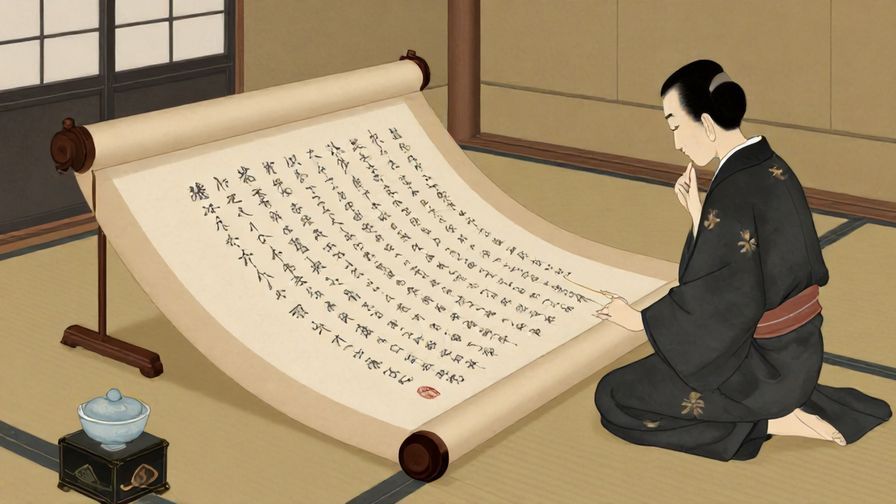
かもしれず (kamo shirezu) is a formal, written form of “maybe.”
Mostly used in literature, reports, or formal writing.
It’s less common in daily conversation but good to recognize.
Example: 予期せぬ事態が起こるかもしれず (Yokisenu jitai ga okoru kamo shirezu) – “An unexpected situation might occur.”
Learning this helps with reading formal Japanese texts.
Don’t worry about using it in daily talk.
11. 〜でしょうか (Deshō ka) – Polite “I wonder” / “Maybe”

でしょうか (deshō ka) is often used to politely express uncertainty or a guess.
It’s like saying “I wonder if…” or “maybe…” in English.
Example: 明日は晴れるでしょうか (Ashita wa hareru deshō ka) – “I wonder if it will be sunny tomorrow.”
It’s great for polite questions or soft guesses.
Remember to keep a respectful tone when using it.
A useful phrase for polite conversations or emails.
12. かもね (Kamo ne) – Polite casual “maybe” with soft ending

かもね (kamo ne) adds a soft, casual nuance to かも, making it polite yet friendly.
It’s great for light conversations where you want to sound gentle.
Example: 明日雨かもね (Ashita ame kamo ne) – “Maybe it will rain tomorrow.”
Using ね (ne) adds a sense of shared feeling or confirmation.
Perfect for polite but relaxed chats.
Practice this to sound warm and approachable.
13. 〜と思います (To omoimasu) – “I think maybe”

と思います (to omoimasu) means “I think,” often used to express a polite guess or maybe.
It softens statements by showing a personal opinion.
Example: 彼は来ると思います (Kare wa kuru to omoimasu) – “I think he will come.”
This phrase is very common and polite.
Great for expressing uncertainty with confidence.
Try pairing it with かもしれません for double politeness.
14. 〜可能性があります (Kanōsei ga arimasu) – “There is a possibility”

可能性があります (kanōsei ga arimasu) means “there is a possibility.”
It’s formal and often used in professional contexts.
Example: 雨が降る可能性があります (Ame ga furu kanōsei ga arimasu) – “There is a possibility it will rain.”
Great for reports, presentations, or serious discussions.
It sounds precise and factual.
Good to know for formal Japanese communication.
15. 〜かも知れませんが (Kamo shiremasen ga) – “Maybe, but…”

かも知れませんが (kamo shiremasen ga) means “maybe, but…” and is polite with a hint of contrast.
It’s useful when you want to suggest uncertainty but also hint at another opinion.
Example: それは正しいかも知れませんが、他の方法もあります (Sore wa tadashii kamo shiremasen ga, hoka no hōhō mo arimasu) – “Maybe that’s correct, but there are other ways too.”
Great for polite debates or negotiations.
It keeps the tone respectful yet clear.
Practice this to handle delicate conversations smoothly.
16. 〜かどうか分かりません (Ka dō ka wakarimasen) – “I don’t know if…”
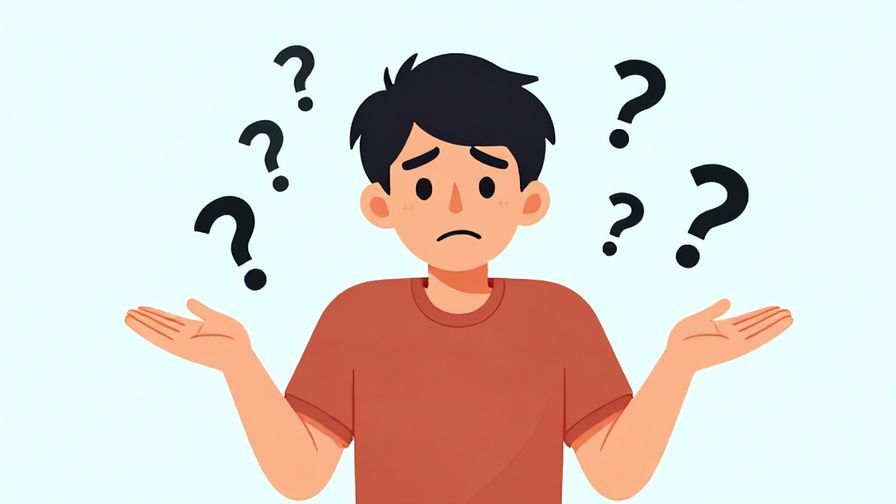
かどうか分かりません (ka dō ka wakarimasen) means “I don’t know if…” which implies “maybe.”
It’s polite and useful when you truly don’t have a definite answer.
Example: 彼が来るかどうか分かりません (Kare ga kuru ka dō ka wakarimasen) – “I don’t know if he will come.”
Use it to honestly express uncertainty.
Great for polite conversations when you don’t want to guess.
It’s a respectful way to say “maybe” indirectly.
Part 3: Very Casual / Native-like Expressions
17. 多分ね (Tabun ne) – Casual “maybe” with friendly tone

多分ね (tabun ne) is a casual, friendly way to say “maybe.”
Adding ね (ne) makes it sound warm and conversational.
Example: 明日行く、多分ね (Ashita iku, tabun ne) – “I’ll go tomorrow, maybe.”
Perfect among close friends or family.
It’s relaxed, easy to say, and very natural.
Use it when you want to sound approachable and informal.
18. どうかね (Dō ka ne) – “I don’t know, maybe” (very casual)

どうかね (dō ka ne) is a very casual phrase meaning “I don’t know, maybe.”
It’s often used by men in informal settings.
Example: それがいいかどうかね (Sore ga ii ka dō ka ne) – “I don’t know if that’s good, maybe.”
Great for sounding native-like but casual.
Don’t use it in formal situations.
It adds a bit of a laid-back vibe to your speech.
19. かもよ (Kamo yo) – “Maybe!” with confident flair

かもよ (kamo yo) adds the particle よ (yo) for emphasis, like saying “maybe!” confidently.
Used among friends to gently push an idea or tease.
Example: 明日行くかもよ!(Ashita iku kamo yo!) – “Maybe I’ll go tomorrow!”
It’s playful and fun, perfect for casual speech.
Use it to show enthusiasm mixed with uncertainty.
Practice this to sound lively and native-like.
20. もしかして (Moshikashite) – “Maybe?” (casual, questioning)
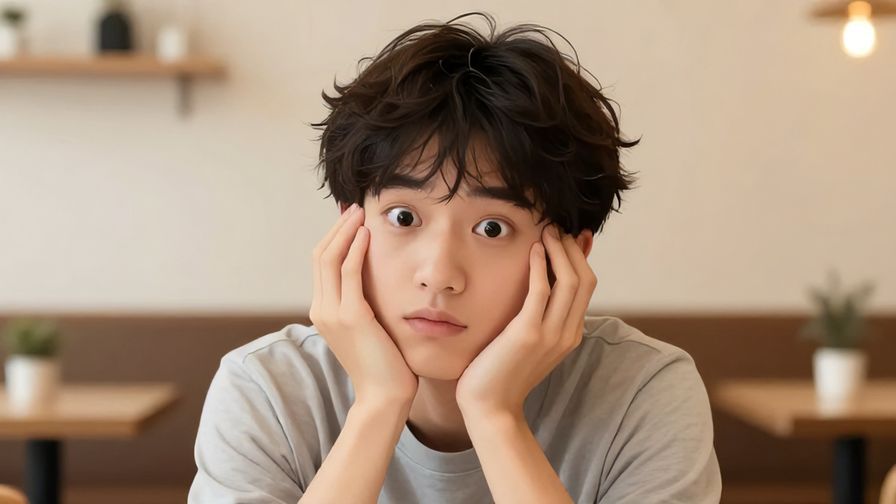
もしかして (moshikashite) is a casual way to say “maybe?” or “could it be?”
It’s often used when you’re guessing or surprised.
Example: もしかして、遅刻した?(Moshikashite, chikoku shita?) – “Maybe you’re late?”
Great for conversational Japanese with friends.
Adds a tone of gentle suspicion or curiosity.
Use it to sound engaged and natural.
21. ひょっとして (Hyottoshite) – “Perhaps” / “Maybe” (colloquial)

ひょっとして (hyottoshite) means “perhaps” or “maybe” in a colloquial, somewhat old-fashioned way.
It’s still used in casual talk and adds a bit of charm.
Example: ひょっとして、忘れた?(Hyottoshite, wasureta?) – “Maybe you forgot?”
It’s less common but great for sounding native-like.
Try it out to add variety and personality.
Perfect for friendly teasing or gentle guesses.
22. どうだろうね (Dō darō ne) – “I wonder, maybe” (casual)

どうだろうね (dō darō ne) is a casual, reflective phrase meaning “I wonder” or “maybe.”
It adds a warm, thoughtful feel to your speech.
Example: 明日雨が降るかどうだろうね (Ashita ame ga furu ka dō darō ne) – “I wonder if it will rain tomorrow.”
Great for casual conversations expressing uncertainty.
Use it to sound reflective and natural.
It’s a friendly phrase for sharing thoughts.
23. かもな (Kamo na) – “Maybe” (rough, masculine casual)

かもな (kamo na) is a rough, masculine casual form of “maybe.”
Use it only with close friends or in informal settings.
Example: 今日は雨かもな (Kyō wa ame kamo na) – “Maybe it will rain today.”
It sounds tough and natural among guys.
Avoid in polite or formal settings.
Great for practicing native-like masculine speech.
24. かな (Kana) – “I wonder” / “Maybe” (soft, feminine or casual)

かな (kana) is a soft, casual way to say “maybe” or “I wonder.”
Often used by women or in gentle speech.
Example: 明日晴れるかな (Ashita hareru kana) – “I wonder if it will be sunny tomorrow.”
It’s simple and sweet.
Use it to add softness and warmth to your questions or guesses.
A lovely phrase to express uncertainty gently.
Concluding Thought
Exploring these 24 ways to say “maybe” in Japanese shows just how rich and nuanced the language can be.
From casual chats to formal discussions, having the right phrase at hand helps you express yourself clearly and naturally.
Keep practicing, try them in real conversations, and enjoy the journey of sounding more like a native speaker every day!