24 Japanese ways to say “Let’s Eat”
Food is one of life’s greatest joys, and sharing a meal is even better. In Japan, there are many warm and inviting ways to say “Let’s eat,” each with its own unique flavor.
Whether you’re dining with friends, family, or coworkers, knowing different expressions can add fun and cultural flair to your meals.
From casual invites to polite requests, these phrases help you connect authentically with Japanese speakers.
Not only will they make your conversations more lively, but they’ll also show your appreciation for Japanese culture and language.
Plus, learning these variations can boost your confidence when joining meals or making new friends.
So, get ready to dig in with these 24 Japanese ways to say “Let’s eat”!
Why Learn Different Ways to Say “Let’s Eat”?
Japanese culture values nuance, and this extends to everyday phrases like inviting someone to eat.
Using the right expression sets the tone—whether casual, polite, or playful—and makes your invitation feel genuine.
It’s a small but meaningful way to connect and share joy around the dining table.
Sometimes, using a great phrasebook for learning Japanese can make it easier to remember and practice.
Mixing and matching expressions helps you sound more natural and keeps things interesting.
Try these phrases out next time you eat with friends or family and feel the difference!
Part 1: Casual Suggestions
1. いただきます (Itadakimasu) – “I humbly receive”
This is the classic phrase said before eating in Japan.
Itadakimasu (ee-tah-dah-kee-mah-su) literally means “I humbly receive,” expressing gratitude for the food and everyone involved in its preparation.
It’s casual enough to use with family and friends but respectful too.
It’s a beautiful way to start any meal and show appreciation.
Although often translated as “Let’s eat,” it carries deeper cultural meaning.
Try saying it with a smile before every meal to connect with Japanese dining traditions.
2. 食べよう (Tabeyou) – “Let’s eat” (casual volitional form)

Tabeyou (tah-beh-yoh) is the casual volitional form of the verb 食べる (taberu), meaning “to eat.”
It’s a straightforward and friendly way to say “Let’s eat” among close friends.
Using volitional form is a very natural way to suggest doing something together.
It sounds cheerful and inviting without being overly formal.
Be mindful not to use this phrase in formal or professional settings.
Next time you’re with close pals, try “Tabeyou!” to kick off mealtime.
3. ご飯にしよう (Gohan ni shiyou) – “Let’s have a meal”
Gohan ni shiyou (goh-han nee shee-yoh) literally means “Let’s make it a meal.”
Gohan means “rice” or “meal,” and shiyou is the volitional form of “to do.”
This phrase is casual and works well when suggesting it’s time to eat.
It’s like saying, “Let’s eat now” or “Let’s have something to eat.”
Great for informal situations when you want to sound relaxed and friendly.
Try it when hanging out with friends or family after a long day.
4. 飲もう、食べよう (Nomou, tabeyou) – “Let’s drink and eat”
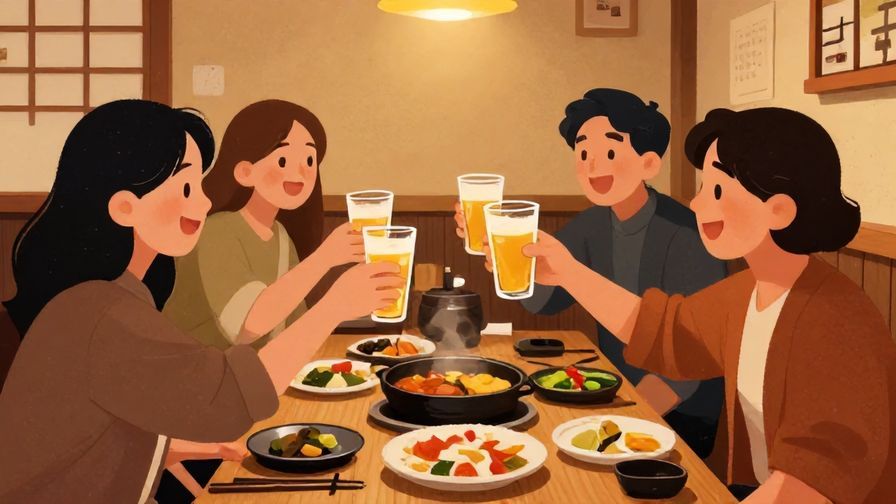
Nomou (noh-moh) is the volitional form of 飲む (nomu), “to drink.”
Pairing “Nomou” and “Tabeyou” together is a fun way to invite people to eat and drink.
It’s casual and perfect for social drinking occasions like izakaya gatherings.
This phrase creates a lively and cheerful vibe.
Good to use among friends in relaxed settings.
It can even signal the start of a party or celebration.
5. ご飯食べよ (Gohan tabeyo) – “Let’s eat rice/meal” (very casual)

Gohan tabeyo (goh-han tah-beh-yoh) is an even more casual and shortened version of “Let’s eat.”
It drops particles for a quick, friendly invitation often used by young people.
It’s like saying “Let’s eat!” in a very informal tone.
Use it with close friends or siblings.
Avoid this phrase in formal or unfamiliar company.
Good for quick invites, especially when hungry and excited!
6. 食べませんか? (Tabemasen ka?) – “Won’t you eat with me?” (polite invitation)

Tabemasen ka? (tah-beh-mah-sen kah) is a polite way to invite someone to eat together.
It literally means “Won’t you eat?” and is often used in formal or semi-formal contexts.
This phrase shows thoughtfulness and respect.
Perfect for inviting colleagues or acquaintances to a meal.
It’s a gentle, courteous way to suggest eating without sounding pushy.
Use it when you want to sound polite and considerate.
7. 食べに行こう (Tabeni ikou) – “Let’s go eat”

Tabeni ikou (tah-beh-nee ee-koh) combines “taberu” (to eat) with “ikou” (let’s go).
It’s an energetic invitation to go out and grab a meal together.
Great for casual outings and spontaneous plans.
It sounds friendly and enthusiastic.
Use it when you want to get moving and enjoy food outside the home.
It’s a natural, everyday expression among friends.
8. 飯行こうぜ (Meshi ikou ze) – “Let’s grab some grub” (very casual, masculine)

Meshi ikou ze (meh-shee ee-koh ze) is a rough, very casual way to say “Let’s go eat.”
“Meshi” is a slang word for “meal” or “food,” often used by men.
“Ze” adds a strong, masculine emphasis, like “let’s do it!”
Use only with close male friends in informal settings.
It’s fun but can sound rude if used in the wrong context.
Perfect for casual hangouts or after-work dinners.
Part 2: Polite & Formal Suggestions
9. 食事にしましょう (Shokuji ni shimashou) – “Let’s have a meal” (formal)

Shokuji ni shimashou (shoh-koo-jee nee shee-mah-shoh) is a polite and formal way to say “Let’s have a meal.”
Shokuji means “meal,” and shimashou is a polite volitional form of “to do.”
It’s suitable for work lunches or formal dinners.
This phrase shows good manners and professionalism.
Use it when inviting someone you don’t know well or in business settings.
It’s a great phrase to sound respectful and considerate.
10. お食事に行きませんか? (O-shokuji ni ikimasen ka?) – “Would you like to go eat?” (polite invitation)

O-shokuji ni ikimasen ka? (oh-shoh-koo-jee nee ee-kee-mah-sen kah) is a polite invitation to go eat together.
Adding the honorific “o” before shokuji makes it more respectful.
This phrase is perfect for invitations in formal or semi-formal situations.
It sounds thoughtful and gentle without being pushy.
Great for coworkers, acquaintances, or new friends.
Use this to show politeness and care in your invitation.
11. 召し上がりましょう (Meshiagarimashou) – “Let’s eat” (very polite)

Meshiagarimashou (meh-shee-ah-gah-ree-mah-shoh) is a very polite way to say “Let’s eat.”
This is the honorific form of “to eat,” used to show great respect.
Perfect for formal occasions or when speaking to elders.
It’s less common in daily casual speech but valued in formal settings.
Use it when you want to be very courteous and refined.
Try it at weddings, ceremonies, or formal dinners.
12. お召し上がりください (O-meshiagari kudasai) – “Please enjoy your meal” (polite request)
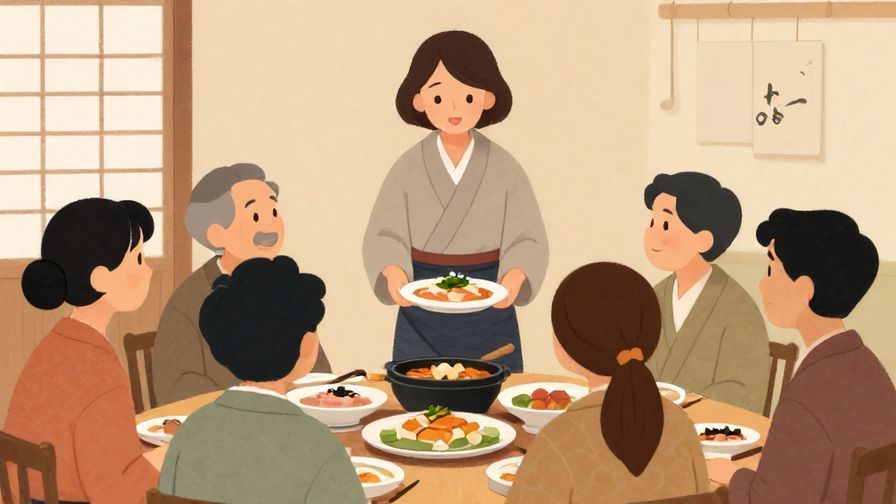
O-meshiagari kudasai (oh-meh-shee-ah-gah-ree koo-dah-sai) is a polite phrase meaning “Please enjoy your meal.”
It’s often said by servers or hosts to guests.
This phrase is respectful and inviting.
Great for formal dining situations or customer service contexts.
Use it when you want to politely encourage someone to start eating.
It conveys warmth and hospitality.
13. そろそろ食事にしましょうか (Sorosoro shokuji ni shimashou ka) – “Shall we eat soon?”

Sorosoro shokuji ni shimashou ka (soh-roh-soh-roh shoh-koo-jee nee shee-mah-shoh kah) is a polite way to suggest it’s time to eat soon.
“Sorosoro” means “soon” or “it’s about time.”
This phrase is tactful and gentle.
Good for formal or semi-formal contexts when you want to prompt the meal without rushing.
Use it to keep the mood relaxed and polite.
It’s a subtle and thoughtful invitation.
14. 一緒に食事しませんか? (Issho ni shokuji shimasen ka?) – “Shall we have a meal together?”

Issho ni shokuji shimasen ka? (eessh-oh nee shoh-koo-jee shee-mah-sen kah) is a polite way to invite someone to eat together.
“Issho ni” means “together,” making it warm and inclusive.
Great for invitations in polite but friendly contexts.
It conveys a sincere wish to share a meal and time.
Use it when inviting coworkers, acquaintances, or new friends.
It’s a balanced phrase between polite and approachable.
15. 食事を始めましょう (Shokuji o hajimemashou) – “Let’s start the meal”

Shokuji o hajimemashou (shoh-koo-jee oh hah-jee-meh-mah-shoh) means “Let’s start the meal.”
This is a polite and formal phrase to begin eating officially.
It’s often used in gatherings or formal meals.
It’s a respectful way to signal mealtime has officially started.
Try it at family celebrations or business dinners.
It helps set a clear, polite tone for the meal.
16. 召し上がってください (Meshiagatte kudasai) – “Please eat” (very polite)
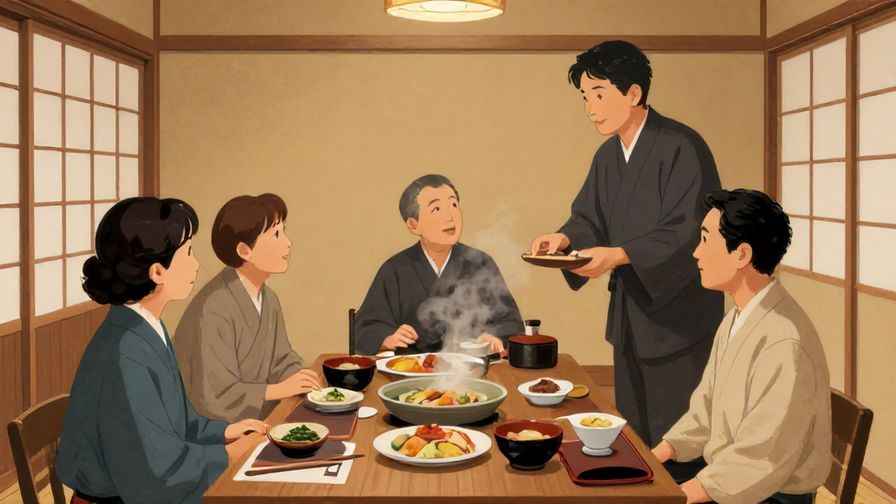
Meshiagatte kudasai (meh-shee-ah-gaht-teh koo-dah-sai) is a polite command form meaning “Please eat.”
It’s very respectful and often used by hosts or servers.
This phrase encourages people warmly to start eating.
Use it in formal dining or hospitality settings.
It’s a courteous way to invite guests.
Perfect for formal meals where manners count.
Part 3: Very Casual / Native-like Expressions
17. めしあがれ! (Meshiagare!) – “Eat up!” (casual, energetic)

Meshiagare! (meh-shee-ah-gah-reh) is a casual and energetic way to say “Eat up!”
It’s friendly and often used to encourage someone to enjoy their food.
Common in informal settings among friends or family.
This phrase sounds lively and warm.
Be careful as it might sound too direct in formal contexts.
Use it when you want to boost energy around mealtime.
18. 食べちゃおう (Tabechaou) – “Let’s just eat” (informal, playful)

Tabechaou (tah-beh-chah-oh) is a playful and informal way to say “Let’s just eat.”
“-chaou” is a casual contraction implying “let’s do it right now.”
It’s great for lighthearted, spontaneous moments.
Use it among close friends or family.
A fun phrase when you don’t want to overthink it.
Perfect for casual meals or snacks.
19. さあ、食べようぜ! (Saa, tabeyou ze!) – “Come on, let’s eat!” (very casual, masculine)

Saa, tabeyou ze! (sah, tah-beh-yoh ze) is a very casual, masculine phrase meaning “Come on, let’s eat!”
“Saa” is a call to action, and “ze” adds emphasis.
Used mostly by men in informal settings.
It’s energetic and friendly but should be used carefully.
Great for buddies hanging out and ready to dive in.
Not suitable for formal or mixed company.
20. 食べてみよう (Tabete miyou) – “Let’s try eating (it)”

Tabete miyou (tah-beh-teh mee-yoh) means “Let’s try eating (it).”
“Miyou” is the volitional form of “miru” (to try).
This phrase is great when tasting new foods together.
It’s casual and inviting.
Use it to encourage adventurous eating.
Works well with friends or family.
21. 食おうぜ! (Kuou ze!) – “Let’s eat!” (very casual, masculine slang)

Kuou ze! (koo-oh ze) is a slangy, very casual way to say “Let’s eat!”
“Kuu” is a rougher verb for “eat,” mostly used by men.
“Ze” adds masculinity and enthusiasm.
Only use with close male friends in informal settings.
Sounds tough and energetic.
Not suitable for polite or formal conversations.
22. 飯食おう (Meshi kuou) – “Let’s eat!” (very casual, rough)

Meshi kuou (meh-shee koo-oh) is another rough and casual phrase meaning “Let’s eat!”
It combines “meshi” (slang for food) and “kuu” (casual eat).
Used only among close male friends.
It emphasizes casual, no-nonsense eating.
Not appropriate for formal or unfamiliar company.
Perfect for casual hangouts or after-work meals.
23. 食べましょう! (Tabemashou!) – “Let’s eat!” (polite volitional)
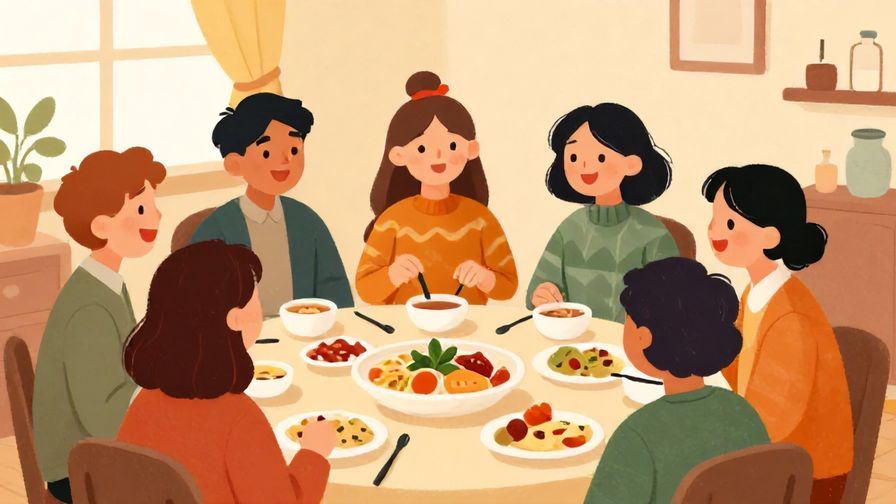
Tabemashou! (tah-beh-mah-shoh) is the polite volitional form of “to eat.”
It means “Let’s eat!” in a polite but friendly way.
Suitable for a wide range of situations from casual to semi-formal.
It sounds inviting without being too casual or stiff.
Use it with friends, family, or polite acquaintances.
A versatile phrase that keeps the mood positive.
24. さあ、いただこう! (Saa, itadakou!) – “Come on, let’s eat!” (warm, inviting)
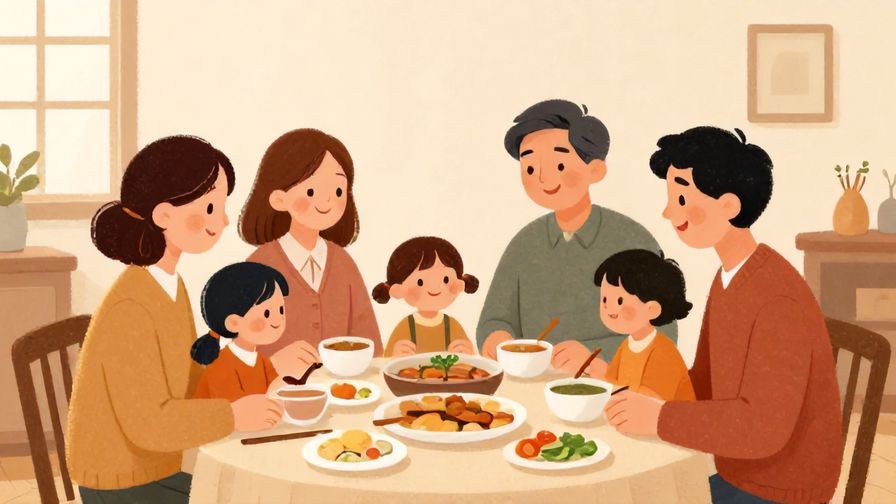
Saa, itadakou! (sah, ee-tah-dah-koh) combines “saa” (come on) and “itadakou,” the volitional form of “itadaku” (humble “to receive”).
It’s a warm, inviting way to say “Let’s eat!”
Great for family meals or close friends.
It expresses both excitement and gratitude.
Use it to bring a positive, connected feeling to the table.
A lovely phrase to create a welcoming atmosphere.
Concluding Thought
Exploring different ways to say “Let’s eat” in Japanese opens the door to richer, more engaging mealtime experiences.
Whether casual, polite, or playful, each phrase carries its own unique warmth and nuance.
So next time you’re ready to share a meal, try one of these expressions and enjoy the delicious connection it creates!