24 Japanese ways to say “I’m Tired”
Feeling tired is something we all experience, and expressing it in another language can be both fun and useful. Japanese offers many colorful ways to say “I’m tired,” each with its unique nuance and context.
Whether you want to sound casual, polite, or just native-like, this list has you covered. These expressions can help you connect better with native speakers and add warmth to your conversations.
You might find some phrases perfect for chatting with friends, while others suit formal situations or even texting. Learning a variety of ways keeps your Japanese fresh and relatable.
By the end of this article, you’ll have 24 different expressions to describe your tiredness in Japanese, making your language skills even more expressive and human.
Plus, mixing these phrases into your daily life can make conversations more natural and fun. Ready to expand your Japanese fatigue vocabulary?
Let’s dive into these warm, informal, and native-like ways to say “I’m tired” in Japanese!
Understanding the Basics First
Before we jump into the list, it’s good to know the most basic way to say “I’m tired” in Japanese: 疲れた (つかれた, tsukareta), which means “I’m tired” or “I’m exhausted.”
From there, you can learn softer, more polite, or more casual variations depending on the situation. Japanese is all about context!
Using the right tired expression can help you sound more natural and considerate.

If you want to explore more, a great Japanese learning book can help you get comfortable with these phrases and their usage.
Remember, practice makes perfect, and mixing in these expressions will make your Japanese feel more genuine and friendly.
Let’s get started with some casual ways to say “I’m tired.”
Part 1: Casual Suggestions
1. 疲れた (Tsukareta) – “I’m tired.”
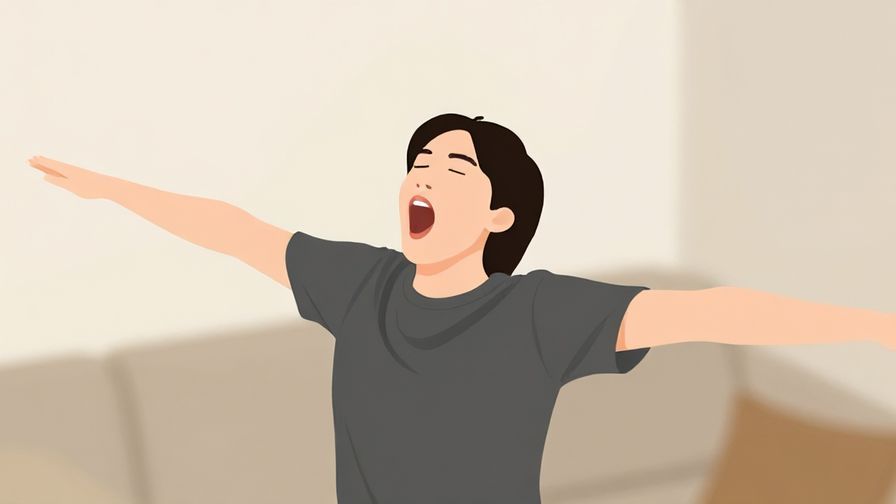
This is the most basic and straightforward way to say “I’m tired” in Japanese.
Just say 疲れた (つかれた, tsukareta) after a long day or hard work. It’s casual, so use it with family, friends, or close coworkers.
Because it’s so common, you’ll hear it a lot in everyday conversations.
It’s a simple phrase but very effective to express genuine exhaustion.
You can also say 疲れたよ (tsukareta yo) to add a soft emphasis, like “I’m really tired.”
Try using it today whenever you feel worn out—it’s an instant connection to how many Japanese speakers express fatigue.
2. 眠い (Nemui) – “I’m sleepy.”

When your tiredness is more about needing sleep, 眠い (ねむい, nemui) is perfect.
This adjective literally means “sleepy” and is used when your eyes feel heavy and you want to rest.
It’s casual and often used among friends or family.
Just say 眠い to gently express that you’re dragging because of tiredness.
Related phrases include すごく眠い (sugoku nemui) for “really sleepy,” which amps up the feeling.
Next time you’re nodding off, try saying this to sound natural and relatable.
3. だるい (Darui) – “I feel sluggish/tired.”

だるい (だるい, darui) describes feeling physically sluggish or heavy due to tiredness.
This word is common when your body feels weighed down but not necessarily sleepy.
It’s a casual, everyday expression often used among friends and coworkers.
It’s handy to describe that “dragging” feeling you get after a long day.
Pair it with 疲れた for a fuller expression, like 疲れてだるい (tsukarete darui) meaning “tired and sluggish.”
Use it when you want to say your energy is just not there without sounding too formal.
4. クタクタ (Kutakuta) – “Completely worn out.”
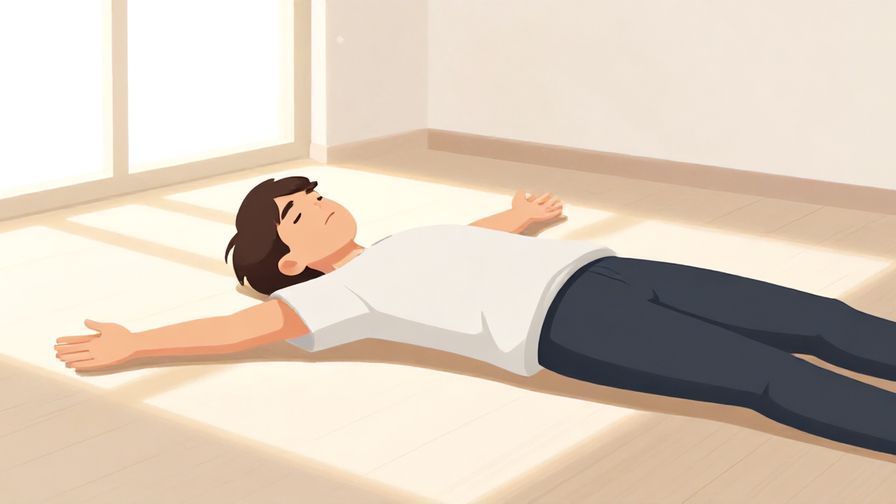
クタクタ (kutakuta) is an onomatopoeic word that means “completely exhausted” or “worn out.”
It’s casual and very vivid, often used to explain extreme tiredness after physical or mental work.
It’s like saying “I’m beat” or “I’m wiped out” in English.
Using this word can add a strong emotional touch to your tiredness.
People often say クタクタだよ (kutakuta dayo) to emphasize the feeling.
Try it when you want to dramatically express your exhaustion in a friendly way.
5. もう疲れた (Mou tsukareta) – “I’m tired already.”
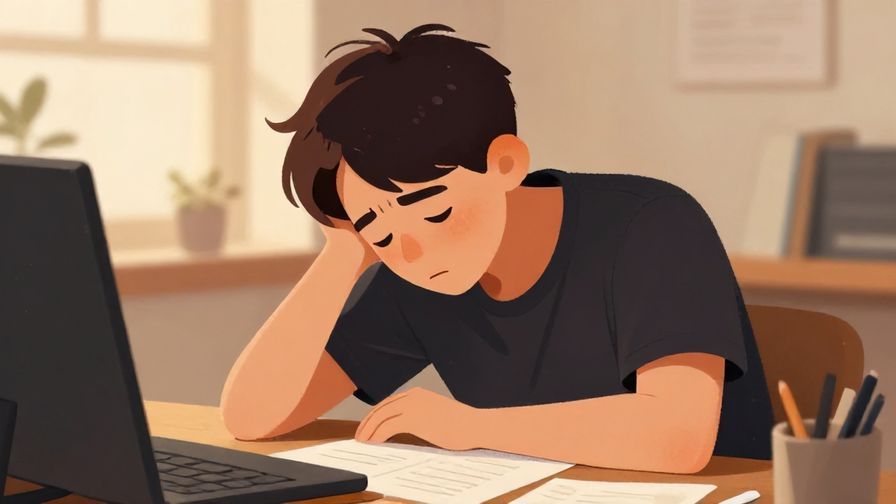
もう (mou) means “already,” so もう疲れた (もうつかれた, mou tsukareta) means “I’m tired already.”
This phrase expresses that the tiredness came sooner than expected or faster than you wanted.
It’s casual and quite common in daily conversations.
Perfect to use when you want to lightly complain or share your fatigue.
You can soften it further by adding よ (yo) at the end for emphasis.
It’s a relatable phrase that many Japanese people use to commiserate about feeling drained.
6. 今日は疲れたな (Kyou wa tsukareta na) – “I’m tired today.”

今日は (きょうは, kyou wa) means “today,” so this phrase means “I’m tired today.”
Add な (na) at the end for a casual, conversational tone, like talking to a close friend.
This phrase is great for opening up a conversation about your day in a natural way.
It’s simple but effective and sounds very natural in everyday speech.
You can adjust the day part to any other day, like 昨日は疲れた (Kinou wa tsukareta) for “I was tired yesterday.”
It’s an easy phrase to start sharing your feelings about tiredness.
7. バテた (Bate ta) – “I’m exhausted.”
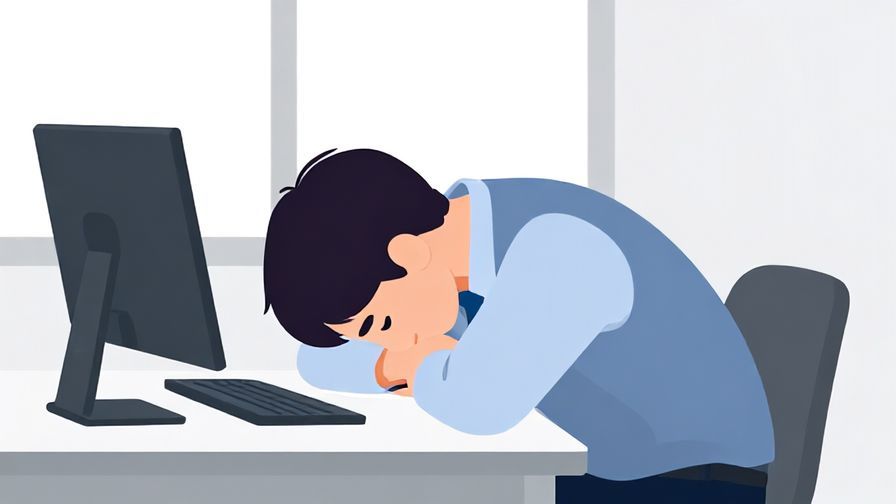
バテた (bate ta) is a slangy way to say you’re exhausted or worn out.
It comes from バテる (bateru), which means to become fatigued, especially from heat or hard work.
It’s very casual and often used by younger people.
Great for informal chats when you want to say “I’m totally wiped.”
People might also say バテバテ (batebate) for extra emphasis.
Use it to sound like a native speaker when describing being drained.
8. しんどい (Shindoi) – “I’m tired/it’s tough.”
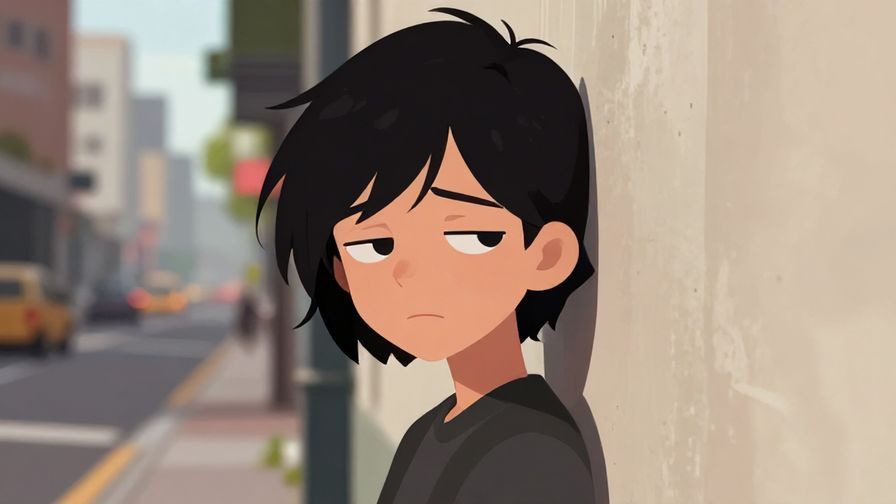
しんどい (shindoi) is a Kansai dialect word commonly used to say “I’m tired” or “it’s tough.”
It’s casual but very expressive and conveys both physical and mental tiredness.
Used widely in western Japan but understood everywhere in Japan.
It’s perfect when you want to say you’re struggling or just plain exhausted.
Try using it with friends to sound more casual and native-like.
It’s a warm way to express your tiredness without sounding too formal.
Part 2: Polite & Formal Suggestions
9. 疲れました (Tsukaremashita) – “I’m tired.” (polite)

This is the polite form of 疲れた (tsukareta), appropriate in formal situations.
Use 疲れました (つかれました, tsukaremashita) when talking to coworkers, teachers, or anyone you want to show respect to.
It’s clear, polite, and widely accepted in professional settings.
Good to know for business conversations or when you want to sound courteous.
You can combine it with お疲れ様です (otsukaresama desu), a respectful phrase meaning “thank you for your hard work.”
Using polite forms shows your language skills and social awareness.
10. お疲れですか? (Otsukare desu ka?) – “Are you tired?” (polite)

お疲れですか? (おつかれですか, otsukare desu ka?) is a polite way to ask someone if they are tired.
It’s a caring phrase often used by colleagues or friends to check in on someone’s well-being.
Knowing how to ask this shows empathy and cultural sensitivity.
It’s great to use when you notice someone looks drained but want to be gentle.
People often respond with はい、疲れました (hai, tsukaremashita) meaning “Yes, I’m tired.”
Using this phrase can deepen your social connections in Japan.
11. ご苦労様です (Gokurousama desu) – “Thank you for your hard work.”
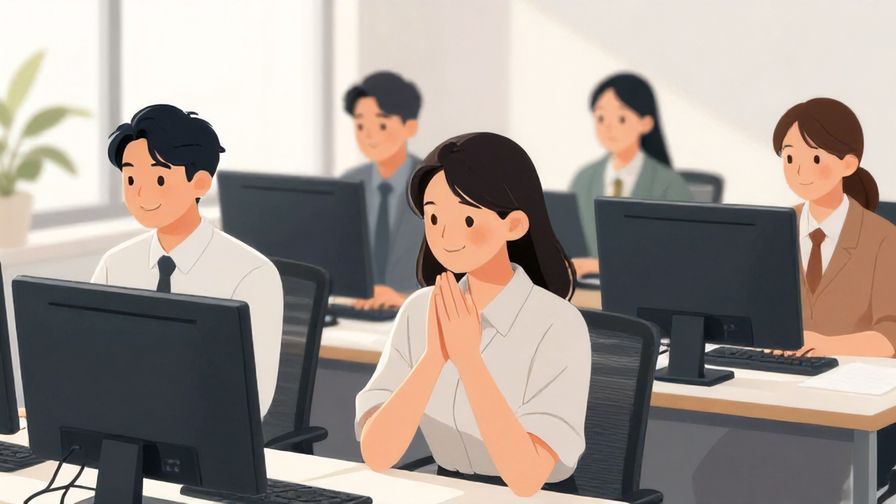
While not exactly “I’m tired,” this phrase acknowledges effort and fatigue politely.
ご苦労様です (ごくろうさまです, gokurousama desu) is used by superiors to juniors to appreciate their hard work.
It’s a respectful way to recognize someone’s exhaustion indirectly.
Use it carefully because it’s directional and usually not said to superiors.
It’s common in workplaces and formal events to express thanks and acknowledge tiredness.
Learning this phrase helps you understand Japanese work culture nuances.
12. お疲れ様です (Otsukaresama desu) – “Thank you for your hard work.”

お疲れ様です (おつかれさまです, otsukaresama desu) is a polite phrase used to acknowledge tiredness and hard work.
It’s often said when leaving work or after a shared effort.
This phrase can act like “Good job today” or “Thanks for your efforts.”
It’s polite but used frequently in casual and formal settings.
People say it to each other as a daily greeting or farewell at work.
Mastering this phrase makes your Japanese sound culturally fluent.
13. お疲れ様でした (Otsukaresama deshita) – “Thank you for your hard work.” (past tense)

This is the past tense form of お疲れ様です, expressing thanks for completed work.
お疲れ様でした (otsukaresama deshita) is perfect when leaving the office or finishing a big task.
It shows respect and appreciation for effort that’s now over.
It’s polite and very commonly used in Japanese business culture.
Using this phrase appropriately can help you fit in socially at work.
It’s a kind way to recognize tiredness and effort from others.
14. お休みなさい (Oyasumi nasai) – “Good night.”

When tiredness means it’s time to sleep, お休みなさい (おやすみなさい, oyasumi nasai) is a polite “Good night.”
Used before going to bed, it implies you’re ready to rest because you’re tired.
It’s polite enough for any situation, from family to coworkers.
Saying this phrase is a lovely way to close conversations when you’re tired.
It’s also a sign of good manners and warmth.
Keep this phrase handy for nighttime chats or farewells.
15. ちょっと疲れました (Chotto tsukaremashita) – “I’m a little tired.”

Adding ちょっと (chotto) means “a little,” so this phrase softens the tiredness.
It’s polite and casual, great for when you want to say you’re somewhat tired but okay.
This phrase works well in conversations where you don’t want to complain too much.
It’s a gentle way to express fatigue without sounding negative.
You can use it at work or with friends for a light-hearted tone.
Perfect for those “slightly tired” moments that happen to all of us.
16. 少し疲れています (Sukoshi tsukareteimasu) – “I’m a bit tired.” (polite)

少し (すこし, sukoshi) means “a little,” and 疲れています (つかれています, tsukareteimasu) is the polite continuous form of “to be tired.”
It’s a polite, slightly formal way to describe mild tiredness.
Good for conversations with people you don’t know well or in polite settings.
It expresses your condition clearly without sounding too heavy.
Try it if you want to sound respectful yet honest about your fatigue.
It’s a versatile phrase for everyday polite use.
Part 3: Very Casual / Native-like Expressions
17. 眠すぎる (Nemusugiru) – “I’m way too sleepy.”

眠すぎる (ねむすぎる, nemusugiru) combines 眠い (sleepy) with すぎる (too much), meaning “too sleepy.”
This is a very casual, native-like way to exaggerate your sleepiness.
It’s great for chatting with close friends when you’re about to crash.
It adds a fun, expressive nuance to your tiredness.
Use it when you want to sound natural and convey that you’re seriously ready for bed.
It’s easy to remember once you know 眠い and すぎる separately.
18. バテバテ (Batebate) – “Totally wiped out.”
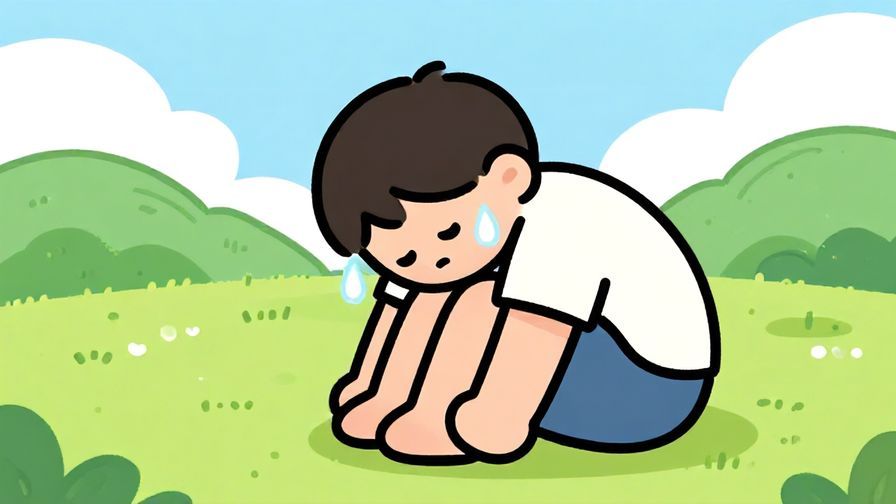
Doubling バテ (bate) creates バテバテ (batebate), emphasizing exhaustion.
This casual slang phrase means “completely wiped out” or “dead tired.”
It’s often used in informal speech, especially among young people.
Perfect for expressing extreme fatigue with a bit of humor.
Great to use after a long, hot day or a tough workout.
Try it with friends for a lively, native vibe.
19. だるだる (Darudaru) – “Feeling super sluggish.”
Doubling だるい (darui) to だるだる (darudaru) intensifies the sluggish feeling.
It’s casual and sounds native-like, adding a playful tone to tiredness.
People use it when they feel especially lazy or low on energy.
It’s a fun way to say you’re too tired to even move properly.
Great for texting friends or joking about your fatigue.
Memorize it to add some personality to your tired expressions.
20. 眠くてしょうがない (Nemukute shouganai) – “I’m unbearably sleepy.”

眠くてしょうがない (ねむくてしょうがない, nemukute shouganai) means “I’m so sleepy I can’t help it.”
しょうがない means “can’t be helped,” so this phrase expresses uncontrollable tiredness.
Very casual and expressive, it’s great for showing you’re struggling to stay awake.
Use it with friends or family to sound natural and relatable.
It’s a longer phrase but very common in spoken Japanese.
Perfect for those moments when sleepiness is overwhelming.
21. 体が重い (Karada ga omoi) – “My body feels heavy.”
体が重い (からだがおもい, karada ga omoi) literally means “my body is heavy.”
It’s a native-like way to say you feel physically tired or sluggish.
The phrase paints a vivid picture of fatigue weighing you down.
Useful in casual conversations when you want to sound descriptive and natural.
Often used when tiredness affects your movement or mood.
Try this one to add some color to your tired expressions.
22. もう限界 (Mou genkai) – “I’ve reached my limit.”’

もう限界 (もうげんかい, mou genkai) means “I’ve reached my limit.”
It’s a casual, native-like way to say you’re completely tired or can’t go on anymore.
This phrase carries a stronger emotional punch than just “I’m tired.”
Perfect for expressing mental or physical burnout.
Use it in informal chats when you want to be dramatic but understood.
It helps convey that you need a serious break or rest.
23. 眠気がヤバい (Nemuke ga yabai) – “My sleepiness is intense.”
眠気がヤバい (ねむけがやばい, nemuke ga yabai) means “my sleepiness is crazy.”
ヤバい (yabai) is a slang word meaning “serious” or “intense.”
This phrase is very casual and native-like, used by younger speakers.
Great for emphasizing how hard it is to stay awake.
Use it with friends or in informal settings.
It’s a fun phrase to sound trendy and natural.
24. クタクタで動けない (Kutakuta de ugokenai) – “I’m so tired I can’t move.”
クタクタで動けない (くたくたでうごけない, kutakuta de ugokenai) means “I’m worn out and can’t move.”
This phrase is very descriptive and casual, showing extreme tiredness.
動けない (ugokenai) means “can’t move,” reinforcing the exhaustion.
It’s a vivid way to say you’re completely drained physically.
Perfect for storytelling or expressing total fatigue.
Use it when you want to dramatize your tiredness in a friendly way.
Concluding Thought
Exploring these 24 ways to say “I’m tired” in Japanese shows just how rich and nuanced the language can be when expressing everyday feelings.
From casual slang to polite expressions, each phrase helps you connect more authentically with native speakers and their culture.
Next time you feel fatigued, try one of these warm, informal expressions to share your mood naturally and with a little Japanese flair. Ganbatte — you’re doing great!