24 Japanese ways to say “I’m Sorry”
Apologizing is an art in every language, and Japanese offers so many beautiful ways to express “I’m sorry.”
Whether you’re in a casual chat or a formal setting, knowing different apologies can help you connect genuinely.
In this listicle, you’ll discover 24 warm, informal, and relatable Japanese expressions for saying sorry.
Each phrase comes with easy pronunciation guides and contexts so you can use them naturally.
Apologies aren’t just about words—they’re about feelings, and these Japanese phrases capture that perfectly.
So, let’s dive in and explore how to say “I’m sorry” in Japanese with heart and style!
Understanding Apologies in Japanese Culture
Apologizing in Japan goes beyond just saying “sorry.”
It’s often about humility, respect, and the relationship between people.
Different situations call for different levels of apology, from casual to very formal.
Sometimes, using a great beginner phrasebook can give you a perfect starting point for a cohesive understanding.
Learning the right phrase for the right moment makes your apology feel sincere and effective.
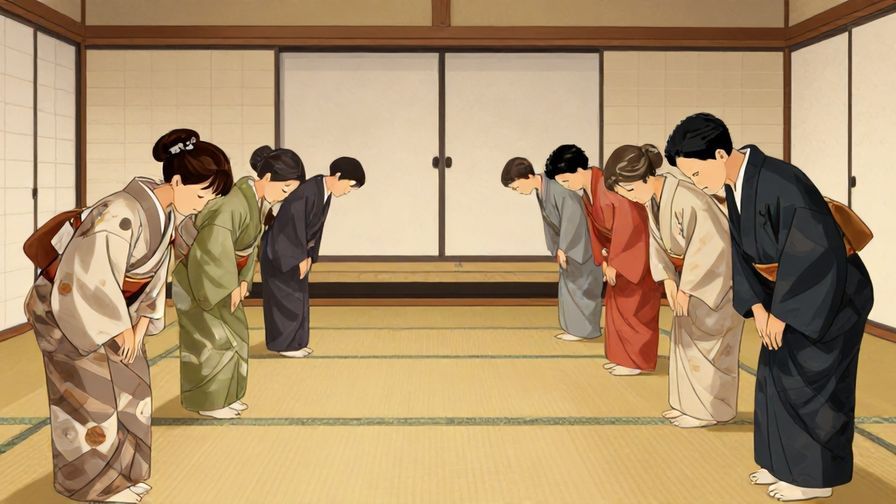
Even small gestures, like a bow or tone of voice, matter a lot in Japanese apologies.
Part 1: Casual Suggestions
1. ごめん (Gomen) – “Sorry”

This is the simplest and most common casual apology.
“Gomen” (ごめん / go-men) literally means “sorry” and is perfect among friends or family when you make a small mistake.
It’s quick, friendly, and easy to remember.
Because it’s informal, avoid using it with strangers or in serious situations.
You can also say “ごめんね” (gomen ne) to sound a bit softer and more caring.
Start with “gomen” to get comfortable apologizing naturally in casual settings.
2. ごめんなさい (Gomen nasai) – “I’m really sorry”

This is a polite but still conversational way to apologize.
“Gomen nasai” (ごめんなさい / go-men na-sai) adds respect with “nasai,” making it more heartfelt than just “gomen.”
It works well in daily life when you want to sound sincere without being too formal.
It’s a great phrase for apologies that feel a bit more serious but still casual.
Pair it with a small bow or soft eye contact to increase sincerity.
Using “gomen nasai” can help smooth over most everyday oops moments.
3. 悪い (Warui) – “My bad”

“Warui” (悪い / wa-ru-i) literally means “bad,” but is often used like “my bad” or “sorry” informally.
It’s useful among close friends when admitting fault in a lighthearted way.
It’s short and informal, so save it for fun, relaxed contexts.
Because it’s very casual, don’t use it in professional or serious settings.
You might hear it combined with “すまん” (suman) for a rougher “sorry.”
“Warui” adds a native-like flavor when you want to sound easygoing yet apologetic.
4. ちょっと悪かった (Chotto warukatta) – “I was a bit wrong”

This phrase admits a small mistake politely.
“Chotto” (ちょっと / cho-tto) means “a little,” and “warukatta” (悪かった / wa-ru-ka-tta) is the past tense of “bad.”
It’s a humble way to say “I messed up a bit” without sounding too harsh.
Great for casual apologies when you want to take responsibility gently.
Try it when you want to acknowledge fault but keep the tone light.
It’s a natural way to soften your apology among friends or coworkers.
5. すまない (Sumanai) – “Sorry” (old-fashioned, masculine)
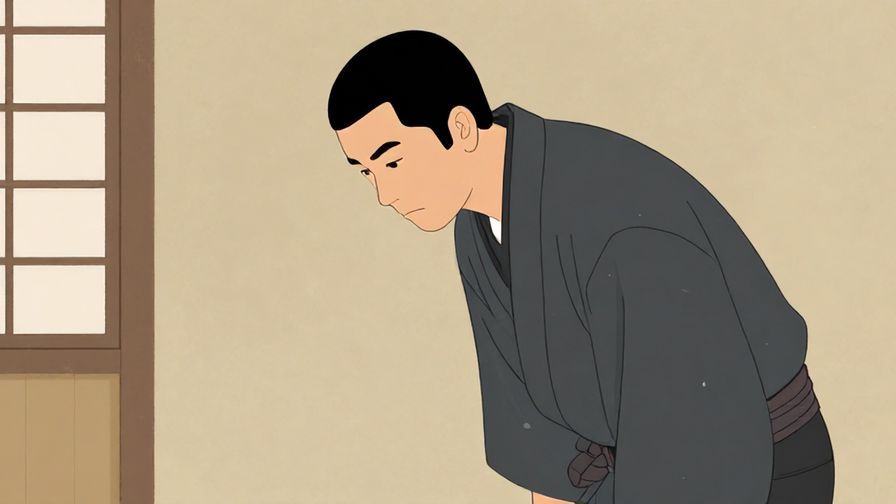
“Sumanai” (すまない / su-ma-na-i) is a humble apology often used by men.
It’s old-fashioned but still common in some contexts, especially in anime or among close male friends.
It shows genuine regret but isn’t as soft as “gomen.”
Avoid overusing it if you want to sound modern or casual.
It pairs well with serious or slightly formal apologies among friends or colleagues.
For a softer tone, use “すみません” (sumimasen) instead.
6. 申し訳ない (Moushi wake nai) – “I’m terribly sorry”
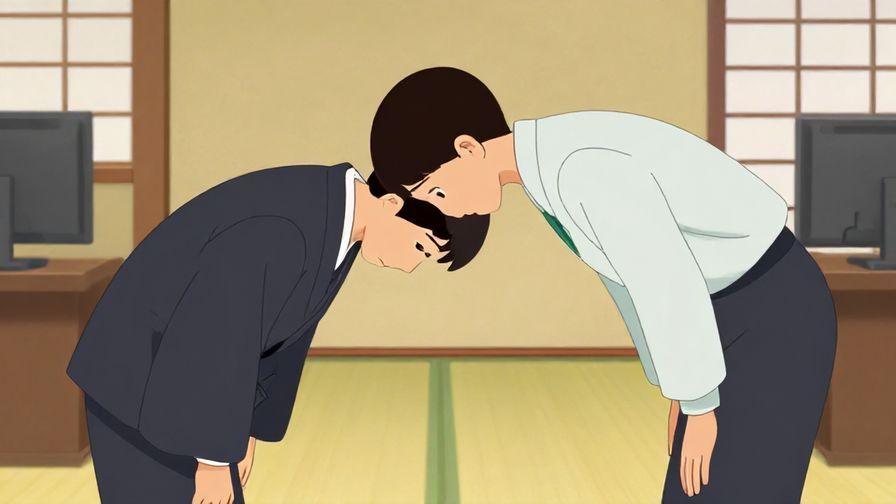
“Moushi wake nai” (申し訳ない / mo-u-shi-wa-ke na-i) is a stronger apology.
It literally means “there is no excuse,” showing deep regret for serious mistakes.
It’s polite but can still be used casually among adults in serious situations.
Use it when you want to emphasize that you feel truly sorry.
Often heard in customer service or formal apologies, but can be softened in conversation.
Memorizing this phrase helps you handle bigger oops moments with respect.
7. すみません (Sumimasen) – “Excuse me / Sorry”
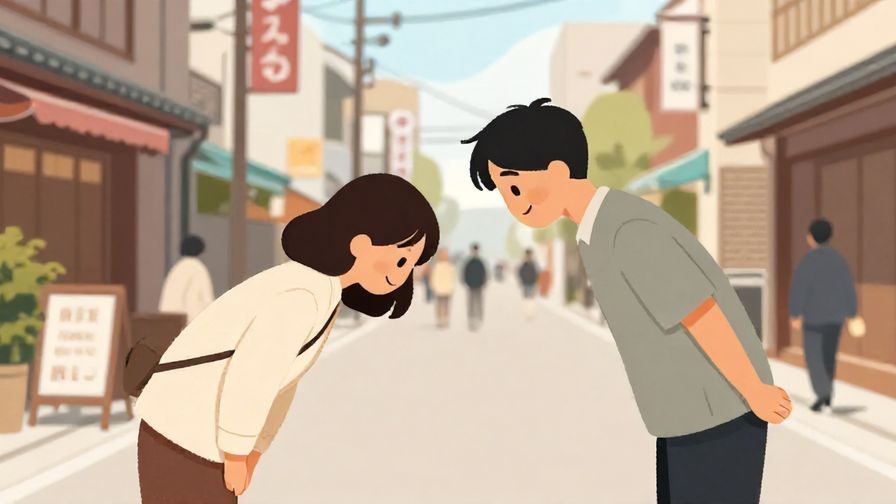
“Sumimasen” (すみません / su-mi-ma-sen) is versatile: it means “excuse me,” “thank you,” and “sorry.”
It’s polite but common in everyday life, especially when apologizing for small inconveniences.
Great for strangers, shops, or mild apologies.
It’s also a polite way to get someone’s attention, so context matters.
Combine it with a bow or smile to show genuine regret.
“Sumimasen” is a must-know for polite, casual apologies in Japan.
8. 悪かったね (Warukatta ne) – “My bad, okay?”

This phrase is a casual, friendly apology.
“Warukatta” (悪かった / wa-ru-ka-tta) means “I was wrong,” and “ne” adds a soft ending like “right?” or “okay?”.
It’s perfect with close friends to admit small mistakes playfully.
Use it to keep the mood light while still owning up.
It’s a great phrase to practice for informal conversations.
“Warukatta ne” sounds natural and warm, like a native speaker.
Part 2: Polite & Formal Suggestions
9. 申し訳ありません (Moushi wake arimasen) – “I’m very sorry”

This is a more formal version of “moushi wake nai.”
“Arimasen” (ありません) adds a polite negative, making it very respectful.
It’s often used in business or serious apologies.
Use it when you want to sound humble and professional.
It’s a great phrase to keep in your toolkit for work or formal occasions.
Practice with this one to show sincere remorse with respect.
10. お詫びします (O-wabi shimasu) – “I apologize”

“O-wabi shimasu” (おわびします / o-wa-bi shi-ma-su) is a polite phrase meaning “I apologize.”
“O-” is an honorific prefix, and “wabi” means “apology.”
It’s often used in written apologies but also spoken formally.
Perfect for customer service, official letters, or serious conversations.
Use it to sound respectful and clear in your apology.
It’s a must-know for formal Japanese communication.
11. 失礼しました (Shitsurei shimashita) – “I was rude” / “Excuse me”
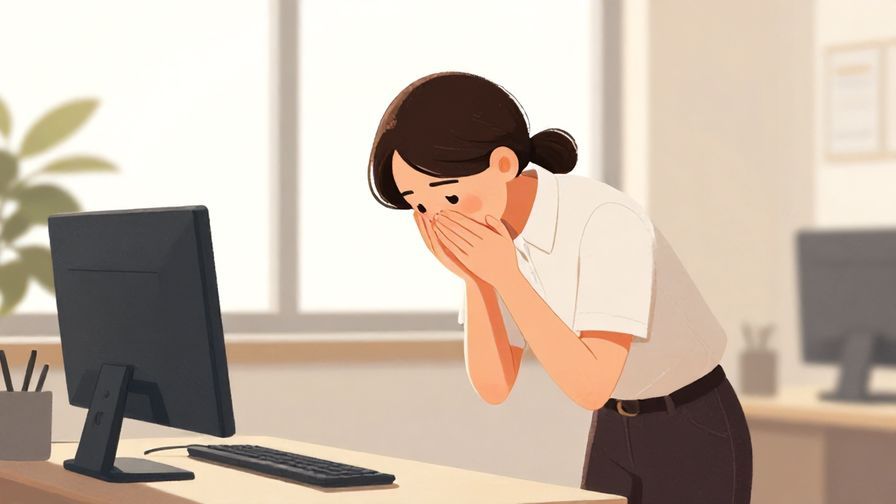
“Shitsurei shimashita” (失礼しました / shi-tsu-re-i shi-ma-shi-ta) means “I was rude” or “excuse me for my rudeness.”
It’s a polite apology used when you’ve inconvenienced or disturbed someone.
Use it in formal or semi-formal contexts.
It’s also a way to politely leave or interrupt.
Great for workplace or customer interactions.
Mastering this phrase helps maintain politeness in tricky moments.
12. お許しください (O-yurushi kudasai) – “Please forgive me”
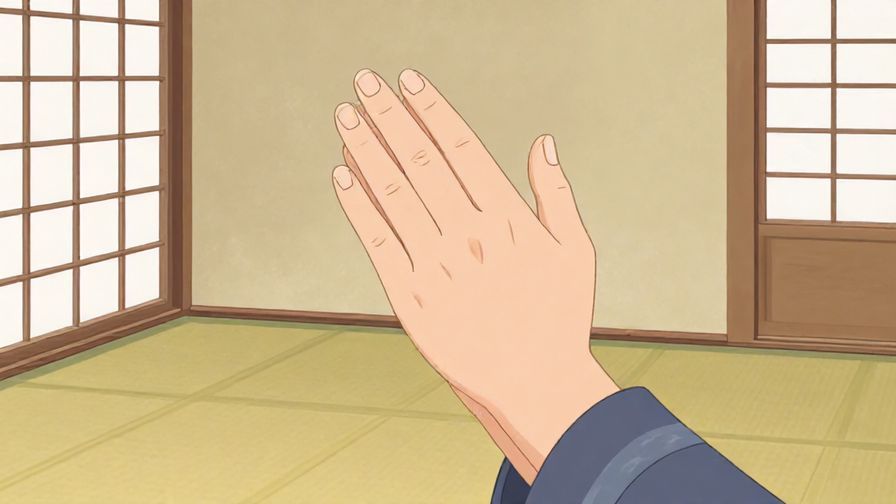
“O-yurushi kudasai” (おゆるしください / o-yu-ru-shi ku-da-sa-i) means “please forgive me.”
“O-” is polite, “yurushi” means “forgiveness,” and “kudasai” is “please.”
Use this phrase to ask for forgiveness formally and sincerely.
It’s often said when an apology needs acceptance.
Perfect for serious mistakes requiring a humble request.
Use it to show deep respect and regret.
13. 恐れ入ります (Osore irimasu) – “I’m terribly sorry / Excuse me”
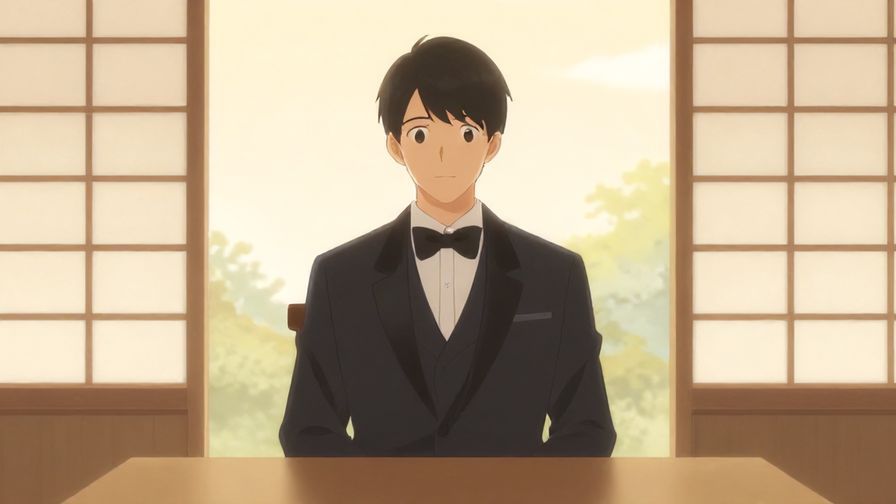
“Osore irimasu” (恐れ入ります / o-so-re i-ri-ma-su) is a very polite phrase meaning “I’m terribly sorry” or “excuse me.”
It expresses humility and respect, often used in business.
It’s less common among friends, but essential in professional contexts.
Use it when you want to show serious apology or gratitude.
It sounds very respectful and sincere.
Good for formal conversations or service industry situations.
14. お詫び申し上げます (O-wabi moushi agemasu) – “I sincerely apologize”

“O-wabi moushi agemasu” (おわびもうしあげます / o-wa-bi mo-u-shi a-ge-ma-su) is a very formal and sincere apology.
It combines “apology” with a respectful phrase meaning “I offer.”
Used in official statements or very serious apologies.
Use this when you need to sound deeply respectful and remorseful.
It’s a phrase often heard in business or public apologies.
Knowing this helps you navigate formal Japanese with confidence.
15. ご迷惑をおかけしてすみません (Gomeiwaku o okake shite sumimasen) – “Sorry for causing trouble”

This phrase means “sorry for causing inconvenience or trouble.”
“Gomeiwaku” (ごめいわく) means “trouble,” and “sumimasen” adds politeness.
It’s perfect for formal apologies when you’ve disturbed someone.
Use it especially in work or public settings.
Shows awareness of others’ inconvenience and takes responsibility.
It’s a thoughtful phrase that goes beyond just “sorry.”
16. お詫び申し上げます (O-wabi moushi agemasu) – “I sincerely apologize”

This phrase is a humble and formal apology.
It’s often used in official statements or customer service.
It expresses deep remorse and respect.
Perfect for situations where you want to be very polite and serious.
Using this phrase shows you understand the gravity of the mistake.
It’s a great addition for anyone wanting to master formal Japanese apologies.
Part 3: Very Casual / Native-like Expressions
17. すまん (Suman) – “Sorry” (very casual, masculine)

“Suman” (すまん / su-man) is a rougher, masculine way to say sorry.
It’s very casual and often used among close male friends.
Use it only when you’re sure it fits the vibe—too casual for formal or polite situations.
It shows you’re owning up but in a blunt, easygoing way.
It’s common in anime or daily male conversations.
Great for sounding native-like in informal settings.
18. 悪かったよ (Warukatta yo) – “My bad, seriously”

This phrase is casual and adds emphasis with “yo.”
“Warukatta” means “I was wrong,” and “yo” adds friendliness or emphasis.
It’s perfect among friends when you want to be casual yet sincere.
Use it to admit fault and keep the mood light.
It sounds natural and easygoing.
Try using it to build rapport and show you’re genuine.
19. 悪いな (Warui na) – “Sorry, man” (casual, friendly)

“Warui na” (悪いな / wa-ru-i na) is a casual, friendly apology.
“Na” softens the sentence, making it sound like “sorry, man” or “my bad.”
Use it with close friends or peers.
It’s informal and easygoing.
Perfect for everyday minor apologies.
It helps you sound natural and approachable.
20. ちょっと悪いね (Chotto warui ne) – “Sorry a bit”
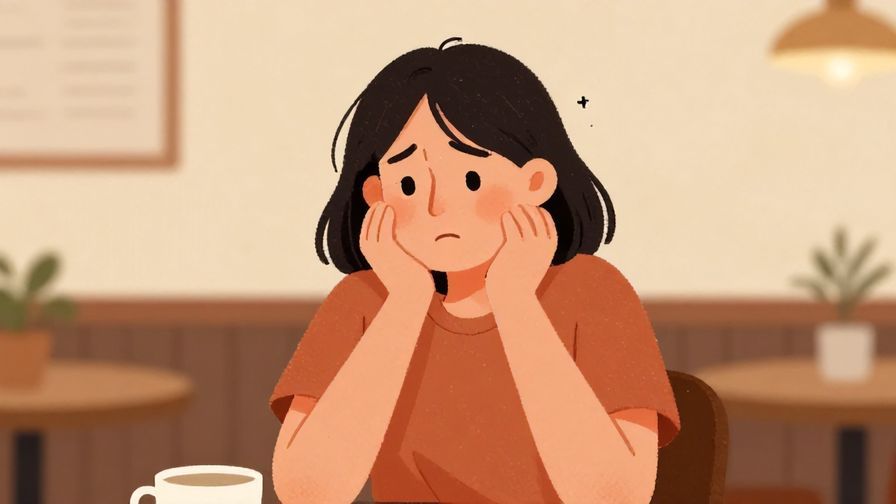
This phrase softens the apology with “chotto” (a little).
“Ne” at the end makes it sound friendly and gentle.
It’s great for small oops moments with friends.
Use it to show humility without overdoing it.
It’s casual and easy to say.
Try it to keep apologies lighthearted and sincere.
21. 悪かったな (Warukatta na) – “I was wrong, you know”

Similar to “warukatta yo,” this phrase adds a soft “na” ending.
It conveys casual, sincere apology with a friendly tone.
Perfect for informal conversations with people you know well.
Use it to sound relaxed but genuine.
It’s a natural way to admit mistakes without sounding stiff.
Great for practicing native-like speech rhythms.
22. ごめんちゃい (Gomen chai) – “Sorry” (cute, playful)

“Gomen chai” is a playful, cute variation of “gomen.”
It’s often used by kids or in a joking, lighthearted way.
Use it only with close friends or family who get the tone.
It makes the apology sound sweet and less serious.
Great for adding personality or charm to your Japanese.
Try it when you want to be informal and fun.
23. ごめんよ (Gomen yo) – “Sorry, okay?”

“Gomen yo” adds “yo” to “gomen” for emphasis.
It softens the apology and makes it sound more personal.
Good for close friends or casual but sincere apologies.
It’s easy to remember and very natural.
Use it to sound warm and genuine.
It’s a perfect phrase to practice for everyday life.
24. ごめんな (Gomen na) – “Sorry” (very casual, masculine)

“Gomen na” is a very casual, masculine way to say sorry.
It’s less formal than “gomen nasai” and often used among guys.
Use it with close male friends or informal settings.
It shows casual regret without being too serious.
Perfect for sounding native in casual conversations.
Try it to add variety to your informal apologies.
Concluding Thought
Apologizing in Japanese is a beautiful blend of words, tone, and respect.
Each phrase here lets you express regret in the perfect way for any situation.
With these 24 ways to say “I’m sorry,” you’re now ready to apologize warmly and naturally in Japanese!