24 Japanese ways to say “I’m Sad”
Feeling sad is something we all go through, and expressing it in another language can bring new understanding and comfort.
Japanese offers many heartfelt ways to say “I’m sad,” each with its own nuance and feeling.
Whether you want to sound casual, polite, or native-like, there’s a phrase here for you.
Learning these expressions helps you connect on a deeper level, whether with friends or yourself.
Discovering these phrases can be a warm way to explore emotions across cultures.
Let’s dive into 24 Japanese ways to say “I’m sad” that you can start using today.
Understanding Sadness in Japanese
Sadness can be expressed in many tones and styles in Japanese, from simple to poetic.
Each phrase carries a slightly different feeling, perfect for matching your mood or situation.
Some are casual, some polite, and others sound very natural, like a native speaker.
Using a great Japanese language learning book can help you understand the context and usage of these expressions.
Recognizing these subtle differences makes your Japanese feel more genuine and heartfelt.
Even small changes in phrasing can express different shades of sadness.
Part 1: Casual Suggestions
1. 悲しい (Kanashii) – “I’m sad.”
This is the most straightforward way to say “I’m sad.”
悲しい (Kanashii) literally means “sad” and you can use it anytime you feel down.
It’s a simple adjective, easy to remember and use in everyday conversations.
Just say “Kanashii” when someone asks how you feel.
For example, “今日は悲しい” (Kyou wa kanashii) means “I’m sad today.”
It’s a great foundation phrase to start expressing your feelings in Japanese.
2. 落ち込んでいる (Ochikonde iru) – “I’m feeling down.”
This phrase is casual and commonly used among friends.
落ち込んでいる (Ochikonde iru) comes from 落ち込む (ochikomu), meaning “to feel depressed or down.”
It’s like saying you’re in a slump emotionally.
Use it when you want to share that you’re feeling a bit low.
For example, “最近ちょっと落ち込んでいる” (Saikin chotto ochikonde iru) means “I’ve been feeling a bit down lately.”
It’s a useful phrase for everyday emotional honesty.
3. 寂しい (Sabishii) – “I’m lonely.”
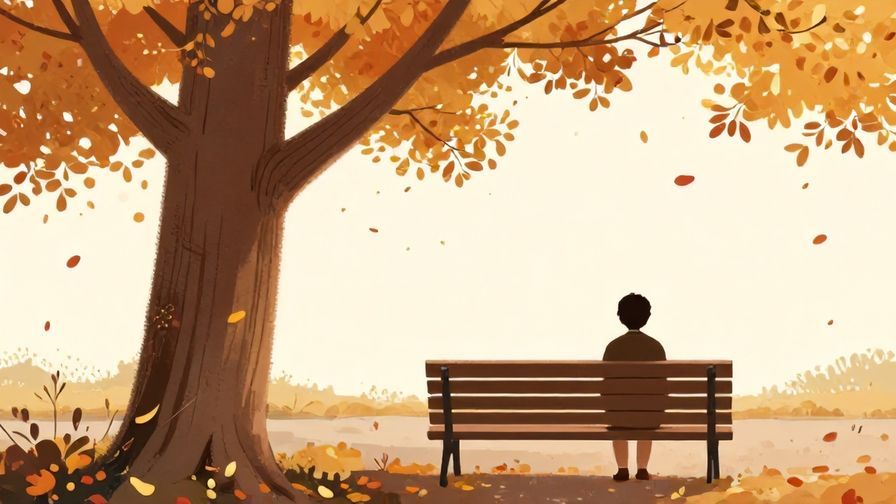
寂しい (Sabishii) means “lonely” and often overlaps with sadness.
It’s perfect when your sadness comes from missing someone or feeling alone.
This word captures a gentle, wistful sadness.
For example, “あなたがいなくて寂しい” (Anata ga inakute sabishii) means “I’m lonely without you.”
It’s a tender way to express emotional longing.
Great for personal conversations or messages.
4. へこんでる (Hekonderu) – “I’m feeling down (slang).”

へこんでる (Hekonderu) is a casual, slangy way to say you’re feeling down.
It’s a shortened, informal form of 落ち込んでいる (ochikonde iru).
You’ll hear this a lot in casual chats among friends.
For example, “今日はちょっとへこんでる” (Kyou wa chotto hekonderu) means “I’m a little down today.”
It’s easy to say and shows a relaxed tone.
Use this to sound like a native speaker in informal contexts.
5. 泣きたい (Nakitai) – “I want to cry.”
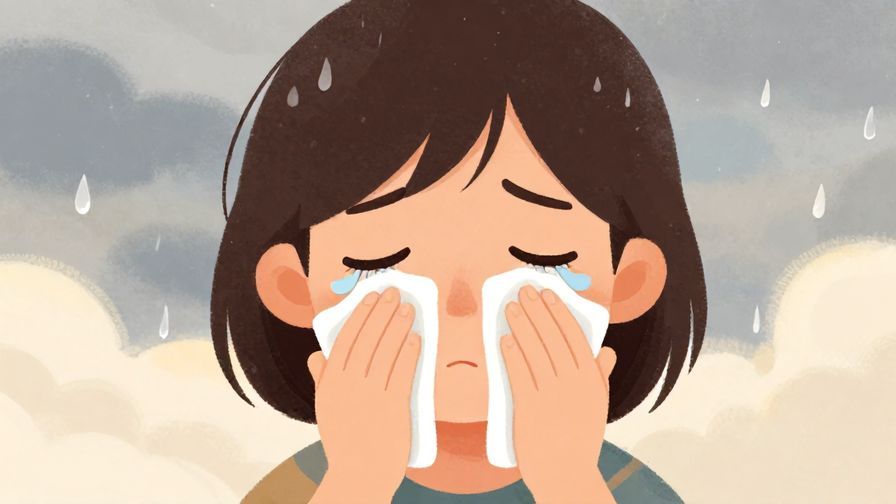
泣きたい (Nakitai) literally means “I want to cry.”
This phrase expresses deep sadness or frustration.
It’s very relatable when your emotions are overwhelming.
For example, “もう泣きたい気分だ” (Mou nakitai kibun da) means “I feel like crying already.”
It’s a raw, honest way to share your feelings.
Using this will show emotional depth in your Japanese.
6. 気分が沈んでいる (Kibun ga shizunde iru) – “My mood is sinking.”
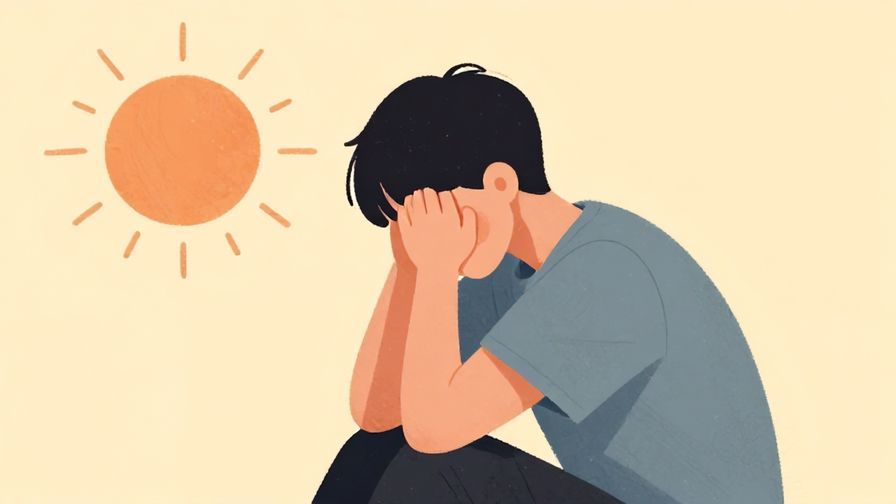
This phrase is a bit more descriptive and poetic.
気分 (kibun) means “mood” and 沈んでいる (shizunde iru) means “sinking.”
It’s great for describing a heavy or gloomy feeling.
For example, “最近気分が沈んでいる” (Saikin kibun ga shizunde iru) means “Lately, my mood has been sinking.”
It sounds a little more thoughtful than simple “sad.”
Use it when you want to explain your sadness more deeply.
7. 心が痛い (Kokoro ga itai) – “My heart hurts.”
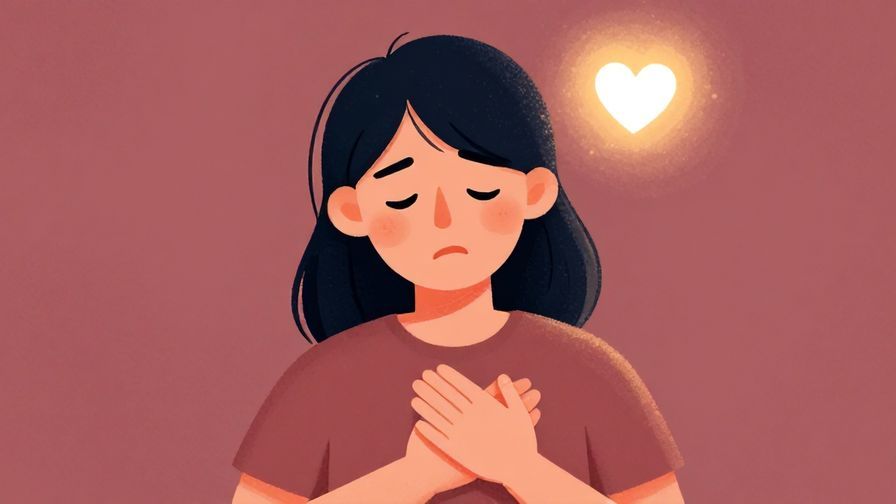
心が痛い (Kokoro ga itai) means “My heart hurts.”
This metaphorical phrase expresses emotional pain.
It’s often used when sadness feels physical or intense.
For example, “あなたと別れて心が痛い” (Anata to wakarete kokoro ga itai) means “My heart hurts after breaking up with you.”
It’s poetic and heartfelt.
Perfect for expressing deep sorrow or heartbreak.
8. 落ち込んでる気分 (Ochikonderu kibun) – “Feeling down.”
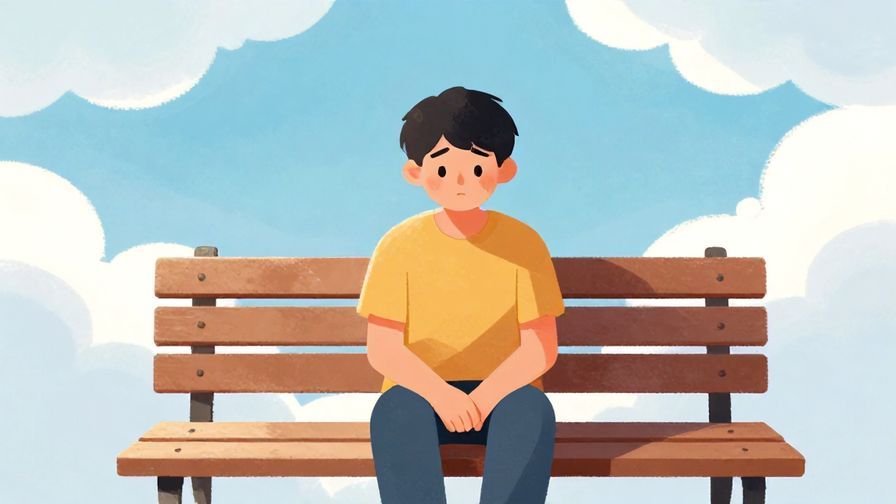
This phrase combines 落ち込んでる (feeling down) with 気分 (mood).
It’s a casual way to describe your current emotional state.
For example, “今日は落ち込んでる気分だ” (Kyou wa ochikonderu kibun da) means “Today I’m feeling down.”
It’s easy to use and commonly heard among friends.
You can practice this to talk about your feelings comfortably.
It also prepares you for more formal phrases coming up.
Part 2: Polite & Formal Suggestions
9. 悲しんでいます (Kanashinde imasu) – “I am sad.” (polite)
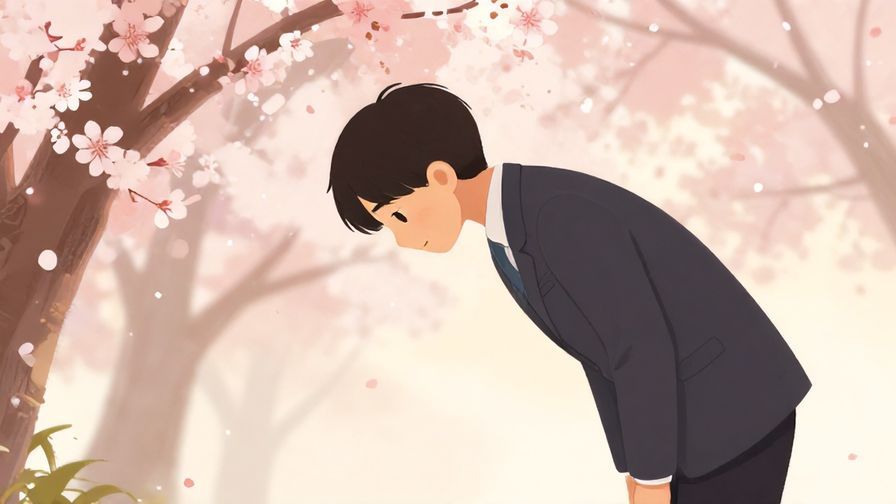
This is the polite form of 悲しい (Kanashii).
It’s useful in formal or respectful conversations.
For example, “今、とても悲しんでいます” (Ima, totemo kanashinde imasu) means “Right now, I am very sad.”
Use this to express sadness politely or at work.
It shows you care about the tone and setting.
Great for conversations with acquaintances or elders.
10. 落ち込んでおります (Ochikonde orimasu) – “I am feeling down.” (very polite)

This is a very polite version of 落ち込んでいる (Ochikonde iru).
おる (oru) is a humble form of いる (iru), making the phrase more respectful.
Perfect for formal situations or written communication.
For example, “最近、少し落ち込んでおります” (Saikin, sukoshi ochikonde orimasu) means “Lately, I have been feeling a little down.”
Use this to keep your language very polite and humble.
It’s great for business or formal emails.
11. 寂しく思います (Sabishiku omoimasu) – “I feel lonely.” (polite)

This is a polite way to express loneliness.
寂しく (sabishiku) is the adverbial form of 寂しい (sabishii), combined with 思います (omoimasu), “I think/feel.”
For example, “あなたがいなくて寂しく思います” (Anata ga inakute sabishiku omoimasu) means “I feel lonely without you.”
It sounds very gentle and respectful.
Use it in formal or heartfelt conversations.
It’s a polite way to show vulnerability.
12. 心苦しいです (Kokorogurushii desu) – “My heart feels heavy.”

心苦しい (Kokorogurushii) means “painful to the heart” or “heartbreaking.”
Adding です (desu) makes it polite.
For example, “この知らせを聞いて心苦しいです” (Kono shirase o kiite kokorogurushii desu) means “I feel heartbroken to hear this news.”
It’s perfect for formal situations where you want to express sympathy or sadness.
This phrase conveys sincere emotional pain respectfully.
Use it when speaking to someone you respect deeply.
13. 悲嘆に暮れています (Hitan ni kurete imasu) – “I am overwhelmed with grief.”
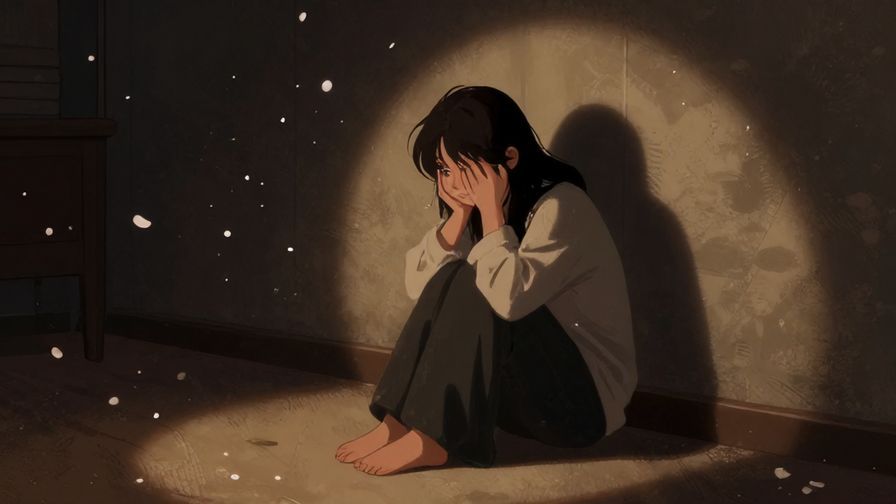
This is a more poetic, formal way to express deep sadness.
悲嘆 (Hitan) means “grief” and 暮れる (kureru) means “to be overwhelmed by.”
For example, “大切な人を亡くして悲嘆に暮れています” (Taisetsu na hito o nakushite hitan ni kurete imasu) means “I’m overwhelmed with grief after losing someone important.”
It’s often used in written or serious speech.
Use this phrase to show profound sorrow in respectful contexts.
It’s a beautiful, formal expression of heavy sadness.
14. 憂鬱な気持ちです (Yuuutsu na kimochi desu) – “I feel depressed.”
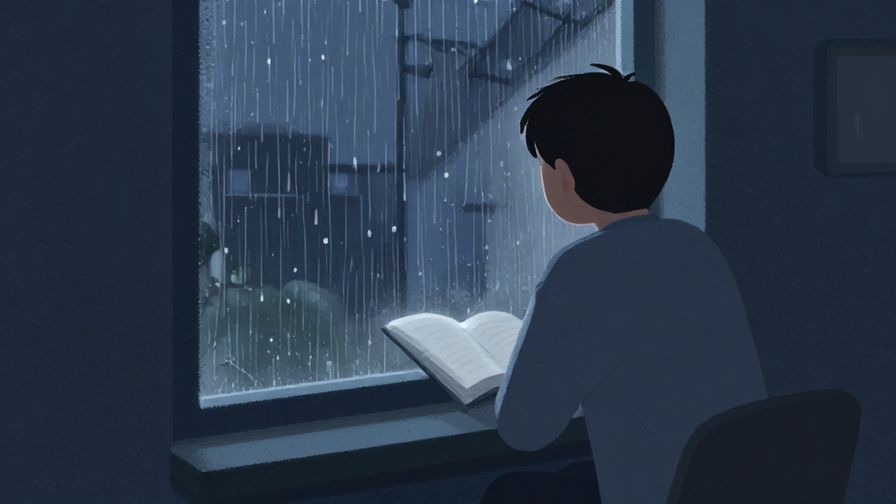
憂鬱 (Yuuutsu) means “depression” or “melancholy.”
気持ち (kimochi) means “feeling,” and です (desu) makes it polite.
For example, “最近憂鬱な気持ちです” (Saikin yuuutsu na kimochi desu) means “Lately, I’ve been feeling depressed.”
This phrase is a bit heavier and more clinical than “sad.”
Use it when you want to describe serious low moods politely.
Helpful when talking with professionals or in formal contexts.
15. つらいです (Tsurai desu) – “It’s painful.” (emotionally)
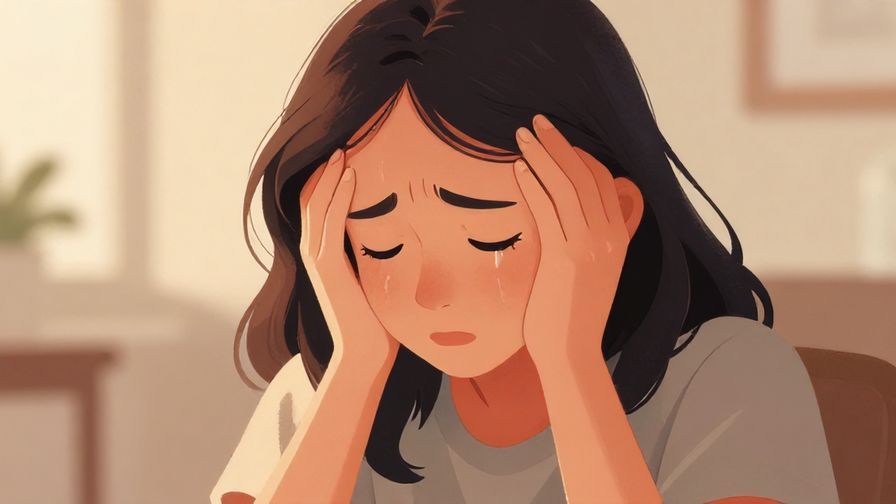
つらい (Tsurai) means “painful” or “hard,” often used emotionally.
Adding です (desu) keeps it polite.
For example, “別れは本当につらいです” (Wakare wa hontou ni tsurai desu) means “Parting is really painful.”
It’s a simple and effective way to express emotional hardship.
Use it anytime you want to say “It hurts” emotionally in a polite way.
Great for heartfelt but respectful conversations.
16. 悲しみを感じています (Kanashimi o kanjite imasu) – “I am feeling sadness.”
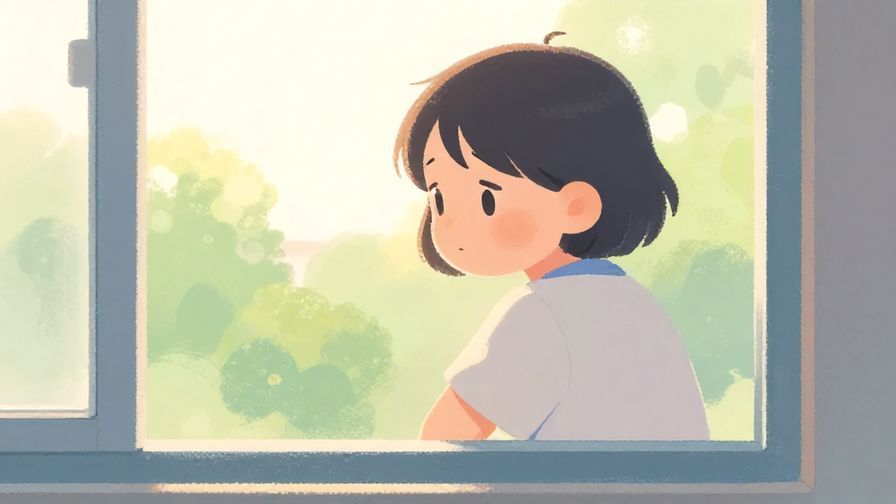
This phrase literally means “I am feeling sadness.”
悲しみ (kanashimi) means “sadness” as a noun, and 感じています (kanjite imasu) means “am feeling.”
For example, “今、深い悲しみを感じています” (Ima, fukai kanashimi o kanjite imasu) means “Right now, I’m feeling deep sadness.”
This is polite and descriptive.
Use it when you want to sound more thoughtful or formal about your emotions.
It adds a reflective tone to your sadness.
Part 3: Very Casual / Native-like Expressions
17. しょんぼりしてる (Shonbori shiteru) – “I’m feeling down (cute/slang).”
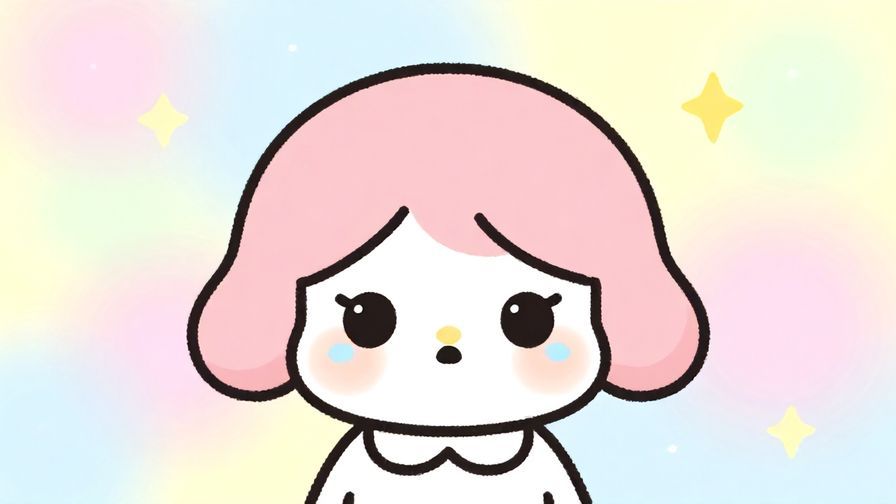
しょんぼり (Shonbori) means “feeling down” or “looking sad” in a cute, casual way.
It’s often used to describe a mild, almost endearing sadness.
For example, “今日はちょっとしょんぼりしてる” (Kyou wa chotto shonbori shiteru) means “I’m feeling a bit down today.”
It’s a great phrase for informal chats with friends.
It sounds natural and soft, perfect for light sadness.
Try this one to sound like a native speaker in casual settings.
18. やるせない (Yarusenai) – “I feel helpless/sad.”

やるせない (Yarusenai) means feeling sad and helpless without a clear cause.
It’s a deeper, more nuanced feeling of emotional frustration.
For example, “なんだかやるせない気持ちだ” (Nandaka yarusenai kimochi da) means “I feel kind of helpless/sad.”
It’s a native-like expression that’s poetic and complex.
Use it when your sadness feels tangled with frustration.
Great for adding emotional depth in conversations.
19. 泣きそう (Nakiso) – “I feel like crying.” (casual)
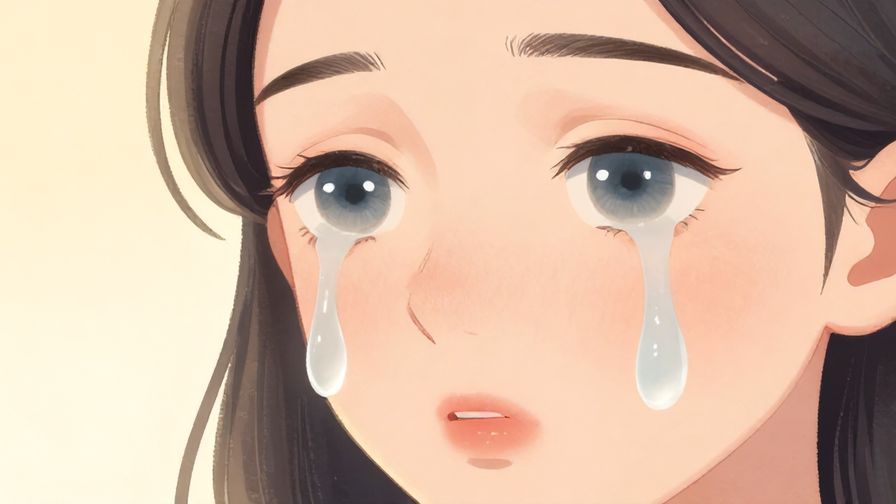
泣きそう (Nakiso) means “I feel like crying.”
It’s a casual, natural way to express that your sadness is close to tears.
For example, “本当に泣きそうだよ” (Hontou ni nakisou da yo) means “I really feel like crying.”
It’s perfect for emotional moments with friends.
Use it to show vulnerability in a relaxed way.
Easy and very common in everyday speech.
20. 気が滅入る (Ki ga meiru) – “I feel depressed/down.”
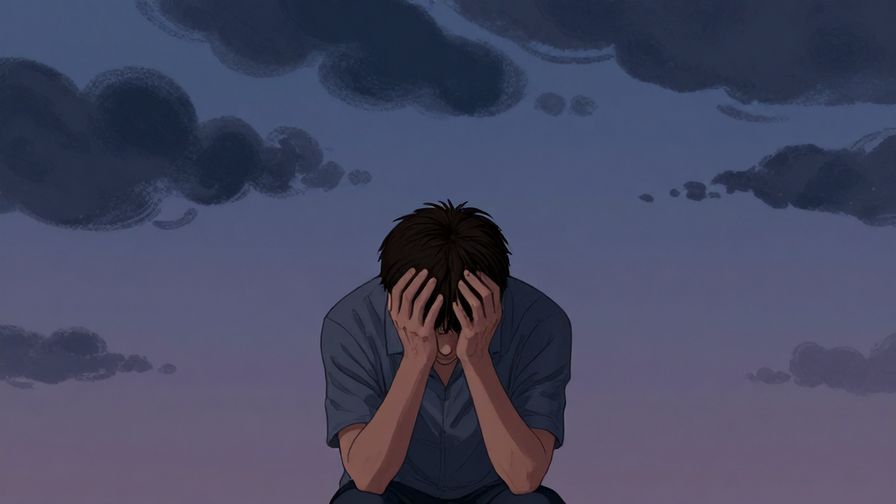
気が滅入る (Ki ga meiru) means “my spirits are down” or “I’m depressed.”
It’s a native-like expression often used when feeling low.
For example, “最近気が滅入っている” (Saikin ki ga meitte iru) means “Lately, I’ve been feeling down.”
It’s more emotional and natural than basic “sad.”
Use it to sound more fluent and expressive.
It’s common in daily conversations about feelings.
21. 元気が出ない (Genki ga denai) – “I can’t cheer up.”
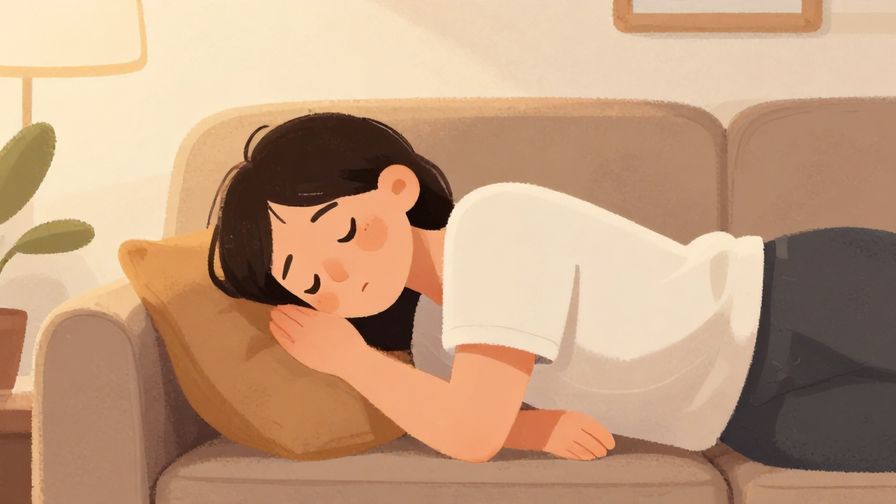
元気が出ない (Genki ga denai) literally means “my energy won’t come out.”
It’s a natural way to say you feel down and can’t get motivated.
For example, “最近元気が出ないんだ” (Saikin genki ga denain da) means “I haven’t been able to cheer up lately.”
It’s casual and very relatable.
Use it to express low energy linked to sadness.
Perfect for conversations with close friends.
22. しんどい (Shindoi) – “I’m exhausted emotionally.”
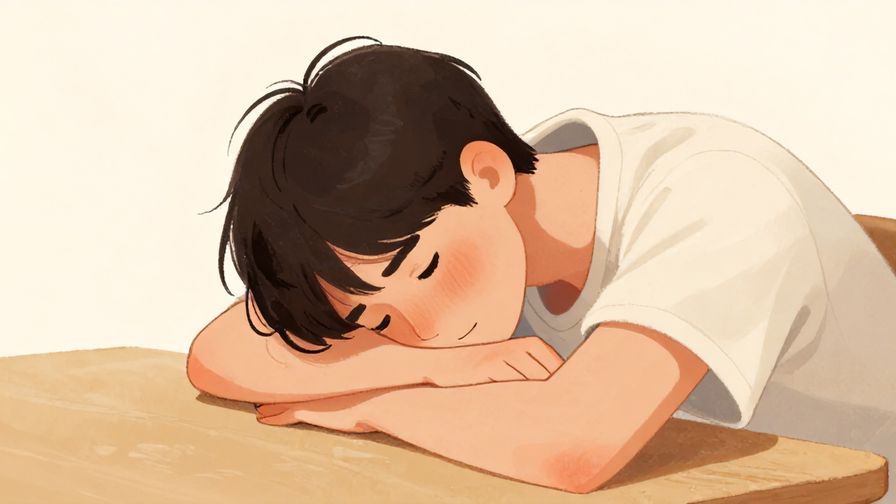
しんどい (Shindoi) means “tiring” or “exhausting,” often used emotionally.
It’s casual and expresses feeling emotionally worn out.
For example, “最近しんどくて泣きたい” (Saikin shindokute nakitai) means “I’m so exhausted lately I want to cry.”
It’s a very natural expression used commonly in Japan.
Use it to show you’re struggling emotionally.
It’s a good phrase to know for informal talks.
23. ズーンとくる (Zuun to kuru) – “It hits me hard emotionally.”
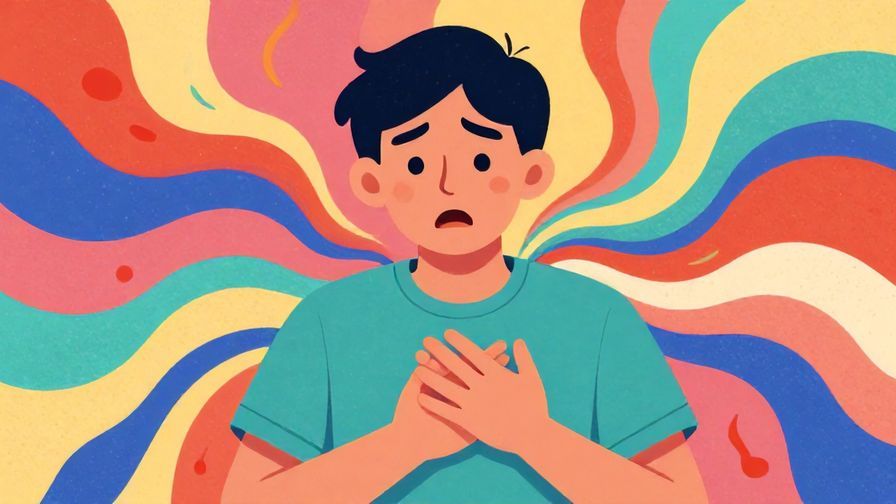
ズーンとくる (Zuun to kuru) is a casual phrase meaning “it hits me hard emotionally.”
It’s used when something suddenly makes you feel sad deeply.
For example, “その話を聞いてズーンときた” (Sono hanashi o kiite zuun to kita) means “That story hit me hard.”
It’s idiomatic and sounds very native.
Use it to describe sudden emotional impact.
Great for storytelling or sharing feelings.
24. しょぼんとしてる (Shobon to shiteru) – “I’m feeling down/dejected.”

しょぼんとしてる (Shobon to shiteru) is a cute, casual way to say you’re feeling down.
It’s often used when someone looks visibly sad or dejected.
For example, “彼はしょぼんとしている” (Kare wa shobon to shite iru) means “He’s feeling down.”
It’s playful but shows sympathy.
Use it when talking about yourself or others in a lighthearted way.
Perfect for casual, friendly conversations.
Concluding Thought
Exploring these 24 ways to say “I’m sad” in Japanese shows just how rich and varied emotional expression can be.
From simple adjectives to poetic phrases, you now have tools to share your feelings authentically and warmly.
Remember, expressing sadness is a natural part of communication, and doing so in another language brings you closer to understanding yourself and others. Keep practicing, and don’t be afraid to feel and share.