24 Japanese ways to say “I’m Hungry”
Feeling hungry and want to express it in Japanese? You’re in the right place!
Whether you’re chatting with friends, ordering food, or just sharing your mood, there are plenty of ways to say “I’m hungry” in Japanese.
Some are casual, some polite, and some just sound super natural and native-like.
Learning these phrases adds flavor to your conversations and helps you connect better with Japanese speakers.
Plus, they’re fun to say and easy to remember with a little practice.
Let’s dive into 24 warm, relatable ways to say “I’m hungry” in Japanese, all with pronunciation guides!
Common Ways to Say “I’m Hungry”
Starting with the basics is always a good idea.
Here are some straightforward, widely used phrases that will get you understood instantly.
These expressions are perfect whether you’re at a restaurant or casually chatting with friends.

Sometimes, a simple phrasebook for beginners can help you nail the pronunciation and context easily.
These are great to memorize first before moving on to more casual or formal versions.
Once you feel confident, you can start mixing them into your daily conversations.
Part 1: Casual Suggestions
1. お腹すいた (Onaka suita) – “I’m hungry.”
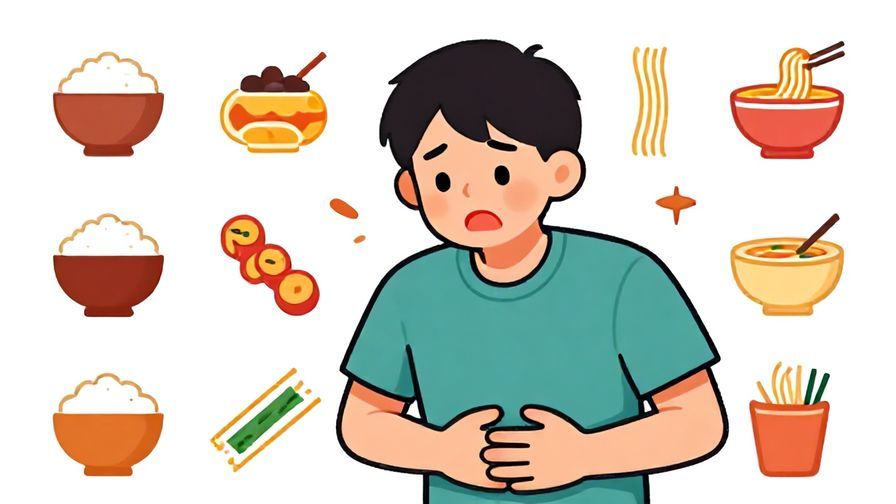
This is the most common and casual way to say “I’m hungry.”
“お腹 (onaka)” means “stomach” and “すいた (suita)” is the past tense of “to become empty,” so literally “stomach became empty.”
It’s easy to say and perfect with friends or family.
This phrase is super versatile and used all the time in casual conversations.
Related phrase: “お腹が空いた” (Onaka ga suita) adds the particle “が (ga)” for emphasis, but it means the same.
Try saying it aloud when you feel hungry—you’ll sound natural in no time!
2. お腹ペコペコ (Onaka peko peko) – “I’m really hungry.”
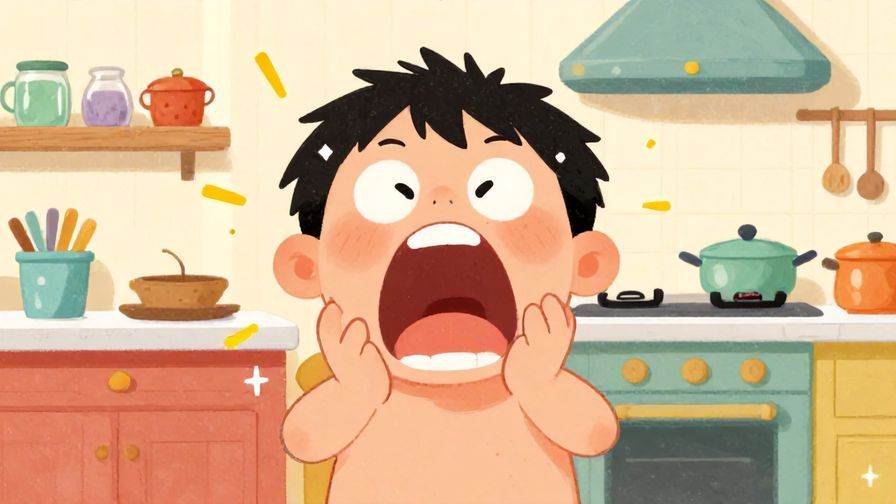
This phrase uses “ペコペコ (peko peko),” an onomatopoeic word mimicking the sound of a growling stomach.
It’s casual and adds a cute, lively feeling to saying you’re hungry.
Perfect when you want to emphasize you’re starving.
Be careful not to use it in formal situations—keep it among friends or family.
Example: “今日はお腹ペコペコだよ!” (Kyou wa onaka peko peko da yo!) means “I’m really hungry today!”
It’s a fun way to express hunger with some personality.
3. 腹減った (Hara hetta) – “I’m hungry” (very casual)

“腹 (hara)” is a more masculine, rough word for “stomach,” and “減った (hetta)” means “decreased” or “emptied.”
This phrase is very casual and often used by men among close friends.
It’s blunt but common in everyday talk.
Avoid using it in polite or formal contexts.
Example: “もう腹減った!” (Mou hara hetta!) means “I’m already hungry!”
If you want to sound like a native Japanese speaker casually chatting, this phrase fits perfectly.
4. ご飯まだ? (Gohan mada?) – “Is the meal ready yet?”
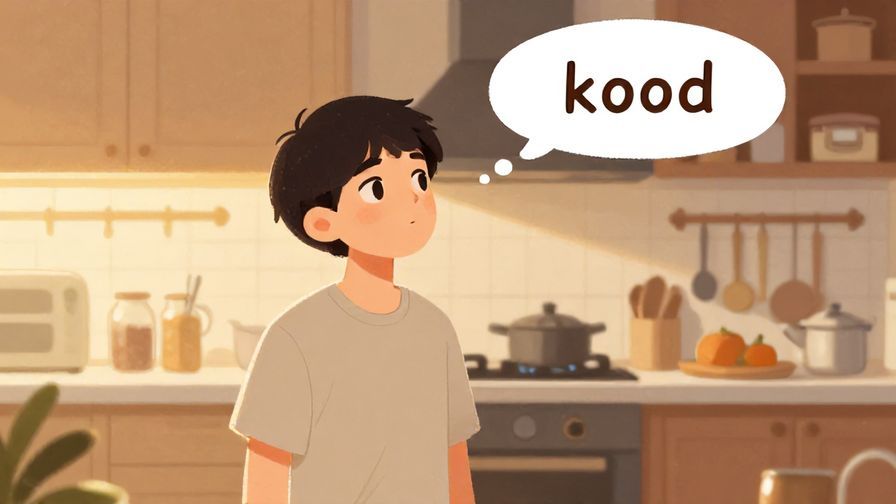
This phrase literally means “Rice yet?” but is used to ask if food is ready.
It’s a casual, indirect way to say you’re hungry and waiting to eat.
Great for family or close friends when you’re ready for a meal.
It’s polite enough for casual settings but not formal occasions.
Try this to hint you’re hungry without being too direct.
It’s also a sweet way to show you’re looking forward to eating together.
5. 何か食べたい (Nanika tabetai) – “I want to eat something.”
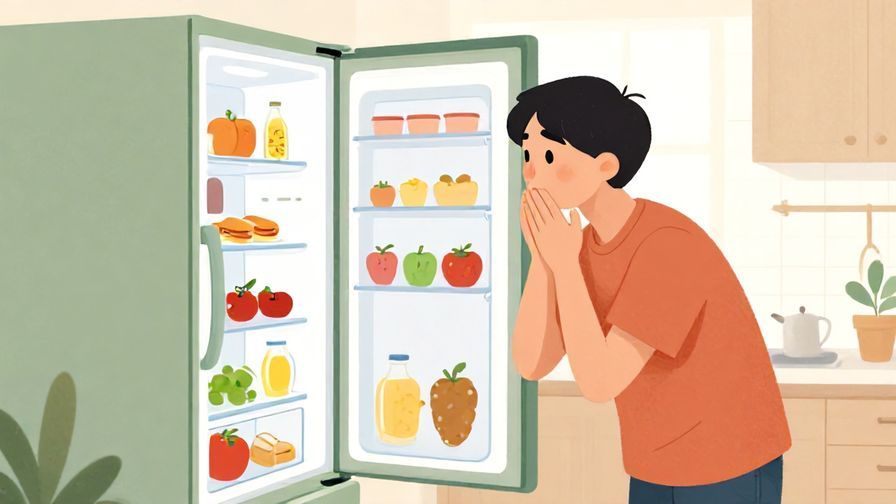
This phrase means you want to eat something but doesn’t specify what.
“何か (nanika)” means “something,” and “食べたい (tabetai)” means “want to eat.”
It’s casual and useful when you’re hungry but undecided.
You can use it when chatting with friends or family.
It keeps the conversation open-ended, inviting suggestions.
Try this if you want to start planning a meal or snack together.
6. お腹が空いて死にそう (Onaka ga suite shinisou) – “I’m so hungry I could die.”

This phrase is a humorous exaggeration meaning “I’m starving.”
“死にそう (shinisou)” means “feeling like dying,” used here to emphasize extreme hunger.
Use it among close friends to add humor.
Not suitable for formal or serious conversations.
Example: “もう、お腹が空いて死にそう!” (Mou, onaka ga suite shinisou!)
Add some fun to your hungry moments with this playful phrase!
7. お腹がグーグー鳴ってる (Onaka ga guu guu natteru) – “My stomach is growling.”

This expression literally describes your stomach making growling noises.
“グーグー (guu guu)” is an onomatopoeia for stomach growling.
It’s casual and a cute way to show you’re hungry.
You can say this to explain why you’re so eager to eat.
It’s a natural phrase that native speakers use often.
Perfect for sharing your hunger honestly and warmly.
8. 何か食べる? (Nanika taberu?) – “Do you want to eat something?”

This is a casual invitation phrase that implies you’re hungry and want to eat.
It literally means “Eat something?” and can be used both to offer food or suggest eating.
It’s friendly and perfect for social situations.
Use it to start a meal or snack time with friends.
It’s a polite but casual way to express hunger socially.
Great for bonding over food and sharing your appetite!
Part 2: Polite & Formal Suggestions
9. お腹が空きました (Onaka ga sukimashita) – “I’m hungry.” (polite)
This is the polite past tense form of “お腹が空く (onaka ga suku),” meaning “to become hungry.”
It’s appropriate in formal or business settings.
Using “ました (mashita)” makes it respectful and soft.
Good for talking to colleagues, teachers, or strangers.
Example: “すみません、お腹が空きました。” (Sumimasen, onaka ga sukimashita.)
This phrase shows good manners while expressing hunger.
10. お腹が減りました (Onaka ga herimashita) – “I’m hungry.” (polite alternative)

“減る (heru)” also means “to decrease” and is used for hunger.
“減りました (herimashita)” is the polite past tense.
This is a polite alternative to “空きました (sukimashita).”
Perfect for formal conversations or polite company.
Example: “少しお腹が減りました。” (Sukoshi onaka ga herimashita.)
It’s a respectful way to express your hunger.
11. お腹が空いております (Onaka ga suite orimasu) – “I am hungry.” (very formal)

“おります (orimasu)” is a humble form often used in very formal situations.
This phrase is polite and shows respect.
It’s suitable for business dinners or formal events.
Not used in casual conversations.
Example: “少しお腹が空いております。” (Sukoshi onaka ga suite orimasu.)
Use this to be humble and polite about your hunger.
12. お腹がすいております (Onaka ga suite orimasu) – Another very formal version

This is similar to the previous phrase but uses “すいて” instead of “空いて.”
Both “空く (suku)” and “すく (suku)” mean “to become empty.”
This is an ultra-polite way to say you’re hungry.
Perfect for formal letters or speeches.
Example: “お腹がすいておりますので、失礼いたします。” (Onaka ga suite orimasu node, shitsurei itashimasu.)
It shows respect and humility in formal contexts.
13. もう少しでお腹が空きます (Mou sukoshi de onaka ga sukimasu) – “I’ll be hungry soon.”
This phrase means you’re about to get hungry.
It’s polite and useful for polite conversation.
Good for letting someone know you’ll want to eat soon.
Example: “そろそろもう少しでお腹が空きます。” (Sorosoro mou sukoshi de onaka ga sukimasu.)
It’s subtle and polite to mention hunger without being direct.
Use it to prepare the conversation for meal time.
14. ちょっとお腹がすきました (Chotto onaka ga sukimashita) – “I’m a little hungry.”

This phrase softens your expression, showing mild hunger.
“ちょっと (chotto)” means “a little,” making it polite and gentle.
Great for polite company when you don’t want to sound too hungry.
Example: “すみません、ちょっとお腹がすきました。” (Sumimasen, chotto onaka ga sukimashita.)
A nice way to express your needs without pressure.
It’s easy to use and polite at the same time.
15. お腹が減ってきました (Onaka ga hette kimashita) – “I’m starting to get hungry.”

This phrase shows your hunger is gradually increasing.
It’s polite and descriptive.
Useful when you want to explain your hunger politely and naturally.
Example: “そろそろお腹が減ってきました。” (Sorosoro onaka ga hette kimashita.)
It’s a subtle way to hint you’re ready to eat.
Try this to gently prepare for mealtime.
16. ご飯をいただきたいです (Gohan o itadakitai desu) – “I would like to eat.”

“いただきたい (itadakitai)” is a humble way to say “I want to receive/eat.”
This is polite and respectful.
Use it when you want to express hunger politely, especially before a meal.
Example: “そろそろご飯をいただきたいです。” (Sorosoro gohan o itadakitai desu.)
This phrase shows gratitude and respect for the food.
It’s perfect for formal or semi-formal occasions.
Part 3: Very Casual / Native-like Expressions
17. 腹ペコ (Hara peko) – “Starving!” (very casual)

This is a shortened, super casual version of “お腹ペコペコ.”
It’s playful and often used among close friends.
It sounds native and relaxed.
Example: “腹ペコだよ!” (Hara peko da yo!)
Great for informal chats or texting friends.
Use it to show you’re really hungry without formality.
18. めっちゃ腹減った (Meccha hara hetta) – “I’m super hungry.”

“めっちゃ (meccha)” means “very” or “super” in casual slang.
Combined with “腹減った,” it’s a strong, casual way to say you’re starving.
Common among young people and in informal settings.
Example: “めっちゃ腹減った、何か食べよう!” (Meccha hara hetta, nanika tabeyou!)
Use this to sound very natural and expressive.
Perfect for casual conversations and texting.
19. お腹ペコリン (Onaka pekorin) – Cute way to say hungry

Adding “リン (rin)” makes “ペコペコ” sound cuter and more playful.
This is a fun, childish expression used jokingly.
Great for lightening the mood or teasing friends.
Example: “お腹ペコリンだよ〜” (Onaka pekorin da yo~)
Use it when you want to be charming or funny about being hungry.
It’s very informal and cute.
20. 腹が鳴ってる (Hara ga natteru) – “My stomach’s growling.”

This casual phrase focuses on the sound your stomach makes.
“鳴ってる (natteru)” means “is making noise.”
It’s a natural way to explain why you’re hungry or distracted.
Example: “腹が鳴ってるから、何か食べよう。” (Hara ga natteru kara, nanika tabeyou.)
Use it in casual talk to express hunger in a relatable way.
It’s a nice phrase to start a food conversation.
21. お腹空いたー (Onaka suitaa) – “I’m hungry!” (elongated for emphasis)

Adding “ー (a long vowel sound)” at the end adds emphasis.
This makes your hunger sound more urgent or excited.
It’s casual and very common in spoken Japanese.
Example: “お腹空いたー、早くご飯食べたい!” (Onaka suitaa, hayaku gohan tabetai!)
Try this when you’re really ready to eat.
It sounds natural and expressive.
22. 腹が減ってる (Hara ga heteru) – “I’m hungry.” (casual present tense)

“減ってる (heteru)” is the casual present progressive form.
This phrase is used to say “I’m hungry” in a laid-back way.
It’s common among friends and peers.
Example: “今、腹が減ってる。” (Ima, hara ga heteru.)
Use it to sound natural and informal.
It’s a straightforward way to express hunger anytime.
23. ちょっとお腹すいたかな (Chotto onaka suita kana) – “I’m a little hungry, I guess.”

This phrase adds “かな (kana),” which softens the statement to a gentle guess.
It’s casual and polite enough for many situations.
Perfect when you’re unsure if you’re really hungry.
Example: “ちょっとお腹すいたかな…” (Chotto onaka suita kana…)
Use it to sound thoughtful and natural.
This nuance is common in everyday Japanese.
24. お腹ペコペコすぎて倒れそう (Onaka peko peko sugite taoresou) – “I’m so hungry I feel like fainting.”

This is a playful exaggeration combining “ペコペコ” and “倒れそう (taoresou),” meaning “about to collapse.”
It’s very casual and humorous.
Use it among close friends to express extreme hunger.
Example: “お腹ペコペコすぎて倒れそうだ!” (Onaka peko peko sugite taoresou da!)
Add some humor to your hunger with this dramatic phrase.
It’s fun and shows personality in your speech.
Concluding Thought
Exploring these 24 ways to say “I’m hungry” in Japanese shows how rich and expressive the language can be.
From polite and formal to casual and playful, there’s a phrase for every mood and situation.
Keep practicing, and soon you’ll feel comfortable sharing your hunger naturally with friends, colleagues, and locals alike!