24 Japanese ways to say “I’d Like to Order This”
Ordering food in Japanese can be a fun and rewarding experience, especially when you have a variety of ways to express yourself.
Whether you’re at a cozy ramen shop or a fancy sushi bar, knowing how to say “I’d like to order this” in different ways can make your visit more enjoyable and authentic.
It’s not just about words, but about feeling confident and connected through language.
In this article, you’ll find 24 warm and practical Japanese phrases you can use to order food, each with pronunciation help and little tips to make them stick.
Learning these phrases will open doors to new culinary adventures and cultural moments.
Ready to become a pro at ordering? Let’s dive in!
Getting Ready to Order: Basics and Politeness
Before we jump in, it’s good to know the basics of ordering in Japanese.
Many phrases include the word 注文 (ちゅうもん, chūmon) meaning “order,” and polite phrases often end with ください (kudasai), which means “please.”
Mastering polite requests shows respect and usually earns a smile from the staff.

Sometimes, a helpful phrasebook for Japanese dining can boost your confidence and fluency.
Starting simple and polite is the best way to feel comfortable.
Let’s explore some essential expressions!
Part 1: Casual & Friendly Expressions
1. これをください (Kore o kudasai) – “I’d like this, please.”

This is the go-to phrase when you want to order something specific.
“これ” (kore) means “this,” “を” (o) marks the object, and “ください” (kudasai) politely requests it.
It’s simple, clear, and polite enough for most situations.
Use it confidently anytime you point to a menu item or dish.
Another variation is “それをください” (sore o kudasai) meaning “that one, please.”
Once you get comfortable with this, ordering feels natural and smooth.
2. 注文いいですか? (Chūmon ii desu ka?) – “May I order?”

This phrase is a polite way to ask if you can place your order.
“注文” (chūmon) means “order,” “いい” (ii) means “okay/good,” and “ですか” (desu ka) makes it a question.
It’s a great opener when you want to be courteous.
Avoid jumping in too quickly; this phrase shows respect for the staff’s timing.
For example, say it when the server is busy, signaling you’re ready.
It helps keep interactions smooth and friendly.
3. これをお願いします (Kore o onegaishimasu) – “This one, please.”

This phrase is a polite and slightly softer alternative to “ください.”
“お願いします” (onegaishimasu) means “please” or “I humbly request.”
It conveys respect and is perfect in formal or semi-formal settings.
Use it when you want to sound especially courteous.
It pairs well with pointing to a menu or holding up an item.
It’s also useful outside restaurants wherever you request something politely.
4. これをいただけますか? (Kore o itadakemasu ka?) – “Could I have this?”

This is a very polite and humble way to request something.
“いただけますか” (itadakemasu ka) is a humble form meaning “could I receive.”
It’s great for formal dining or when you want to show extra respect.
It might feel a bit formal for casual spots but shines in nicer places.
Try it when ordering sushi or in a business setting.
It’s a phrase that impresses with your politeness and humility.
5. これにします (Kore ni shimasu) – “I’ll have this.”
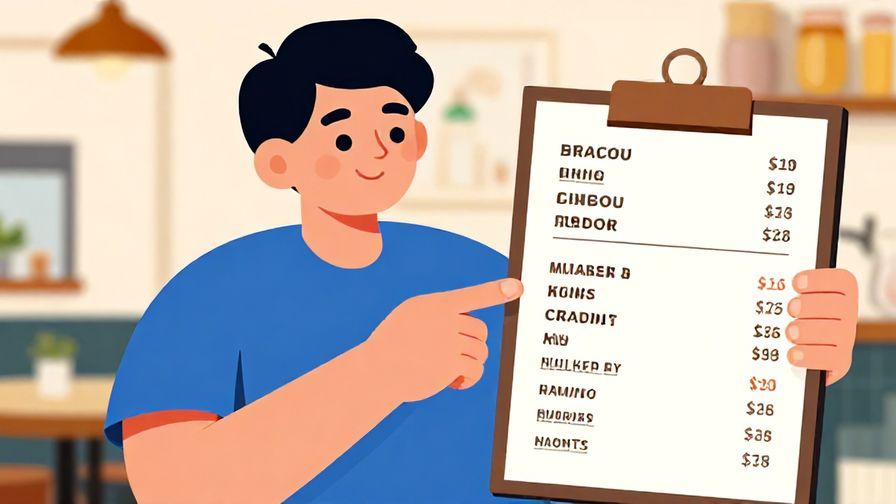
This phrase literally means “I’ll decide on this.”
“これ” (kore) is “this,” “に” (ni) is a particle marking the choice, and “します” (shimasu) means “do” or “choose.”
It’s casual yet polite enough for everyday dining.
Perfect when you want to sound natural and confident.
It works well with pointing or while holding a menu.
Use it to express your choice clearly and smoothly.
6. 同じものをください (Onaji mono o kudasai) – “The same one, please.”

This phrase is handy when ordering the same dish as someone else.
“同じ” (onaji) means “same,” “もの” (mono) means “thing,” and “ください” (kudasai) is “please.”
It’s super useful in group settings or with friends.
Just point or glance at someone’s plate and say this.
It avoids repeating the full name of the dish.
Great for casual dining with company.
7. これを試してみたいです (Kore o tameshite mitai desu) – “I want to try this.”

This phrase is perfect for expressing curiosity about a dish.
“試してみたい” (tameshite mitai) means “want to try.”
It’s a friendly, casual way to order something new.
Use it when you want to show excitement and openness.
It can spark conversation with the server about the dish.
Great for adventurous eaters looking to explore flavors.
8. これ、お願いします (Kore, onegaishimasu) – “This one, please.”

This is a relaxed, polite phrase for ordering.
The comma adds a natural pause, making it sound friendly and smooth.
“お願いします” (onegaishimasu) is a respectful “please.”
It’s versatile for almost any dining occasion.
Try it in cafes, casual eateries, or small restaurants.
It’s easy to use and always well received.
Part 2: Polite & Formal Suggestions
9. 注文をお願いします (Chūmon o onegaishimasu) – “I’d like to place an order, please.”

This is a very polite and standard phrase.
“注文” (chūmon) means “order,” and “お願いします” (onegaishimasu) adds politeness.
It’s perfect for formal restaurants or when you want to be very respectful.
Use it to signal you’re ready to order clearly and politely.
It’s often used by locals in business or upscale settings.
Keep this one in your pocket for classy dining experiences.
10. これをいただけますか? (Kore o itadakemasu ka?) – “May I have this?”

This humble phrase is great for formal settings.
“いただけますか” (itadakemasu ka) is a respectful request meaning “could I receive.”
It shows deference to the server and the establishment.
Best used in fancy restaurants or traditional tea houses.
It can be a bit formal for casual spots but impresses with politeness.
Use it to show you value the experience and service.
11. 注文をよろしいでしょうか? (Chūmon o yoroshii deshō ka?) – “Is it okay if I order?”

This phrase is a very polite way to check if you can order now.
“よろしいでしょうか” (yoroshii deshō ka) is a respectful form of “is it okay?”
It’s ideal for formal or busy dining environments.
It shows patience and respect for the server’s timing.
Use it when you’re unsure if the server is ready.
This phrase wins points for extreme politeness and care.
12. これを注文したいのですが (Kore o chūmon shitai no desu ga) – “I would like to order this.”

This is a polite and clear phrase to express your wish to order something.
“注文したい” (chūmon shitai) means “want to order,” and “のですが” (no desu ga) softens the statement.
It’s useful when you want to be clear but gentle.
Good for formal or business settings.
Helps avoid sounding demanding.
Practice it to sound thoughtful and polite.
13. お勧めの料理を注文したいです (Osusume no ryōri o chūmon shitai desu) – “I’d like to order the recommended dish.”

Perfect when you want to try the chef’s recommendation.
“お勧め” (osusume) means “recommendation,” and “料理” (ryōri) is “dish.”
It’s polite and shows open-mindedness.
Use it to get something special or popular.
Great for first-time visits or special occasions.
It’s a phrase that invites conversation and trust.
14. これを一つお願いします (Kore o hitotsu onegaishimasu) – “One of this, please.”
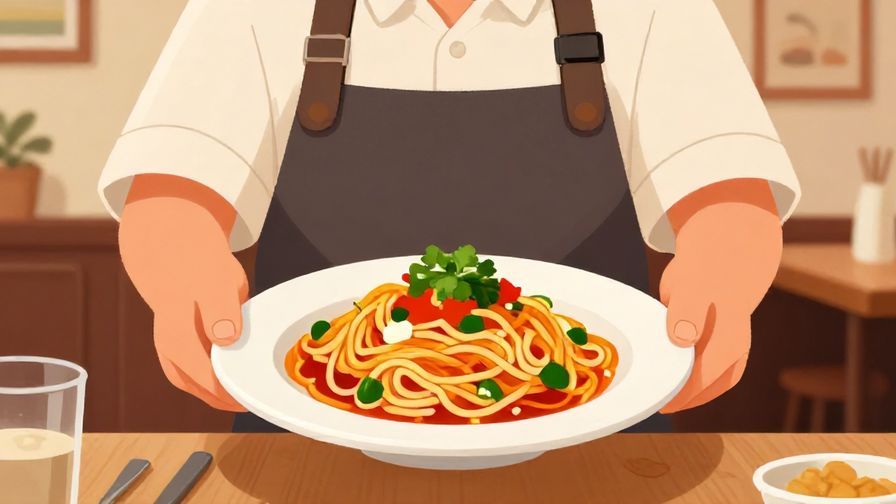
This phrase is useful for ordering one item politely.
“一つ” (hitotsu) means “one (thing).”
It’s clear and polite, avoiding confusion in quantity.
Perfect for small orders or snacks.
Use it to keep things simple and respectful.
It’s a practical phrase to know for precise ordering.
15. これを二つください (Kore o futatsu kudasai) – “Two of these, please.”

Great for ordering multiple items politely.
“二つ” (futatsu) means “two (things).”
Adjust the number word as needed for quantity.
It’s a clear, useful phrase for group orders or sharing.
Helps avoid misunderstandings about amounts.
Practice different counters to expand your ordering skills.
16. 注文をまとめてよろしいですか? (Chūmon o matomete yoroshii desu ka?) – “Is it okay to order all at once?”

This phrase is handy when you want to order everything at once politely.
“まとめて” (matomete) means “all together.”
It’s useful in formal or busy settings.
Shows consideration for the staff’s workflow.
Use it to ask permission before a big order.
It helps keep things smooth and organized.
Part 3: Very Casual & Native-like Expressions
17. これで (Kore de) – “This one.”

Short and casual, this is like saying “this one” to order.
It’s common among friends or in informal settings.
No “please” needed, so use only when comfortable.
Great for quick orders or familiar places.
Use it with a smile to keep friendly vibes.
It’s a natural phrase you’ll hear from locals often.
18. これ頼む (Kore tanomu) – “I’ll order this.”

This is a casual and direct way to order.
“頼む” (tanomu) means “to request” or “to order.”
It’s common in everyday speech among friends.
Not polite for formal use but great for casual spots.
It feels natural and friendly, just watch the tone.
Use it when you want to sound relaxed and confident.
19. これ、ちょうだい (Kore, chōdai) – “This please.”

“ちょうだい” (chōdai) is a very casual “give me” or “please.”
Use only with close friends or informal places.
It’s warm and friendly but too casual for strangers.
Great for quick snacks or among familiar company.
It sounds natural and approachable.
Be careful not to use in formal restaurants.
20. これお願い (Kore onegai) – “This please.”

This is a shortened casual phrase from “お願いします.”
It’s friendly and easy to say.
Good for casual restaurants or street food stalls.
It keeps the politeness but sounds relaxed.
Use it often to sound natural without being too formal.
Perfect for everyday ordering situations.
21. これ、ちょうだいね (Kore, chōdai ne) – “This, please (with a friendly tone).”

The “ね” (ne) adds a soft, friendly nuance.
It’s like saying “please, okay?” or “please, thanks.”
Use it with friends or casual servers.
It makes the request sound warm and kind.
Great for building rapport in informal settings.
Use this to sound approachable and polite without formality.
22. これをちょうだい (Kore o chōdai) – “Give me this, please.”

This phrase is casual and straightforward.
“ちょうだい” (chōdai) is informal but polite enough among close company.
Good for quick, friendly orders.
Not suitable for formal situations.
Use it for snacks, drinks, or casual meals.
Practice tone to keep it friendly, not rude.
23. これ、頼むね (Kore, tanomu ne) – “I’ll have this, okay?”

The “ね” (ne) softens the command, making it friendly.
“頼む” (tanomu) is “to order” or “request.”
Common among friends or casual eateries.
It sounds natural and relaxed.
Avoid using it with strangers or formal staff.
Use to sound native-like and easygoing.
24. これ持ってきて (Kore motte kite) – “Bring this (to me).”

This phrase means “please bring this to me.”
“持ってきて” (motte kite) is the casual imperative form of “bring.”
It’s direct but still commonly used in casual dining.
Use with servers you know well or in informal spots.
Not appropriate in formal restaurants.
It’s useful for quick requests once you’re comfortable with Japanese.
Concluding Thought
Mastering these 24 ways to say “I’d like to order this” opens up a world of dining possibilities in Japan.
From polite to casual, formal to friendly, you now have expressions for every occasion and mood.
Keep practicing, and soon ordering your favorite dishes will feel as natural as enjoying them. Happy eating and learning!