24 Japanese ways to say “I Need a Doctor”
Sometimes, when you’re traveling or living in Japan, emergencies happen. Knowing how to say “I need a doctor” in different ways can be a lifesaver.
Whether you want to sound polite, casual, or native-like, there are many useful expressions to get help quickly.
Learning these phrases can help reduce stress and make medical situations smoother.
Plus, it’s a fun way to boost your Japanese skills while preparing for unexpected moments.
From formal hospital requests to urgent cries for help, we’ve got you covered with 24 phrases.
Let’s dive in and make sure you’re ready to say “I need a doctor” in Japanese, no matter the situation!
Basic Expressions to Get Help Quickly
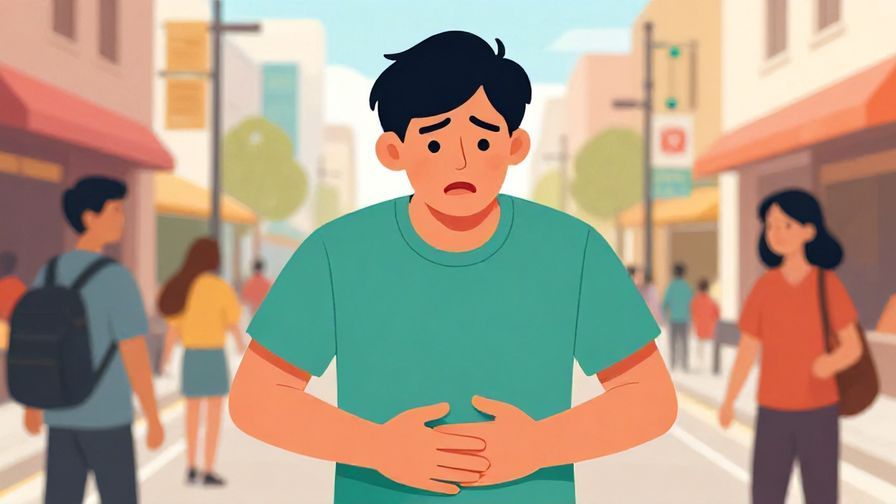
Starting with straightforward phrases is key when you’re in a hurry or feeling unwell.
These sentences are simple and useful in most situations, especially if you’re new to Japanese.
Sometimes, the most direct approach is the best.
For a solid start, a phrasebook of essential Japanese can guide you through these basics and beyond.
Simple phrases help you build confidence fast.
It’s all about getting your message across clearly and calmly.
Part 1: Casual Suggestions
1. 医者が必要です (Isha ga hitsuyou desu) – “I need a doctor.”

This is the straightforward way to say “I need a doctor.”
“医者 (Isha)” means doctor, “が (ga)” marks the subject, and “必要です (hitsuyou desu)” means “is necessary.”
It’s polite enough for most daily situations but still casual.
Perfect for when you want to be clear and direct.
You might also hear “医者を呼んでください (Isha o yonde kudasai)” meaning “Please call a doctor.”
Being able to say this calmly can really help in emergencies.
2. 病院に行きたいです (Byouin ni ikitai desu) – “I want to go to the hospital.”
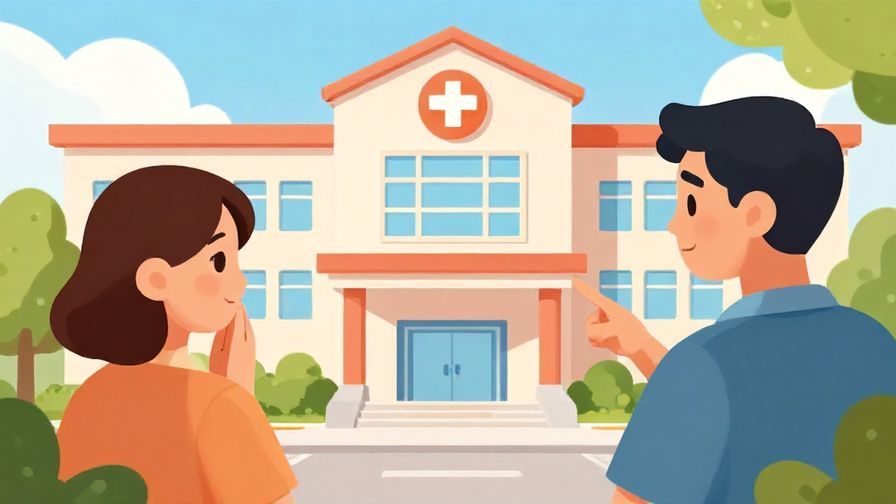
This phrase expresses your desire to get medical help at a hospital.
“病院 (Byouin)” means hospital, “に (ni)” is the particle showing direction, and “行きたいです (ikitai desu)” means “I want to go.”
It’s polite and easy to remember.
Great when you need assistance with transport or directions.
Try practicing the verb “行く (iku)” which means “to go” to make it feel more natural.
Saying this phrase calmly can help others understand your need quickly.
3. 医者をお願いします (Isha o onegaishimasu) – “Doctor, please.”
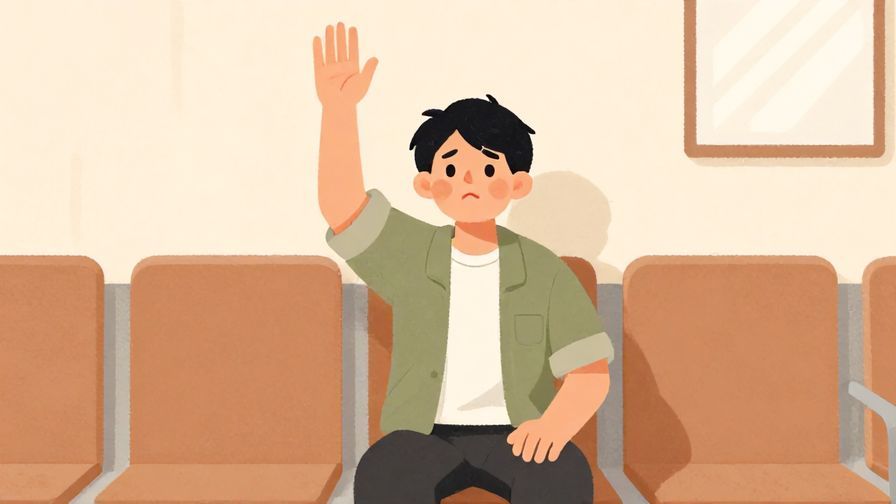
A polite way to request a doctor immediately.
“お願いします (Onegaishimasu)” is a very common polite word meaning “please.”
Using this phrase shows respect and urgency.
It’s useful at clinics or pharmacies.
When in doubt, adding “お願いします” softens your request but keeps it clear.
Perfect for formal yet approachable situations.
4. すぐに医者が必要です (Sugu ni isha ga hitsuyou desu) – “I need a doctor immediately.”

Add “すぐに (sugu ni)” to stress that you need a doctor right away.
“すぐに” means “immediately” or “right now.”
This phrase helps convey urgency clearly.
Perfect for emergencies where every second counts.
Pair with gestures or tone of voice for extra clarity.
It’s a useful phrase to memorize before traveling.
5. 痛いです。医者を呼んでください (Itai desu. Isha o yonde kudasai) – “It hurts. Please call a doctor.”

Expressing pain can prompt quicker help.
“痛い (Itai)” means “it hurts,” and “呼んでください (yonde kudasai)” means “please call.”
This combination is very clear and effective.
Use it when you feel discomfort and need immediate attention.
It’s a good idea to practice “呼ぶ (yobu)” which means “to call.”
Keeping this phrase handy can really make a difference.
6. 具合が悪いです (Guai ga warui desu) – “I feel sick.”

A useful phrase when you’re not feeling well but don’t know exactly what’s wrong.
“具合 (guai)” means condition or state, “悪い (warui)” means bad.
This phrase signals that you need medical help without specifics.
Often a good icebreaker before requesting a doctor.
You can add “医者を呼んでください” to make it more direct.
Easy to say and understand in everyday conversations.
7. 助けてください、医者が必要です (Tasukete kudasai, isha ga hitsuyou desu) – “Please help, I need a doctor.”
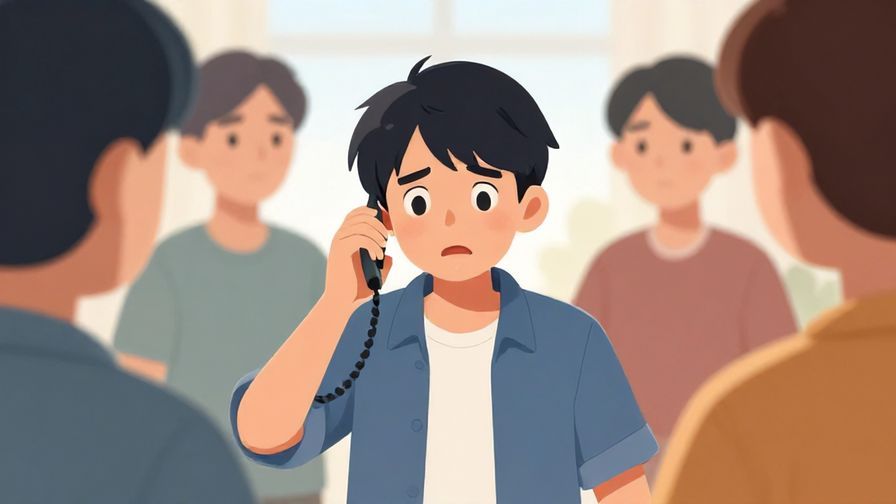
When you want to emphasize you need urgent help, add “助けてください (Tasukete kudasai).”
It means “Please help.”
Combining this with “I need a doctor” makes your request very clear.
This is great if you feel overwhelmed.
Practice saying “助けて” softly but firmly.
It shows both respect and urgency.
8. 医者はどこですか? (Isha wa doko desu ka?) – “Where is the doctor?”
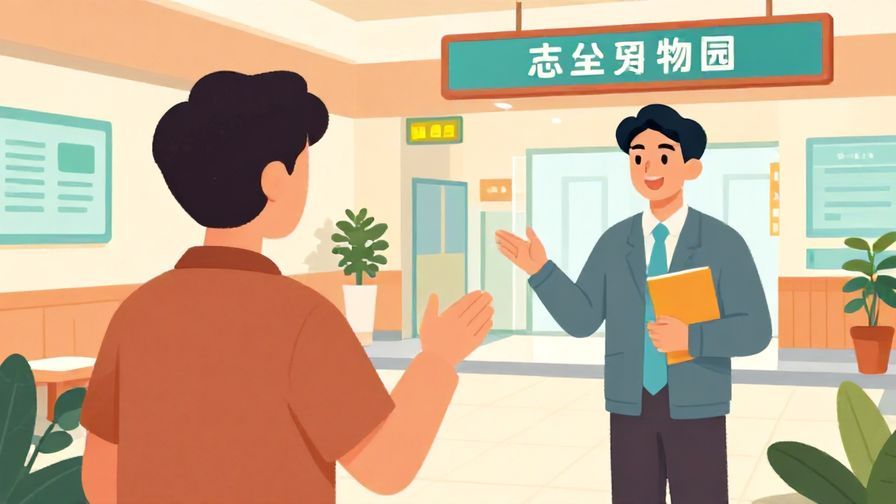
This phrase helps if you want to find a doctor or medical office nearby.
“どこ (doko)” means “where.”
It’s polite and easy to ask.
Great for hospitals, clinics, or public areas.
Combine this with polite gestures for best results.
Knowing how to ask for location is super helpful.
Part 2: Polite & Formal Suggestions
9. 医者に診てもらいたいです (Isha ni mite moraitai desu) – “I want to be seen by a doctor.”
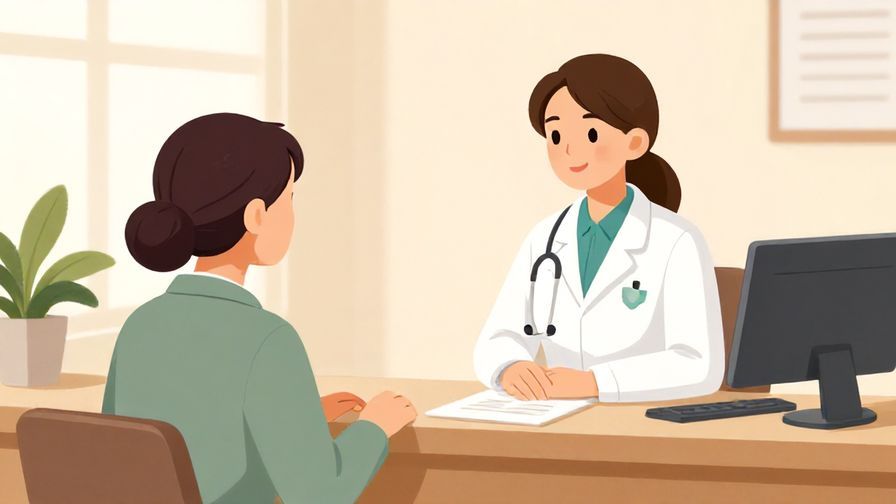
This is a polite way to express you want medical attention.
“診てもらいたい (mite moraitai)” means “want to receive a diagnosis.”
It’s respectful and clear.
Perfect for formal or semi-formal settings.
Helps when checking in at clinics.
Practice the phrase slowly to sound sincere and polite.
10. 医師の診察を受けたいです (Ishi no shinsatsu o uketai desu) – “I would like a doctor’s examination.”
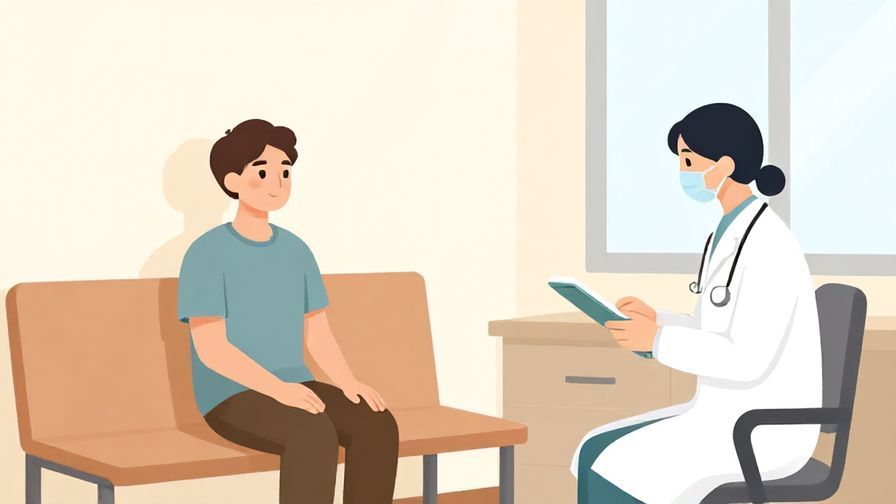
This phrase is formal and precise.
“医師 (Ishi)” is a formal word for doctor, “診察 (shinsatsu)” means medical examination.
It’s excellent for official settings.
Use it when filling out forms or talking to medical staff.
It sounds professional and respectful.
Good to memorize for hospital visits.
11. 医師を呼んでいただけますか? (Ishi o yonde itadakemasu ka?) – “Could you please call a doctor?”
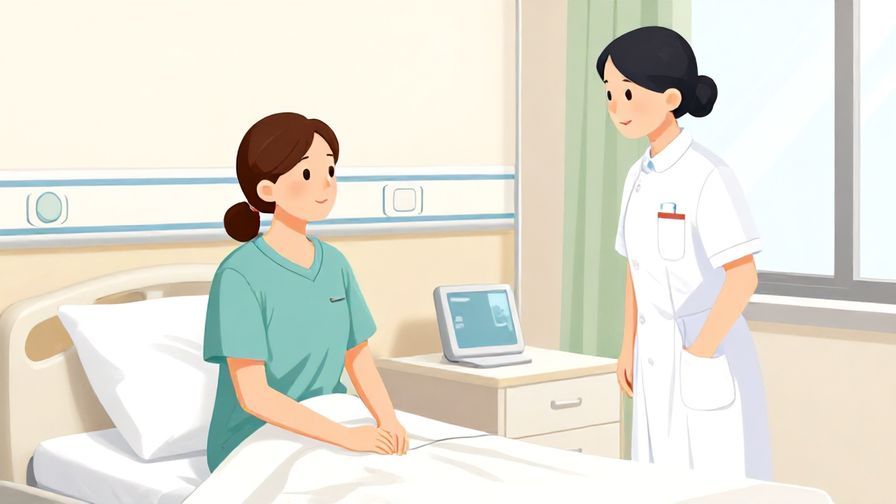
This is a very polite and respectful request.
“いただけますか” is a humble way to ask “could you do this for me?”
Great for hospital staff or receptionists.
It shows good manners and seriousness.
Use it when you want to be extra courteous.
Perfect phrase to keep in your polite Japanese toolkit.
12. 医師の診察が必要です (Ishi no shinsatsu ga hitsuyou desu) – “A doctor’s examination is necessary.”
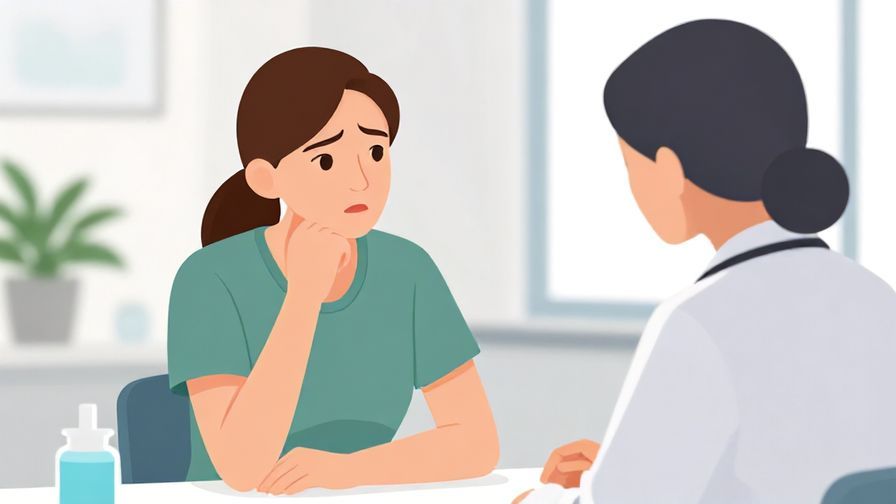
This formal phrase explains the necessity clearly.
Good for explaining symptoms to staff or family.
It sounds serious and appropriate.
Useful in written or spoken communication.
You can combine it with specific symptoms for clarity.
Helpful for clear communication in medical contexts.
13. 体調が悪く、医師の診察を受けたいです (Taichou ga waruku, ishi no shinsatsu o uketai desu) – “I’m feeling unwell and want to see a doctor.”
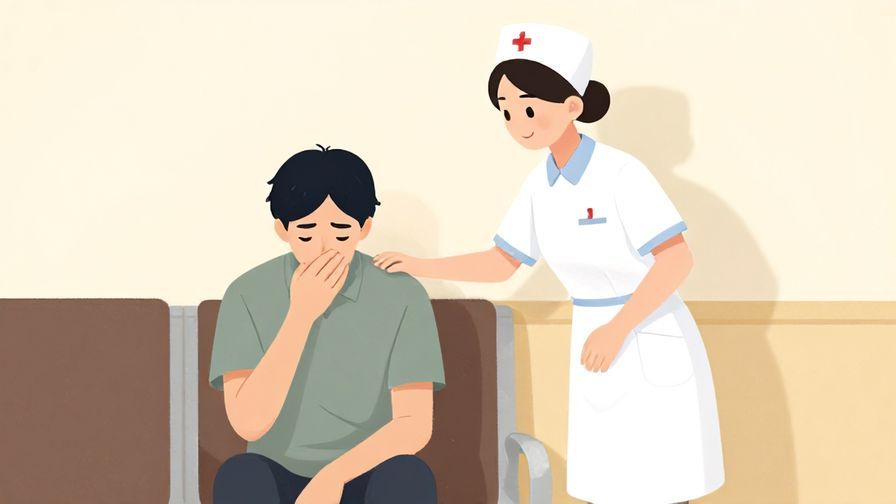
This longer phrase combines feeling sick with the request to see a doctor.
“体調 (taichou)” means physical condition, “悪く (waruku)” means bad.
It’s polite and informative.
Great for explaining your state politely.
Practice saying it slowly for clarity.
Useful when you want to be thorough and respectful.
14. 緊急で医師が必要です (Kinkyuu de ishi ga hitsuyou desu) – “I need a doctor urgently.”

“緊急 (kinkyuu)” means emergency or urgent.
Use this phrase to communicate a critical situation politely.
It alerts medical staff to act quickly.
Essential for emergencies in Japan.
Combine with gestures and tone to increase urgency.
Memorize this one for peace of mind on your travels.
15. 医師の診察を早急にお願いします (Ishi no shinsatsu o soukyuu ni onegaishimasu) – “Please arrange a doctor’s examination as soon as possible.”
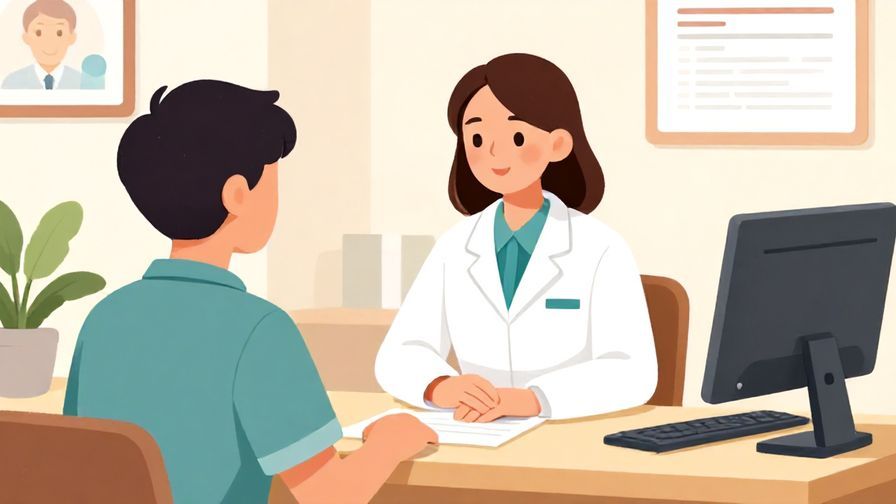
This phrase is formal and conveys polite urgency.
“早急に (soukyuu ni)” means “as soon as possible.”
It’s perfect for hospital or clinic situations.
Shows respect and importance.
Great to combine with symptoms for clarity.
Practice this phrase to sound both urgent and polite.
16. 体調不良のため、医師の診察が必要です (Taichou furyou no tame, ishi no shinsatsu ga hitsuyou desu) – “Due to feeling unwell, I need a doctor’s examination.”
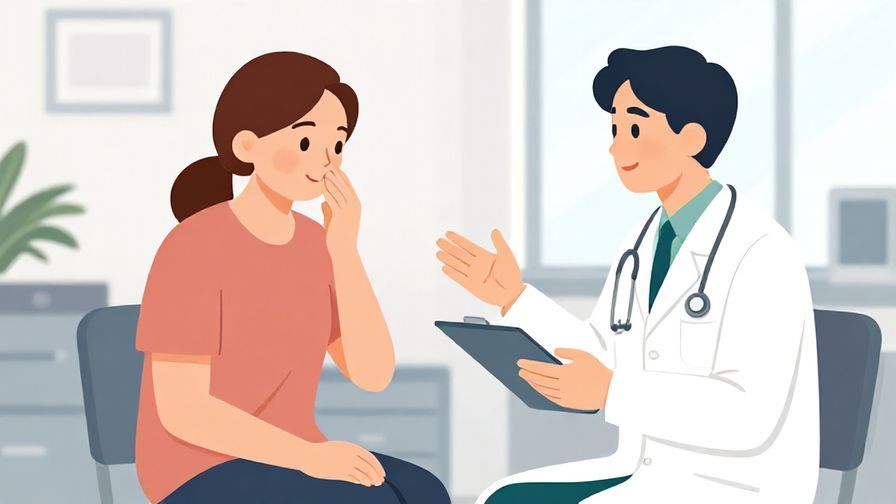
A formal and complete way to explain why you need a doctor.
“体調不良 (taichou furyou)” means poor physical condition.
It’s useful for communicating with medical professionals.
Shows that you understand your condition well.
Helpful in paperwork or formal conversations.
Good phrase for extended medical discussions.
Part 3: Very Casual / Native-like Expressions
17. 医者呼んで! (Isha yonde!) – “Call a doctor!”

This is a very casual and urgent way to call for a doctor.
It’s a command form, so use only in real emergencies.
It’s short and to the point.
Not polite but very effective.
Common among friends or family in a crisis.
Only use this if you’re sure the situation is urgent and informal.
18. 先生、助けて! (Sensei, tasukete!) – “Doctor, help!”
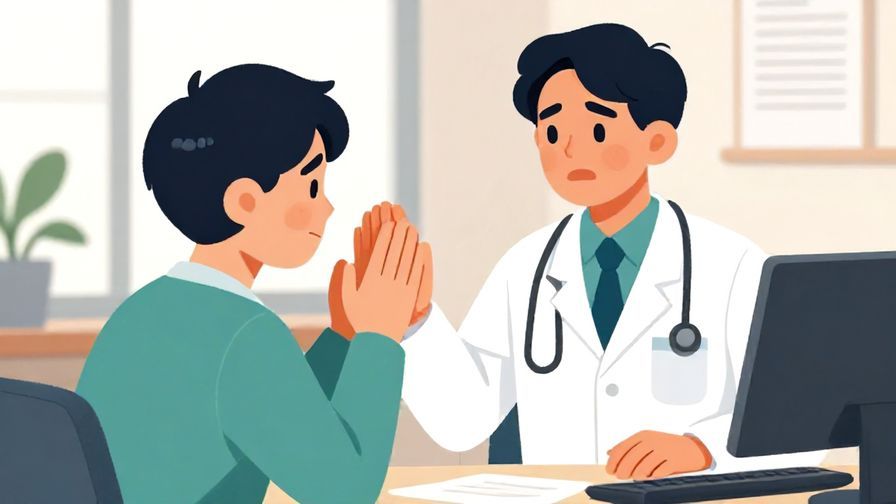
“先生 (Sensei)” is a casual and respectful way to say doctor or teacher.
“助けて (Tasukete)” means help.
This phrase is emotional and direct.
Often used in TV dramas or by locals.
It sounds natural and urgent.
Perfect for expressing immediate need in a casual way.
19. 医者呼んでくれ! (Isha yonde kure!) – “Call a doctor for me!”

A casual but slightly less polite request.
“くれ (kure)” adds a tone of asking for a favor.
Used among friends or close acquaintances.
Good for urgent but informal situations.
Try to use with people you know well.
Keeps communication quick and effective.
20. 医者どこ? (Isha doko?) – “Doctor where?”
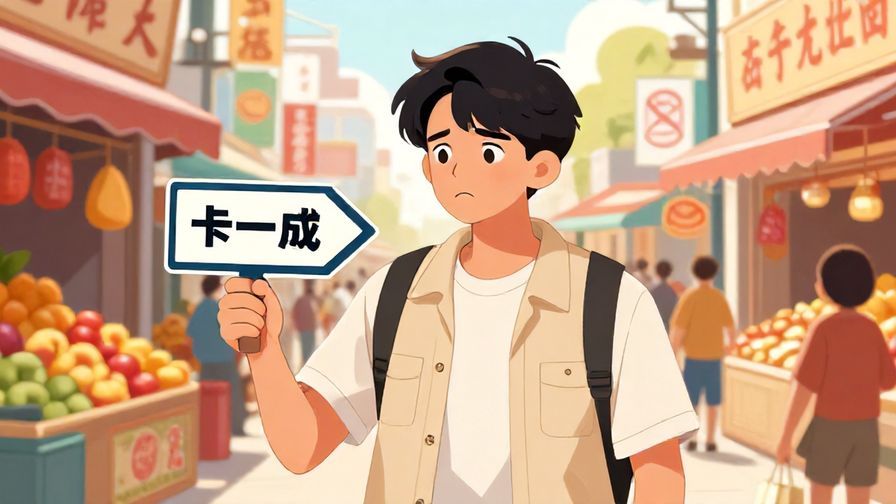
Very casual and clipped way to ask “Where is the doctor?”
Omitting particles makes it more native-like.
Good for quick questions with locals.
Use carefully as it can sound blunt.
Works well in informal contexts.
Practice with friends to get the tone right.
21. 医者お願い! (Isha onegai!) – “Doctor, please!”

Short and casual way to ask for a doctor.
“お願い (onegai)” means please, often used casually.
Good for friends or informal settings.
Sounds sincere and urgent.
Easy to remember for quick requests.
Use with a polite tone for best effect.
22. 医者が必要だよ! (Isha ga hitsuyou da yo!) – “I need a doctor, you know!”

This is a casual, conversational way to say you need a doctor.
“だよ (da yo)” adds a friendly tone.
Good for chatting with friends or family.
Sounds natural and relaxed.
Try it to sound more like a native speaker.
Great for less urgent but real needs.
23. 医者、急いで! (Isha, isoide!) – “Doctor, hurry!”
Very urgent and casual phrase to get a doctor quickly.
“急いで (isoide)” means hurry.
Use this only in emergencies among people you know.
It’s short and impactful.
Perfect for situations where time is critical.
Practice tone to avoid sounding rude.
24. 医者呼んで!助けて! (Isha yonde! Tasukete!) – “Call a doctor! Help!”

A combined urgent cry for help and doctor.
It’s very casual and emotional.
Use only in real emergencies.
Conveys maximum urgency and distress.
Common in dramas but also practical.
Memorize for peace of mind in critical moments.
Concluding Thought
Mastering these 24 ways to say “I need a doctor” in Japanese gives you a versatile toolkit for any medical situation.
From polite requests to urgent calls for help, you can now communicate clearly and confidently.
Keep practicing, and you’ll be ready to face unexpected moments with calm and clarity. Stay safe and healthy!