24 Japanese ways to say “I Have a Reservation”
Heading to Japan soon and worried about how to say “I have a reservation” in Japanese? Don’t sweat it! There’s more than one way to say this, depending on where you are and who you’re talking to.
Whether you’re checking into a hotel, dining at a restaurant, or picking up tickets, knowing a few variations can make your trip smoother and your interactions friendlier.
We’ve gathered 24 warm and practical ways to say “I have a reservation” in Japanese, complete with pronunciation tips to boost your confidence.
From polite and formal to casual and native-like, this list covers it all, so you can feel prepared and relaxed in any situation.
Plus, we’ll sprinkle in some handy mnemonics and usage notes to keep things easy and fun.
Ready to impress with your Japanese skills? Let’s dive in!
Why Knowing Multiple Ways Matters
Japanese is a beautiful language where context and politeness levels matter a lot.
You might be fine with a simple phrase in a casual cafe, but a fancy restaurant or hotel will expect more formality.
Also, sometimes a quick phrase won’t cut it—you’ll want to specify your name, time, or type of reservation.
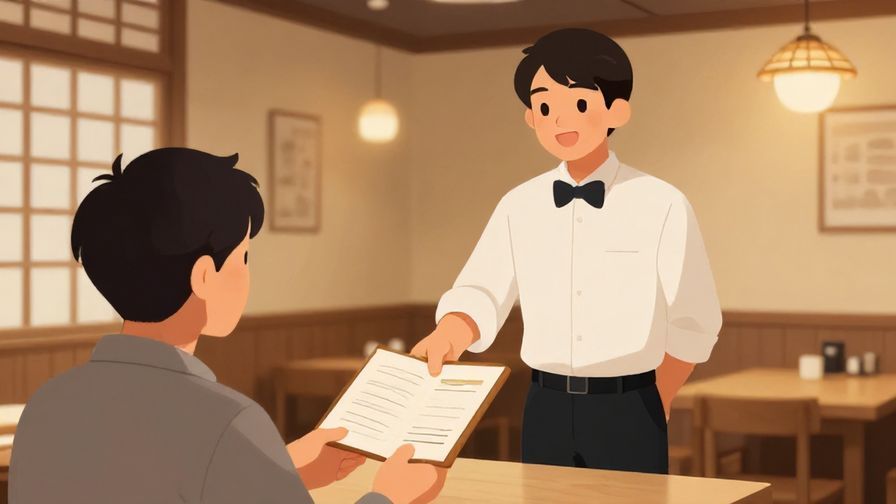
It’s always helpful to have a pocket guide like a beginner phrasebook handy, especially for travel situations.
That way, you can adapt quickly and not get stuck feeling shy or unsure.
Let’s get started with some casual options to break the ice.
Part 1: Casual Suggestions
1. 予約してるよ (Yoyaku shiteru yo) – “I have a reservation.”

This is a casual, friendly way to say “I have a reservation.”
“予約” (yoyaku) means “reservation,” and “してる” (shiteru) is the casual present progressive of “to do,” meaning “I am doing (the reservation).” The “よ” (yo) adds a soft emphasis, like “you know.”
It’s perfect with friends or in informal places.
Try to remember it as “Yo! I got this reservation!” to recall the “yo” at the end.
Note: Avoid this in very formal situations to keep respect.
Great for casual chats at a local spot or when speaking with younger staff.
2. 予約あります (Yoyaku arimasu) – “I have a reservation.”
This phrase is polite but still quite straightforward.
“あります” (arimasu) is the polite form of “to exist” for inanimate things, so this means “There is a reservation (for me).”
It’s easy to memorize by thinking “Ari = exist, so my reservation exists!”
Use this at cafes or mid-level restaurants where a bit of politeness is expected.
Don’t confuse it with “います” (imasu), which is for people.
It’s a solid middle ground phrase that works well almost anywhere.
3. 予約をしています (Yoyaku o shiteimasu) – “I have a reservation.”

This is a polite, formal way to say “I have a reservation.”
“しています” (shiteimasu) is the formal present progressive of “to do,” and the particle “を” (o) marks “予約” (yoyaku) as the direct object.
Think of it as “I am doing a reservation” but in a respectful tone.
Perfect for hotels or business dinners.
Adding formality here shows respect and professionalism.
Practice saying it slowly to get the rhythm right—it sounds very polished.
4. 予約済みです (Yoyaku zumi desu) – “The reservation is complete.”

This phrase means your reservation is all set or completed.
“済み” (zumi) means “completed,” and “です” (desu) adds polite formality.
Use this when you want to emphasize your reservation is finalized.
It’s useful if the staff need reassurance or if you booked far in advance.
Remember “zumi” as “zooming through” your reservation process.
This phrase is polite but not overly formal—great for many settings.
5. 予約してあります (Yoyaku shite arimasu) – “I have made a reservation.”

This one shows that you have already made a reservation, using “してあります” which implies a completed action with a result.
It’s polite and can be used in formal situations, like hotels or upscale restaurants.
Think of it as “I have done (the reservation) and it’s in place.”
Good for asserting your booking with confidence.
It’s a bit more formal than just “yoyaku shiteru.”
Try saying it aloud to get comfortable with the rhythm.
6. 予約しておきました (Yoyaku shite okimashita) – “I have made a reservation in advance.”
This phrase emphasizes that the reservation was made ahead of time.
“おきました” (okimashita) suggests the action was done in preparation.
Great for when you want to show you’re organized and considerate.
Helpful in business or formal settings.
Remember “oki” as “okay, it’s done in advance.”
It adds a nice touch of politeness and preparedness.
7. 予約してありますか? (Yoyaku shite arimasu ka?) – “Do you have a reservation?”

Sometimes you’ll hear this from staff, but it’s good to know how the phrase sounds.
This is a polite question form, useful for when you want to confirm your booking.
“か” (ka) turns the sentence into a question.
Responding with one of the earlier phrases will show you understand the flow.
Knowing this question helps you stay prepared in conversations.
Try practicing both question and answer to boost confidence.
8. 予約を確認したいです (Yoyaku o kakunin shitai desu) – “I want to confirm my reservation.”
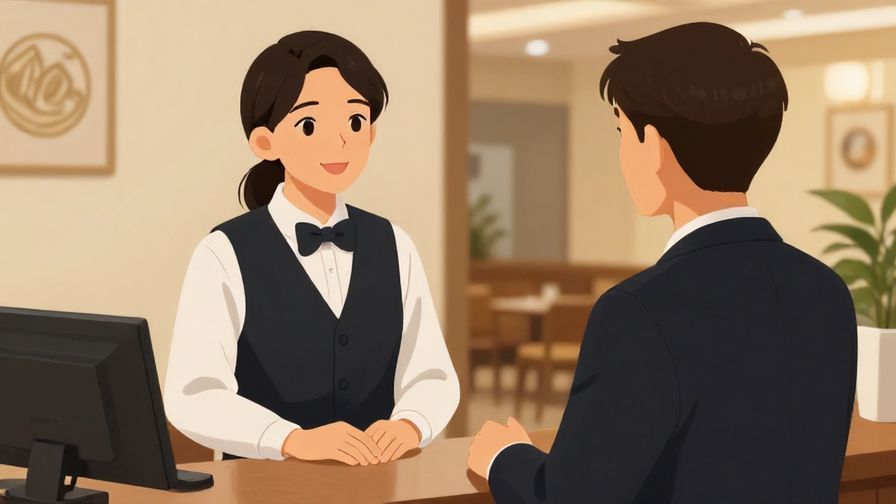
This is a polite and useful phrase when you want to double-check your booking.
“確認したい” (kakunin shitai) means “want to confirm.”
Adding “です” (desu) makes it polite.
It’s great before arriving at a hotel or restaurant, showing you’re proactive.
Remember “kakunin” means confirmation, so think “check-in” to recall it.
It’s a polite phrase that helps avoid misunderstandings.
Part 2: Polite & Formal Suggestions
9. 予約しております (Yoyaku shite orimasu) – “I have a reservation.” (Very formal)

This is a very formal and humble way to say you have a reservation.
“おります” (orimasu) is a humble form of “います,” showing respect.
Used in business or official contexts.
Think of it as “I humbly have a reservation.”
It’s polite and shows good manners.
Practice this when you want to impress with formal Japanese.
10. 予約を承っております (Yoyaku o ukagatte orimasu) – “We have received your reservation.” (Formal, from staff)
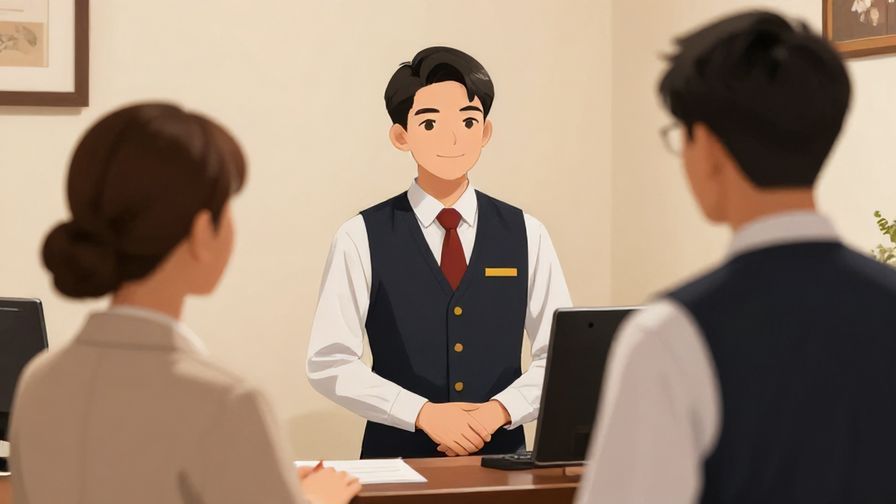
This phrase is often used by staff to confirm they have your reservation.
“承っております” (ukagatte orimasu) is a humble and respectful way to say “we have received.”
Good to recognize this when checking in.
It reflects high levels of politeness.
Remember “ukagau” means “to humbly ask or receive,” a useful word in formal Japanese.
Hearing this can reassure you your booking is safe.
11. 予約を承りました (Yoyaku o uketamawarimashita) – “We have received your reservation.” (Past polite)
A polite past tense version of confirming receipt of a reservation.
Used by staff when welcoming guests with reservations.
“承りました” (uketamawarimashita) is formal and respectful.
It means “we have received and understood your booking.”
Remember it as “uke-tama-wari-mashita,” a bit long but important in formal speech.
Useful when you want to sound respectful or understand staff responses.
12. 予約をお願いいたします (Yoyaku o onegai itashimasu) – “I’d like to make a reservation, please.”

If you want to request a reservation politely, this is the phrase to use.
“お願いいたします” (onegai itashimasu) is a humble and formal way to say “please.”
Great for phone calls or emails.
Think “onegai” as “favor” and “itashimasu” as “do humbly.”
It’s a respectful way to ask for a booking.
Practice it to sound courteous and professional.
13. 予約を確認させていただけますか? (Yoyaku o kakunin sasete itadakemasu ka?) – “May I confirm my reservation?”

This is a very polite request to confirm a reservation.
“させていただけますか” (sasete itadakemasu ka) means “may I be allowed to do (something).”
Use it for formal interactions where politeness is key.
Think of it as “may I kindly confirm?”
It’s longer but shows respect and humility.
Great for hotels or upscale restaurants.
14. 予約をキャンセルしたいです (Yoyaku o kyanseru shitai desu) – “I want to cancel my reservation.”

Sometimes you need to cancel respectfully.
“キャンセル” (kyanseru) is “cancel” in katakana, and “したいです” means “want to do.”
Use this phrase over the phone or in person.
Politeness here is appreciated.
Think “kyan” for cancel, easy to remember.
It’s a useful phrase to keep in your travel kit.
15. 予約の時間を変更したいです (Yoyaku no jikan o henkou shitai desu) – “I want to change my reservation time.”

This phrase helps you request a time change politely.
“変更したい” (henkou shitai) means “want to change.”
“予約の時間” (yoyaku no jikan) means “reservation time.”
It’s handy if plans shift.
Remember “henkou” as “change” to help recall.
Use it confidently to adjust your booking.
16. 予約名は〇〇です (Yoyaku mei wa 〇〇 desu) – “The reservation name is 〇〇.”

This phrase lets you give your reservation name politely.
“予約名” (yoyaku mei) means “reservation name.”
Simply insert your name in the 〇〇 spot.
It’s a basic but essential phrase.
Think “mei” as “name” to remember.
Perfect for check-ins at hotels or restaurants.
Part 3: Very Casual / Native-like Expressions
17. 予約してるんだけど (Yoyaku shiterun da kedo) – “I have a reservation, you know.”

This is a casual, conversational way to mention a reservation.
“んだけど” (n da kedo) adds a soft, explanatory nuance.
It’s like saying “I have a reservation, but…” implying more to say or a gentle reminder.
Great for informal settings or with friends.
Think of it as “Hey, just so you know, I booked!”
It sounds very natural but avoid in formal places.
18. 予約しとるよ (Yoyaku shitoru yo) – “I’ve got a reservation.” (Dialects)

“しとる” (shitoru) is a dialect version of “している” (shiteiru), meaning “doing.”
This phrase is casual and used in regions like Kansai.
It adds local flavor and friendliness.
Good to know if you travel within Japan.
Remember it as a relaxed version of “yoyaku shiteru.”
Use it with locals to sound more natural.
19. 予約入れてる (Yoyaku ireteru) – “I’ve made a reservation.”

“入れてる” (ireteru) literally means “put in,” used here for “made.”
It’s informal and common among younger speakers.
Good for casual chats or informal confirmations.
Think “put in the reservation” to remember.
It’s a practical phrase to sound native-like.
Try it in friendly conversations or casual settings.
20. 予約あるから安心して (Yoyaku aru kara anshin shite) – “I have a reservation, so don’t worry.”

This phrase adds a comforting touch to your reservation statement.
“安心して” (anshin shite) means “don’t worry.”
It’s great for reassuring friends or family.
Remember “anshin” means peace of mind.
Use it to keep the mood light and positive.
It shows confidence and care.
21. 予約済みだよ (Yoyaku zumi da yo) – “The reservation’s done.”

A casual and upbeat way to say your reservation is complete.
“だよ” (da yo) adds a friendly tone.
Great among friends or casual contexts.
Think “done and ready!” to remember.
It’s brief but effective.
Use it to sound relaxed and confident.
22. 予約入ったよ (Yoyaku haitta yo) – “I got a reservation.”

“入った” (haitta) means “entered” or “got in.”
Used casually to say the reservation was successful.
Good for sharing news with friends.
Remember “haitta” as “it entered the system.”
It’s energetic and informal.
Perfect for everyday conversations.
23. 予約してんだ (Yoyaku shiten da) – “I have a reservation.” (Very casual)

“してんだ” (shiten da) is a contracted form of “しているんだ.”
Very casual and often used in spoken Japanese.
Use it with close friends or peers.
Think of it as “yup, I got a reservation.”
Not for formal or unfamiliar situations.
It’s an easy way to sound fluent among friends.
24. 予約入れといた (Yoyaku irettoita) – “I made the reservation ahead.”

This is a casual phrase meaning you took the initiative to book in advance.
“といた” (toita) implies a completed action done for future convenience.
Great for showing responsibility among friends.
Remember it as “I put the reservation in.”
It’s informal but very natural-sounding.
Use it to sound like a helpful native speaker.
Concluding Thought
Learning multiple ways to say “I have a reservation” in Japanese helps you navigate different social situations with ease and confidence.
From casual chats to formal business settings, you’re now equipped to express yourself politely and naturally.
Keep practicing these phrases, and you’ll feel right at home the next time you say “予約しています” with a smile!