24 Japanese ways to say “I Have a Headache”
Ever woken up with a pounding head and wished you could just say it in a different way? Japanese is full of colorful, expressive phrases that capture the feeling of a headache perfectly.
Whether you want to sound casual or polite, there’s a phrase here that fits every situation. Some are straightforward, others a bit more poetic or slangy.
Exploring different ways to say “I have a headache” can be fun and super useful, especially if you’re learning Japanese or planning to visit.
We’ll take you through 24 phrases, from the everyday to the very native-like. You’ll learn the words, how to say them, and when to use each one.
Plus, these variations will help you express yourself more naturally and understand others better when they’re not feeling well.
Ready to ease that headache with some fresh Japanese vocab? Let’s dive in!
Common and Easy Ways to Say “I Have a Headache”
Starting simple is always best. These phrases are straightforward and perfect for beginners.
They cover polite and casual ways to express your headache clearly without any fancy expressions or slang.
Knowing these basics will make your conversations smoother when you’re feeling under the weather.
Sometimes, a good Japanese language learning book can help you get these phrases down perfectly.
Practice these and you’ll be ready to describe your headaches anytime, anywhere.
Let’s get started with the essentials!
Part 1: Casual Suggestions
1. 頭が痛い (Atama ga itai) – “I have a headache.”
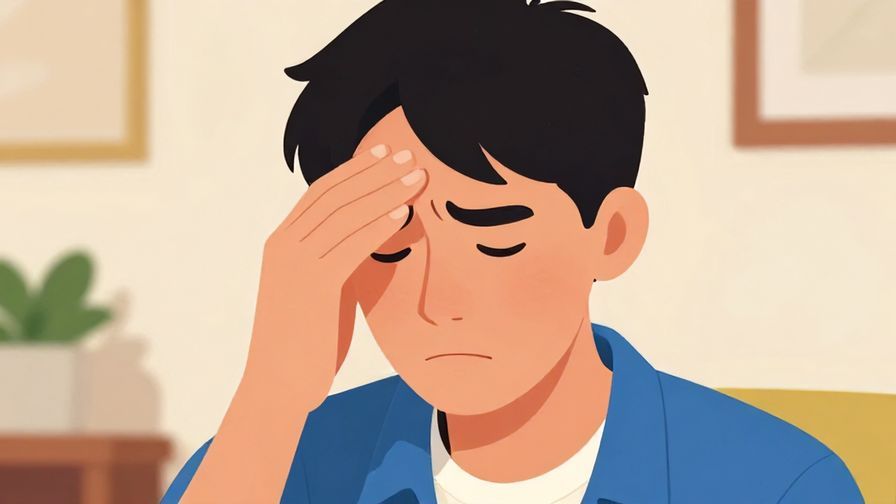
This is the most straightforward and common way to say “I have a headache.”
頭 (Atama) means “head,” が (ga) is a subject marker, and 痛い (itai) means “hurts.” Put together, it literally means “head hurts.”
It’s perfect for casual conversations with friends or family.
Just say it clearly, and people will understand you right away.
If you want to soften it, you can add ちょっと (chotto) before to say “a little headache.”
Keep this phrase handy—it’s the basic building block for talking about head pain in Japanese.
2. 頭痛がする (Zutsū ga suru) – “I’m getting a headache.”
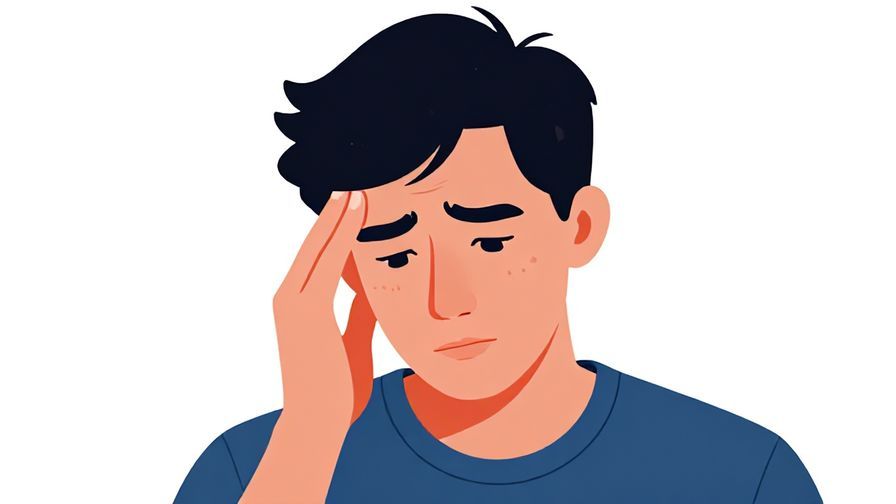
This phrase uses 頭痛 (zutsū), which is the noun for “headache.”
が (ga) marks it as the subject, and する (suru) means “to do” or “to have” in this context.
It can mean “I have a headache” or “I’m experiencing a headache.”
It sounds a bit more formal or medical than 頭が痛い but is still very common.
Great for telling a coworker or doctor how you feel.
Practice this one if you want to sound a bit more precise without overcomplicating things.
3. 頭がズキズキする (Atama ga zukizuki suru) – “My head is throbbing.”
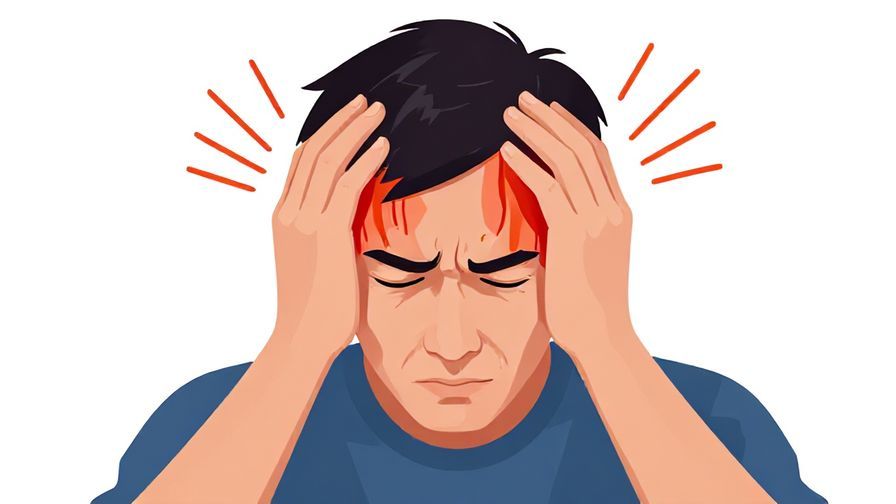
ズキズキ (zukizuki) is an onomatopoeia for throbbing or pulsing pain.
It makes your headache description more vivid and expressive.
Use this when your headache feels sharp or intense.
It’s casual but a bit more descriptive than just saying “痛い.”
This phrase helps others understand your pain level better.
Try it next time your head really pounds—it’ll paint a clearer picture.
4. 頭が重い (Atama ga omoi) – “My head feels heavy.”
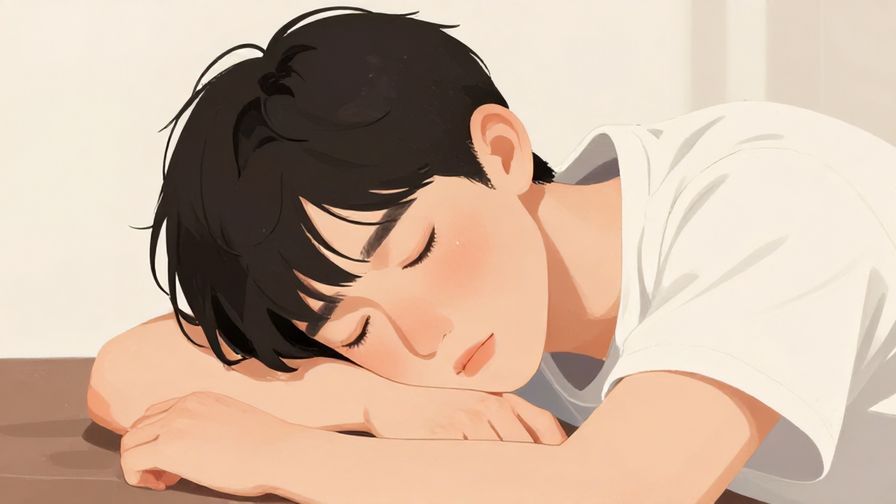
重い (omoi) means “heavy,” so this phrase expresses a feeling of heaviness in the head.
It’s a common way to describe a dull, tired headache or pressure.
This phrase is more about the sensation than sharp pain.
It’s casual and natural, often used when you just feel off or foggy.
Perfect for explaining that you’re not feeling well without sounding too dramatic.
Adding this to your vocab lets you describe different headache types easily.
5. 頭がボーッとする (Atama ga bōtto suru) – “My head feels fuzzy.”
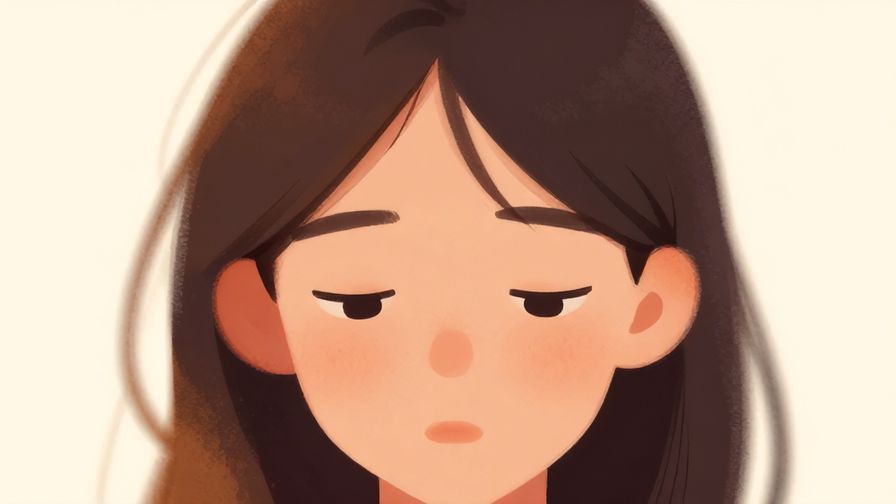
ボーッとする (bōtto suru) means “to feel dazed or fuzzy.”
It’s a casual phrase that describes the foggy-headed feeling that sometimes comes with headaches.
This one is great if your headache comes with tiredness or confusion.
It’s very conversational and common in everyday speech.
Use it when you want to explain that your head isn’t sharp or clear.
It helps you sound natural and relatable.
6. 頭が痛くて寝込んでいる (Atama ga itakute nekonde iru) – “I have a headache and I’m bedridden.”
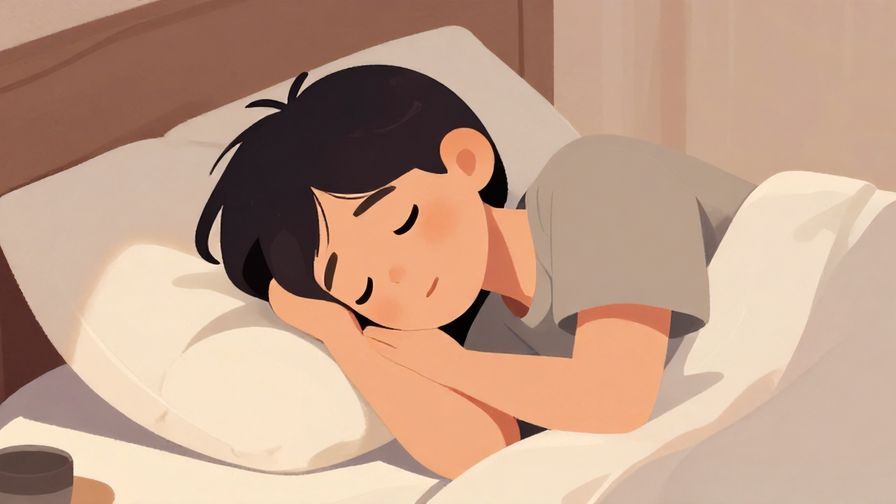
This phrase combines 頭が痛い with 寝込む (nekomu), meaning “to lie down sick.”
It’s useful for explaining that your headache is bad enough to keep you in bed.
It sounds more serious and can be used with friends or family.
Adding ている (te iru) shows the ongoing state.
Good for making sure people understand you need rest.
Practice this to express more about how your headache affects you.
7. 頭が重くてつらい (Atama ga omokute tsurai) – “My head feels heavy and it’s painful.”
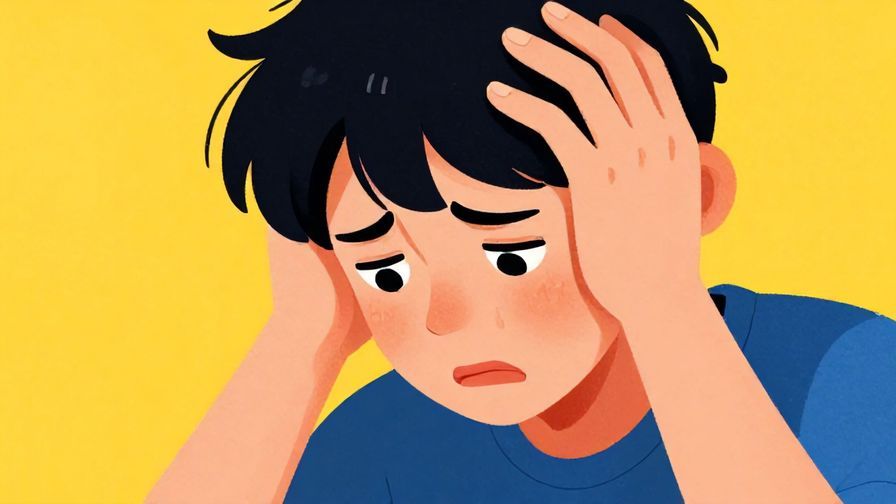
This phrase combines “heavy head” with 辛い (tsurai), meaning “painful” or “hard to bear.”
It expresses both the physical sensation and emotional discomfort.
It’s a step up from just saying your head hurts.
Use it when your headache is really bothering you.
It’s casual but heartfelt.
This phrase helps you convey how much the headache affects your mood.
8. 頭がガンガンする (Atama ga gangan suru) – “My head is pounding.”
ガンガン (gangan) is an onomatopoeia for a loud, pounding headache.
This phrase vividly describes intense pain.
It’s very casual and commonly used among friends.
Great when you want to emphasize how bad your headache feels.
Try it to sound more expressive and native-like.
It’s a phrase that really paints a picture of your pain.
Part 2: Polite & Formal Suggestions
9. 頭痛がします (Zutsū ga shimasu) – “I have a headache.” (polite)
This is the polite form of 頭痛がする, using します (shimasu) instead of する.
It’s appropriate in formal situations like talking to doctors or coworkers.
It sounds respectful and clear.
Perfect for professional or unfamiliar settings.
Using polite forms shows good manners and helps avoid sounding rude.
Practice this to express your symptoms politely and effectively.
10. 頭痛がいたします (Zutsū ga itashimasu) – Very polite and humble

いたします (itashimasu) is a humble form of します (shimasu).
This phrase is used in very formal or humble contexts.
Great for official announcements or when you want to sound extra respectful.
It’s less common in daily conversation but useful in business.
Good to know if you want to master formal Japanese.
Use it with care to avoid sounding unnatural in casual settings.
11. 頭痛が起こっています (Zutsū ga okotte imasu) – “A headache is occurring.”
起こる (okoru) means “to occur” or “to happen.”
Using this with 頭痛 adds a formal, clinical tone.
It’s useful when describing symptoms to health professionals.
It sounds objective and factual.
Good for medical conversations or reports.
Practicing this will help with professional Japanese vocabulary.
12. 頭痛が続いています (Zutsū ga tsuzuite imasu) – “The headache is continuing.”
続く (tsuzuku) means “to continue.”
This phrase indicates a headache that’s lasted for a while.
It’s polite and descriptive.
Useful when explaining ongoing symptoms.
Shows more detail about your condition than just “I have a headache.”
Try this when you need to be clear about duration.
13. 頭痛で困っています (Zutsū de komatte imasu) – “I’m troubled by a headache.”
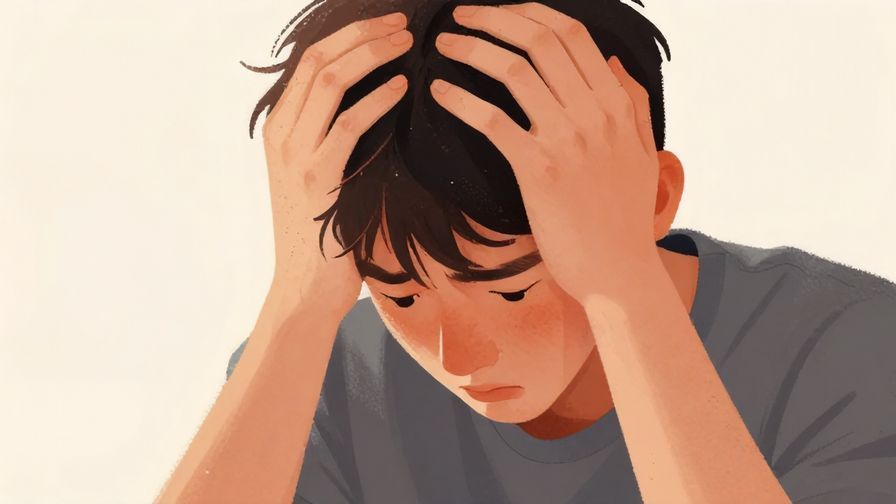
困る (komaru) means “to be troubled” or “to have a problem.”
This phrase expresses that the headache is causing difficulty.
It’s polite and emotionally expressive.
Great for asking for help or explaining why you can’t do something.
It adds a human touch to your complaint.
Use this for a more empathetic expression.
14. 頭痛がひどくて動けません (Zutsū ga hidokute ugokemasen) – “My headache is severe and I can’t move.”
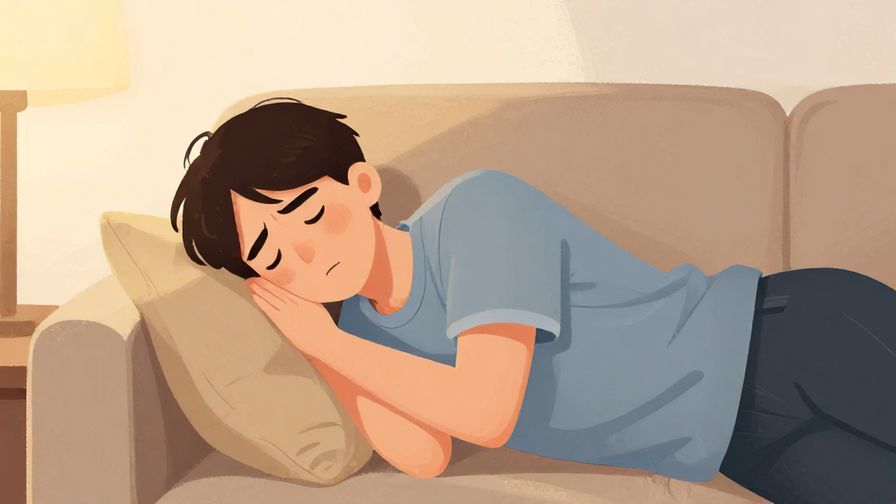
ひどい (hidoi) means “severe” or “terrible.”
動けません (ugokemasen) means “cannot move.”
This phrase clearly states your condition is serious.
It’s polite and direct.
Useful when explaining your inability to work or attend events.
Practice to communicate urgency politely.
15. 頭痛のせいで集中できません (Zutsū no sei de shūchū dekimasen) – “I can’t concentrate because of my headache.”
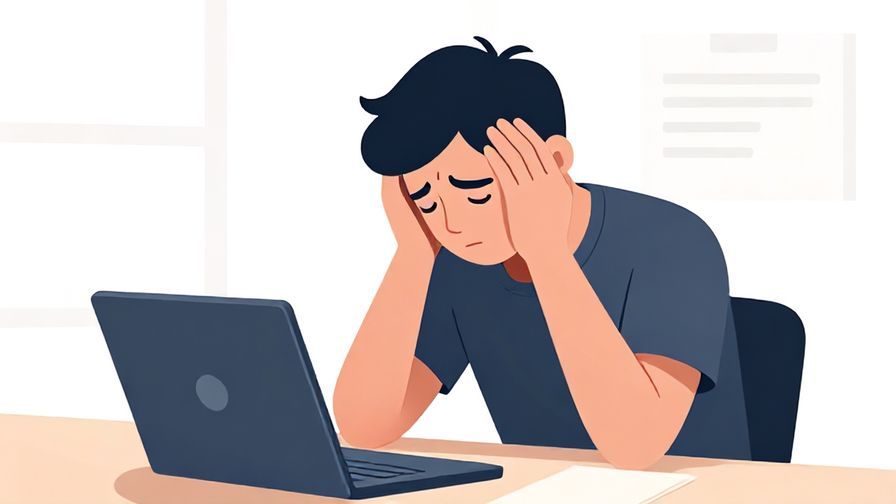
のせいで (no sei de) means “because of.”
集中できません (shūchū dekimasen) means “can’t concentrate.”
This phrase explains how your headache affects your ability to focus.
Polite and helpful for work or study contexts.
Shows cause and effect clearly.
Great for explaining your limitations with professionalism.
16. 頭痛が和らぎません (Zutsū ga yawaragimasen) – “My headache isn’t easing.”
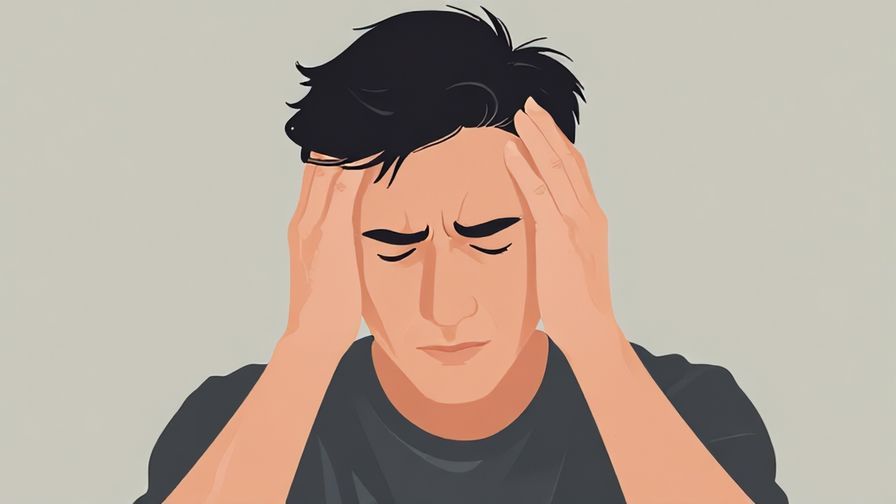
和らぐ (yawaragu) means “to soften” or “ease.”
Using the negative form shows the headache remains strong.
Polite and descriptive.
Useful for telling a doctor your headache isn’t getting better.
It adds nuance to your symptoms.
Try this phrase to express persistence of pain clearly.
Part 3: Very Casual / Native-like Expressions
17. 頭がキーンとする (Atama ga kīn to suru) – “My head feels sharp/shooting pain.”
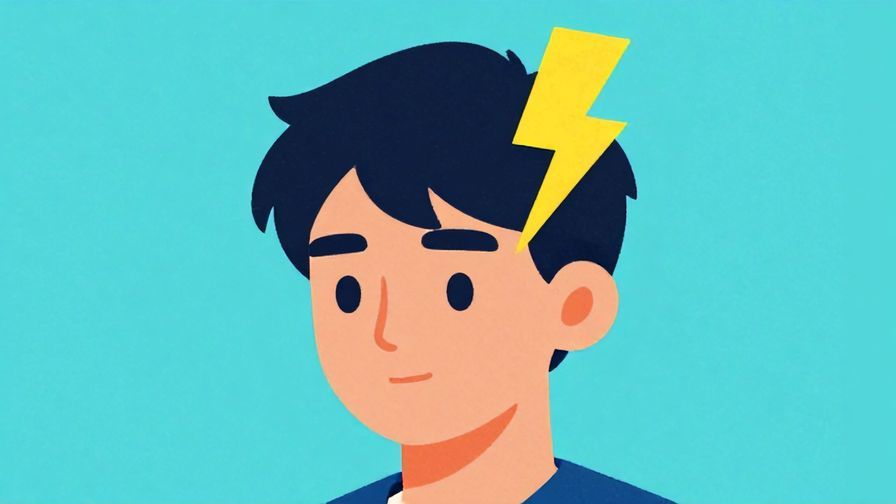
キーンとする (kīn to suru) is an onomatopoeic expression for a sharp or shooting pain.
It’s very casual and used often by natives to describe sudden headaches.
Great for sounding natural and expressive.
Use when your headache feels like a sharp sting.
Easy to remember because of the sound mimicry.
Try this to add flair to your headache vocabulary.
18. 頭痛いんだけど (Atamai n da kedo) – “My head hurts, though.” (casual)

This is a casual, native-sounding contraction of 頭が痛い.
It’s often used among friends or peers.
んだけど (n da kedo) adds a soft but slightly hesitant tone.
It implies you’re mentioning the headache but might expect a response.
Perfect for informal chat.
Practice this to sound more like a local.
19. 頭がガンガンしてきた (Atama ga gangan shite kita) – “My head has started pounding.”
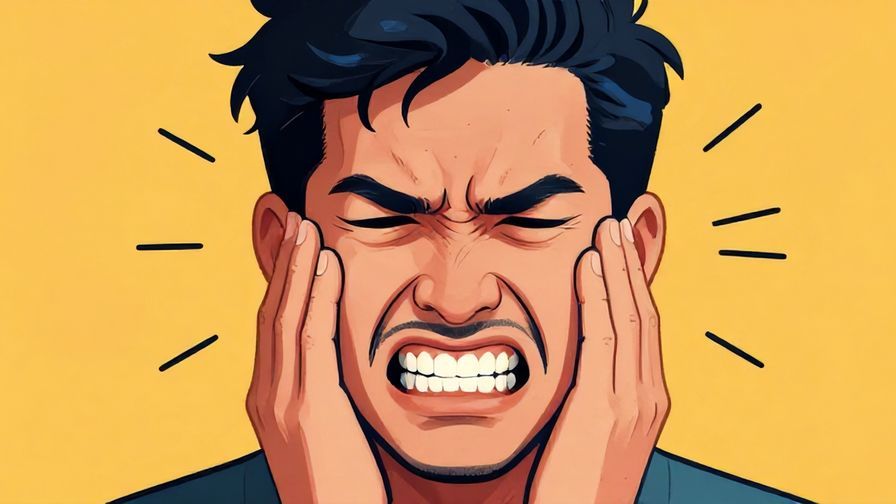
してきた (shite kita) indicates an action that started recently.
This phrase expresses that a pounding headache just began.
Very conversational and native-like.
Use it to describe the onset of pain naturally.
It’s easy to pick up because of the casual verb form.
Great for sharing your current state in real time.
20. 頭がズキズキしてやばい (Atama ga zukizuki shite yabai) – “My head is throbbing badly.”
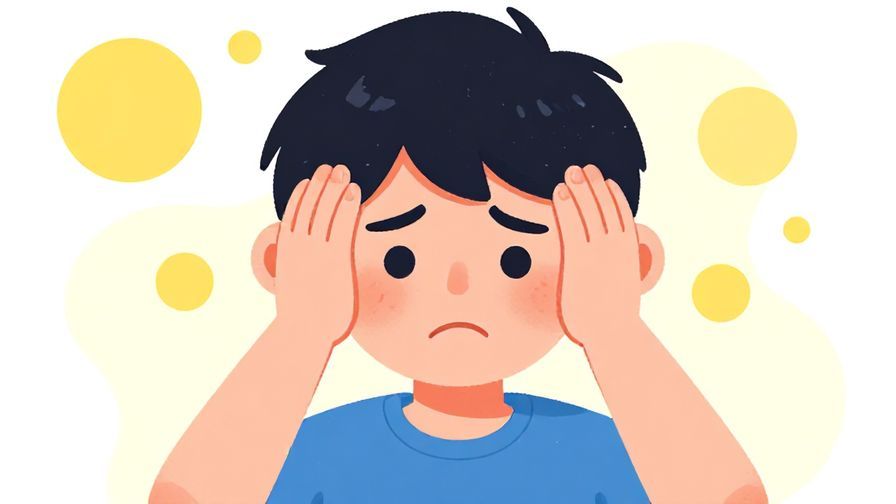
やばい (yabai) is slang for “bad” or “terrible.”
This phrase is very casual and often used among younger people.
It adds urgency and emotion to your headache description.
Use with friends or in informal settings.
Good for emphasizing the severity in a natural way.
Practice to sound more like a native speaker.
21. 頭が痛すぎる (Atama ga itasugiru) – “My head hurts too much.”
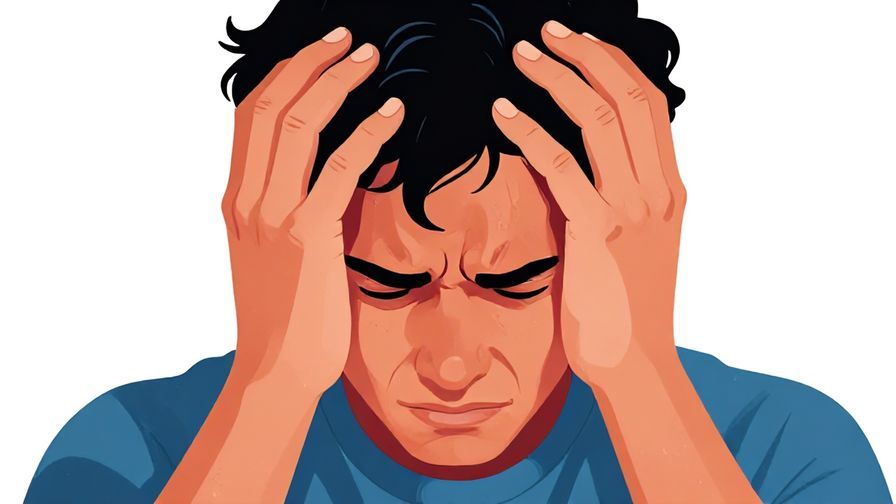
すぎる (sugiru) means “too much” or “excessively.”
It intensifies the pain in your statement.
Casual and common in everyday speech.
Great for venting frustration about your headache.
It’s easy to add to other adjectives for emphasis.
Try it when you want to express strong pain naturally.
22. 頭が痛くて動けないんだよね (Atama ga itakute ugokenai n da yo ne) – “My head hurts and I really can’t move.”
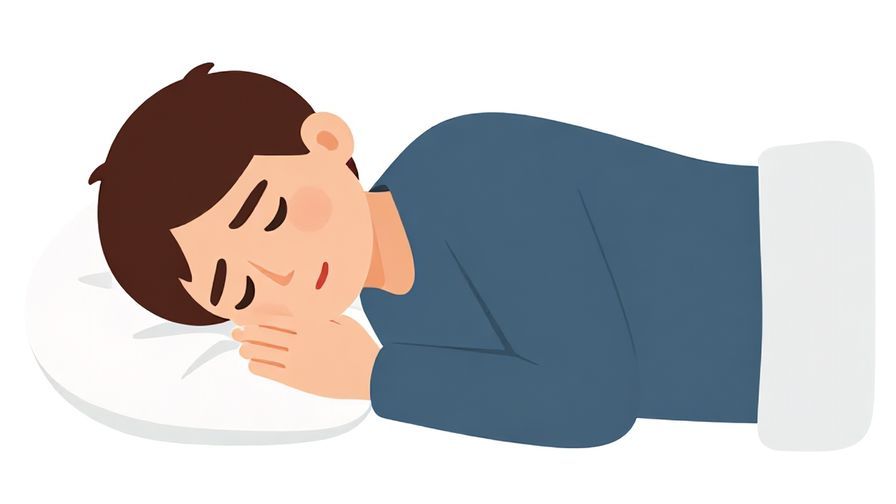
This phrase is a very casual way to explain that your headache prevents movement.
んだよね (n da yo ne) adds a soft explanatory tone, making it feel natural.
Used often in informal conversations.
It expresses both the pain and your current state clearly.
Great for chatting with close friends or family.
Practice this for everyday natural Japanese.
23. 頭が痛くてつらいんだ (Atama ga itakute tsurai n da) – “My head hurts and it’s tough.”
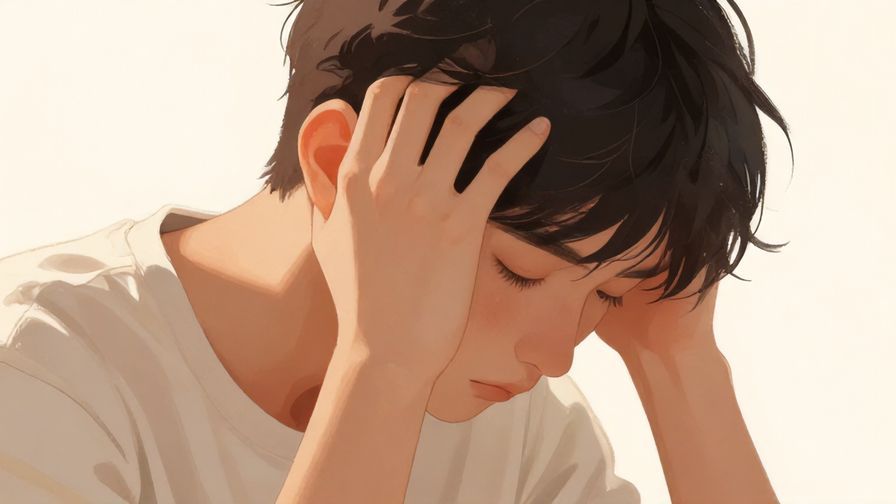
つらい (tsurai) means “painful” or “tough to bear.”
The んだ (n da) ending adds a casual explanatory nuance.
This phrase is heartfelt and commonly used in daily life.
It’s simple but expressive.
Use it to share your discomfort honestly.
It helps deepen your emotional expression in conversation.
24. 頭痛でやられてる (Zutsū de yarareteru) – “I’m knocked out by a headache.”
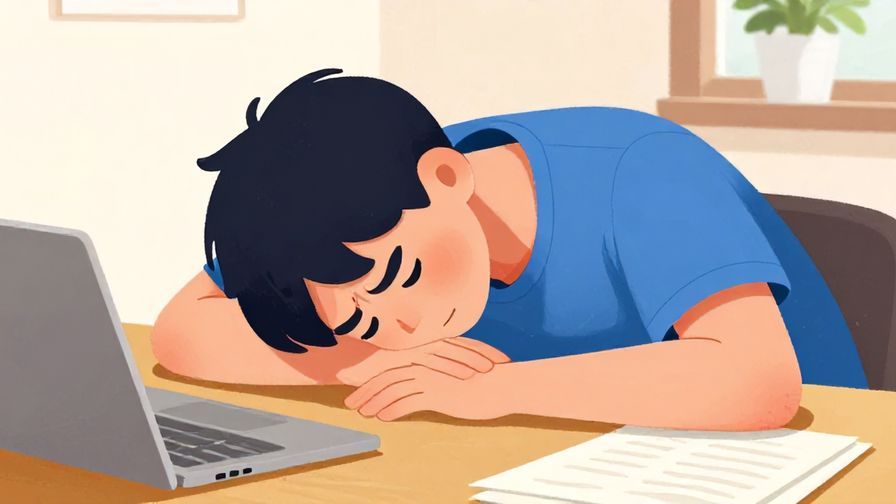
やられてる (yarareteru) is slang meaning “being defeated” or “knocked out.”
This phrase is casual, very native-like, and a bit playful.
It conveys that the headache is really taking a toll on you.
Use it with close friends or in relaxed settings.
It’s a fun way to express just how bad your headache feels.
Try this when you want to sound relaxed but serious about your pain.
Concluding Thought
Exploring these 24 ways to say “I have a headache” in Japanese shows just how rich and expressive the language can be.
Whether you’re casual, polite, or native-like, there’s a phrase that fits your exact feeling and situation.
Next time your head hurts, you’ll have the perfect Japanese phrase ready to share—making you sound more natural and understood. 頑張ってね! (Ganbatte ne!)