24 Japanese ways to say “Good Morning”
Good morning! Or as they say in Japanese, おはよう (Ohayou). But did you know there are so many ways to greet someone in the morning in Japan? Whether you want to sound casual, polite, or super friendly, there’s a phrase for every vibe.
Starting your day with a warm greeting can really set the tone, and learning a few new ways to say “Good morning” can make your conversations more interesting and meaningful.
Some expressions are perfect for friends and family, while others suit formal settings or even texting. Mixing these up will make you sound more natural and connected.
We’ve gathered 24 Japanese ways to say “Good Morning,” complete with pronunciation guides and little tips to help you remember them. Ready to add some flavor to your morning greetings? Let’s dive in!
And if you’re curious about more Japanese phrases, you might find it helpful to explore a beginner phrasebook that organizes useful expressions for everyday life.
By the end of this list, you’ll have a whole new morning vocabulary to brighten your day and impress your Japanese friends.
Morning Greetings Basics
Before we jump into the list, it’s good to know the classic “Good morning” in Japanese is おはようございます (Ohayou gozaimasu) for polite situations, and just おはよう (Ohayou) with close friends and family.
Japanese greetings often reflect the level of politeness and relationship closeness, so it’s handy to have a few variations up your sleeve.
Learning these can help you sound friendly, respectful, or casual depending on the moment.
Sometimes, using a great beginner phrasebook can give you a perfect starting point for a cohesive understanding.
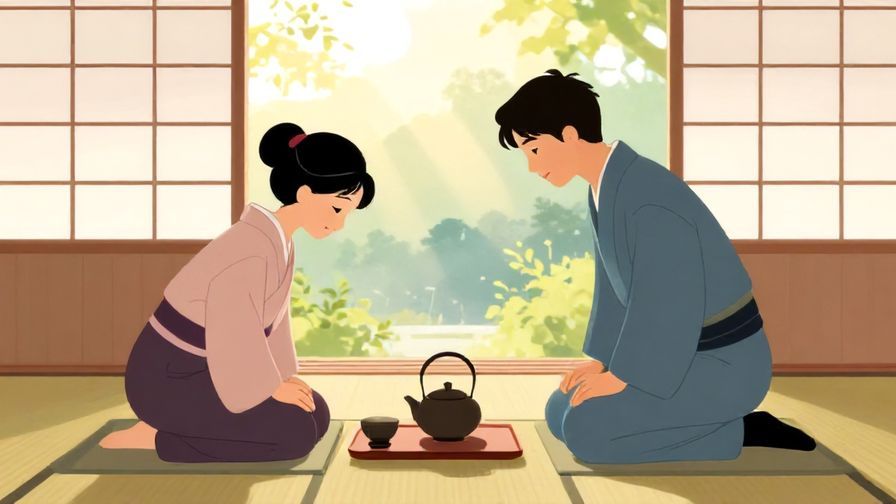
Politeness matters in Japanese culture, so knowing when to use which phrase is key.
Let’s start with some casual greetings you can try with friends or people your age.
Part 1: Casual Suggestions
1. おはよう (Ohayou) – “Good morning” (casual)

The simplest and most common way to say “Good morning” among friends or family.
Just say おはよう (Ohayou), pronounced “oh-ha-yo-u,” where the “u” is soft. It’s friendly and upbeat.
This is your go-to phrase for casual settings, easy to remember and use.
It’s short and sweet but shows you care about their morning.
When you want to be more formal, just add ございます (gozaimasu) at the end.
Try using this with your close friends or siblings to sound natural and warm.
2. おはよっす (Ohayos-su) – “Morning!” (very casual, slang)
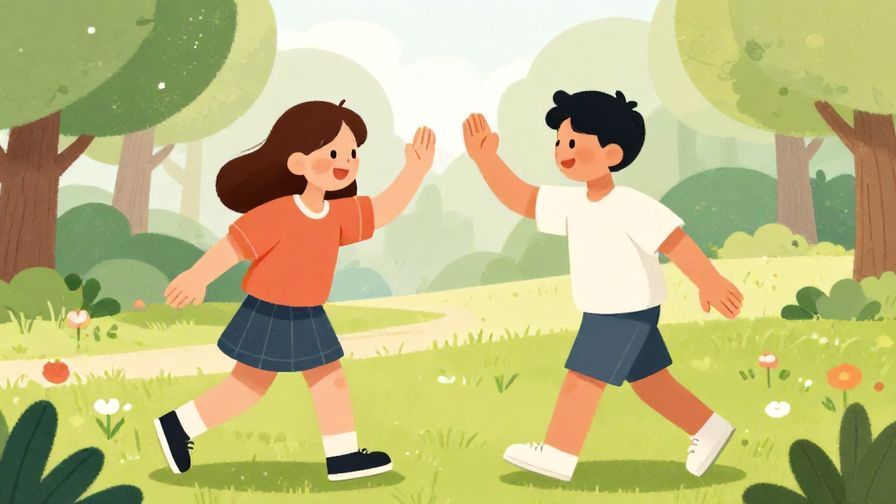
This is a slangy, super casual way to say “Morning!” mostly among young people.
It’s a shortened and playful version of おはよう, pronounced “oh-ha-yos-su.” Great for texting or chatting with close friends.
This phrase adds a fun and breezy tone to your greeting.
Be careful: it’s too casual for formal or older people.
Imagine greeting your buddy on a weekend morning with this cheerful phrase.
It’s a great way to sound native and relaxed.
3. 朝だね (Asa da ne) – “It’s morning, huh?” (casual, conversational)

A fun, conversational way to acknowledge the morning together.
朝 (Asa) means “morning,” だ (da) is a casual “is,” and ね (ne) adds a “right?” or “isn’t it?” feeling.
It’s pronounced “ah-sa da ne.” Perfect for chatting with friends as you start your day.
This phrase shows you’re present and sharing the moment.
It’s less of a direct greeting and more of a friendly observation.
Use it when casually starting a conversation or greeting someone you know well.
4. おっす (Ossu) – “Yo! Morning!” (very casual, male speech)

This is a super casual greeting often used by men, especially in sports or school settings.
Just おっす (Ossu), pronounced “oh-ss,” is a quick way to say “Hey” or “Morning!” with a strong, friendly tone.
It’s informal and energetic, great for close friends or teammates.
Avoid using this with strangers or in formal contexts.
It reflects camaraderie and confidence.
If you want to sound like a typical Japanese high school student, this is your phrase.
5. やあ、朝だよ! (Yā, asa da yo!) – “Hey, it’s morning!” (friendly, casual)

A friendly, slightly more expressive way to greet someone in the morning.
やあ (Yā) is like “Hey,” 朝 (Asa) means “morning,” and だよ (da yo) adds emphasis, pronounced “yah, ah-sa da yo.”
It’s perfect for friends or family when you want to be warm and lively.
This phrase shows enthusiasm for the new day.
It’s casual but full of energy.
Try this to brighten someone’s morning with your cheerful vibe.
6. 今日も頑張ろうね (Kyou mo ganbarou ne) – “Let’s do our best today!” (motivational casual)

Not a direct “Good morning,” but a great phrase to greet someone with positive energy.
今日 (Kyou) means “today,” も (mo) means “also,” 頑張ろう (Ganbarou) means “let’s do our best,” and ね (ne) softens it with “right?”
Pronounced “kyoh mo gan-ba-ro-u ne.”
This is perfect for coworkers or friends to encourage each other.
It creates a positive start without being a typical greeting.
Use this to motivate and bond with people around you.
7. いい朝だね (Ii asa da ne) – “Nice morning, huh?” (casual, appreciative)

A relaxed, appreciative way to greet someone about the morning.
いい (Ii) means “good” or “nice,” 朝 (Asa) is “morning,” だね (da ne) adds a casual confirmation.
Pronounced “ee ah-sa da ne.”
It’s a great phrase to notice and share the beauty of the morning.
Use it with friends or loved ones to start a calm conversation.
It’s simple but thoughtful and warm.
8. 朝から元気だね! (Asa kara genki da ne!) – “You’re energetic this morning!” (friendly, teasing)

This phrase is playful and friendly, great for teasing someone who’s lively early.
朝から (Asa kara) means “from morning,” 元気 (Genki) means “energetic,” だね (da ne) adds casual confirmation.
Pronounced “ah-sa ka-ra gen-ki da ne.”
Use this with close friends or coworkers to lighten the mood.
It’s a fun way to acknowledge someone’s energy.
Perfect for building camaraderie and smiles.
Part 2: Polite & Formal Suggestions
9. おはようございます (Ohayou gozaimasu) – “Good morning” (polite)

The standard polite way to say “Good morning” in Japanese.
おはよう (Ohayou) means “good morning,” and ございます (gozaimasu) is a formal, respectful ending.
Pronounced “oh-ha-yo-u go-za-i-ma-su.”
This is perfect for coworkers, teachers, or anyone you want to show respect to.
It’s widely used in workplaces and formal settings.
Master this phrase to make a great impression.
10. ごきげんよう (Gokigenyou) – “Good day / Good morning” (very formal, elegant)

This is a very formal and elegant greeting, less common but beautiful.
ごきげんよう (Gokigenyou) literally means “May you be well,” used in refined or formal events.
Pronounced “go-ki-gen-you.”
It’s often heard in classical dramas or by older generations.
Not common in daily conversation but impressive to know.
Perfect for formal ceremonies or polite letters.
11. お疲れ様です (Otsukaresama desu) – “Thanks for your hard work” (morning greeting at work)

While literally meaning “Thank you for your hard work,” it’s often used as a morning greeting among colleagues.
お疲れ様 (Otsukaresama) shows appreciation and respect for effort.
Pronounced “o-tsu-ka-re-sa-ma de-su.”
It’s polite and builds team spirit.
Use this around coworkers to show camaraderie and professionalism.
Great for office culture mornings.
12. 失礼します (Shitsurei shimasu) – “Excuse me” (formal, entering a room)

Not a direct “Good morning,” but a formal phrase often used when entering a room in the morning.
失礼 (Shitsurei) means “rude” or “excuse,” します (shimasu) is “do.”
Pronounced “shi-tsu-re-i shi-ma-su.”
It shows respect and politeness.
Use it when entering a meeting or someone’s office in the morning.
It’s essential for business and formal interactions.
13. 本日もよろしくお願いします (Honjitsu mo yoroshiku onegaishimasu) – “Thank you in advance for today” (formal)

A formal phrase to express you’re looking forward to working with someone today.
本日 (Honjitsu) means “today,” も (mo) “also,” よろしくお願いします (yoroshiku onegaishimasu) means “please treat me well” or “thank you in advance.”
Pronounced “hon-jit-su mo yo-ro-shi-ku o-ne-ga-i-shi-ma-su.”
Use this in business or formal emails and meetings.
It shows humility and professionalism.
Perfect for polite morning introductions.
14. 良い朝をお過ごしください (Yoi asa o osugoshi kudasai) – “Please have a good morning” (formal, written)
This phrase wishes someone a good morning in a very polite way, often in writing or speeches.
良い (Yoi) means “good,” 朝 (Asa) “morning,” お過ごしください (osugoshi kudasai) means “please spend (time).”
Pronounced “yo-i a-sa o o-su-go-shi ku-da-sa-i.”
It’s formal and respectful, rarely used in casual talk.
Great for emails, cards, or speeches.
Add this to your polite Japanese toolkit for special occasions.
15. おはようございます、今日もよろしくお願いします (Ohayou gozaimasu, kyou mo yoroshiku onegaishimasu) – “Good morning, looking forward to today” (business polite)

A combination of polite greetings that’s perfect for work or formal meetings.
This phrase combines the classic “Good morning” with a respectful “Please treat me well today.”
It’s pronounced “oh-ha-yo-u go-za-i-ma-su, kyo-u mo yo-ro-shi-ku o-ne-ga-i-shi-ma-su.”
Using this shows you’re courteous and ready to collaborate.
It’s a polished way to start a day at the office.
Try this with your Japanese colleagues or superiors.
16. 朝のご挨拶申し上げます (Asa no go-aisatsu moushiagemasu) – “I humbly offer my morning greetings” (very formal)
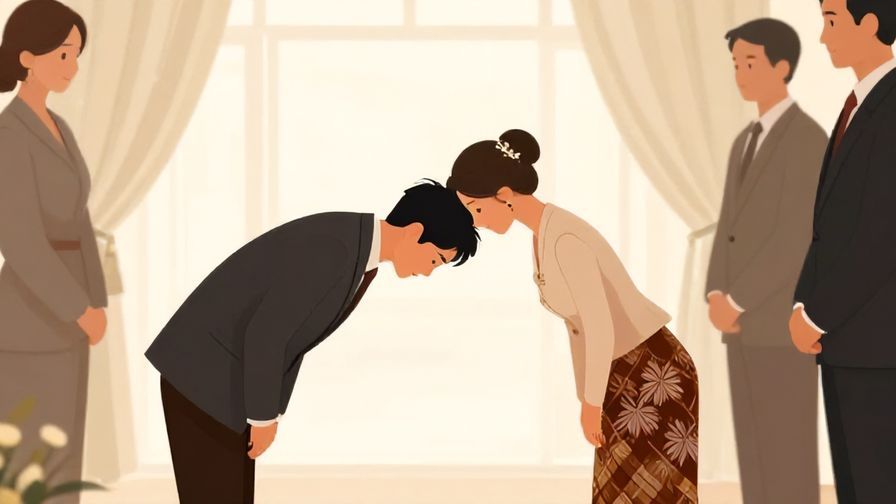
This is a very formal and humble way to greet someone in the morning.
朝 (Asa) is “morning,” ご挨拶 (go-aisatsu) means “greeting,” 申し上げます (moushiagemasu) is a humble “I say” or “offer.”
Pronounced “a-sa no go-ai-sa-tsu mo-u-shi-a-ge-ma-su.”
Mostly used in speeches, official letters, or formal events.
It’s respectful and shows deep politeness.
Good to know for special occasions or cultural events.
Part 3: Very Casual / Native-like Expressions
17. おは (Oha) – “Morning” (super casual, shortened)

A super short, clipped version of おはよう, popular in texting among young people.
Pronounced “oh-ha.” It’s friendly but very casual.
Perfect for quick greetings with friends or family.
Don’t use this in formal or unknown company.
It’s like saying “Morning” instead of “Good morning.”
Great to sound like a native teen or young adult.
18. おはおは (Oha oha) – “Morning morning” (playful, casual)

A playful, repeated form of おは, often used between close friends.
Pronounced “oh-ha oh-ha.” It’s cheerful and fun.
Shows a friendly and informal closeness.
Use it in texting or casual chats.
It’s like doubling up “morning” to sound extra friendly.
Perfect for lighthearted conversations.
19. おはよーん (Ohayoon) – “Mornin’~” (cute, informal)

A cute, drawn-out version of おはよう often used by young women or in casual texting.
Pronounced “oh-ha-yo-o-n.” The “n” adds a playful tone.
It conveys warmth and friendliness.
Great for texting or casual speech with close friends.
Not suitable for formal situations.
Adds a bit of personality and charm to your greetings.
20. 朝ー!(Asa!) – “Morning!” (very casual, energetic)

Simply shouting “朝 (Asa),” meaning “Morning!”
Pronounced “ah-sa.” It’s direct and energetic.
Used among close friends or family for a lively start.
It’s short and informal, like yelling “Morning!” in English.
Perfect when you want to be playful and upbeat.
Use it when you’re feeling cheerful and spontaneous.
21. 早いね!(Hayai ne!) – “You’re early!” (friendly comment)

This phrase is a friendly comment rather than a greeting, great for morning chats.
早い (Hayai) means “early,” ね (ne) softens it into “right?”
Pronounced “ha-ya-i ne.”
Use it when you see someone earlier than usual.
It shows attention and friendliness.
Perfect for casual morning conversations.
22. 今日もいい日になりそうだね (Kyou mo ii hi ni narisou da ne) – “Looks like today will be a good day” (optimistic)
A lovely phrase to greet someone with optimism about the day ahead.
今日 (Kyou) means “today,” も (mo) “also,” いい日 (ii hi) “good day,” になりそうだね (ni narisou da ne) “looks like it will be.”
Pronounced “kyo-u mo ii hi ni na-ri-so-u da ne.”
It’s optimistic and warm.
Great for friends, family, or coworkers.
Start the day on a positive note!
23. おっはー! (Ohha!) – “Hey morning!” (playful, casual)

A playful and exaggerated version of おはよう, often used by young people online or in text.
Pronounced “oh-ha.” It’s fun and informal.
Shows high energy and friendliness.
Use it with friends to sound lively and casual.
Not for formal situations.
It’s like saying “Hey, good morning!” with enthusiasm.
24. 朝っぱらから (Asappara kara) – “So early in the morning!” (casual, surprised)
This phrase is used to comment on something happening very early in the morning.
朝っぱら (Asappara) means “early morning,” から (kara) means “from.”
Pronounced “a-sa-ppa-ra ka-ra.”
It’s casual and often used jokingly.
Great for teasing or friendly surprise.
Not a direct greeting but adds flavor to morning talk.
Concluding Thought
Exploring these 24 ways to say “Good morning” in Japanese gives you a glimpse into the culture’s warmth, respect, and playfulness.
From formal office greetings to casual chats with friends, each phrase helps you connect in a unique way.
So next time you want to brighten someone’s day, try one of these greetings and watch your relationships blossom with a simple “Good morning” in Japanese!