24 Japanese ways to say “Good Evening”
Good evening! Or as the Japanese say, こんばんは (Konbanwa). Whether you’re greeting friends, family, or colleagues, knowing multiple ways to say “Good Evening” can make your conversations more colorful and warm.
Evening greetings can set the tone for a lovely night. And in Japanese, there’s a whole spectrum of expressions you can use, depending on how casual or formal you want to be.
From polite phrases to casual slang, these 24 Japanese ways to say “Good Evening” will help you sound natural and friendly, no matter the setting.
Learning these phrases gives you a little window into Japanese culture and shows respect for different social contexts.
Plus, it’s fun to switch things up and surprise your friends with something new every time the sun goes down.
Ready to brighten your evenings with some lovely Japanese expressions? Let’s dive in!
Warm-Up: Understanding Evening Greetings in Japanese
Japanese greetings often reflect the time of day and social context. “Good Evening” is typically said from around sunset onward.
Most people know こんばんは (Konbanwa), but there’s so much more! Some phrases highlight politeness, others casual warmth, and some are very native and relaxed.
Using the right greeting shows your awareness and care in conversation, which is appreciated in Japanese culture.

Sometimes, using a great beginner phrasebook can give you a perfect starting point for a cohesive understanding.
Try practicing these phrases with your language buddies for real-life flow.
Let’s start with some casual and easy-going evening greetings!
Part 1: Casual Suggestions
1. こんばんは (Konbanwa) – “Good Evening.”

This is the classic way to say “Good Evening” in Japanese.
It’s polite but casual enough to use with friends, neighbors, and coworkers. こんばんは breaks down into 今晩 (Konban) meaning “this evening” and は (wa), the topic marker.
Easy to remember and universally understood.
It’s your go-to phrase once the sun sets.
It’s not used before sunset, so save it for when the evening truly begins.
Try saying it with a smile to sound natural and warm!
2. やあ、こんばんは!(Yā, konbanwa!) – “Hey, good evening!”

This is a friendly, casual way to greet someone in the evening.
やあ (Yā) means “hi” or “hey,” so adding it before こんばんは gives a relaxed and approachable vibe.
Perfect for friends or people you know well.
Easy to practice just by adding やあ before any greeting.
Don’t use this in formal situations, as it’s too casual.
Use it when greeting classmates or colleagues after work to keep things light.
3. お疲れ様です (Otsukaresama desu) – “Thanks for your hard work.”

This phrase isn’t literally “Good Evening,” but it’s often used as a greeting in the evening at work.
お疲れ様です (Otsukaresama desu) expresses appreciation for someone’s effort during the day.
It’s polite and appropriate for coworkers or supervisors.
Try using this when you arrive at or leave the office in the evening.
It conveys respect and understanding of daily toil.
Pair it with こんばんは to sound very polished yet warm.
4. いい晩ですね (Ii ban desu ne) – “It’s a nice evening, isn’t it?”

This is a pleasant way to comment on the evening atmosphere.
いい (Ii) means “good” or “nice,” 晩 (Ban) means “evening,” and ですね (desu ne) adds a soft confirmation.
Use it to start a casual chat or compliment the weather.
It’s a nice icebreaker when meeting someone outdoors in the evening.
Try pairing it with a gentle tone to sound sincere.
It’s a phrase that invites agreement and warmth.
5. 今日はもう遅いね (Kyō wa mō osoi ne) – “It’s already late today, isn’t it?”
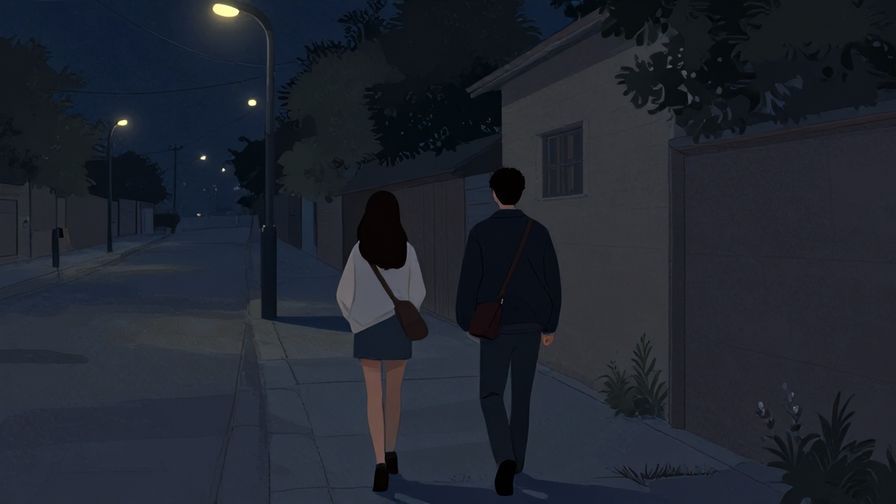
This phrase is a casual way to acknowledge the late hour during the evening.
今日は (Kyō wa) means “today,” もう (mō) means “already,” 遅い (osoi) means “late,” and ね (ne) softens the statement.
Great for informal conversations among friends.
It shows awareness of the time and a friendly check-in.
Use it to gently suggest it might be time to wrap up.
It’s a natural phrase to practice in evening talks.
6. 夜だね (Yoru da ne) – “It’s night, huh?”

Short and sweet, this phrase casually points out that it’s night.
夜 (Yoru) means “night,” だ (da) is a casual form of “is,” and ね (ne) invites agreement.
Use it when chatting with close friends or family.
It’s easy to say and sounds natural in relaxed settings.
Good for starting a light conversation about the evening.
Try it when admiring the night sky or just settling in for the evening.
7. こんばんは、元気? (Konbanwa, genki?) – “Good evening, how are you?”

This adds a friendly “How are you?” after the standard evening greeting.
元気 (Genki) means “well” or “healthy,” so you’re asking about their wellbeing.
Great for friends and acquaintances you want to check on.
It shows care and interest in the other person.
Try it to make your greetings a bit more personal.
A wonderful way to deepen conversations naturally.
8. こんばんは!調子はどう? (Konbanwa! Chōshi wa dō?) – “Good evening! How’s it going?”

This is an upbeat and friendly way to greet someone in the evening.
調子 (Chōshi) means “condition” or “state,” and どう (dō) means “how.”
Perfect for casual settings with friends or coworkers.
It’s easy to say and invites a lively response.
A great phrase to practice for improving your conversational flow.
Use it to sound approachable and interested.
Part 2: Polite & Formal Suggestions
9. お疲れ様でした (Otsukaresama deshita) – “Thank you for your hard work (past).”

More formal than お疲れ様です, this is used after work or events.
It acknowledges someone’s effort respectfully.
Ideal in business or formal social settings.
Shows gratitude and politeness.
Pair it with a slight bow for cultural appropriateness.
Practice it when leaving work or formal meetings in the evening.
10. こんばんは、皆様 (Konbanwa, minasama) – “Good evening, everyone.”

Very polite, used to address groups formally.
皆様 (Minasama) means “everyone” with respect.
Common in speeches, announcements, or formal meetings.
Use it to start evening events respectfully.
It’s a phrase that shows decorum and collective greeting.
Practice it to sound professional and courteous.
11. ご機嫌いかがですか? (Gokigen ikaga desu ka?) – “How are you this evening?”

This is a very polite and somewhat formal way to ask how someone is feeling.
It’s often paired with こんばんは for a respectful greeting.
Great for use with elders or in formal social situations.
Shows genuine interest with refined language.
Try it when meeting someone you want to honor or impress.
It’s a nice phrase to add to your formal conversation toolkit.
12. 今晩はお元気でいらっしゃいますか? (Konban wa ogenki de irasshaimasu ka?) – “Are you well this evening?” (very formal)
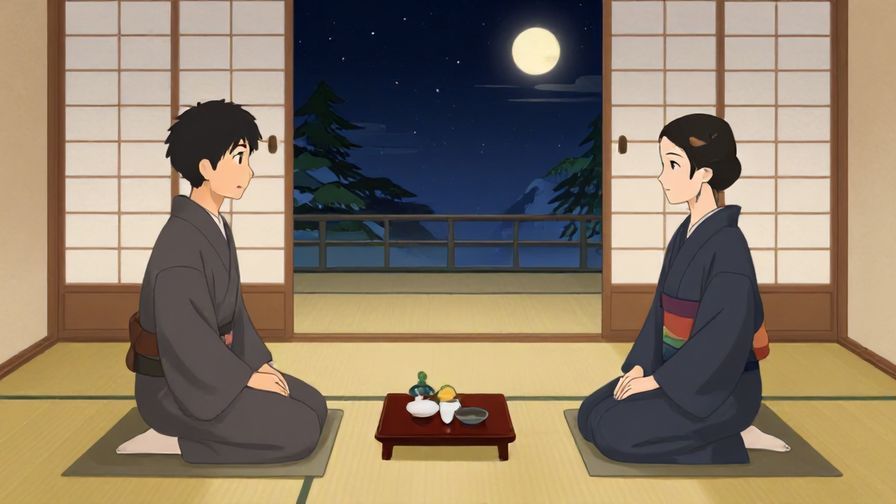
This is a highly polite and formal way of greeting.
お元気 (Ogenki) means “well,” and いらっしゃいますか (Irasshaimasu ka) is the honorific “are you.”
Used in very formal settings, like business or with VIPs.
Shows utmost respect and care.
Memorize it if you want to sound very refined in formal Japanese.
Use it sparingly but confidently.
13. こんばんは、よろしくお願いいたします (Konbanwa, yoroshiku onegai itashimasu) – “Good evening, pleased to meet you / thank you in advance.”

This greeting combines evening wishes with a polite phrase used when meeting or asking for a favor.
It’s very common in professional or formal social settings.
よろしくお願いいたします (Yoroshiku onegai itashimasu) is a humble, polite way to say “please” or “thank you in advance.”
Use it to make a good impression in evening meetings.
It’s a phrase that expresses respect and cooperation.
Perfect for networking or formal dinners.
14. 本日はお疲れ様でございました (Honjitsu wa otsukaresama de gozaimashita) – “Thank you for your hard work today.” (very formal)

This is a very polite and formal way to thank someone for their efforts that day.
本日 (Honjitsu) means “today,” and でございました (de gozaimashita) is the formal past tense.
Use this phrase in formal work environments or ceremonies.
Shows deep appreciation and respect.
It’s a phrase that carries weight and professionalism.
Learn it to impress in formal Japanese business culture.
15. どうぞ良い夜を (Dōzo yoi yoru o) – “Please have a good night.”
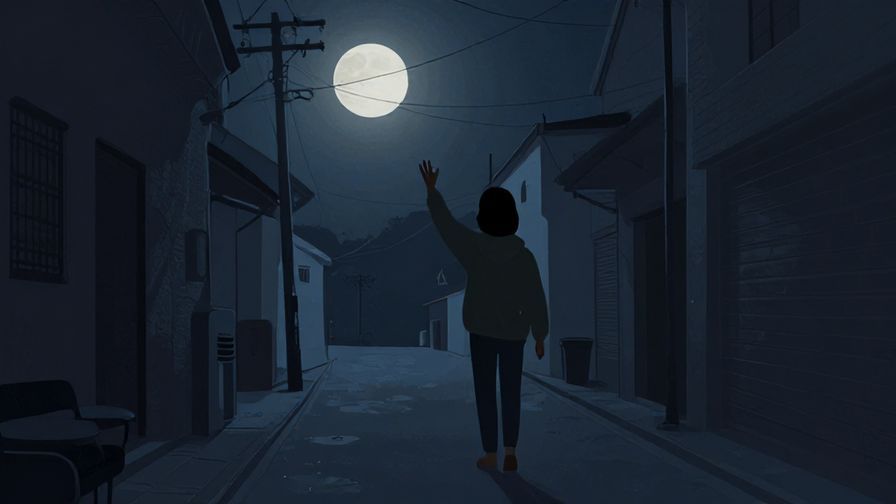
This is a polite way to wish someone a good night as you part ways in the evening.
どうぞ (Dōzo) means “please,” 良い (Yoi) means “good,” and 夜 (Yoru) means “night.”
It’s polite but not overly formal.
Great for farewells or ending conversations.
Try to remember it for evening goodbyes.
It’s a gentle and kind phrase to leave a positive impression.
16. 失礼いたします、良い夜をお過ごしください (Shitsurei itashimasu, yoi yoru o osugoshi kudasai) – “Excuse me, please have a good evening.”

This is a very formal, respectful way to excuse yourself and wish someone a good evening.
失礼いたします (Shitsurei itashimasu) means “Excuse me” politely.
It’s common in business or formal social settings.
Use it when leaving meetings or formal gatherings.
Practice this phrase to sound very refined and courteous.
It leaves a positive, respectful impression at the end of your interaction.
Part 3: Very Casual / Native-like Expressions
17. こんちゃ! (Koncha!) – Casual “Evening!”

Shortened slang version of こんばんは, common among young people.
It’s playful and informal, like saying “Hey!” or “Yo!” in English.
Perfect for close friends or casual texting.
Try it with a big smile to sound friendly and fun.
Use it only with people you know well.
Great for casual chat in person or online.
18. ばんちゃ! (Bancha!) – “Evening!”

Another slangy and casual way to say こんばんは.
It’s a shortened, cute variant popular among younger speakers.
Use it to keep greetings light and informal.
Perfect for texting or casual meetups.
Not suitable for formal or business contexts.
Practice it to sound more like a native teen or young adult.
19. 夜だよ! (Yoru da yo!) – “It’s night, you know!”

This phrase is a casual, fun way to mark the time of day.
Adding よ (yo) adds emphasis and energy.
Use it among friends when pointing out the evening.
It’s informal and animated.
Great for playful conversations or storytelling.
Try it to add excitement to your greetings.
20. まったね、良い夜を! (Matta ne, yoi yoru o!) – “See ya, have a good night!”

まったね (Matta ne) means “See you later,” very casual.
Pairing it with 良い夜を makes a friendly farewell.
Common among friends and peers.
Use it to end casual evening hangouts.
It sounds warm and familiar.
Practice it for natural, native-style goodbyes.
21. 夜分遅くにすみません (Yabun osoku ni sumimasen) – “Sorry for the late hour.”

This phrase is a polite apology for contacting someone late in the evening.
It’s useful when messaging or calling friends or business contacts at night.
Shows respect for the other person’s time.
It’s a nice way to soften your greeting or request.
Not exactly a “Good Evening,” but often used in evening interactions.
Try it for polite late-night communication.
22. いい夜をね! (Ii yoru o ne!) – “Have a good night!” (casual)

This is a casual and cheerful way to wish someone a good night.
Simple and easy to remember.
Perfect for friends, family, or close colleagues.
Sounds warm and friendly.
Great for ending messages or conversations.
Use it to send off positive vibes before sleep.
23. ゆっくり休んでね (Yukkuri yasunde ne) – “Take a good rest.”
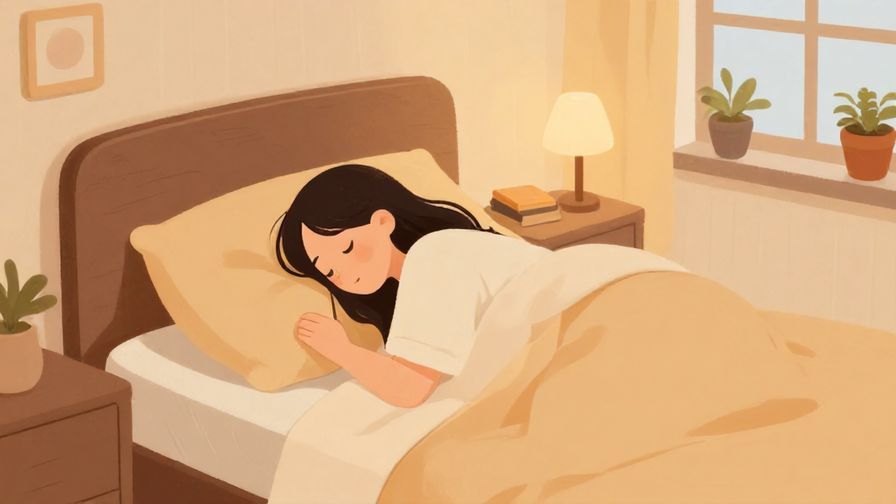
This phrase wishes someone a restful night.
ゆっくり (Yukkuri) means “slowly” or “leisurely,” and 休んで (Yasunde) means “rest.”
It’s casual and affectionate.
Great for friends or family after a long day.
Sounds caring and heartfelt.
Try it to add warmth to your evening farewells.
24. おやすみなさい (Oyasumi nasai) – “Good night.”

The classic way to say “Good night” before going to sleep.
It’s polite but used mainly at bedtime, not as a general evening greeting.
おやすみ (Oyasumi) means “rest,” and なさい (nasai) is a polite command form.
Use it when parting ways late or going to bed.
It’s one of the most common Japanese night phrases.
Perfect to end your day on a kind note.
Concluding Thought
Exploring these 24 ways to say “Good Evening” in Japanese shows how rich and varied greetings can be depending on context, relationship, and mood.
From formal business settings to casual chats with friends, each phrase carries warmth and respect in its own way.
Try incorporating a few new expressions into your conversations to deepen your connection with Japanese language and culture. Good evening—お疲れ様でした!