24 Japanese ways to say “Can I Try This On?”
Shopping in Japan can be a delightful adventure, especially when you want to try on clothes before buying.
Knowing how to politely and casually ask “Can I try this on?” in Japanese will make your experience smoother and more enjoyable.
Whether you’re browsing a trendy boutique or a bustling department store, having a variety of ways to ask shows your respect and enthusiasm for the culture.
This list of 24 Japanese expressions for “Can I try this on?” covers casual, polite, and native-like phrases to suit any situation.
Each phrase includes a pronunciation guide and a little explanation, so you can feel confident and natural when speaking.
Ready to elevate your shopping game? Let’s dive into these friendly and useful expressions!
Getting Started: Why Variety Matters
Japanese language offers multiple ways to express the same idea, tailored to different social contexts.
Understanding when to use casual versus polite language helps build rapport and avoid awkward moments.
Learning these phrases also enhances your listening skills, as you’ll recognize them when others use them too.
Sometimes, a great beginner phrasebook can give you a perfect starting point for a cohesive understanding.
With practice, these phrases will soon feel like second nature.
Let’s start with the casual ways to ask if you can try something on.
Part 1: Casual Suggestions
1. これ、試してもいい? (Kore, tameshite mo ii?) – “Can I try this?”
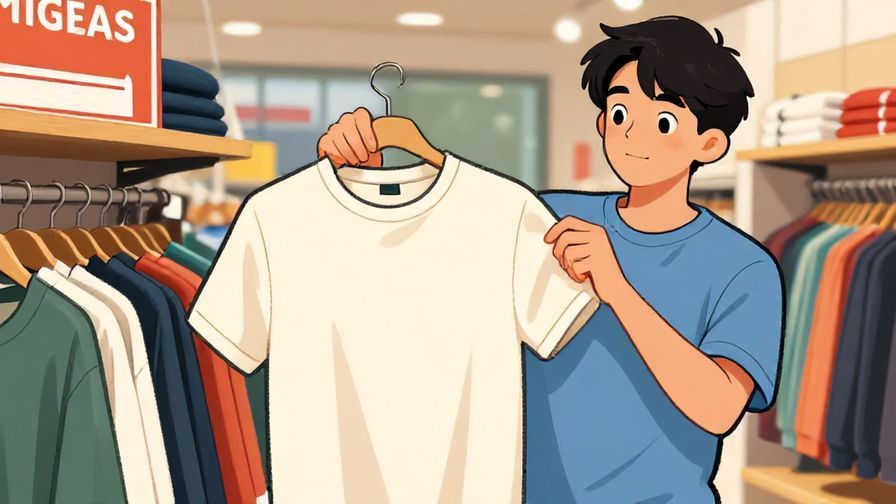
This is a simple and casual way to ask if you can try something on.
“Kore” means “this,” “tameshite” is the te-form of “tamesu” (to try), and “mo ii?” means “is it okay?”
Great for friendly, informal settings like small shops or with acquaintances.
It’s short and easy to remember, perfect for beginners.
If you want to be a bit more polite, add “kudasai” at the end.
Use this phrase when you feel relaxed but still polite enough to ask permission.
2. 試着してもいいですか? (Shichaku shite mo ii desu ka?) – “May I try this on?”

This is a polite and common phrase used in stores.
“Shichaku” means “trying on clothes,” “shite mo ii desu ka” is “may I do?”
It sounds polite but not overly formal, suitable for most retail environments.
Remember to speak with a soft tone to sound natural.
Adding “kudasai” at the end is also common for extra politeness.
Try this phrase for a smooth, respectful interaction with sales staff.
3. これ、試着してもいい? (Kore, shichaku shite mo ii?) – “Can I try this on?” (casual)

This is a casual but specific way to ask to try clothes on.
“Kore” is “this,” and “shichaku shite mo ii?” is the casual form of “may I try on?”
Perfect for informal shopping or when speaking with friends.
Easy to remember since it uses common words.
You can use this when you’re confident but still polite enough to ask.
It’s a handy phrase to keep in your casual conversation toolkit.
4. これ、着てみてもいい? (Kore, kite mite mo ii?) – “Can I try wearing this?”

This phrase literally means “Can I try wearing this?”
“Kite” is the te-form of “kiru” (to wear), “mite” means “try,” and “mo ii?” is “is it okay?”
It’s a friendly and casual way to ask permission.
Great for informal settings with relaxed shop staff.
It’s a bit more natural sounding than just “tameshite.”
Use this to sound approachable and clear about wanting to try clothes.
5. 試着させてもらえますか? (Shichaku sasete moraemasu ka?) – “Could you let me try this on?”
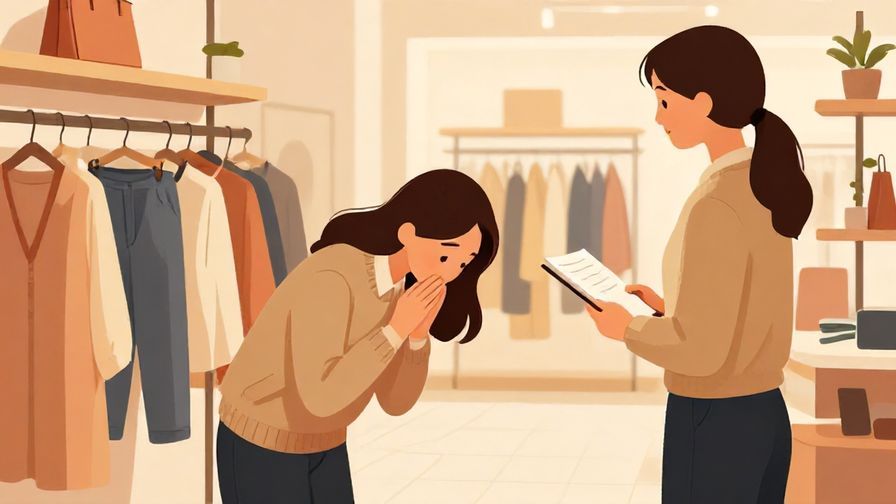
This is a polite and humble way to request trying on clothes.
“Sasete morau” is a respectful way to say “let me do something.”
It shows good manners and respect to the staff.
Use this in slightly more formal situations.
It’s a bit longer, but makes a great impression.
Mastering this phrase will boost your confidence in polite conversations.
6. これ、試していい? (Kore, tameshite ii?) – “Is it okay if I try this?” (casual)

Short and sweet, this phrase casually asks if you can try something.
It’s less formal but still polite enough for casual shops.
“Tameshite” means “try,” and “ii?” is “is it okay?”
Great for quick questions and friendly staff.
It’s easy to say and sounds natural.
Try it when you want to be casual but respectful.
7. これ、試着してもいいの? (Kore, shichaku shite mo ii no?) – “Can I try this on?” (friendly casual)

This phrase adds “no?” at the end to soften the question.
It makes the phrase sound curious and friendly.
Ideal when chatting informally with shop staff or friends.
It feels warm and approachable.
Good for casual environments and younger people.
Use this to sound naturally conversational.
8. これ、着てみたいんだけど… (Kore, kite mitain da kedo…) – “I’d like to try this on, but…”
This phrase expresses your desire to try something on gently.
“Kite mitain” means “want to try wearing,” “da kedo” softens the sentence, like “but…”
It’s a polite and slightly indirect way to ask.
Use this if you want to be extra gentle or polite.
It’s great for situations where you want to be careful not to impose.
Perfect for thoughtful shoppers wanting to sound considerate.
Part 2: Polite & Formal Suggestions
9. こちらを試着させていただけますか? (Kochira o shichaku sasete itadakemasu ka?) – “May I have the honor to try this on?”

This is a very polite and formal way to ask to try on clothes.
“Kochira” means “this one,” “sasete itadakemasu ka” is a humble way to ask permission.
Perfect for high-end stores or formal occasions.
Shows great respect and humility.
It may sound too formal for casual shops but shines in department stores.
Using this phrase will make a refined impression.
10. これを試着してもよろしいでしょうか? (Kore o shichaku shite mo yoroshii deshou ka?) – “Would it be alright if I try this on?”

This phrase is polite and a bit formal.
“Yoroshii deshou ka” is a respectful way to ask for approval.
Use it to sound very courteous and professional.
Great for unfamiliar or official situations.
It helps you avoid sounding too casual.
Try this when you want to impress with your manners.
11. こちらのお品物を試着してもよろしいですか? (Kochira no oshinamono o shichaku shite mo yoroshii desu ka?) – “May I try on this item?”

This phrase uses “oshinamono” meaning “item” or “goods.”
It’s a polite and formal way to refer to merchandise respectfully.
Ideal for sophisticated shopping environments.
Shows respect both to the item and the staff.
It sounds refined and careful.
A useful phrase for luxury shopping experiences.
12. これを試着させていただけますでしょうか? (Kore o shichaku sasete itadakemasu deshou ka?) – “Would you kindly allow me to try this on?”

This is a humble and respectful request.
“Sasete itadakemasu deshou ka” expresses polite asking with humility.
Perfect for very formal or business-like situations.
Shows you value the staff’s permission highly.
It may feel a bit long but impresses with politeness.
Great for practicing respectful Japanese speech.
13. こちらを試着させていただけませんか? (Kochira o shichaku sasete itadakemasen ka?) – “Could you please let me try this on?”

This phrase uses the negative question form for extra politeness.
“Itadakemasen ka” is a humble way to say “could you please.”
It’s a gentle, formal request.
Ideal for polite conversations with salespeople.
It shows you are considerate of others’ time and rules.
Using this phrase will earn you extra respect.
14. こちらの商品を試着してもよろしいでしょうか? (Kochira no shouhin o shichaku shite mo yoroshii deshou ka?) – “Would it be alright if I try this product on?”

This is a polite and formal phrase using “shouhin” for “product.”
It’s polite and appropriate for formal retail settings.
“Yoroshii deshou ka” softens the question politely.
It’s a safe phrase to use with any store staff.
Good for professional or business contexts.
Practice this to sound polished and respectful.
15. これを試着しても構いませんか? (Kore o shichaku shite mo kamaimasen ka?) – “Is it alright if I try this on?”
This phrase asks if it’s “kamaimasen ka” – “no problem” to try on.
It’s polite and straightforward.
Good for clear communication while keeping respect.
It can be used in most polite situations.
Try this when you want to be politely direct.
It’s easy to remember and effective.
16. これを試着してもよろしいですか? (Kore o shichaku shite mo yoroshii desu ka?) – “May I try this on?”

This is a simple and polite phrase.
“Yoroshii desu ka” means “is it okay?”
It works well in most polite settings.
It’s shorter than some formal phrases but still respectful.
Great for everyday shopping politely.
Use this as your go-to polite phrase.
Part 3: Very Casual / Native-like Expressions
17. これ、着てみていい? (Kore, kite mite ii?) – “Can I try this on?” (very casual)

This phrase is super casual and friendly.
“Kite mite ii?” literally means “Is it okay if I try wearing it?”
Used among friends or in relaxed shops.
It sounds natural and effortless.
Great for informal shopping trips or with young people.
Use it to sound like a native speaker in casual settings.
18. これ、試着してみてもいい? (Kore, shichaku shite mite mo ii?) – “Mind if I try this on?” (casual)

This one adds “-te mite” to mean “try and see.”
It sounds even more natural and conversational.
Used casually with people you’re familiar with.
It invites a friendly and open interaction.
Perfect for casual shops or markets.
Try it to sound laid-back and polite at the same time.
19. これ、試してみていい? (Kore, tameshite mite ii?) – “Can I give this a try?”

Similar to above but uses “tameshite” (to try generally).
Great for casual and friendly contexts.
It’s a simple and straightforward way to ask.
Sounds natural in everyday conversation.
Good for quick, informal situations.
Use it when you want to be friendly and easygoing.
20. これ、試着してみていいよね? (Kore, shichaku shite mite ii yo ne?) – “I can try this on, right?”

This phrase adds “yo ne” for a confirmatory feel.
It’s casual and assumes permission in a friendly way.
Used among friends or familiar shop staff.
Sounds natural and conversational.
Great for relaxed environments.
Use it to sound confident and casual.
21. これ、着てもいい? (Kore, kite mo ii?) – “Can I wear this?” (super casual)

Super casual and short phrase.
Good for close friends or very casual shops.
Easy to remember and say.
Not suitable for formal situations.
Perfect for quick, friendly chats.
Use this when you’re relaxed and informal.
22. これ、ちょっと着てみていい? (Kore, chotto kite mite ii?) – “Can I try this on real quick?”

This adds “chotto” meaning “a little” or “quick.”
It softens the request to sound polite but casual.
Good for quick questions in casual shops.
Shows you don’t want to take too much time.
Great for busy or crowded stores.
Use this to sound considerate and casual.
23. これ、試してみたいんだけど (Kore, tameshite mitain da kedo) – “I kinda want to try this on…”

A casual and gentle way to express your wish to try something.
“Mitain da kedo” softens the request, making it sound less direct.
Great for situations where you want to be polite but casual.
It’s a natural phrase you’ll hear from native speakers.
Use this to sound friendly and approachable.
Perfect for relaxed shopping trips.
24. これ、試着させてくれる? (Kore, shichaku sasete kureru?) – “Will you let me try this on?” (casual)

This phrase uses “kureru” which is casual and friendly.
It’s a direct but polite way to ask permission.
Good for stores where you have a friendly rapport.
Sounds natural among younger people.
Use this when you want to be casual but still polite.
It’s a great phrase to sound like a local.
Concluding Thought
Learning how to say “Can I try this on?” in Japanese opens up your shopping experiences and helps you connect with people.
Whether you choose casual or polite phrases, understanding context is key to sounding natural and respectful.
Keep practicing these phrases, and soon you’ll shop confidently and enjoy every moment of your Japanese adventures!