24 Japanese ways to say “Can I Get Another Towel?”
Ever found yourself needing another towel but unsure how to ask in Japanese? Whether you’re staying at a ryokan, visiting a friend’s house, or just want to sound polite at the gym, having a few handy phrases can make a big difference.
Japanese is a beautiful language with many ways to express even simple requests. It’s all about context and tone, and that’s what makes it so fun to learn.
In this article, we’ll explore 24 different ways to say “Can I get another towel?” ranging from casual to polite, and even some very natural, native-like expressions.
By the end, you’ll feel confident to ask for that extra towel in any situation with just the right flavor of politeness or friendliness.
Plus, learning these variations can help you better understand Japanese culture and communication styles.
So, let’s dive into the world of towels and Japanese phrases!
Getting Started with Towels in Japanese
Before we jump into the phrases, it’s good to know a few key words. “Towel” in Japanese is タオル (taoru) [tah-oh-roo], borrowed from English, so it’s easy to remember.
Another word you might hear is もう一枚 (mou ichimai) [moh ee-chee-my], which means “one more (flat object)”—perfect for towels, napkins, or sheets.
Knowing these basics makes forming requests simpler and more natural.
Sometimes, using a great language phrasebook can give you a perfect starting point for a cohesive understanding.
And don’t worry, we’ll keep things simple and practical!
Ready? Let’s go.
Part 1: Casual Suggestions
1. もう一枚タオルをもらえますか? (Mou ichimai taoru o moraemasu ka?) – “Can I get one more towel?”

This is a straightforward and polite way to ask for another towel casually.
“もう一枚” (mou ichimai) means “one more (flat object),” “タオル” (taoru) is “towel,” and “もらえますか?” (moraemasu ka?) means “can I receive?” or “can I get?”
It’s easy to remember because it uses simple common words and polite question form.
Feel free to use this at gyms, spas, or with friends when you want something extra.
Related phrase: もう一つ (mou hitotsu) can be used for other items but not towels.
Try practicing this phrase aloud to get comfy with the rhythm!
2. タオルをもう一枚ください (Taoru o mou ichimai kudasai) – “Please give me one more towel.”
This is a polite and direct way to request another towel using “ください” (kudasai), meaning “please give me.”
It’s simple and sounds natural in most everyday situations.
Remember to keep your tone friendly to make it sound warm.
A common mistake is to forget “ください,” which can make the request sound abrupt.
For example, at a hotel, this phrase works perfectly for asking staff.
Keep practicing this phrase to sound natural and confident!
3. もう一枚、タオルありますか? (Mou ichimai, taoru arimasu ka?) – “Do you have one more towel?”
This is a gentle way to ask if another towel is available.
“ありますか?” (arimasu ka?) means “is there?” or “do you have?”
It’s useful when you’re unsure if extra towels are provided.
Perfect for situations like a spa or guesthouse.
Related phrase: “もう一枚欲しいです” (mou ichimai hoshii desu) means “I want one more towel” but sounds slightly more forward.
Use this phrase to politely check availability before requesting.
4. タオル、もう一枚お願いできますか? (Taoru, mou ichimai onegai dekimasu ka?) – “Could I please have one more towel?”
This is a polite and slightly formal way to ask.
“お願いできますか?” (onegai dekimasu ka?) literally means “can I request?”
It’s great for customer service or formal settings.
It sounds respectful without being too stiff.
Sometimes combined with “すみません” (sumimasen) for extra politeness.
Practice this to impress with your courteous tone!
5. すみません、タオルをもう一枚いただけますか? (Sumimasen, taoru o mou ichimai itadakemasu ka?) – “Excuse me, could I receive one more towel?”
This phrase uses “いただけますか?” (itadakemasu ka?), a humble way to say “can I receive?”
It’s very polite and perfect in formal places like hotels or restaurants.
Starting with “すみません” (sumimasen) adds a nice “excuse me” touch.
It’s a great phrase to learn if you want to sound very respectful.
Be careful not to overuse it in casual settings, where it may feel too formal.
Try this phrase when you want to stand out politely!
6. タオル、もう一枚いいですか? (Taoru, mou ichimai ii desu ka?) – “Is one more towel okay?”
This is a casual, friendly way to ask if it’s okay to get another towel.
“いいですか?” (ii desu ka?) means “is it okay?”
Good for informal situations among friends or family.
It’s easy to say and understand.
Avoid using this in very formal settings.
Practice this among your close Japanese-speaking friends!
7. もう一枚タオルをお願い (Mou ichimai taoru o onegai) – “One more towel, please.”

This is a shortened, casual way to ask for another towel using “お願い” (onegai) as “please.”
It’s great for informal but respectful requests.
Perfect when you want to be quick but polite.
Don’t use this with strangers in very formal places.
Try combining it with a smile to sound friendly!
Good phrase for daily casual use.
8. タオルもう一枚ちょうだい (Taoru mou ichimai choudai) – “Give me one more towel.” (casual)
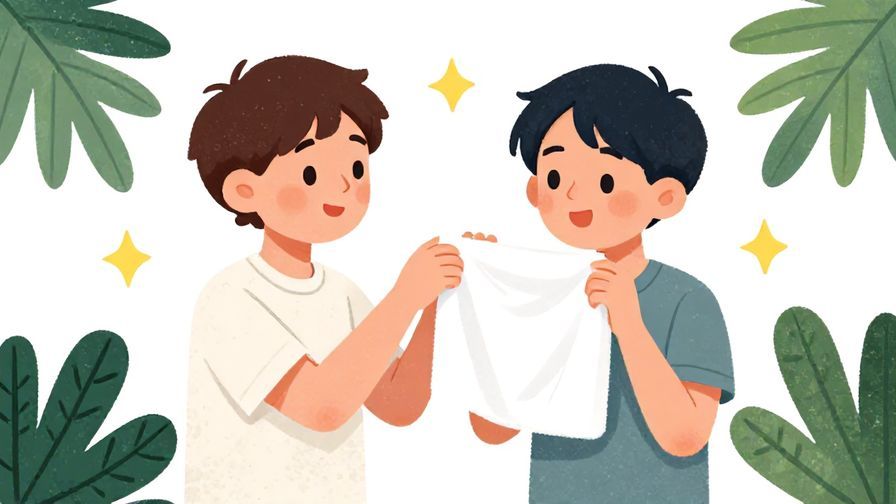
This is a very casual and friendly way to ask using “ちょうだい” (choudai), meaning “give me.”
Use it with close friends or family only.
It sounds warm but can be too direct for strangers.
Great for informal settings like home or with close gym buddies.
Don’t mix with formal language!
Practice this with friends to sound native-like.
Part 2: Polite & Formal Suggestions
9. もう一枚タオルをお持ちいただけますか? (Mou ichimai taoru o omochi itadakemasu ka?) – “Could you kindly bring me one more towel?”
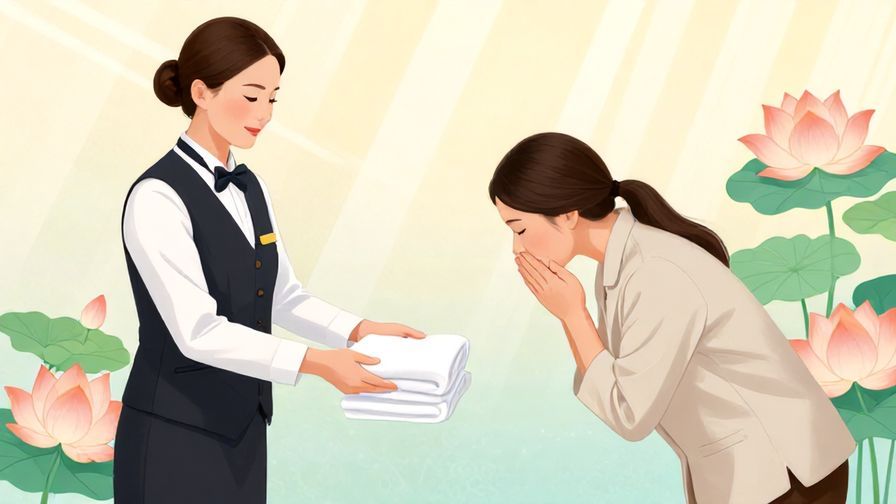
This phrase is very polite and suitable for formal requests to staff.
“お持ちいただけますか?” (omochi itadakemasu ka?) means “could you bring?” in humble form.
It’s perfect for professional or customer service settings.
Use it when you want to sound very respectful.
Try pairing it with a smile and a bow for best effect.
Practice this for business or formal travel situations.
10. 申し訳ありませんが、タオルをもう一枚いただけますでしょうか? (Moushiwake arimasen ga, taoru o mou ichimai itadakemasu deshou ka?) – “I’m very sorry, but could I possibly have one more towel?”
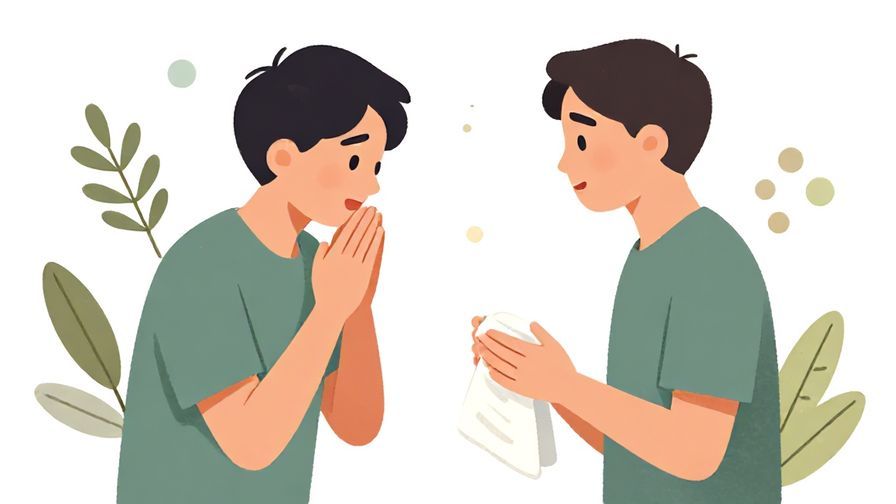
This is very polite and humble, starting with “申し訳ありません” (moushiwake arimasen) meaning “I’m sorry.”
Use “いただけますでしょうか?” (itadakemasu deshou ka?) for a respectful “could I receive?”
It’s ideal for very formal occasions or when you want to apologize for the request.
Great for high-end hotels or official meetings.
Don’t use this casually; it might sound overly stiff.
Practice tone carefully to avoid sounding too stiff.
11. 恐れ入りますが、タオルをもう一枚お願いできますか? (Osore irimasu ga, taoru o mou ichimai onegai dekimasu ka?) – “Excuse me, could I please have one more towel?”
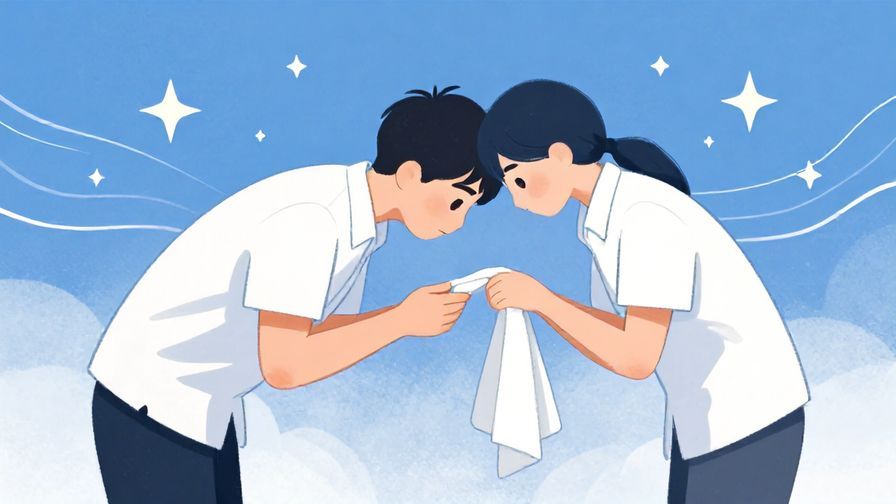
“恐れ入りますが” (osore irimasu ga) is a very polite way to say “excuse me” or “I’m sorry to trouble you.”
Combine it with “お願いできますか?” (onegai dekimasu ka?) for a respectful request.
This phrase is great for polite but slightly formal requests.
Use it in customer service or formal social settings.
It strikes a nice balance between politeness and warmth.
Try using it when you want to sound considerate.
12. もう一枚タオルを用意していただけますか? (Mou ichimai taoru o youi shite itadakemasu ka?) – “Could you prepare one more towel for me?”
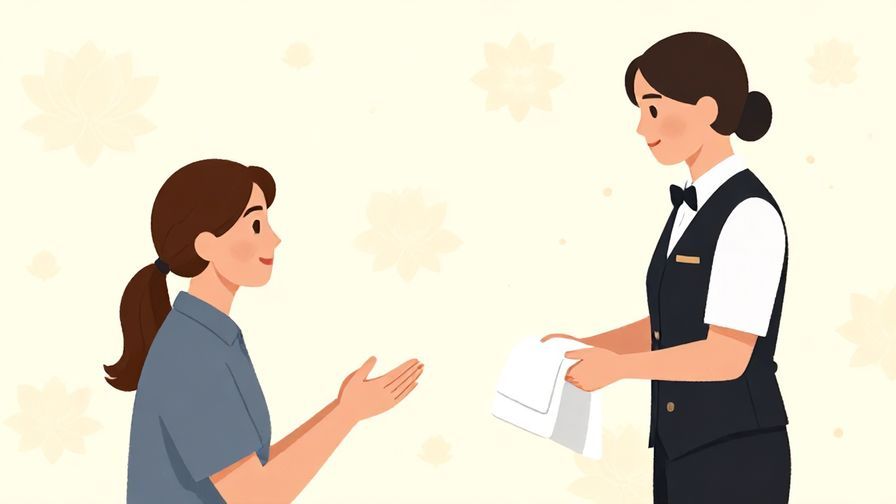
This phrase uses “用意していただけますか?” (youi shite itadakemasu ka?), meaning “could you prepare?”
It’s polite and slightly formal, useful for hotels or spas.
Great when towels aren’t immediately available and need to be fetched.
It shows respect and patience in your request.
Be sure to use a gentle tone.
Practice this phrase for smooth formal communication.
13. タオルをもう一枚ご用意いただけますでしょうか? (Taoru o mou ichimai goyoui itadakemasu deshou ka?) – “Would you be able to prepare one more towel?”
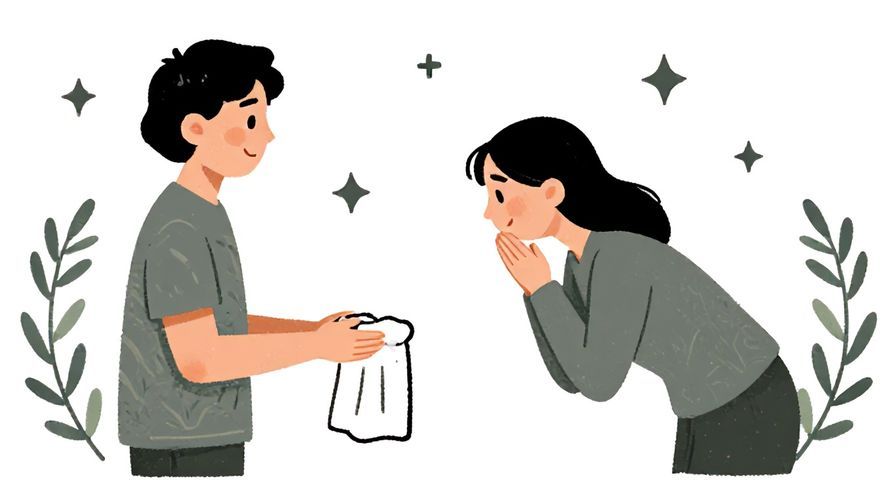
This is an even more formal and respectful way to ask using “ご用意いただけますでしょうか?” (goyoui itadakemasu deshou ka?).
It’s perfect for written or spoken requests in very formal environments.
Use it with hotel staff, business contexts, or VIP services.
It sounds very polished and humble.
Don’t use it casually; it may sound too stiff.
Try to listen to native speakers using this in professional settings.
14. もしよろしければ、タオルをもう一枚お願いできますか? (Moshi yoroshikereba, taoru o mou ichimai onegai dekimasu ka?) – “If it’s okay, could I please have one more towel?”
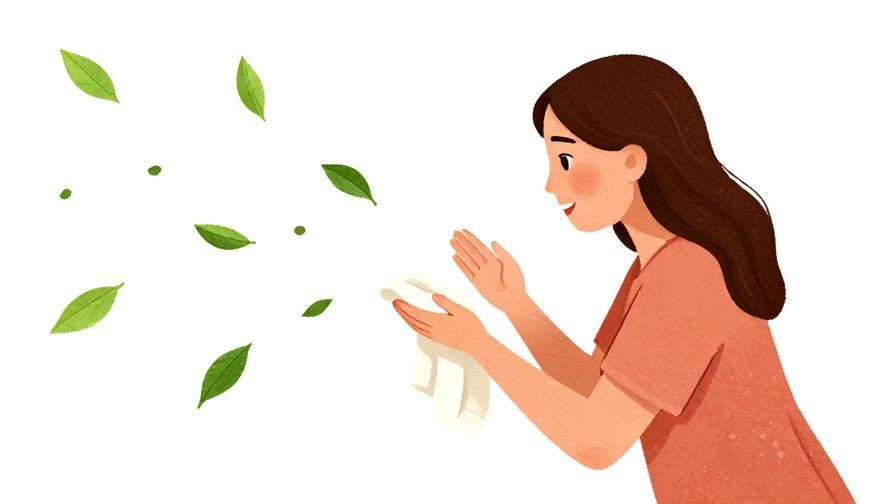
This phrase softens the request with “もしよろしければ” (moshi yoroshikereba) meaning “if it’s okay.”
It’s polite and considerate, showing you’re aware of the other person’s situation.
Great for all polite requests where you want to be extra thoughtful.
Try using this when you’re unsure if it’s convenient for the other person.
It’s a lovely phrase to add warmth to your request.
Practice it to sound both polite and kind.
15. お手数ですが、タオルをもう一枚いただけますか? (Otesuu desu ga, taoru o mou ichimai itadakemasu ka?) – “Sorry for the trouble, but could I get one more towel?”

“お手数ですが” (otesuu desu ga) means “sorry to bother you.”
It’s a polite phrase that shows you appreciate the other person’s effort.
Perfect for polite requests in formal or customer service settings.
Use it to soften your ask and show gratitude upfront.
Try to say this with a sincere tone for best effect.
It’s a great phrase to practice for respectful communication.
16. 失礼ですが、タオルをもう一枚お願いできますでしょうか? (Shitsurei desu ga, taoru o mou ichimai onegai dekimasu deshou ka?) – “Excuse me, but could I please have one more towel?”
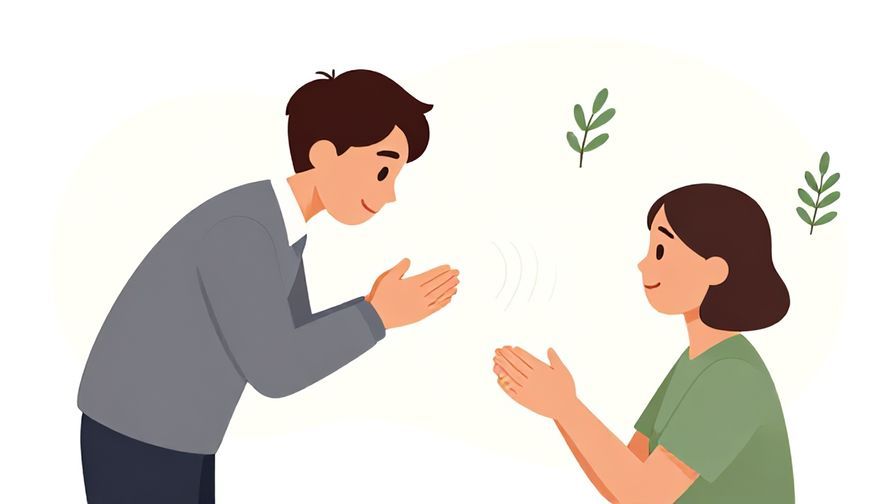
“失礼ですが” (shitsurei desu ga) means “excuse me” or “pardon me.”
It’s used to politely interrupt or ask for something delicate.
Combined with “お願いできますでしょうか?” for polite requests.
Great for formal occasions or when you want to be especially courteous.
Use it when approaching someone you don’t know well.
Practice tone and body language for natural delivery.
Part 3: Very Casual / Native-like Expressions
17. タオルもう一枚ちょーだい! (Taoru mou ichimai choudai!) – “One more towel, please!” (very casual)

This is a super casual and friendly way to ask.
“ちょーだい” (choudai) is a casual “give me.”
Use only with close friends or family.
It sounds very natural and informal.
Perfect for relaxed home or gym settings.
Try it to sound like a native among peers!
18. タオルもう一枚お願い! (Taoru mou ichimai onegai!) – “One more towel, please!” (casual)

This is a casual but polite way to ask, dropping formal endings.
“お願い” (onegai) is “please.”
Good for friends or coworkers.
Sounds friendly and approachable.
Avoid in formal or business contexts.
Practice with people you’re comfortable with for natural flow.
19. タオルもう一枚ある? (Taoru mou ichimai aru?) – “Got one more towel?” (very informal)

This is a very informal, almost slang-like phrase.
“ある?” (aru?) means “do you have?”
Use only with close friends or family.
It’s short, casual, and natural sounding.
Not suitable for strangers or formal places.
Great for everyday conversation practice.
20. タオルもう一枚持ってきてくれる? (Taoru mou ichimai motte kite kureru?) – “Can you bring me one more towel?” (casual)
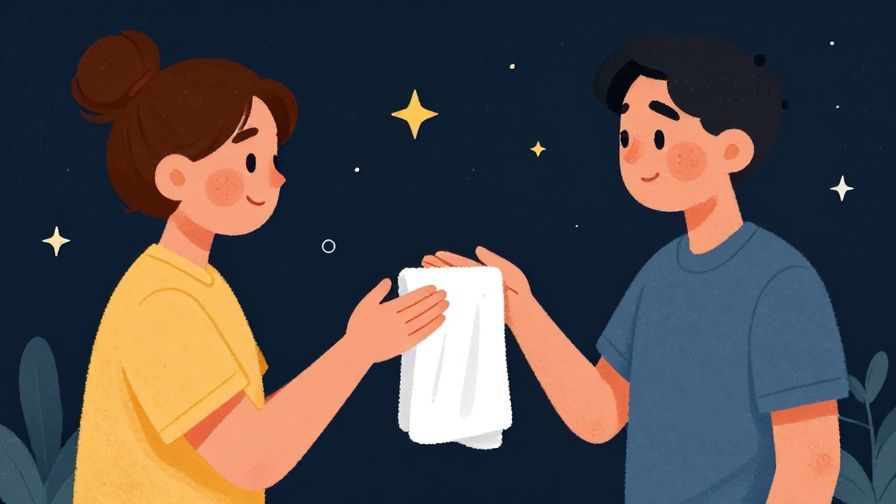
This phrase means “can you bring me…?” in a casual tone.
“持ってきてくれる?” (motte kite kureru?) asks for a favor.
Perfect for friends or family.
Sounds natural and kind.
Practice tone to avoid sounding demanding.
Great for casual everyday use.
21. タオル、もう一枚ちょっと欲しいな (Taoru, mou ichimai chotto hoshii na) – “I kind of want one more towel.” (casual)
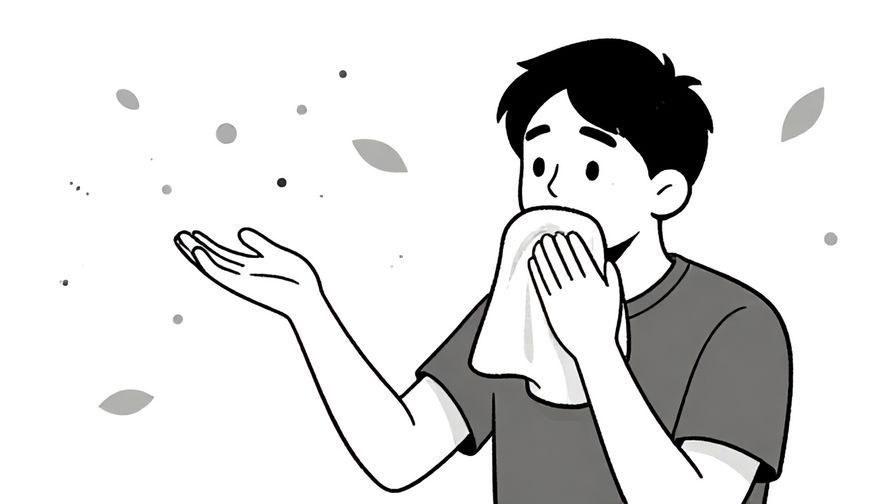
This phrase uses “ちょっと欲しいな” (chotto hoshii na), meaning “I kinda want.”
It’s informal and expresses a gentle wish.
Good among friends or family.
Sounds softer than a direct request.
Try this for a laid-back vibe.
Practice adding it to your casual conversations.
22. タオル、もう一枚お願いね (Taoru, mou ichimai onegai ne) – “One more towel, okay?” (friendly)

Adding “ね” (ne) softens the request and invites agreement.
It’s casual yet polite among friends.
Sounds warm and cooperative.
Great for building rapport.
Practice tone to convey friendliness.
Use it often to sound natural.
23. タオル、もう一枚ちょうだいね (Taoru, mou ichimai choudai ne) – “Give me one more towel, okay?” (very casual friendly)
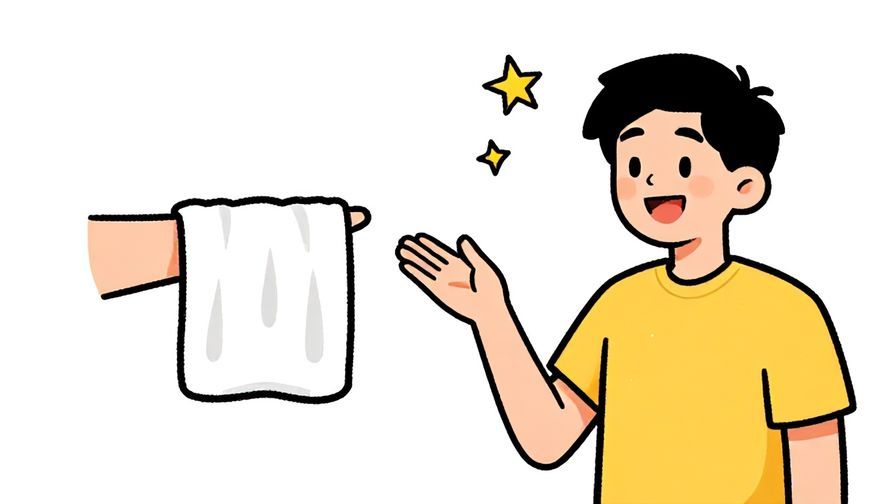
Similar to #21 but with “ちょうだいね” (choudai ne) for an extra friendly tone.
Appropriate for close friends or family.
Sounds very natural and warm.
Not for formal use.
Practice to enhance casual speaking skills.
Perfect for relaxed social settings.
24. タオル、もう一枚お願いしまーす! (Taoru, mou ichimai onegai shima-su!) – “One more towel, please!” (casual, cheerful)

This phrase uses a playful elongation “しまーす” for a cheerful vibe.
Great for casual, upbeat situations among friends.
Sounds friendly and enthusiastic.
Try this to add personality to your requests.
Use in informal social settings.
Have fun with your Japanese learning!
Concluding Thought
Learning how to ask for something as simple as another towel in Japanese opens a window into the culture’s nuances and warmth.
Whether you choose casual, polite, or very native-like expressions, each phrase helps you connect better and communicate effectively.
Keep practicing and enjoy the journey of speaking Japanese with confidence and kindness!