24 Japanese ways to ask “Where Is the Train Station?
Traveling in Japan and wondering how to ask where the train station is? You’re in the right place! Getting around smoothly means knowing just the right phrases.
Whether you’re a beginner or want to sound more natural, Japanese offers a bunch of ways to say the same thing. Some are casual, some polite, and some downright friendly.
Each phrase has its own vibe, so you’ll be ready for any situation—from chatting with locals to asking at a busy station.
Learning these 24 different ways will boost your confidence and help you connect better with people you meet on your travels.
Plus, mixing up your questions keeps conversations interesting and shows you’re making an effort to speak the language.
Ready to master “Where is the train station?” in Japanese? Let’s dive into these fun and practical expressions!
Basic Building Blocks Before We Start
Before jumping into all the different ways to ask for the train station, let’s get familiar with the key words.
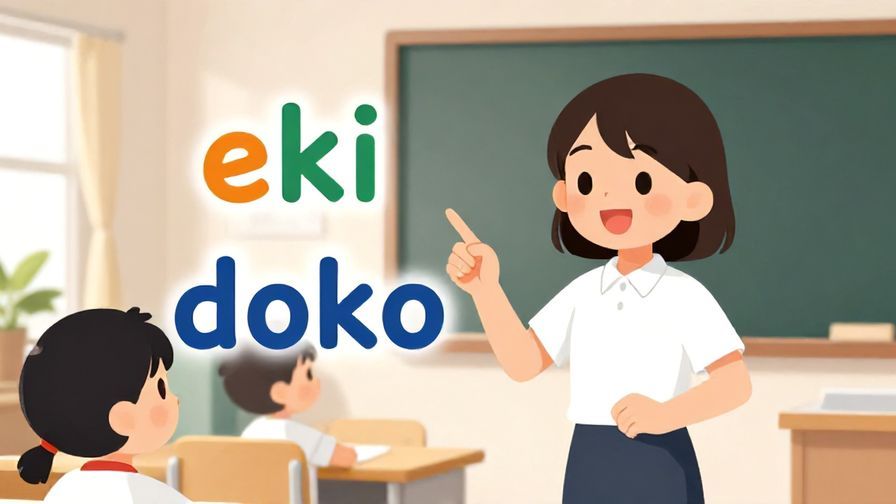
“Train station” in Japanese is 駅, pronounced えき (eki). “Where” is どこ (doko), and “is” often comes as です (desu) in polite forms.
Knowing these basics helps you mix and match phrases easily.
Sometimes, having a handy phrasebook can really speed up your learning and help you practice these essentials on the go.
With these building blocks, you’re ready to explore the many ways to ask for the station!
Let’s start with casual, friendly expressions you can use with locals or friends.
Part 1: Casual Suggestions
1. 駅はどこ? (Eki wa doko?) – “Where’s the station?”

This is the simplest and most common casual way to ask, perfect for everyday use.
“駅 (eki)” means “station,” “は (wa)” is the topic marker, and “どこ (doko)” means “where.” The sentence literally means “As for the station, where?”
It’s short, direct, and easy to remember—a great phrase for beginners.
Just use this when you want a friendly, straightforward question without sounding too formal.
It’s often used in informal settings or when talking to younger people.
Try it out next time you’re wandering around town and need quick directions!
2. 駅どこ? (Eki doko?) – “Station where?”

This is even more casual—dropping particles to sound very natural and quick.
It’s commonly used among friends or young people when they’re in a hurry or just confirming.
Because it’s so short, it feels very natural and friendly.
Be careful not to use it in formal situations, as it might sound too blunt.
Example: You’re with a friend and suddenly realize you need the station. Just say “駅どこ?” and they’ll get it!
This phrase helps you sound like a local in casual chats.
3. 駅はどこにありますか? (Eki wa doko ni arimasu ka?) – “Where is the station?” (polite)

This phrase is polite and perfect for strangers or formal situations.
“ありますか (arimasu ka)” is the polite form of “to exist/have,” making this a respectful question.
Using this shows good manners and is great when you want help from someone you don’t know.
It’s a bit longer but worth memorizing for travel.
It’s related to the casual “駅はどこ?” but adds politeness.
Try this phrase at stations or stores for clear, respectful communication.
4. 駅はどちらですか? (Eki wa dochira desu ka?) – “Where is the station?” (very polite)

“どちら (dochira)” is a polite way of saying “where,” often used in formal contexts.
This phrase sounds very respectful and is perfect when speaking to elders or officials.
It’s a good step up in politeness from “どこ.”
Use this when you want to make a great impression or when you’re unsure about the social context.
It’s a bit more formal but still easy to remember.
Great for asking hotel staff or formal customer service.
5. 駅はどこですか? (Eki wa doko desu ka?) – “Where is the station?” (polite)

This is a polite but straightforward question, perfect for most situations.
“ですか (desu ka)” adds politeness to the simple “駅はどこ?”
It’s a great all-around phrase that sounds respectful without being stiff.
Easy for learners because it’s simple and clear.
Works well in shops, stations, or when asking strangers.
Remember to use a friendly tone and smile to make a good impression!
6. 駅はどこにありますか? (Eki wa doko ni arimasu ka?) – “Where is the station?” (polite, location)

Similar to #3, this phrase emphasizes the location by adding “に (ni).”
It’s a bit more precise and sounds very polite.
Good for formal requests or when you want to be extra clear.
Perfect if you want to show you’re serious about getting accurate directions.
“ありますか” confirms existence, useful for places you’re not sure about.
Try it in official settings or when speaking with staff.
7. 駅はどこですかね? (Eki wa doko desu ka ne?) – “Where’s the station, I wonder?”

Adding “ね (ne)” at the end softens the question and adds a conversational tone.
It’s like saying, “I wonder where the station is,” inviting a friendly response.
It’s casual but polite enough for new acquaintances.
Great for starting a chat and getting directions with a warm touch.
“ね” helps you sound more natural and less abrupt.
Use this to break the ice and show friendliness.
8. 駅はどこかな? (Eki wa doko kana?) – “I wonder where the station is.” (casual)

“かな (kana)” is a softer, casual way to express wondering.
This phrase is great for informal situations or when talking to friends.
It sounds natural and is easy to say.
Perfect for when you’re figuring things out yourself or asking casually.
It’s less direct than “どこですか,” making it friendlier.
Use it with people you know or in relaxed settings.
Part 2: Polite & Formal Suggestions
9. 駅はどちらにございますか? (Eki wa dochira ni gozaimasu ka?) – “Where is the station?” (very formal)
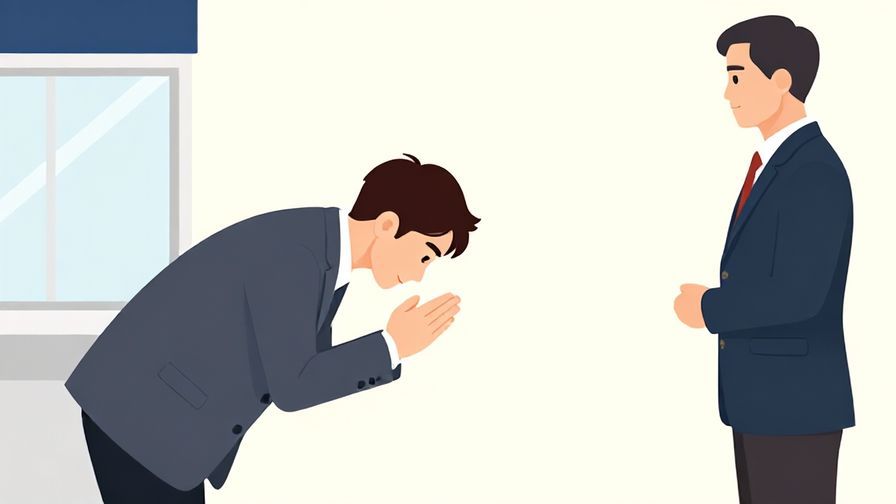
This is a very formal and respectful way to ask, often used in customer service or business contexts.
“ございます” is the humble form of “あります,” adding politeness.
Use this if you want to be extremely polite or in official environments.
It impresses with respectfulness but might sound stiff in casual chats.
Great for talking to staff at hotels, government offices, or official help desks.
Safe and always appropriate when unsure about formality.
10. お手洗いと駅はどちらですか? (Otearai to eki wa dochira desu ka?) – “Where are the bathroom and station?” (polite)

Adding another location (like “お手洗い (otearai)” for bathroom) is common and polite.
This phrase shows how to combine questions politely.
It’s useful when you have multiple things to ask at once.
Try this in stations or malls when you want quick info.
It also demonstrates your growing vocabulary and confidence.
Polite and practical for travel conversations.
11. 駅の場所を教えていただけますか? (Eki no basho o oshiete itadakemasu ka?) – “Could you tell me the location of the station?”

This phrase is polite and formal, asking “Could you please tell me…”
“教えていただけますか” is a humble request form, very respectful.
It’s perfect if you want to sound very courteous.
Great for business or when speaking with someone older.
It’s a bit longer but shows excellent manners.
Use it to make a positive impression and get detailed help.
12. 駅はどの辺ですか? (Eki wa dono hen desu ka?) – “Whereabouts is the station?”

“どの辺 (dono hen)” means “around where” or “whereabouts.”
This phrase is a polite way to ask roughly where something is located.
It’s useful when you want a general idea, not an exact spot.
Try it when exploring unfamiliar areas and asking locals.
It’s polite but slightly casual and easy to remember.
Great for flexible travel plans and friendly chats.
13. 駅はどの方向ですか? (Eki wa dono hōkō desu ka?) – “In which direction is the station?”

“方向 (hōkō)” means “direction,” useful for more precise questions.
Polite and clear, this phrase helps when you want to know which way to go.
It’s perfect if you have a map but need to confirm directions.
Good for walking or biking travelers.
Shows you’re paying attention and want precise help.
Use it in stores, hotels, or with helpful locals.
14. 駅までの行き方を教えてください。 (Eki made no ikikata o oshiete kudasai.) – “Please tell me how to get to the station.”

This phrase means “Please teach me the way to the station.”
“行き方 (ikikata)” means “way to go” or “directions.”
It’s polite and practical for asking detailed instructions.
Perfect when you want step-by-step help.
Use it in shops, hotels, or tourist centers.
It’s a great phrase to add to your polite conversations.
15. 駅はどちらのほうですか? (Eki wa dochira no hō desu ka?) – “Which way is the station?” (polite)

Combining “どちら (dochira)” and “のほう (no hō)” adds polite emphasis on direction.
It’s a formal but friendly way to ask which way the station is.
Great for use in customer service or formal meetings.
It sounds natural and respectful without being stiff.
Use it to show politeness and clarity.
Try it when you want to politely clarify directions.
16. 駅の場所はご存知ですか? (Eki no basho wa gozonji desu ka?) – “Do you know the location of the station?”

“ご存知 (gozonji)” is a respectful way to say “know.”
This phrase is polite and indirect, asking if someone knows the station’s location.
It’s perfect when you want to be very courteous.
Useful for approaching strangers or officials.
Shows humility and respect.
Great for business or formal situations.
Part 3: Very Casual / Native-like Expressions
17. 駅ってどこ? (Eki tte doko?) – “Where’s the station?” (casual, conversational)

“って (tte)” is a casual topic marker used in everyday speech.
This phrase sounds very natural and is common among friends.
It’s short, informal, and friendly.
Use it with people your age or in relaxed settings.
It’s a great way to sound like a native speaker.
Perfect for casual chats when you want quick answers.
18. 駅どこ行くの? (Eki doko iku no?) – “Where are you going to the station?” (casual)

This phrase casually asks if someone is heading to the station.
“行くの (iku no)” means “are you going?”
It’s informal and perfect for friends or peers.
Great for confirming plans or directions.
Shows you’re interested and engaged in conversation.
Use it to make friends and keep things light.
19. 駅どこ行く? (Eki doko iku?) – “Where’s the station? (shorter, casual)

This is a shortened, very casual version.
It drops particles and sounds super natural among young people.
Use it only with friends or familiar people.
It’s quick and to the point.
Perfect for fast conversations or texting.
Try it when you want to sound effortlessly native.
20. 駅どこ行くん? (Eki doko ikun?) – “Where are you going to the station?” (casual Kansai dialect style)

“行くん (ikun)” is a casual contraction often heard in Kansai dialect.
This phrase adds a regional flavor to your Japanese.
It’s very casual and friendly.
Use it with locals or friends familiar with Kansai style.
Great for sounding playful and natural.
Good for those wanting to explore regional expressions.
21. 駅どこ行くんや? (Eki doko ikun ya?) – “Where are you going to the station?” (very casual Kansai dialect)

“や (ya)” is a Kansai dialect ending particle adding emphasis.
This phrase is very informal and local-sounding.
Perfect for friends and casual chats in Kansai.
Not recommended for formal or unfamiliar settings.
Use it to connect with Kansai locals and enjoy regional charm.
Great for learners wanting to sound like a native from Osaka or Kyoto.
22. 駅どこや? (Eki doko ya?) – “Where’s the station?” (very casual Kansai dialect)

Another Kansai dialect variant, very casual and friendly.
It’s a great phrase to sound approachable and local.
Use it in Kansai region or with locals who appreciate dialect.
It’s short and easy to remember.
Helps you blend in and make friends.
Try it to add some regional flair to your Japanese.
23. 駅、どこやねん? (Eki, doko yanen?) – “Where the heck is the station?” (very casual, playful)

“やねん (yanen)” adds a playful, slightly frustrated tone common in Kansai dialect.
This phrase is very casual and humorous.
Great for joking around with friends.
Not for formal or serious conversations.
It shows personality and ease with the language.
Use it to lighten the mood and bond with locals.
24. 駅はどこ行ったん? (Eki wa doko ittan?) – “Where did the station go?” (casual, playful)

This playful phrase literally means “Where did the station go?”
It’s a casual and humorous way to express confusion.
Great among friends when joking about being lost.
Helps you connect through humor and casual speech.
It’s easy to remember and fun to use.
Perfect for lighthearted moments during your travel.
Concluding Thought
Exploring all these ways to ask “Where is the train station?” shows how rich and flexible Japanese can be.
From polite and formal to casual and playful, you can match your question to the situation perfectly.
Keep practicing, mix these phrases into your conversations, and enjoy your journey through Japan with confidence and a smile!