24 Japanese ways to ask “Where Is the Bathroom?
Needing to find the bathroom in Japan? Knowing how to ask “Where is the bathroom?” can save you from a lot of awkward moments! Whether you’re traveling, studying, or just curious, there are many ways to say it.
From super polite to casual, we’re diving into 24 useful Japanese phrases that fit different situations. You’ll feel ready to ask wherever you are!
Some are straightforward, others a little more natural or playful. We’ll break down the words and pronunciation so you can say them with confidence.
Finding the right phrase helps you connect better and shows respect—a big deal in Japanese culture. Plus, it’s just fun to sound like a local!
We’ll also share handy tips and little memory hacks to make learning easier. By the end, you’ll have a mini toolbox for any bathroom emergency.
Ready? Let’s jump into the wonderful world of Japanese bathroom questions!
Getting Comfortable with Basic Bathroom Questions
Before jumping into the diverse ways to ask, it’s good to know some basics.
The word for bathroom in Japanese is トイレ (toire) [toh-ee-reh] — borrowed from English “toilet.” Simple and widely understood!
Another useful word is お手洗い (otearai) [oh-teh-ah-rai], meaning “hand washing place,” a polite way to say bathroom.
If you’re just starting out, a great beginner phrasebook can be your best friend for mastering these essentials.
Remembering these words will make the rest of the listicle much easier to follow.
Once you know トイレ and お手洗い, you’re halfway there!
Part 1: Casual Suggestions
1. トイレはどこ? (Toire wa doko?) – “Where’s the toilet?”

This is the simplest and most direct way to ask where the bathroom is.
トイレ (toire) means “toilet,” は (wa) marks the topic, and どこ (doko) means “where.” Put together, it literally asks, “Toilet, where?”
It’s casual but perfectly fine in informal settings like cafes or with friends.
Quick and easy to remember, it’s the go-to phrase when you’re in a rush.
Similar phrases like トイレどこですか? (Toire doko desu ka?) make it more polite by adding ですか (desu ka), but this version keeps it casual.
Start practicing this one to get comfortable with basic sentence structure!
2. お手洗いはどこですか? (Otearai wa doko desu ka?) – “Where is the restroom?”
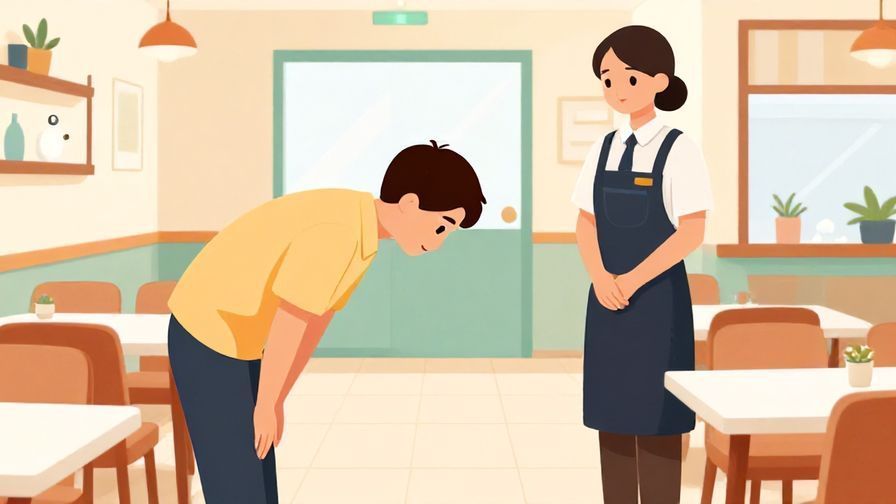
This is a polite way to ask where the restroom is, great for shops or restaurants.
お手洗い (otearai) is a respectful word for bathroom, and adding ですか (desu ka) makes it a polite question.
Perfect when you want to be courteous without sounding too formal.
Remember not to drop ですか in formal situations—it keeps the tone right.
For example, you might say this to a staff member at a café.
It’s a great phrase to carry around if you want to sound polite but natural.
3. トイレはどこにありますか? (Toire wa doko ni arimasu ka?) – “Where is the toilet located?”
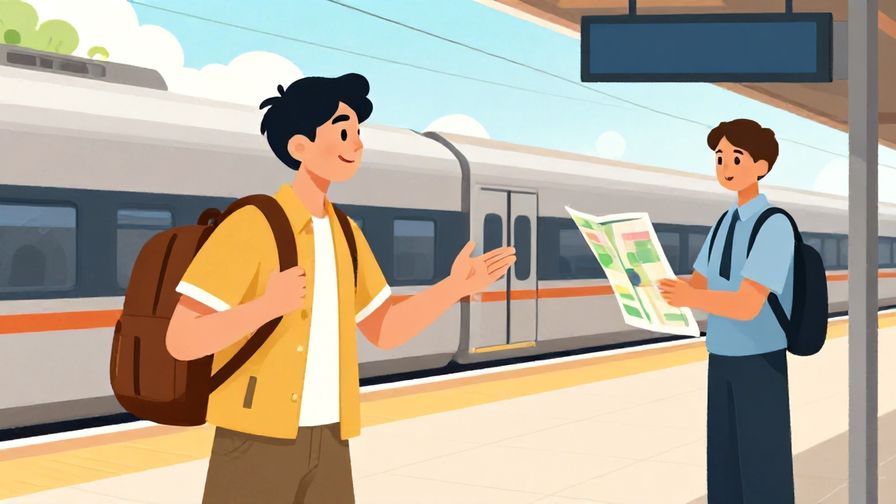
This phrase is slightly more formal and literally means “Where does the toilet exist?”
あります (arimasu) is the polite verb “to exist” for objects, and に (ni) indicates location.
Use this when you want to sound polite and precise.
It’s common in public places like train stations or department stores.
Try practicing the verb あります to feel more confident with existence verbs in Japanese.
This phrase is a handy step up from casual asking.
4. トイレはどこでしょうか? (Toire wa doko deshou ka?) – “I wonder where the toilet is?”

This is a very polite and soft way to ask, adding でしょうか (deshou ka) which implies uncertainty.
It’s useful if you want to sound especially respectful or indirect.
Great for formal settings or when speaking with elders.
It’s a good phrase to use when you want to politely check without sounding demanding.
Pair this with a gentle tone to make a great impression.
Use it when you want to be extra thoughtful in your language.
5. トイレを探しています (Toire o sagashite imasu) – “I’m looking for the toilet.”

This phrase says you’re actively searching for the bathroom.
探しています (sagashite imasu) means “I am looking for.”
It’s useful if you want to explain your situation clearly.
Try using this if people look confused when you just ask “where is the toilet?”
It also shows you’re polite by sharing your context.
Practice the verb 探す (sagasu) to get comfortable with action verbs.
6. トイレ貸してください (Toire kashite kudasai) – “Please let me use the toilet.”
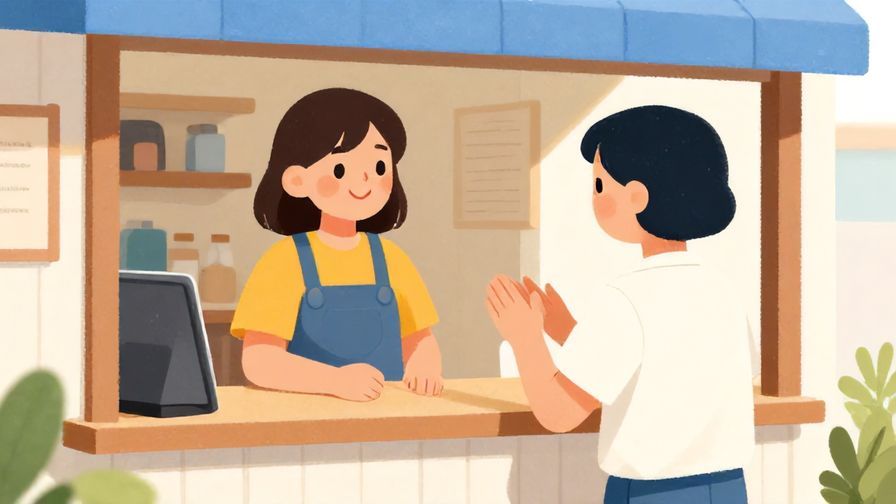
This is a polite way to ask if you can use the bathroom.
貸してください (kashite kudasai) means “please lend me.”
Great for places like small cafés or someone’s home.
It’s not just asking location, but permission to use it.
Make sure to use a polite tone with ください (kudasai).
It’s useful to learn this phrase to sound considerate and respectful.
7. トイレは使えますか? (Toire wa tsukaemasu ka?) – “Can I use the toilet?”
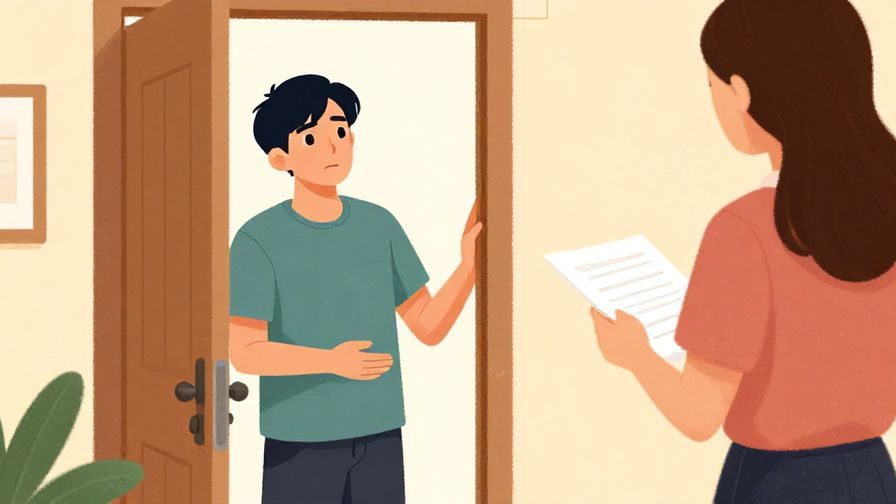
This is a direct but polite way to ask if the toilet is available for use.
使えます (tsukaemasu) means “can use.”
It’s handy when you want to confirm availability before entering.
Great in homes or private businesses where bathrooms might be limited.
Practice the verb 使う (tsukau) to master this phrase.
It shows good manners by asking first rather than assuming.
8. トイレはどちらですか? (Toire wa dochira desu ka?) – “Where is the restroom?” (polite)
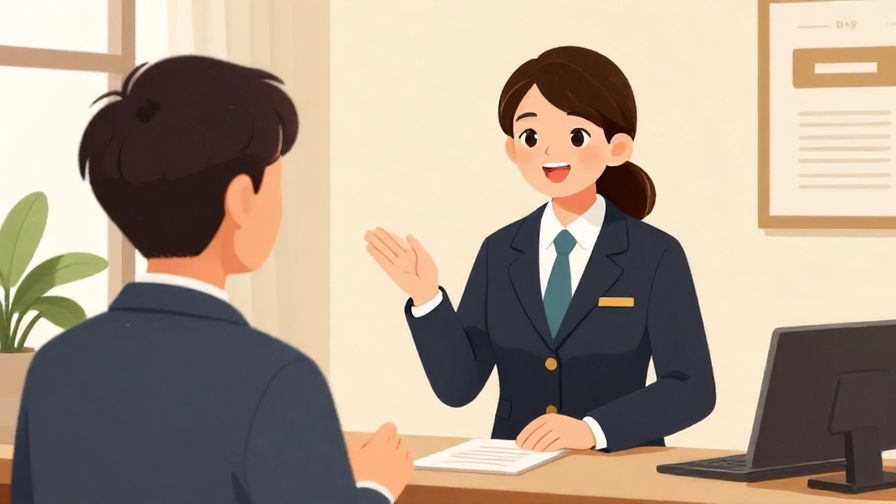
This phrase uses どちら (dochira), a polite word for “where,” making it more formal than どこ.
It’s commonly used in service settings like hotels or offices.
Using どちら adds a respectful tone, good for unfamiliar or formal places.
Try this phrase when you want to sound polite but not overly formal.
It’s a subtle difference that locals appreciate.
Perfect for travelers wanting to show respect.
Part 2: Polite & Formal Suggestions
9. お手洗いをお借りしてもよろしいですか? (Otearai o okari shite mo yoroshii desu ka?) – “May I use the restroom?”

This is a very polite and formal way to ask for bathroom use.
お借りしてもよろしいですか (okari shite mo yoroshii desu ka) means “may I borrow.”
It’s perfect for business or highly respectful contexts.
This phrase shows great respect and humility.
Practice the polite verb お借りする (okari suru) for borrowing.
Perfect when you want to impress with your manners.
10. お手洗いはどちらにございますか? (Otearai wa dochira ni gozaimasu ka?) – “Where is the restroom?” (very formal)
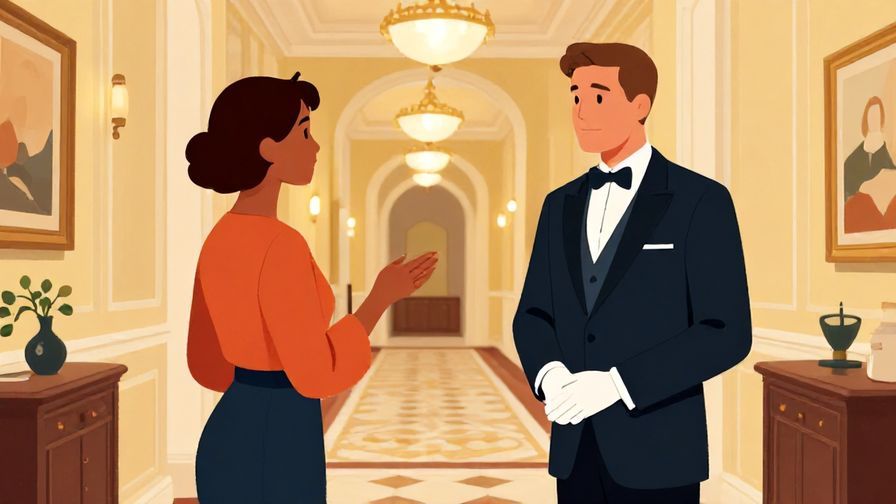
In this phrase, ございます (gozaimasu) is a very humble way to say “is/exists.”
It’s the most formal way to ask where the restroom is located.
Use it in very formal or high-class settings.
It’s respectful and polite, great for official events or ceremonies.
Practice humble verbs if you want to master this level of politeness.
This phrase will definitely earn you some respectful nods.
11. お手洗いをお借りできますでしょうか? (Otearai o okari dekimasu deshou ka?) – “Would it be possible to use the restroom?”
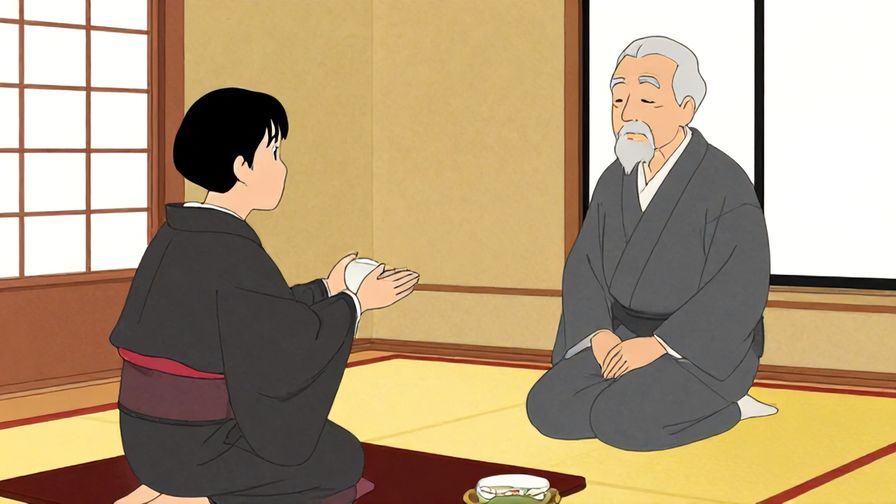
This is another polite, indirect way to ask permission.
It’s softer than a direct question and shows humility.
Great for formal visits or when you want to be extra courteous.
Add deshou ka to imply a gentle request.
Good for when you’re not sure if it’s okay to use the bathroom.
This phrase helps keep social harmony intact.
12. 失礼ですが、お手洗いはどちらでしょうか? (Shitsurei desu ga, otearai wa dochira deshou ka?) – “Excuse me, but where is the restroom?”

Adding 失礼ですが (shitsurei desu ga) means “excuse me” or “pardon me.”
It’s a very polite way to get someone’s attention before asking.
This phrase is great in formal or crowded places.
Use it to soften your question and avoid being rude.
It’s a phrase that shows you respect others’ space and time.
Try using it when you want to keep politeness top-notch.
13. お手洗いを使わせていただけますか? (Otearai o tsukawasete itadakemasu ka?) – “May I humbly use the restroom?”
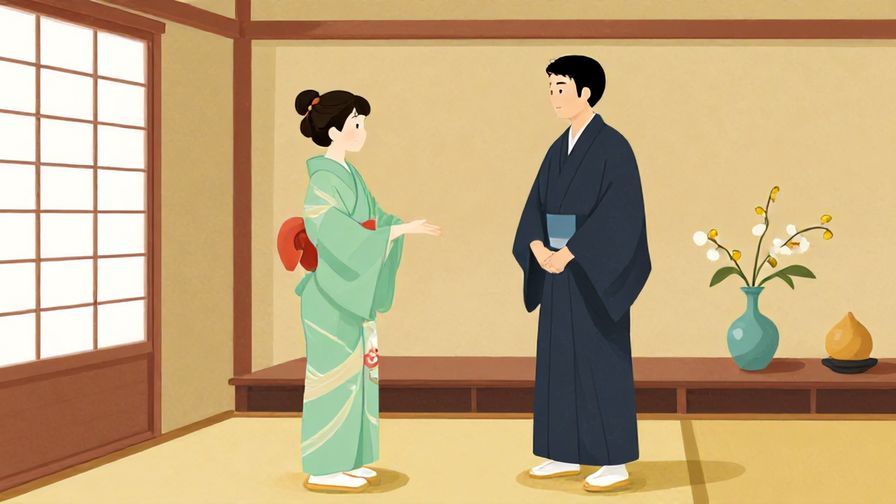
This phrase uses humble language to ask permission.
使わせていただけますか (tsukawasete itadakemasu ka) literally means “may I be allowed to use.”
It’s very respectful and commonly used in formal situations.
Great for business meetings or formal visits.
It also shows you understand Japanese etiquette well.
Practice humble verb forms to master this phrase.
14. お手洗いはどこにございますでしょうか? (Otearai wa doko ni gozaimasu deshou ka?) – “Where might the restroom be?” (very formal and humble)
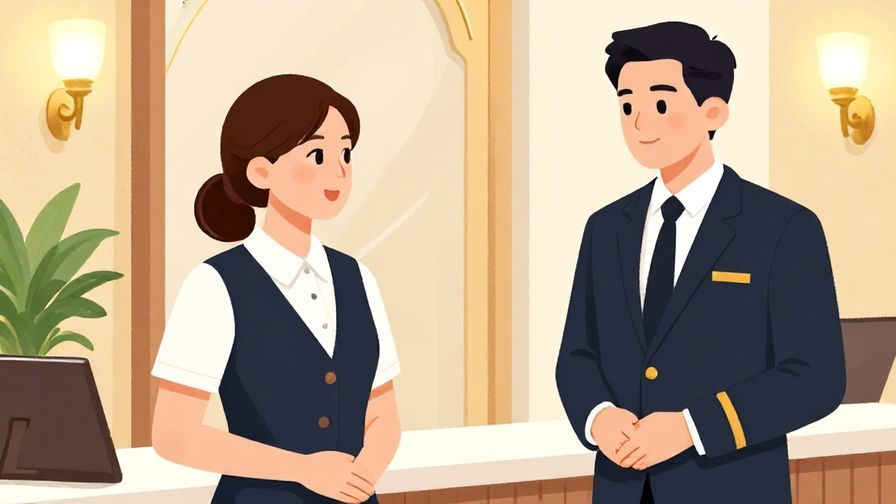
This phrase combines polite and humble forms for ultimate respectfulness.
It’s perfect for very formal occasions or very high-level customer service.
Using gozaimasu and deshou ka together shows maximum politeness.
Use this when you want to sound very refined and respectful.
It’s not for casual chats but great to know for special moments.
Try mimicking native speakers to get the tone just right.
15. お手洗いを利用させていただけますか? (Otearai o riyou sasete itadakemasu ka?) – “May I make use of the restroom?”
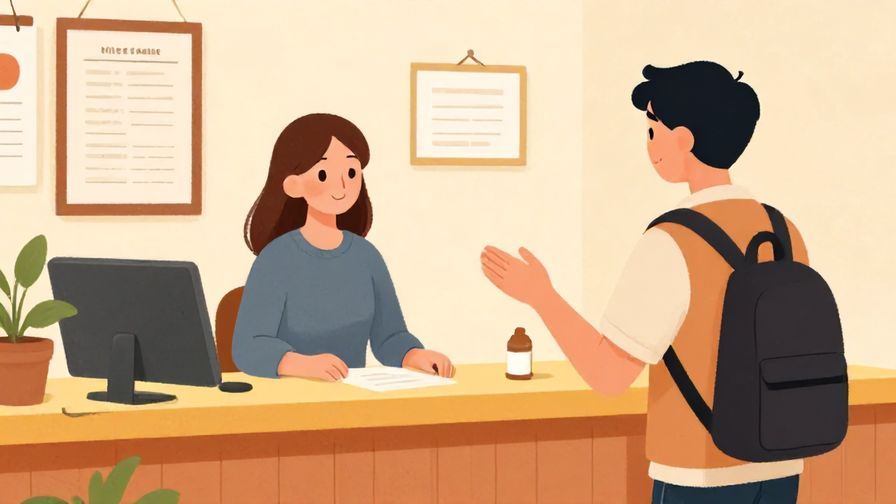
利用 (riyou) means “use” or “utilize,” making this phrase very polite.
It’s a respectful and humble way to ask for permission.
Often used in formal public places like museums or galleries.
Good for showing you care about etiquette.
This phrase highlights your respect for the facility.
Practice the verb 利用する (riyou suru) for similar contexts.
16. お手洗いを拝借してもよろしいでしょうか? (Otearai o haishaku shite mo yoroshii deshou ka?) – “May I humbly borrow the restroom?”
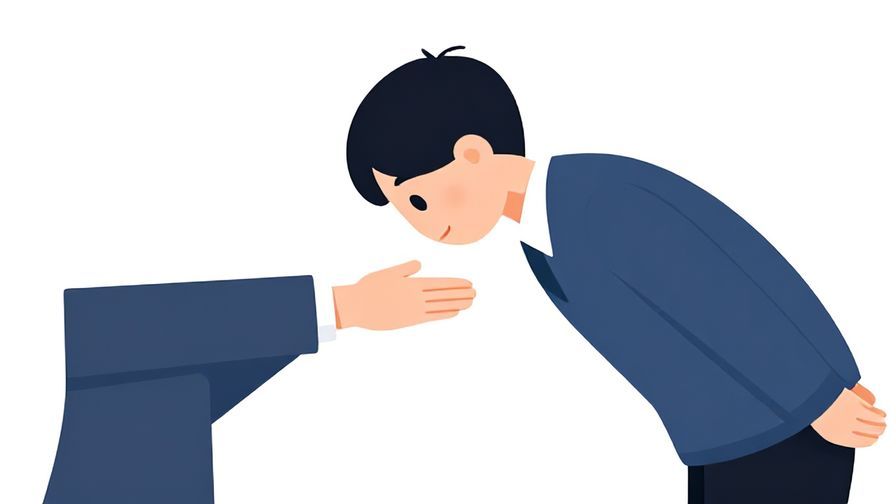
拝借 (haishaku) is a humble way to say “borrow.”
This phrase is very formal and respectful.
Great to use when you want to show humility.
It’s similar to お借りします but even more polite.
Perfect for important social or business situations.
It’s good to learn this phrase for cultural finesse.
Part 3: Very Casual / Native-like Expressions
17. トイレどこ? (Toire doko?) – “Toilet, where?” (super casual)

This is the shortest, most casual form you’ll hear among friends.
It drops particles and politeness markers, making it quick and informal.
Use only with close friends or people your age.
Perfect for relaxed, casual conversations.
Be careful not to use this in formal or unfamiliar settings.
It’s great for sounding natural and fluent among peers.
18. トイレどこだよ? (Toire doko dayo?) – “Where’s the toilet, huh?” (casual, slightly rough)
This adds だよ (dayo) for emphasis, often used by guys or close friends.
It sounds a bit rough but casual and friendly.
Good for informal chats where tone is playful or teasing.
Not suitable for polite company or strangers.
Try it with friends only to keep it natural.
It’s a fun phrase that shows personality.
19. トイレどこ行った? (Toire doko itta?) – “Where did the bathroom go?” (playful)

This phrase jokes as if the toilet disappeared.
行った (itta) means “went,” giving it a playful twist.
Use it with close friends to add humor.
It’s casual and fun, not for formal use.
Great for lightening the mood in awkward situations.
Perfect for those moments when you really need to find it fast!
20. トイレどこなの? (Toire doko nano?) – “So, where’s the bathroom?” (casual, seeking explanation)

Adding なの (nano) at the end adds a soft explanatory tone.
It’s casual but sounds like you want a clear answer.
Good for conversations with peers or younger people.
It’s a natural way to seek info without sounding rude.
Try this if you want a friendly but direct question.
It’s useful in casual daily chats.
21. トイレ貸して! (Toire kashite!) – “Lend me the toilet!” (very casual, urgent)
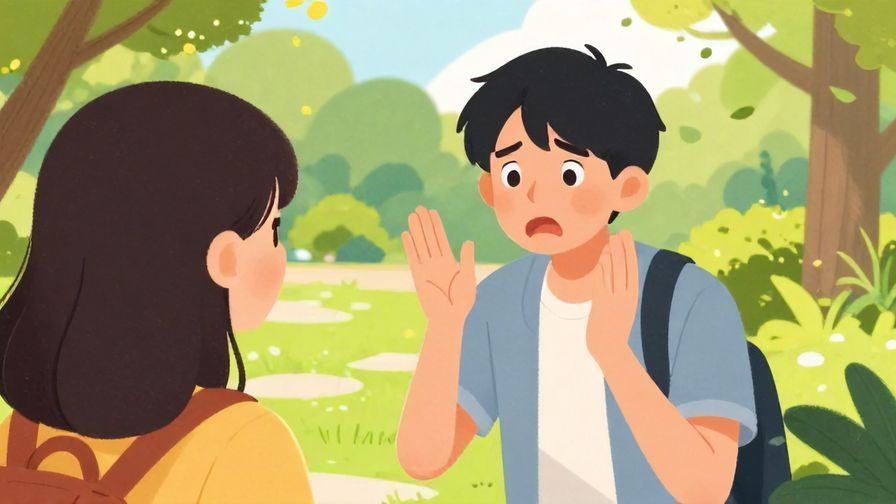
This is a casual and urgent way to ask permission.
貸して (kashite) means “lend me.”
Use only with close friends or family.
It’s direct and may sound demanding if used with strangers.
Great when you’re in a pinch among people you know well.
Be mindful to keep tone friendly!
22. トイレ行きたい! (Toire ikitai!) – “I want to go to the bathroom!” (casual)

This phrase expresses the need rather than asking location.
行きたい (ikitai) means “want to go.”
It’s casual and shows urgency or need.
Great for friends or family, not for strangers.
Use it when you want help getting to the bathroom fast.
It’s natural and common in everyday speech.
23. トイレ教えて! (Toire oshiete!) – “Tell me where the bathroom is!” (casual)

教えて (oshiete) means “tell me” or “teach me.”
This is a casual, friendly way to ask for directions.
Use with friends or informal settings.
It’s direct but not rude among peers.
Try this phrase when you want a quick answer.
It’s easy to remember and very natural.
24. トイレどこか分かる? (Toire doko ka wakaru?) – “Do you know where the bathroom is?” (casual)

分かる (wakaru) means “to know” or “understand.”
Adding か (ka) turns it into a question.
This phrase asks if the person knows where the bathroom is.
It’s casual and polite enough for many everyday situations.
Great for asking strangers or acquaintances informally.
It’s very useful when you’re unsure who to ask.
Concluding Thought
Asking “Where is the bathroom?” in Japanese can be simple or polite depending on your setting and who you’re talking to.
By learning a range of expressions, you’ll feel confident and respectful anywhere you go in Japan.
Remember, a warm smile and politeness go a long way—now you’re ready for any bathroom quest! Good luck and enjoy your language adventure!