24 Japanese ways to ask “How Do You Read This?
Ever stumbled upon a Japanese word or phrase and thought, “How on earth do I read this?” You’re not alone! Whether you’re a beginner or have some experience, asking “How do you read this?” is a super useful skill to get comfortable with.
It’s a simple question, but there are actually many warm, casual, and polite ways to ask it in Japanese, depending on the situation. Learning these variations can make your conversations smoother and more natural.
From casual chats with friends to formal settings like work or school, knowing how to ask this question in different tones is a great tool in your language toolkit.
Plus, mastering these phrases helps you navigate those tricky kanji or unfamiliar words with confidence and ease. Let’s dive into 24 Japanese ways to ask “How do you read this?” that you can start using today!
Each phrase comes with pronunciation guides and little tips to make them stick. Ready to boost your Japanese skills? Let’s go!
These expressions will open doors to better understanding and more engaging conversations—so keep this list handy!
Getting Started with Asking “How Do You Read This?”
When you first begin learning Japanese, you’ll quickly realize that reading kanji can be intimidating. Asking how to read something is a natural part of the learning journey.
Japanese offers a variety of expressions for this, ranging from super casual to very polite. It’s all about matching the right tone to the right situation.
Knowing multiple ways to ask also shows your cultural sensitivity and language versatility.
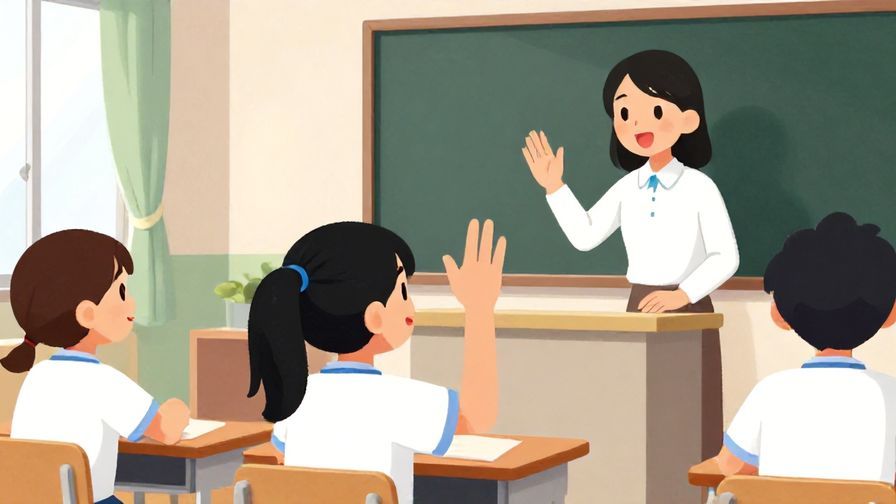
Using a great beginner phrasebook can help you get comfortable with these expressions and practice them naturally.
Once you get these phrases under your belt, you’ll feel more confident in asking and learning new words on the spot.
And remember, it’s not just about words—it’s about connecting with people and culture.
Part 1: Casual Suggestions
1. これ、なんて読むの? (Kore, nante yomu no?) – “How do you read this?”

This is the classic casual way to ask “How do you read this?”
“これ” (kore) means “this,” “なんて” (nante) means “how (in what way),” and “読むの” (yomu no) is “read” plus a casual question ending.
It’s straightforward and perfect among friends or classmates.
Use it when you want to sound friendly and natural without being too formal.
A similar phrase is “これ、読み方は?” (Kore, yomikata wa?), which means “What’s the reading of this?”
Once you know this phrase, you can confidently ask about any tricky word you find in casual settings!
2. これ、どう読む? (Kore, dou yomu?) – “How do you read this?”

Another casual and very common way to ask the same question.
“どう” (dou) means “how,” making it a simple, direct question.
This phrase is easy to remember and sounds natural in everyday conversations.
Be careful not to sound too blunt; it’s best with friends or peers.
Example: “これ、どう読む?” when showing a kanji you don’t know.
It’s a handy phrase that’s quick and to the point—great for quick clarifications.
3. 読み方、教えてくれる? (Yomikata, oshiete kureru?) – “Can you tell me how to read this?”

This is a casual yet polite way to ask for help with reading something.
“読み方” (yomikata) means “way of reading,” “教えてくれる” (oshiete kureru) means “can you teach/tell me.”
It’s a bit softer and shows appreciation in advance.
Perfect when you want to sound friendly but respectful.
You can use this when asking a friend or someone you know a little better.
It also encourages the other person to help you without feeling pressured.
4. これ、何て読むか分かる? (Kore, nante yomu ka wakaru?) – “Do you know how to read this?”

This phrase adds “か分かる” (ka wakaru), meaning “do you know,” making it a gentle inquiry.
It’s casual but a bit more indirect, which is polite in Japanese culture.
Good for when you’re not sure if the other person knows the answer.
It’s a great conversation starter and less direct than just asking “How do you read this?”
Use it when you want to be polite but keep it casual.
It also shows humility, which is appreciated in Japanese communication.
5. これ、どう読みますか? (Kore, dou yomimasu ka?) – “How do you read this?” (polite)

This is the polite version of “どう読む?” (dou yomu?).
“読みますか” (yomimasu ka) is the polite form of “read,” making it suitable for strangers or formal situations.
It’s respectful and clear, perfect for shops, schools, or when asking elders.
Using polite forms shows good manners and is often necessary in daily life.
It’s always safe to default to polite language when unsure.
Try this one out when you want to sound courteous without being overly formal.
6. この漢字は何と読みますか? (Kono kanji wa nan to yomimasu ka?) – “How do you read this kanji?”
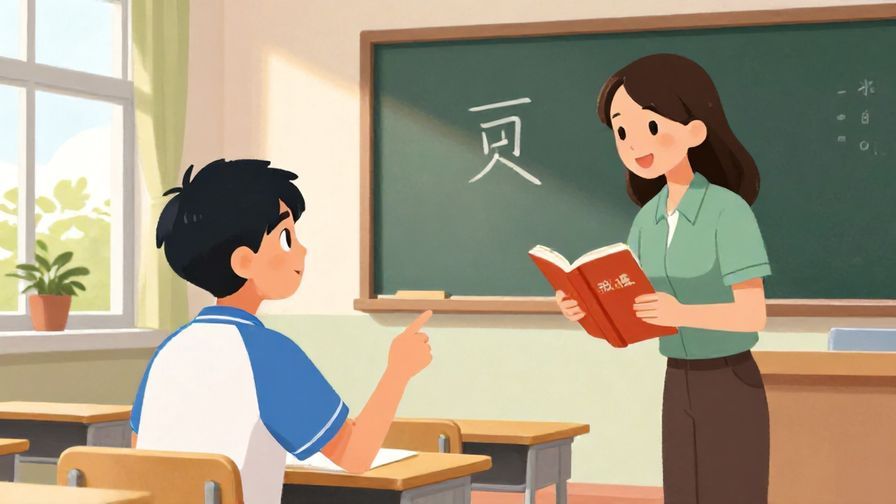
If you want to be specific about kanji, this phrase is perfect.
“この漢字” (kono kanji) means “this kanji,” “何と読みますか?” (nan to yomimasu ka?) is “how do you read?” in polite form.
It’s formal and clear, good for classroom or official settings.
Using this phrase helps avoid confusion by naming the exact item.
Great for when you’re learning kanji and want precise answers.
It also signals that you’re serious about your study, which teachers appreciate.
7. 読み方を教えてもらえますか? (Yomikata o oshiete moraemasu ka?) – “Could you teach me the reading?”

This is a polite and humble way to ask for reading help.
“教えてもらえますか” (oshiete moraemasu ka) means “could you kindly teach me,” adding respect.
It’s great for workplace or formal meetings when you need help with reading something.
Shows gratitude and respect, increasing the chance of a positive response.
You can use this when asking seniors or colleagues politely.
It’s a phrase that builds rapport and goodwill.
8. これ、読み方教えてもいい? (Kore, yomikata oshiete mo ii?) – “Is it okay to tell me how to read this?”

This phrase is casual and polite at the same time, asking permission to be taught.
“教えてもいい?” (oshiete mo ii?) means “is it okay to teach/tell me?”
It’s a soft, friendly way to ask that’s great for informal situations.
Good if you want to be polite but not overly formal.
Use it when you’re not sure if the other person has time or willingness to help.
It feels less demanding and more like a genuine request.
Part 2: Polite & Formal Suggestions
9. 失礼ですが、これの読み方を教えていただけますか? (Shitsurei desu ga, kore no yomikata o oshiete itadakemasu ka?) – “Excuse me, could you please tell me how to read this?”

This phrase is very polite and respectful.
“失礼ですが” (shitsurei desu ga) means “excuse me,” and “教えていただけますか” (oshiete itadakemasu ka) is a humble form of “could you tell me.”
Perfect for formal workplaces, meetings, or when speaking with superiors.
It shows humility and respect, which is highly valued in Japanese culture.
Use this when you want to make a very good impression.
It’s a bit long but worth mastering for professional settings.
10. こちらの漢字の読み方を教えていただけますか? (Kochira no kanji no yomikata o oshiete itadakemasu ka?) – “Could you please tell me the reading of this kanji?”
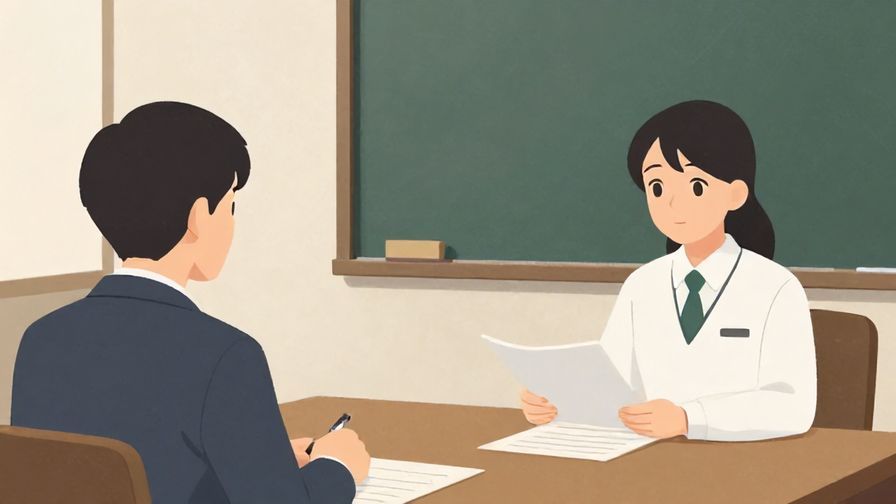
This is a formal and very polite way to ask about kanji reading.
“こちらの漢字” (kochira no kanji) means “this kanji here,” adding a respectful tone.
It’s suitable for official documents, business conversations, and academic environments.
Use this phrase to show carefulness and respect.
It’s a phrase that helps maintain professionalism.
Perfect for email inquiries or in-person formal talks.
11. 何とお読みすればよろしいでしょうか? (Nan to oyomi sureba yoroshii deshou ka?) – “How should I read this?” (very polite)

This is a very polite and humble way to ask how to read something.
“お読みすればよろしいでしょうか” (oyomi sureba yoroshii deshou ka) means “should I read it as…” in a respectful tone.
Use this in formal letters, presentations, or when speaking with important people.
It’s a phrase that conveys respect and care for proper language use.
Great for showing your earnestness in mastering Japanese.
It can also be used when confirming pronunciation.
12. こちらの読み方をお教えいただけますか? (Kochira no yomikata o oshie itadakemasu ka?) – “Could you kindly teach me the reading here?”

This phrase combines politeness with kindness.
“お教えいただけますか” (oshie itadakemasu ka) is a formal and humble way to ask for information.
It’s perfect for customer service, official inquiries, or polite conversation.
Using this phrase helps build good relationships.
It shows you value the other person’s knowledge highly.
Try this when you want to sound polished and courteous.
13. 失礼ですが、この単語の読み方を教えていただけますでしょうか? (Shitsurei desu ga, kono tango no yomikata o oshiete itadakemasu deshou ka?) – “Excuse me, could you please tell me the reading of this word?”

A very polite phrase specifically for words (単語, tango).
It combines “失礼ですが” (excuse me) with humble request forms.
Ideal for formal learning environments or customer interactions.
Shows strong respect and consideration.
Good for when you want to be absolutely sure you’re using correct etiquette.
It can be a bit long but is great for official or academic contexts.
14. こちらの表記の読み方を教えていただけますか? (Kochira no hyouki no yomikata o oshiete itadakemasu ka?) – “Could you please tell me how to read this notation?”

“表記” (hyouki) means “notation” or “writing,” so this phrase is used for specific written forms.
It’s formal and polite, great for academic or technical situations.
Use it when you want to sound precise and respectful.
It’s a versatile phrase that applies to many contexts.
Perfect for discussing written language or characters.
A good phrase for researchers, teachers, or students.
15. もしよろしければ、読み方を教えていただけますか? (Moshi yoroshikereba, yomikata o oshiete itadakemasu ka?) – “If it’s okay, could you tell me the reading?”

This phrase adds a polite “if it’s okay” for extra softness.
It’s respectful and humble, great for delicate situations.
Use it when you want to be extra considerate.
It’s handy if you don’t want to impose or seem pushy.
Good for new acquaintances or formal introductions.
It softens the request and shows thoughtful communication.
16. 恐れ入りますが、こちらの読み方をお教え願えますか? (Osore irimasu ga, kochira no yomikata o oshie negaemasu ka?) – “I’m sorry to trouble you, but could you please teach me the reading?”

This is an extremely polite and humble phrase.
“恐れ入りますが” (osore irimasu ga) means “sorry to trouble you,” showing deep respect.
Great for formal occasions, business, or elder interactions.
It’s lengthy but shows serious etiquette.
Use it when you want to express gratitude before and after the request.
Perfect for highly respectful communication in Japanese culture.
Part 3: Very Casual / Native-like Expressions
17. これ、なんて読むんだっけ? (Kore, nante yomu ndakke?) – “How do you read this again?”

This phrase has a casual, relaxed vibe, implying you’ve seen the word before but forgot the reading.
“んだっけ” (ndakke) adds a nuance of “again” or “remind me.”
It’s great among close friends or family.
Use it to sound natural and native-like in casual conversations.
It shows familiarity and a friendly tone.
Try this when you want to keep things light and informal.
18. これ、どう読むん? (Kore, dou yomu n?) – “How do you read this?” (very casual)

Dropping the “か” question particle makes this very casual.
It’s often heard in Kansai dialect or among close friends.
Use it to fit in with native speakers in informal contexts.
Be careful: it might sound rude if used in the wrong setting.
Great for casual chats or texting.
It’s a neat phrase to add to your native-like expressions.
19. これ、読み方わかんないんだけど (Kore, yomikata wakannain da kedo) – “I don’t know how to read this, though.”

Here you’re sharing your confusion in a casual way, inviting help.
“わかんないんだけど” (wakannain da kedo) means “I don’t know, but…”
It’s informal and friendly, perfect for peer conversations.
It softens the request by admitting your own difficulty.
Use it when you want to ask indirectly.
It encourages the listener to jump in with help.
20. これ、読める? (Kore, yomeru?) – “Can you read this?”

Very simple and casual phrase.
“読める” (yomeru) means “can read,” asking if the person is able to read it.
It’s short and direct, great for playful or informal situations.
Use it when you want to test or challenge someone lightly.
It’s common among young people or in casual learning groups.
Be mindful of tone, as it can sound blunt if not friendly.
21. これ、どうやって読むの? (Kore, dou yatte yomu no?) – “How do you read this?” (with “how to do” nuance)
Adding “やって” (yatte) means “do,” so this asks “how do you do reading this?”
It’s a bit more descriptive than just “どう読む?”
Good for when you want to learn the method or way of reading.
Used casually among friends or teachers.
It’s a handy phrase when you want extra clarity.
Try it when you want to sound engaged and curious.
22. これ、なんて読むんすか? (Kore, nante yomun su ka?) – Very casual, male speech style

This is a casual phrase often used by men.
“んすか” (nsu ka) is a contraction of “のですか” (no desu ka), sounding more relaxed.
It fits casual conversations with peers.
Use it to sound cool and laid-back, but avoid formal settings.
It’s part of natural spoken Japanese among young adults.
Great for informal chats or online conversations.
23. これ、読み方わかる? (Kore, yomikata wakaru?) – “Do you know how to read this?”

This is a casual and friendly way to ask if someone knows how to read something.
“わかる” (wakaru) means “to know,” so you’re checking their knowledge.
Great for peer conversations or study groups.
It’s indirect and polite enough for casual use.
Use it when you want to start a helpful discussion.
It invites the other person to share their knowledge comfortably.
24. これ、どう読むか教えて? (Kore, dou yomu ka oshiete?) – “Tell me how to read this, please.”

This phrase is casual and direct but polite enough among friends.
“教えて” (oshiete) means “tell/teach me,” and adding “か” turns it into a question.
It’s simple and easy to remember.
Use it when you want a straightforward answer.
It’s perfect for quick help in informal settings.
Great phrase to keep handy for your everyday conversations.
Concluding Thought
Asking “How do you read this?” in Japanese can be as simple or as polite as you want, depending on who you’re talking to. With these 24 phrases, you’re fully equipped to handle any situation and sound natural at the same time.
Remember, the key is to match your tone and formality to your audience—friends, teachers, coworkers, or strangers.
Keep practicing these expressions, and you’ll find yourself navigating Japanese text with confidence and charm. Happy learning!