24 Japanese ways to ask “How Do I Get There?

Traveling in Japan is an adventure filled with amazing sights and new experiences. But sometimes, the question “How do I get there?” can feel a little tricky to ask in a new language.
Lucky for you, Japanese has many ways to express this simple yet essential question. Whether you want to be casual, polite, or very native-like, there’s a phrase perfect for every situation.
In this list, we’ll explore 24 different ways to ask “How do I get there?” in Japanese. Each phrase comes with a pronunciation guide and a friendly explanation to make learning easy and fun.
Mastering these expressions will help you connect with locals, get directions confidently, and enjoy your travels even more.
Plus, knowing different ways to ask can make your conversations way more interesting and natural!
Ready to find your way around Japan with ease? Let’s dive into these warm, informal, and relatable phrases.
Getting Started: Why So Many Ways?
The Japanese language is rich with nuance and politeness levels, so it’s no surprise there are many ways to ask for directions.
Depending on who you’re talking to—friends, strangers, or officials—you’ll want to pick the right phrase. This helps you sound natural and respectful, plus it boosts your confidence.
Some phrases are casual and perfect for friends, while others are formal for polite strangers or service staff.

Sometimes, using a great beginner phrasebook can give you a perfect starting point for a cohesive understanding.
Before you know it, you’ll be switching between phrases like a local, making your travel experience smoother and more fun.
Let’s start with some casual suggestions you can use with friends or people your age.
Part 1: Casual Suggestions
1. どうやって行くの? (Dou yatte iku no?) – “How do I get there?”

This is a straightforward, casual way to ask “How do I get there?”
どうやって (dou yatte) means “how,” 行く (iku) means “to go,” and の (no) at the end softens the question, making it informal and friendly.
Great for chatting with friends or people you just met in a casual setting.
Using の creates a soft tone that invites an answer.
It’s similar to saying “How do I get there?” in English, clear and natural.
Try it out next time you want simple directions from someone your age!
2. そこまでどう行けばいい? (Soko made dou ikeba ii?) – “How should I go there?”

Here, そこまで (soko made) means “up to there,” and どう行けばいい? (dou ikeba ii?) asks “how should I go?”
It’s a casual but slightly more detailed way to ask for directions, perfect with people you know.
Remember, いけば (ikeba) is the conditional form of “to go,” and いい (ii) means “good” or “okay.”
This phrase literally asks “What’s the good way to get there?”
Avoid using it with strangers as it sounds very casual.
Use it when you want a friend’s advice on the best route.
3. あそこにどうやって行く? (Asoko ni dou yatte iku?) – “How do I get over there?”

あそこ (asoko) means “over there” or “that place,” so this phrase asks specifically about getting to a far point.
It’s casual and direct, great for quick questions to locals or friends.
Adding に (ni) marks the destination, making the phrase clear.
It’s a handy phrase for when you see a place but aren’t sure how to reach it.
Try pairing it with a gesture to make your meaning even clearer.
Practice this to sound natural when pointing out a spot you want to visit.
4. どの道を行けばいい? (Dono michi o ikeba ii?) – “Which road should I take?”
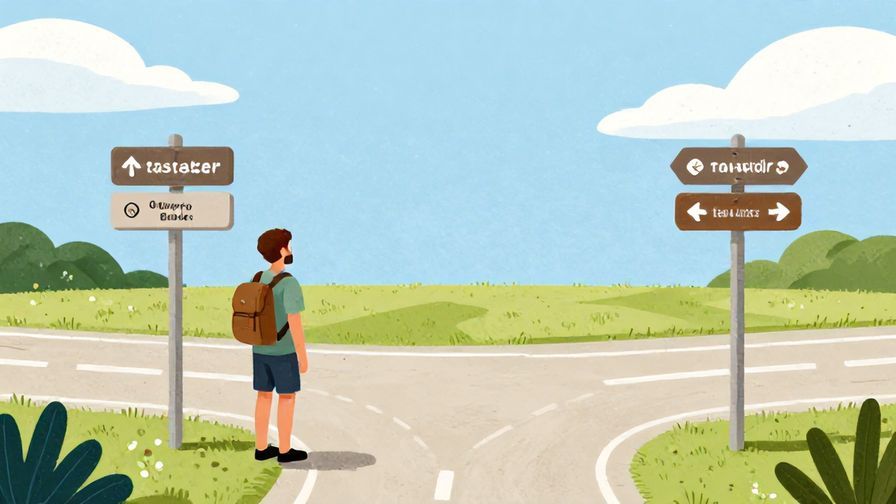
どの道 (dono michi) means “which road,” so you’re asking which path is best.
This phrase is casual but useful when you want specific advice on routes.
It’s great if you’re at a crossroads and want to avoid getting lost.
Remember, いけばいい (ikeba ii) means “should go” or “it’s good to go.”
Don’t confuse this with simply asking “where is…” which has a different construction.
Use this one to sound curious and ready to explore.
5. ここからどうやって行くの? (Koko kara dou yatte iku no?) – “How do I get from here?”
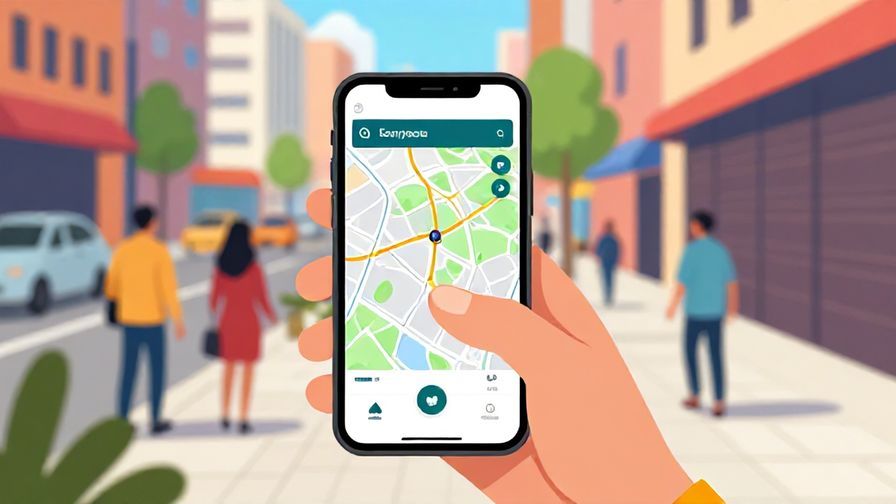
ここから (koko kara) means “from here,” so you’re asking for directions starting at your current spot.
This is a friendly and casual way to ask locals or friends where to go next.
The の (no) at the end softens the sentence, making it sound conversational.
It’s very practical for travelers who want to confirm their route.
Perfect to use when you just arrived or are at a new place.
Adding gestures or a map will help get better answers.
6. どこに行けばいい? (Doko ni ikeba ii?) – “Where should I go?”
どこに (doko ni) means “to where,” and いけばいい (ikeba ii) means “should go.”
This phrase is casual but polite enough for strangers, asking for the best place to head to.
Great when you’re unsure of your destination but want suggestions.
It’s a bit more open-ended than asking “how to get there.”
You might hear suggestions or advice in response.
Use it to sound interested and easygoing.
7. まっすぐ行けばいい? (Massugu ikeba ii?) – “Should I go straight?”

まっすぐ (massugu) means “straight,” so this phrase checks if going straight is the best option.
It’s casual and great for confirming directions you’ve heard.
Perfect for those moments when you want reassurance before moving forward.
Adding a rising intonation at the end turns it into a question.
It’s a simple but effective way to keep your journey smooth.
Try using it when you see a fork or junction ahead.
8. 電車でどう行くの? (Densha de dou iku no?) – “How do I go there by train?”
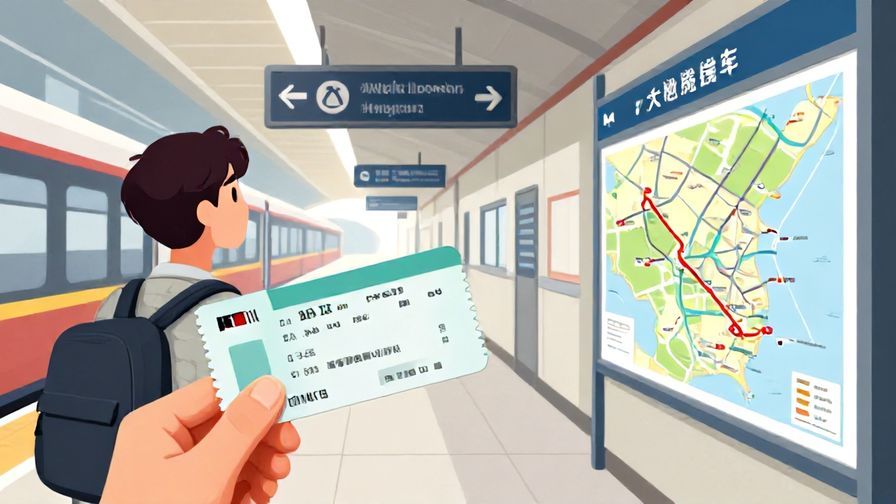
電車 (densha) means “train,” and で (de) marks the method of transportation.
This phrase is casual but clear when you want to take the train somewhere.
Great for Japan where trains are a common way to travel.
It helps locals know you want directions using public transit.
You can replace 電車 (densha) with バス (basu) for bus or タクシー (takushii) for taxi to adapt.
Using this phrase shows you’re ready to explore like a pro.
Part 2: Polite & Formal Suggestions
9. そこまでの行き方を教えていただけますか? (Soko made no ikikata o oshiete itadakemasu ka?) – “Could you please tell me how to get there?”
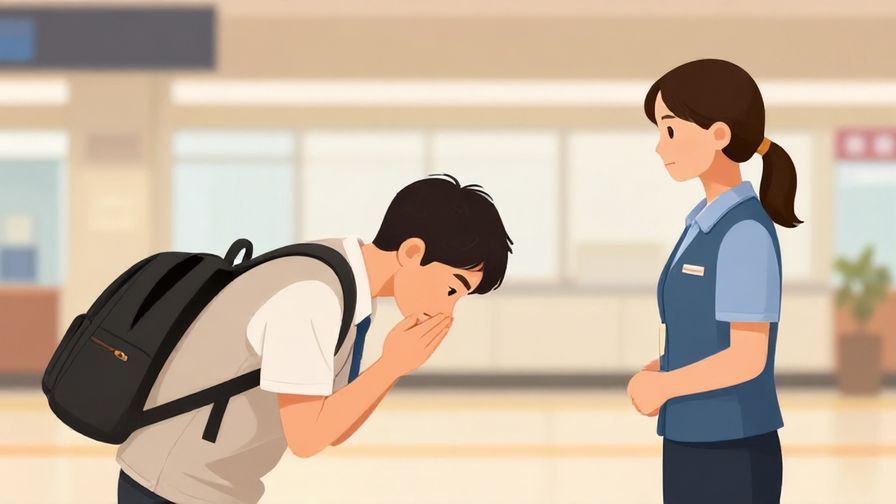
This is a very polite and respectful way to ask for directions.
教えていただけますか (oshiete itadakemasu ka) means “could you please teach/tell me,” adding formal kindness.
Use this with strangers, shop staff, or anyone you want to show respect to.
It’s a little longer but great for official or business settings.
Breaking it down: 行き方 (ikikata) means “way to go” or “directions.”
Perfect for travelers who want to be courteous and clear.
10. ここからあそこまでの行き方を教えてください。 (Koko kara asoko made no ikikata o oshiete kudasai.) – “Please tell me how to get from here to there.”

This phrase politely asks for directions between two points.
教えてください (oshiete kudasai) means “please tell me,” polite but not overly formal.
It’s a safe phrase to use in stores, hotels, or with locals you don’t know well.
It shows respect while keeping the tone friendly.
Great for when you want clear, step-by-step instructions.
Practicing this will help you sound polite and confident.
11. すみません、そこまでどう行けばよろしいでしょうか? (Sumimasen, soko made dou ikeba yoroshii deshou ka?) – “Excuse me, how should I go there?”

すみません (sumimasen) is a polite “excuse me,” great for getting attention respectfully.
よろしいでしょうか (yoroshii deshou ka) is a very polite way to say “would it be alright?”
This phrase is formal and perfect for asking someone you don’t know well.
It shows humility and respect, which is appreciated in Japan.
Use it when you want to be extra courteous and careful with your wording.
It might take a little practice, but it’s worth it for formal situations.
12. 目的地までの道順を教えてもらえますか? (Mokutekichi made no michijun o oshiete moraemasu ka?) – “Could you tell me the route to the destination?”

目的地 (mokutekichi) means “destination,” and 道順 (michijun) means “route” or “directions.”
This phrase politely asks for detailed directions to a specific place.
もらえますか (moraemasu ka) is a polite way to ask “can I receive?”
It’s useful when you want clear, step-by-step guidance.
Try this phrase in hotels or tourist centers for precise directions.
It sounds respectful and shows you value the person’s help.
13. どの電車に乗ればいいですか? (Dono densha ni noreba ii desu ka?) – “Which train should I take?”
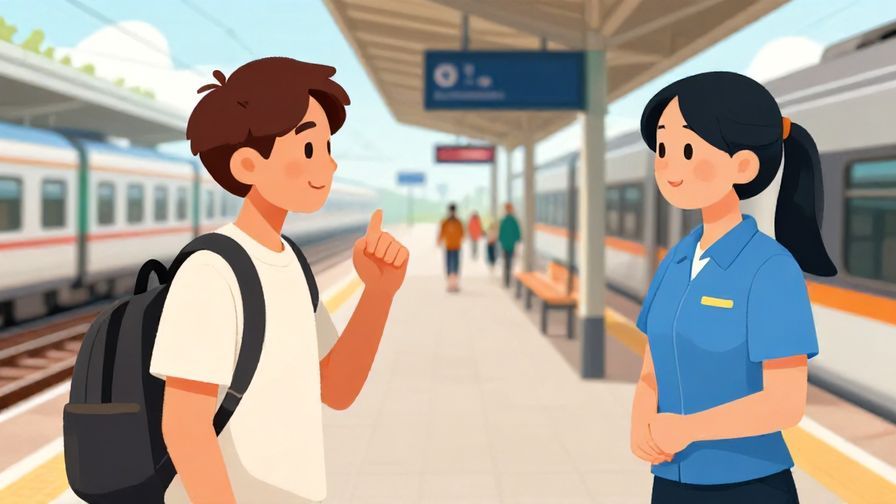
どの電車 (dono densha) means “which train,” and 乗ればいい (noreba ii) means “should ride.”
This polite phrase asks for the best train option.
It’s perfect for navigating Japan’s complex train system.
Adding ですか (desu ka) makes it polite and formal.
Great for asking station staff or information desks.
Use it to sound polite and informed.
14. タクシーで行く場合、どうすればいいですか? (Takushii de iku baai, dou sureba ii desu ka?) – “If I go by taxi, what should I do?”

This phrase politely asks about taking a taxi and what steps to follow.
場合 (baai) means “in case” or “if,” so you’re specifying the mode of transport.
It shows you’re considering options and want clear instructions.
Great for polite conversations with taxi drivers or hotel staff.
It’s a bit longer but very polite and clear.
Practice it to sound confident when choosing transport options.
15. 目的地までの最短ルートを教えていただけますか? (Mokutekichi made no saitan ruuto o oshiete itadakemasu ka?) – “Could you please tell me the shortest route to the destination?”

This polite phrase asks for the shortest or quickest route.
最短 (saitan) means “shortest,” and ルート (ruuto) is “route” (loanword).
It’s very useful when you want to save time.
Perfect to use with tourist information desks or locals.
Adding いただけますか (itadakemasu ka) makes it very polite.
Use this to get efficient directions when you’re in a hurry.
16. すみません、どの出口から出ればいいでしょうか? (Sumimasen, dono deguchi kara dereba ii deshou ka?) – “Excuse me, which exit should I leave from?”
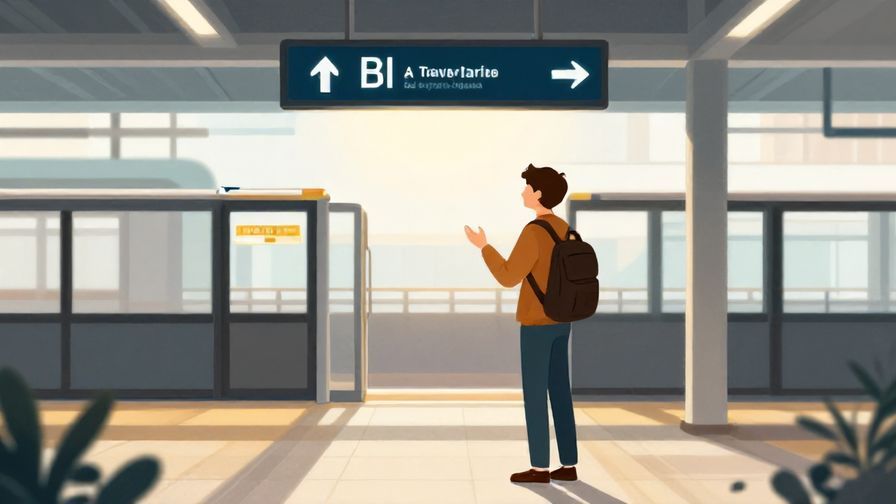
This phrase is polite and specific, great for stations or malls.
出口 (deguchi) means “exit,” and どの (dono) means “which.”
It’s useful in busy places with many exits.
Adding でしょうか (deshou ka) softens the question.
Use it to avoid confusion and get clear guidance.
It helps you navigate large, complex buildings smoothly.
Part 3: Very Casual / Native-like Expressions
17. どうやってそこ行くの? (Dou yatte soko iku no?) – “How do you get there?” (very casual)

This is a very casual, almost slangy way to ask for directions.
Dropping particles and shortening words makes it sound very native and relaxed.
Great among close friends or young people.
Not recommended with strangers or formal settings.
You’ll hear this in everyday conversations or casual chats.
Use it to sound natural and friendly with peers.
18. そこまでどう行く? (Soko made dou iku?) – “How do I get there?” (short & casual)

This is a short and sweet casual phrase.
Perfect when you want to be quick and informal.
It drops question markers for a more direct tone.
Use it with friends or younger people.
It’s easy to remember and sounds natural.
Try it when you feel comfortable with someone.
19. どっから行く? (Dokkara iku?) – “Where do I go from?” (slangy casual)

どっから is slang for どこから (doko kara), meaning “from where.”
This phrase is very casual and used in informal settings.
Great for chatting with close friends or classmates.
Not for formal or polite situations.
It’s a fun phrase to sound like a local youth.
Use it when you want to keep it light and friendly.
20. そこ、どうやって行くん? (Soko, dou yatte ikun?) – “How do you get there?” (casual Kansai dialect style)

行くん (ikun) is a casual Kansai dialect version of 行くの (iku no).
It’s common in Osaka and nearby areas.
Using this shows some regional flair and friendliness.
Great for casual conversations with Kansai natives or fans of the dialect.
It adds a friendly and local vibe to your question.
Try it if you want to impress locals with dialect knowledge.
21. ここからどうやって行くんだ? (Koko kara dou yatte ikun da?) – “How do I get from here?” (male casual)

行くんだ (ikun da) adds a masculine, casual tone.
This phrase sounds confident but friendly.
Good for casual male speakers.
Not very polite, so avoid with strangers.
Use it in relaxed settings or among friends.
It’s a common way young men ask directions informally.
22. どこ行けばいい? (Doko ikeba ii?) – “Where should I go?” (very casual)

Short and casual, this phrase asks “Where should I go?”
Dropping particles makes it very informal.
Great for quick questions among friends.
Not suitable for formal contexts.
It’s simple and easy to remember.
Try it if you want to sound spontaneous and friendly.
23. そこまでどう行くん? (Soko made dou ikun?) – “How do I get there?” (casual, shortened)

行くん (ikun) is again a casual shorthand for 行くの (iku no).
This phrase is informal and friendly.
Great for casual chats or quick questions.
It’s easy to say and sounds natural.
Use it with people you feel comfortable with.
It’s a casual way to keep your Japanese sounding smooth.
24. ここからどうやって行けば? (Koko kara dou yatte ikeba?) – “How do I get there from here?” (casual)

This phrase drops the ending particle for a very casual tone.
It’s a natural way to ask friends or acquaintances.
Good for informal settings where you want to sound relaxed.
Easy to remember and use on the go.
It’s a friendly, approachable way to ask for directions.
Try it out in everyday conversations to feel more fluent.
Concluding Thought
Learning to ask “How do I get there?” in multiple ways opens many doors—literally and figuratively—when traveling in Japan.
Each phrase you master not only helps you find your way but also connects you more deeply with the culture and people around you.
So don’t be shy to try out these expressions; every step brings you closer to becoming a confident and savvy traveler in Japan!