24 Japanese ways to ask “How Are You?
Wondering how to ask “How are you?” in Japanese? You’re in the right place.
Whether you’re chatting with friends or meeting someone new, knowing different ways to check in can make conversations flow naturally.
Japanese offers a rich variety of expressions for this simple question, each with its own vibe and nuance.
From casual catch-ups to polite exchanges, we’ll explore 24 warm, informal, and relatable ways to ask “How are you?” in Japanese.
Learning these will not only boost your confidence but also deepen your connection with the language and culture.
Ready to add some fresh phrases to your Japanese toolkit? Let’s dive in!
Getting Started: Why So Many Ways?
Japanese is full of nuance, so the way you ask “How are you?” depends on context and relationship.
Some expressions are light and casual, perfect for friends. Others show respect and formality, suited for work or new acquaintances.
Mastering a handful of these can help you respond with warmth and authenticity in any situation.

Sometimes, using a great beginner phrasebook can give you a perfect starting point for a cohesive understanding.
These expressions are easy to learn and will fit right into your daily conversations.
Plus, they show your care and interest in the other person’s feelings, which is always appreciated.
Part 1: Casual Suggestions
1. 元気? (Genki?) – “Feeling good?”

This is the most common casual way to ask “How are you?” among friends.
“元気 (Genki)” means “healthy” or “energetic,” so it’s like asking “Are you well?”
Short and sweet, it’s perfect for quick greetings.
Using just “Genki?” is friendly and informal, great for peers or younger people.
Related phrase: “元気ですか?(Genki desu ka?)” is a bit more polite but still casual.
Try it next time you meet a friend—it’s natural and warm.
2. 調子はどう? (Choushi wa dou?) – “How’s your condition?”
This phrase is a casual way to ask about someone’s general state or mood.
“調子 (Choushi)” means “condition” or “state,” while “どう (dou)” means “how.”
It’s often used among friends or coworkers to check in.
Make sure your tone is friendly to avoid sounding too formal or distant.
Example: “最近調子はどう?” (Saikin choushi wa dou?) means “How have you been lately?”
Great for keeping the conversation going naturally.
3. 元気にしてる? (Genki ni shiteru?) – “Are you doing well?”

This phrase adds a little more action by asking if someone is “being well.”
“してる (shiteru)” is the casual form of “doing,” so it literally means “Are you being well?”
It’s warm and feels like you care about how they’re doing day-to-day.
Good for friends or family you haven’t seen in a while.
A related phrase is “元気してた?” (Genki shiteta?) which means “Have you been well?”
Use it to show genuine interest in someone’s wellbeing.
4. 最近どう? (Saikin dou?) – “How’s it going lately?”

This is a casual, friendly way to ask how things have been recently.
“最近 (Saikin)” means “recently,” and “どう (dou)” means “how.”
It’s perfect for catching up after some time apart.
Keep it light to invite open conversation.
Often used among friends, coworkers, or classmates.
Try it next time you want to reconnect casually.
5. 元気?調子は? (Genki? Choushi wa?) – “Are you good? How’s it going?”

This combo packs two casual questions to double-check on someone’s wellbeing.
It’s playful and shows you’re really interested in their current mood and health.
Perfect for close friends or younger people.
Mixing these gives a warm and friendly vibe.
You might hear this in everyday Japanese conversations.
Use it to keep things lively and caring.
6. どうした? (Doushita?) – “What’s up?” or “What happened?”

This phrase literally means “What happened?” but is also used like “How are you?”
It’s casual and often used when you sense something might be off.
Great for checking in with close friends if they seem down.
Use with gentle tone to show care.
Don’t overuse it—it can sound pushy if used with strangers.
Perfect for building closeness and empathy.
7. 調子どう? (Choushi dou?) – “How’s it going?”

A shortened version of “調子はどう?” that’s very casual and friendly.
It’s quick, easy to say, and fits well in informal chats.
Good for peers and acquaintances alike.
Keep your tone upbeat to match the casual vibe.
Great starter for small talk.
Use it to invite a quick update on someone’s day.
8. 元気?どう? (Genki? Dou?) – “Are you well? How is it?”

This is a playful, double-check phrase combining “Genki?” and “Dou?”
It’s casual, upbeat, and shows you’re interested in how someone is doing overall.
Works well with friends or family.
Easy to remember because of its simplicity.
Try pairing it with a smile to boost warmth.
It’s a friendly way to start a meaningful chat.
Part 2: Polite & Formal Suggestions
9. お元気ですか? (O-genki desu ka?) – “Are you well?”

This is the polite form of “Genki?” and appropriate in formal situations.
Adding “お (O)” makes it respectful, and “ですか (desu ka?)” turns it into a question.
Use this with colleagues, superiors, or people you don’t know well.
It shows politeness and care without being too casual.
Perfect for email greetings or initial meetings.
Practice it to sound professional yet approachable.
10. いかがお過ごしですか? (Ikaga o-sugoshi desu ka?) – “How have you been?”
This is a very polite and elegant way to inquire about someone’s wellbeing.
“いかが (Ikaga)” means “how,” “お過ごし (o-sugoshi)” means “spending time,” and “ですか (desu ka?)” is the question marker.
Use it in formal letters, speeches, or with elders.
It sounds respectful and thoughtful.
Try it to impress in formal social or business settings.
It’s a beautiful phrase that conveys genuine interest.
11. ご機嫌いかがですか? (Gokigen ikaga desu ka?) – “How are you feeling?”

This phrase is a refined way to ask about someone’s mood or health.
“ご機嫌 (Gokigen)” means “mood” or “temper,” and “いかがですか?” is a polite “how is it?”
It’s often used in formal or traditional contexts.
Use it when you want to be respectful and courteous.
Great for formal social gatherings or phone calls.
It communicates care with a polished tone.
12. お変わりありませんか? (O-kawari arimasen ka?) – “Is there any change?”
This phrase politely asks if everything is the same or if any changes have occurred.
It’s often used in letters or when catching up after a long time.
“お変わり (O-kawari)” means “change,” and “ありませんか?” means “is there not?”
Good for showing respectful concern.
Use it to inquire about health or family situations.
It’s formal and kind.
13. 体調はいかがですか? (Taichou wa ikaga desu ka?) – “How is your health?”

This is a respectful way to ask about someone’s physical condition.
“体調 (Taichou)” means “physical condition” or “health.”
Useful in formal situations or when someone has been ill.
It shows you care and pay attention.
Use it in professional or caregiving contexts.
It’s polite and considerate.
14. ご機嫌よう (Gokigen you) – “I hope you are well” (formal farewell greeting)
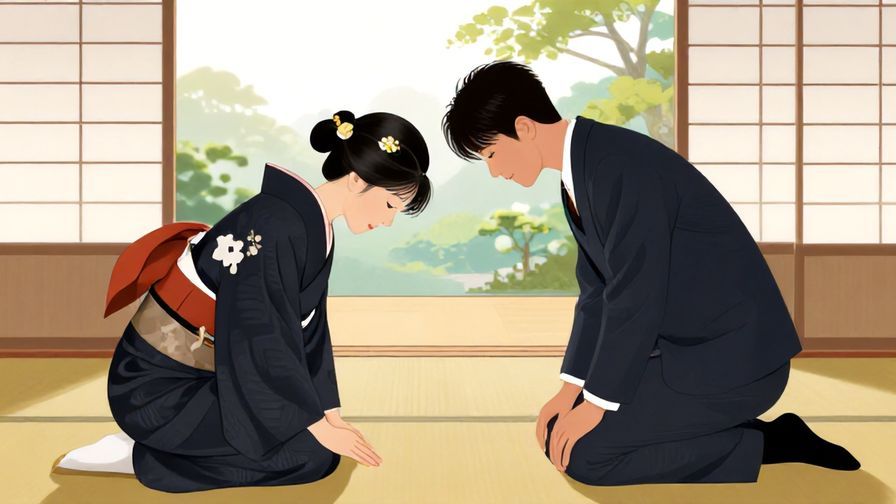
This phrase is an old-fashioned, very polite way to wish someone well.
Used more as a greeting or farewell in formal settings.
“ご機嫌 (Gokigen)” means “mood,” and “よう (you)” is a polite suffix.
It’s rarely used in daily casual speech but great for formal occasions.
Use it to show refined manners.
It leaves a graceful impression.
15. お元気でいらっしゃいますか? (O-genki de irasshaimasu ka?) – “Are you well?” (very formal)
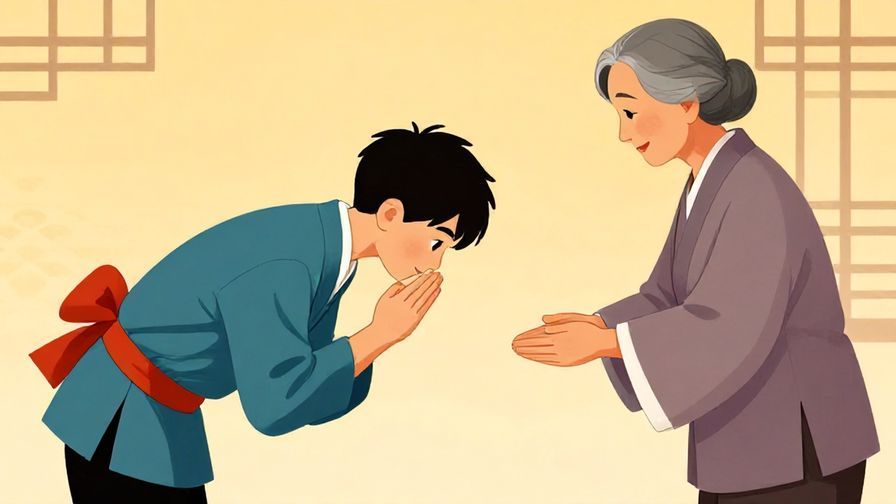
This is an extremely polite form of “Are you well?”
“いらっしゃいますか” is a very respectful verb form for “to be.”
Perfect for addressing elders or important figures.
It shows deep respect and care.
Use it carefully to match the formality needed.
It’s a strong way to show your politeness.
16. お加減はいかがですか? (O-kagen wa ikaga desu ka?) – “How is your condition?”
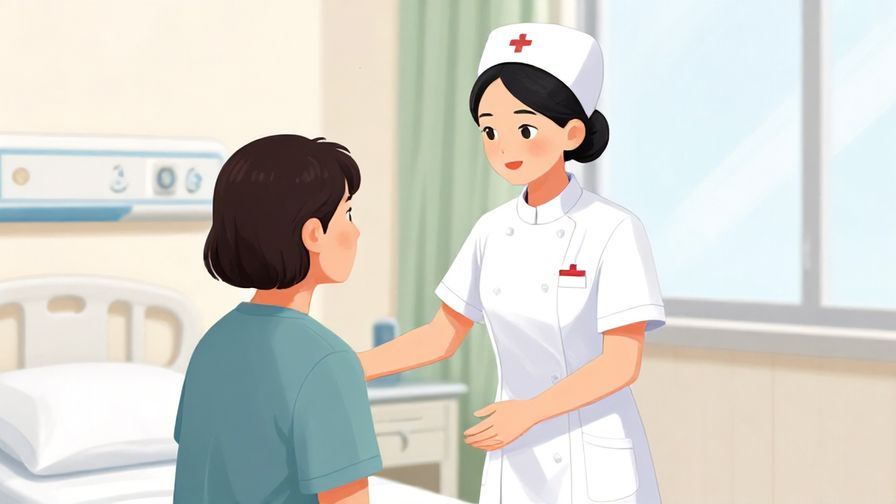
This phrase politely asks about someone’s bodily condition or comfort.
“お加減 (O-kagen)” means “condition” or “state.”
Commonly used in healthcare or formal social visits.
It shows thoughtful concern.
Use it when you want to sound mindful and caring.
It’s gentle and respectful.
Part 3: Very Casual / Native-like Expressions
17. どう? (Dou?) – “How’s it?”

This is a super casual, clipped way to say “How are you?”
It’s used mostly among close friends or younger people.
Easy to say and quick in conversation.
Perfect for casual texting or face-to-face chats.
Be careful: it might sound rude if used with strangers.
Great for sounding natural and relaxed.
18. 元気?どうしてる? (Genki? Doushiteru?) – “Are you well? What are you up to?”

This phrase combines checking wellbeing with asking what someone is doing.
“どうしてる (Doushiteru)” means “What are you doing?” or “How are you doing?”
It’s a natural way to start a friendly conversation.
Great for social media or casual talk.
Keeps things light but interested.
Try it with friends you haven’t seen in a bit.
19. 調子どう?元気? (Choushi dou? Genki?) – “How’s it going? You good?”

This double phrase is casual and energetic.
It shows you care about both mood and health.
Common among young people and close friends.
Easy to remember and say.
It makes the conversation feel lively.
Use it to keep things upbeat.
20. 元気してる? (Genki shiteru?) – “Are you doing well?”

This is a casual way to ask if someone is in good spirits.
It’s common in everyday conversation among friends.
Easy to pronounce and remember.
Use it to check on someone casually.
It invites a friendly response.
Perfect for texts or quick chats.
21. 調子いい? (Choushi ii?) – “Are you doing good?”

This is a casual phrase asking about someone’s condition or mood.
“いい (ii)” means “good.”
It’s short and easy for informal use.
Used among friends or teammates.
Sound enthusiastic to match the phrase’s tone.
Great for sports or casual meetups.
22. 元気?どう?最近は? (Genki? Dou? Saikin wa?) – “You good? How’s it? Lately?”

This combined phrase is a casual way to check in on someone’s recent wellbeing.
It feels natural and dynamic.
Good for texts or casual meet-ups.
Use it to keep the conversation flowing.
It’s easy to remember and friendly.
Perfect for casual check-ins.
23. どう元気? (Dou genki?) – “How’s your energy?”
This one asks about someone’s energy or spirit.
It’s a short, casual phrase.
“どう (Dou)” means “how,” “元気 (Genki)” means “energy.”
Great for friends or family.
It shows you care about their vitality.
Use it to sound lively and informal.
24. 最近どうしてる? (Saikin doushiteru?) – “What have you been up to lately?”

This is a casual and warm way to ask how someone’s been doing recently.
“最近 (Saikin)” means “lately,” and “どうしてる (Doushiteru)” means “what are you doing?”
It invites stories and updates.
Great for reconnecting or casual catch-ups.
Sounds friendly and interested.
Perfect for everyday use.
Concluding Thought
Exploring these 24 ways to ask “How are you?” in Japanese is like opening a door to warmer, more authentic conversations.
Each expression fits a different situation, helping you connect with people naturally and respectfully.
Remember, the key to great language learning is practice and genuine curiosity—so go ahead, try these out, and enjoy the connections you build!