24 Japanese ways to ask “Do You Want to Go Together?
Asking someone to go somewhere together in Japanese can be simple or nuanced, depending on your relationship and the situation.
Whether you’re inviting a friend out casually or making a polite offer, there’s a phrase to fit every vibe.
It’s fun to explore these different ways, and it can boost your confidence in any social setting.
Each phrase has its own flavor, from casual to formal, and even native-like expressions that sound natural and warm.
Learning these will make your Japanese sound more relatable and friendly, opening doors to better conversations.
Let’s dive into 24 great ways to say “Do you want to go together?” in Japanese, with easy pronunciation guides!
Understanding the Basics Before You Ask
Before we jump into the phrases, it’s good to know the key words involved in asking someone to go together.
Words like 行く (いく, iku) meaning “to go,” 一緒に (いっしょに, issho ni) meaning “together,” and どう? (dou?) meaning “how about?” are essential building blocks.
These bits combine in different ways to make your invitation friendly, polite, or casual.
Starting with a solid phrasebook can really help you get a feel for how these words work in real life.
Try this beginner phrasebook for practical examples.
Once you’re comfortable, mixing and matching these key words will feel natural.
Part 1: Casual Suggestions
1. 一緒に行かない? (Issho ni ikanai?) – “Shall we go together?”

This is a common, casual way to invite someone to go together.
一緒に (issho ni) means “together,” and 行かない (ikanai) is the negative casual form of “to go,” turning it into a soft invitation: “Won’t you go together?”
It sounds friendly and is great for peers and friends.
Because it’s a question ending with ない, it feels light and easygoing.
You might hear this among classmates or coworkers when making plans.
It’s a perfect phrase to start practicing inviting people naturally!
2. 一緒に行こうよ! (Issho ni ikou yo!) – “Let’s go together!”

This phrase is more enthusiastic and inviting.
行こう (ikou) is the volitional form of “go,” which means “let’s go.” Adding よ (yo) adds excitement and encouragement.
Use this with friends when you want to sound upbeat and friendly.
Be careful not to overuse it with people you don’t know well—it can feel too forward.
Example: “一緒に行こうよ!新しいカフェに。” (“Issho ni ikou yo! At the new café.”)
Great for casual invites that show you’re really looking forward to it.
3. 一緒にどう? (Issho ni dou?) – “How about going together?”

This phrase is simple and open-ended.
どう (dou) means “how” or “what about,” so this is a gentle way to ask if they want to join you.
It’s perfect for casual situations where you want to sound considerate.
It works well because it’s not pushy—just an invitation for consideration.
People might respond with a yes or suggest an alternative.
Try it out in relaxed conversations!
4. 一緒に行かない? (Issho ni ikanakya?) – “Shall we go together?” (slightly slangy)

This is a shortened, casual version of the question “won’t you go together?”
行かない (ikanai) often becomes 行かなくちゃ (ikanakucha) meaning “have to go,” and this one is clipped to ikanakya.
It gives off a friendly, informal vibe, perfect with close friends.
It’s a great phrase to sound natural and a bit playful.
Use it when you want to be casual but still clear in your invite.
Just remember it’s slangy, so better for informal conversations.
5. 一緒に行ってみない? (Issho ni itte minai?) – “Want to try going together?”
This phrase adds a sense of “giving it a try.”
行ってみない (itte minai) is a casual way to say “want to go and see how it is?”
It’s perfect when inviting someone to something new or uncertain.
The tone is gentle and curious, inviting without pressure.
Great for suggesting something that might be fun to explore together.
This phrase makes your invitation sound approachable and low-key.
6. 一緒に行かへん? (Issho ni ika hen?) – Kansai dialect for “Shall we go together?”

This is the Kansai dialect version of “won’t you go together?”
行かへん (ika hen) replaces the standard 行かない (ikanai) for a regional casual flavor.
Use it if you’re learning dialect or want to sound local in Kansai.
It’s friendly and laid-back, great for inviting friends in Osaka or Kyoto.
Just be aware it might confuse people from other regions.
Fun to use if you want to practice dialect diversity!
7. 一緒に行こうか? (Issho ni ikou ka?) – “Shall we go together?” (casual suggestion)

This phrase uses the volitional form 行こう (ikou) with か (ka) to turn it into a casual question.
It’s like “Shall we go together?” in a thoughtful, suggestive way.
Great for friends or colleagues to propose plans without pressure.
It’s polite enough but still casual and easygoing.
Try it when you want to sound considerate yet inviting.
It’s a neat balance of friendliness and clarity.
8. 一緒に行きたい? (Issho ni ikitai?) – “Do you want to go together?”

This one directly asks if the other person wants to go together.
行きたい (ikitai) means “want to go,” so adding 一緒に makes it “want to go together?”
It’s straightforward and friendly, good for close friends or partners.
Use it when you want to check their interest clearly.
It sounds warm and caring without being too formal.
Great to express genuine interest in their company.
Part 2: Polite & Formal Suggestions
9. 一緒に行きませんか? (Issho ni ikimasen ka?) – “Would you like to go together?”

This is polite and formal, perfect for coworkers or acquaintances.
行きませんか is the negative question form of “to go,” making it a polite invitation.
It’s respectful and widely used in more formal settings.
Great when you want to maintain professionalism while inviting.
Example: “今度、一緒に行きませんか?” (“Shall we go together next time?”)
Using this phrase shows good manners and consideration.
10. ご一緒にいかがですか? (Go issho ni ikaga desu ka?) – “How about going together?” (formal)
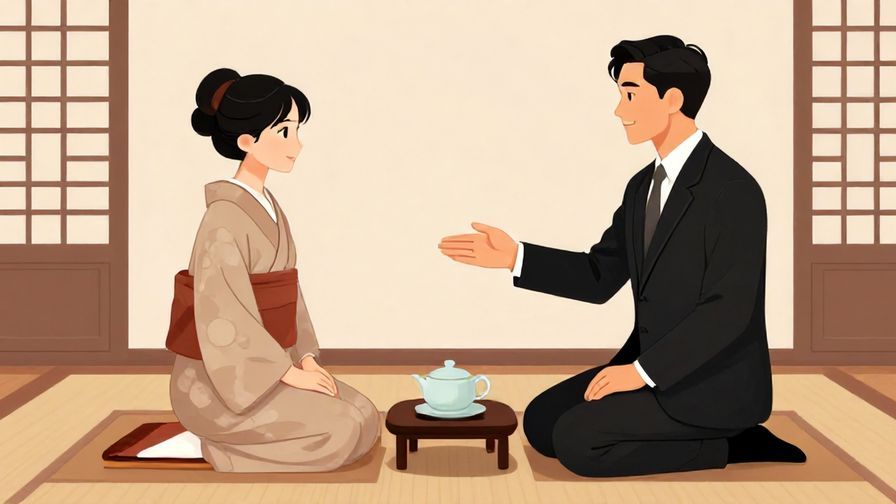
This is a very polite way to invite someone.
ご一緒に (go issho ni) is a respectful version of “together,” and いかがですか means “how about?”
Perfect for business or formal social events.
It sounds refined and considerate without being pushy.
Use it when you want to impress good manners and politeness.
It’s less common in casual talk but excellent in formal invitations.
11. ご一緒していただけませんか? (Go issho shite itadakemasen ka?) – “Would you do me the honor of going together?”

This phrase is very polite and humble.
していただけませんか is a respectful request form meaning “would you kindly do…?”
It’s great for formal occasions or when addressing superiors.
It shows humility and respect in your invitation.
Use it carefully, as it can sound too formal for casual friends.
Perfect for business or formal social invitations.
12. ご都合がよろしければ、一緒にいかがでしょうか? (Go tsugou ga yoroshikereba, issho ni ikaga deshou ka?) – “If it’s convenient, shall we go together?”

This phrase is very polite and considerate.
It implies respect for the other’s schedule and preferences.
Perfect for business or formal social situations.
It sounds gentle and leaves room for the person to decline.
Good for maintaining harmony and respect.
Use it when you want to be extra thoughtful in your invitation.
13. よろしければ、一緒に行きませんか? (Yoroshikereba, issho ni ikimasen ka?) – “If it’s alright, would you like to go together?”

This is a polite and soft invitation.
よろしければ means “if it’s alright,” making it a gentle ask.
It’s good for acquaintances and polite settings.
It shows you care about the other person’s comfort.
Use it to be kind and respectful when inviting.
It’s less formal than some other options but still polite.
14. よろしければ、ご一緒しませんか? (Yoroshikereba, go issho shimasen ka?) – “If you don’t mind, shall we go together?”

This phrase politely asks if the other person would like to join you.
It uses the humble ご一緒 (go issho) and polite negative question しませんか。
Great for formal or semi-formal invitations.
It’s respectful yet warm enough for social outings with coworkers.
Use it to balance professionalism and friendliness.
It’s a great go-to for polite social invitations.
15. お時間があれば、一緒に行きませんか? (Ojikan ga areba, issho ni ikimasen ka?) – “If you have time, would you like to go together?”

This phrase respectfully asks about availability before inviting.
お時間があれば means “if you have time,” showing consideration.
It’s polite and thoughtful, good for acquaintances.
Use it to soften your invitation and be considerate.
It encourages a positive response by showing you value their schedule.
Perfect for polite invitations where you want to be careful.
16. お忙しいところ恐縮ですが、一緒にいかがでしょうか? (Oisogashii tokoro kyoushuku desu ga, issho ni ikaga deshou ka?) – “I know you’re busy, but how about going together?”

This is a very polite and humble invitation acknowledging the other’s busy schedule.
It shows respect and softens the invitation.
Great for business contexts or when inviting superiors.
Use it when you want to be especially courteous and respectful.
Though formal, it expresses genuine thoughtfulness.
Perfect for delicate social situations.
Part 3: Very Casual / Native-like Expressions
17. 一緒に行かへん? (Issho ni ika hen?) – Kansai casual “Wanna go together?”

This is Kansai dialect and very casual.
It feels like “Wanna go together?” in a friendly, easygoing way.
Great for use with close friends in Kansai region.
It’s natural and warm but slangy.
Try it for a local touch if you’re practicing dialects.
Fun and relatable in casual situations.
18. 一緒に行こっか? (Issho ni ikokka?) – “Shall we go together?” (casual, friendly)

This is a native-like casual phrase.
行こっか is a contraction of 行こうか, making it sound more relaxed.
Use it with friends or people you’re close to.
It sounds natural and inviting without formality.
Great for everyday conversation.
It’s warm and easy to say.
19. 一緒に行かん? (Issho ni ikan?) – Casual “Wanna go together?”

This is a casual, shortened form mostly used in western Japan.
行かん is a dialect form of 行かない.
It feels friendly and informal.
Use it with people you know well.
It’s great for sounding natural and relaxed.
Fits well in casual chats.
20. 一緒に行く? (Issho ni iku?) – “Go together?” (very casual)

This is the shortest and most casual way.
Just “Go together?” with an inviting tone.
It’s perfect among very close friends or siblings.
Keep in mind it’s quite informal and may sound blunt otherwise.
Use it in relaxed, easygoing contexts.
It’s the quickest way to ask!
21. 一緒に行こー! (Issho ni ikou!) – “Let’s go together!” (casual, enthusiastic)

This is a friendly, upbeat invitation.
行こー is a lengthened and enthusiastic volitional.
It sounds excited and warm.
Use it to show you’re really looking forward to going.
Perfect for inviting close friends or family.
It adds energy and fun to your invite.
22. 一緒にどうする? (Issho ni dousuru?) – “What shall we do together?”

This is a casual, natural way to suggest going together.
どうする means “what to do,” so it invites planning together.
It’s great for initiating plans without sounding pushy.
Use it with people you’re close to for relaxed planning.
It opens conversation for mutual ideas.
It feels friendly and collaborative.
23. 一緒に行く?どう? (Issho ni iku? Dou?) – “Go together? How about it?”

This is a very casual double question invite.
It’s like “Go together? How about it?” making the invitation playful.
Great for friends you’re comfortable joking around with.
It invites an easy yes or no.
Use it for quick, spontaneous invites.
It’s informal and warm.
24. 一緒に行こうぜ! (Issho ni ikou ze!) – “Let’s go together!” (masculine, casual)

This is a masculine, casual way to say “Let’s go together!”
ぜ (ze) adds a rough, energetic flair, often used by men.
It sounds confident and casual.
Use it with close male friends or in informal groups.
It’s great to show enthusiasm and camaraderie.
Perfect for energetic outings or adventures.
Concluding Thought
Exploring these 24 phrases shows just how rich and varied Japanese invitations can be.
From casual chats with friends to polite offers in formal settings, there’s a way to express your intent warmly and naturally.
Keep practicing these phrases and you’ll find inviting others becomes effortless and fun in any situation!