24 Japanese ways to ask “Can I See the Menu?
If you’ve ever found yourself in a cozy café or a bustling restaurant in Japan and wanted to ask for the menu, you know how handy a few simple phrases can be.
Japanese offers many warm and polite ways to say “Can I see the menu?” that suit different settings — from casual diners to formal dinners.
Whether you’re a beginner or just looking to mix it up, learning these phrases will help you feel more confident and connected.
In this listicle, we’ll explore 24 practical Japanese expressions you can use to ask for the menu, plus some fun tips to remember them.
Mastering these will make your dining experiences smoother and more enjoyable, and maybe even spark some new friendships along the way!
Ready to dive in and impress your hosts? Let’s get started with the first set of casual, easy-to-use expressions.
Basic Ways to Ask for the Menu
When you want to keep it simple and clear, these phrases are perfect starters.
They work great in casual restaurants, street food vendors, or when you’re just starting to get comfortable speaking Japanese.
Simple words, big impact.

Sometimes, a handy phrasebook for menu requests can really boost your confidence and keep you on track.
Short and sweet phrases make the interaction smooth, helping you feel more at ease.
Start with these and build your skills gradually for a natural flow.
Part 1: Casual Suggestions
1. メニューを見せてください (Menyū o misete kudasai) – “Please show me the menu.”

This is one of the most straightforward and polite ways to ask for the menu.
“Menyū” means “menu,” “o” is a polite object marker, “misete” comes from “miseru” (to show), and “kudasai” means “please.” Together, it’s a polite request.
It’s perfect for beginners who want to sound respectful without being too formal.
Keep this phrase handy—it’s useful everywhere!
If you want to be even more polite, you can add “sumimasen” (excuse me) before it.
Using this phrase will make your request clear and warmly received.
2. メニューをください (Menyū o kudasai) – “Menu, please.”

This is a super simple way to ask for the menu by saying “Menu, please.”
It drops the verb “show” and just directly requests the menu itself with “kudasai” for politeness.
It’s casual but respectful, great for informal spots.
Be mindful that tone matters; a gentle voice helps keep it polite.
It’s easy to remember and quick to use when you want to keep things light.
Try pairing it with a smile for the perfect combo.
3. メニューありますか? (Menyū arimasu ka?) – “Do you have a menu?”

This phrase is a gentle way to inquire if a menu is available.
“Arimasu” means “there is” or “have,” and “ka” turns it into a question.
It’s helpful in places where menus might not be obvious or common.
It’s polite but a bit more casual than a direct request.
If the answer is yes, you can then say “見せてください” (misete kudasai) to ask to see it.
Great for starting the conversation smoothly.
4. メニュー見てもいいですか? (Menyū mite mo ii desu ka?) – “Is it okay if I look at the menu?”
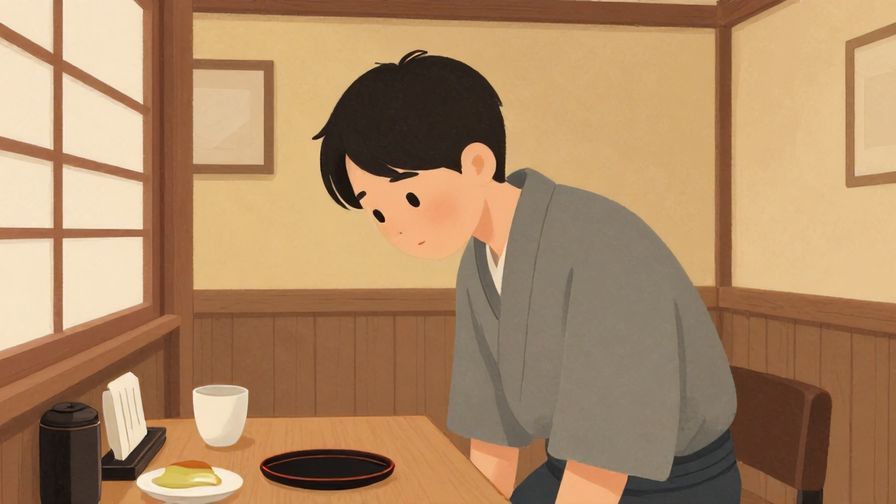
This is a gentle and polite way to ask permission to look at the menu.
“Mite mo ii desu ka” literally means “Is it okay to look?”
It’s a bit more formal and shows respect for the restaurant’s rules or customs.
Great if you want to be extra courteous in a fine dining setting.
It’s also a nice phrase to learn to gain confidence in making polite requests.
Using this will definitely put you in good favor with staff.
5. メニューを見せていただけますか? (Menyū o misete itadakemasu ka?) – “Could you please show me the menu?” (very polite)

This is a super polite and respectful way to ask for the menu.
“Itadakemasu ka” adds a humble and honorific tone to the request.
It’s excellent for formal occasions or when you want to impress with your politeness.
Though longer, it’s easy to use if you memorize it in chunks.
Pair it with a gentle bow for a perfect effect.
Perfect for business dinners or fancy dates.
6. メニュー見れますか? (Menyū miremasu ka?) – “Can I see the menu?” (casual polite)

This phrase is a casual yet polite way to ask if you can see the menu.
“Miremasu” is the potential form of “miru” (to see), meaning “can see.”
It’s softer than a direct command but still clear.
Great for younger speakers or informal places.
You can easily remember it by thinking “menu + can see + question.”
It’s a natural and friendly way to ask.
7. メニューちょうだい (Menyū chōdai) – “Menu, please” (very casual)

This is a very casual and friendly way to ask for the menu among friends or in relaxed places.
“Chōdai” means “give me” but is informal, so use only with people you know or at casual spots.
Not recommended in formal situations, but it’s great to sound native-like among peers.
Easy to remember since it’s short and direct.
Use it to practice casual speech with friends or younger people.
It’s a fun phrase to add to your Japanese toolkit!
8. メニュー見せてくれる? (Menyū misete kureru?) – “Can you show me the menu?” (casual)

This is a casual but kind request to see the menu.
“Kureru” indicates the action is done for the speaker, making it sound friendly.
It’s perfect for informal settings or with staff you’re familiar with.
Think of it as “Could you show me?” with a soft tone.
It’s a useful phrase to practice conversational Japanese.
Try it out in smaller restaurants or izakayas for a natural feel.
Part 2: Polite & Formal Suggestions
9. メニューを拝見してもよろしいでしょうか? (Menyū o haiken shite mo yoroshii deshō ka?) – “May I have the honor of seeing the menu?”
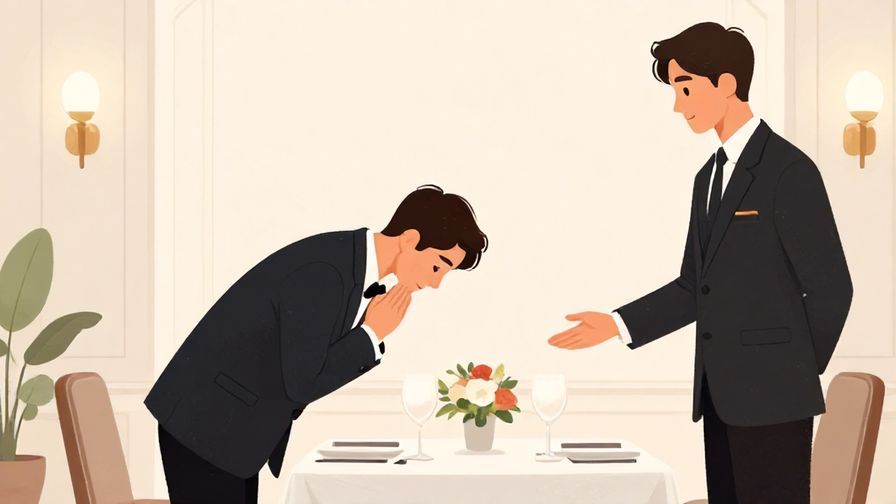
This is a very formal and humble way to ask to see the menu.
“Haiken” means “to humbly see,” and “yoroshii deshō ka” is a polite way to ask permission.
It’s perfect for business meals or ceremonies.
Though it sounds complex, breaking it into parts helps memorization.
It shows deep respect and is rarely used in casual places.
Using this phrase elevates your Japanese and impresses native speakers.
10. メニューを拝見させていただけますか? (Menyū o haiken sasete itadakemasu ka?) – “Could I humbly look at the menu?”
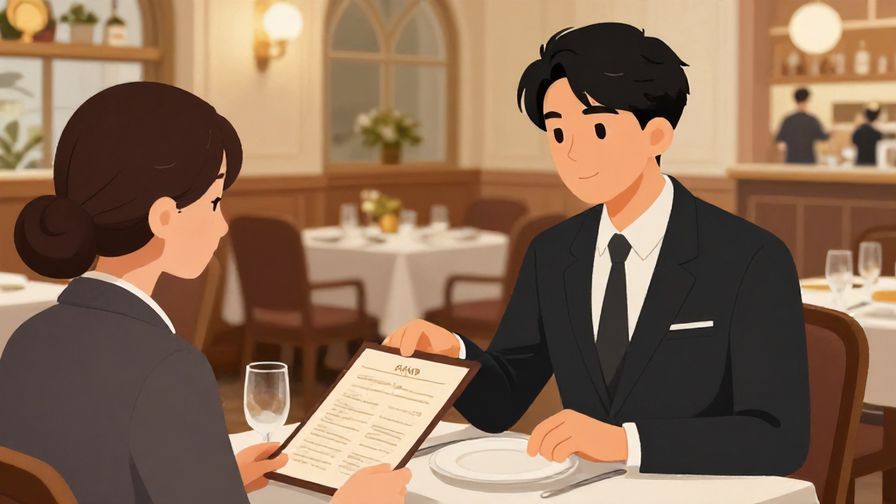
This phrase is a humble and very polite form to request seeing the menu.
It combines “haiken” with “sasete itadakemasu ka” to ask permission humbly.
Great for formal dinners or when you want extra politeness.
Take your time to practice it in smaller chunks for easier learning.
Native speakers appreciate this level of respect in fancy settings.
Perfect phrase to have ready for special occasions.
11. メニューを拝見いたしてもよろしいでしょうか? (Menyū o haiken itashite mo yoroshii deshō ka?) – “May I humbly look at the menu?” (very formal)
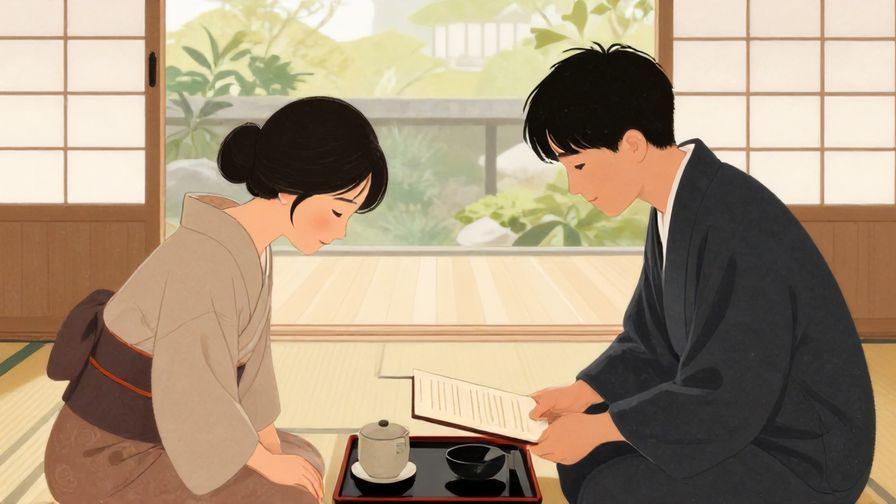
This is an even more formal and humble expression.
“Itashite” is the humble form of “to do,” adding respect.
Use it only in the most formal or traditional settings.
It may sound stiff but shows you truly honor the host.
Break it down into “haiken itashite” and “yoroshii deshō ka” to practice.
This phrase is perfect if you want to master keigo (honorific language).
12. メニューをお見せいただけますか? (Menyū o omise itadakemasu ka?) – “Could you kindly show me the menu?”

“Omise itadakemasu ka” is another polite request form.
“Omise” means “to show,” with honorific prefix “o,” and “itadakemasu ka” is humble permission asking.
It’s polite but flows naturally in many restaurants.
Good for polite daily use without sounding too stiff.
Easy to memorize by focusing on “omise” and “itadakemasu ka.”
A great phrase to use when you want to sound respectful but not overly formal.
13. メニューをご覧になれますか? (Menyū o goran ni naremasu ka?) – “Can you look at the menu?” (honorific)

This uses “goran ni naru,” a respectful way to say “to look.”
It’s used when speaking to customers or guests in formal contexts.
Perfect for staff or polite requests in high-class places.
It might sound a bit formal for casual diners but excellent for polite conversation.
Try to remember “goran ni naru” as a key honorific phrase.
Use this to show careful respect when needed.
14. メニューを拝見してもよろしいですか? (Menyū o haiken shite mo yoroshii desu ka?) – “Is it okay if I look at the menu?”
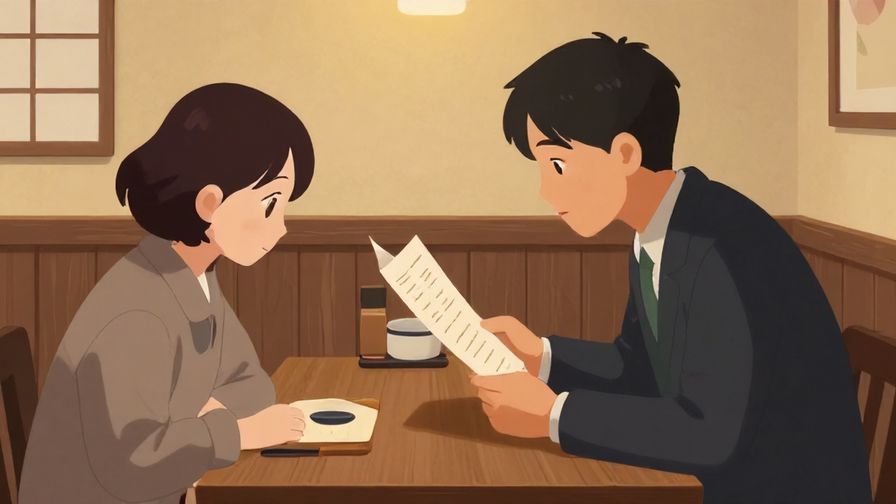
A polite and humble way to ask permission.
Good for formal settings that aren’t too stiff.
“Haiken shite mo yoroshii desu ka” means “Is it alright if I humbly look?”
Simple to learn in parts and easy to use.
Great phrase to politely test the waters before looking.
Try it next time you want to be courteous but relaxed.
15. メニューを拝見させてください (Menyū o haiken sasete kudasai) – “Please let me see the menu.”

This phrase is polite and humble, asking for permission.
“Sasete kudasai” means “please let me do (something).”
It’s respectful without being overly formal.
Easy to practice by splitting the phrase into chunks.
Useful for everyday polite conversations.
Try this as your go-to polite phrase.
16. メニューを拝見できますか? (Menyū o haiken dekimasu ka?) – “Can I humbly look at the menu?”
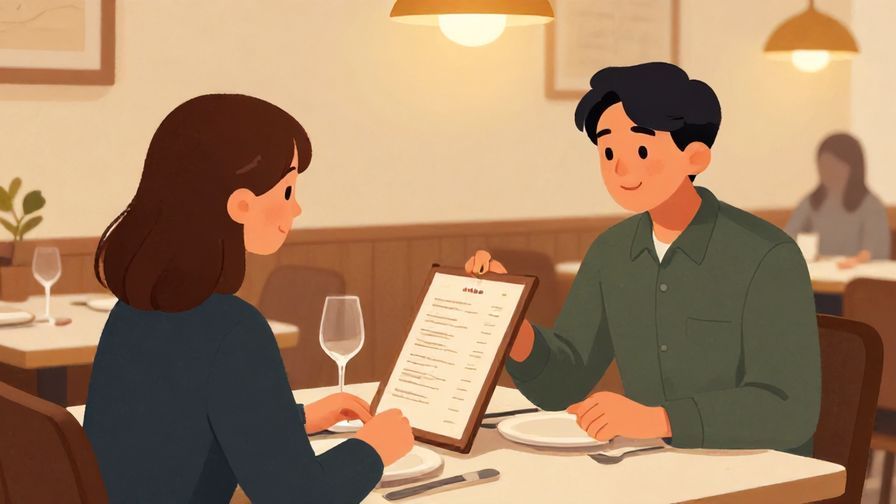
A polite question form combining humble “haiken” with “dekimasu ka” (can I?).
It’s both respectful and clear.
Great for polite but direct requests.
Helpful to think of the phrase in two parts: “haiken + dekimasu ka.”
Use it when you want to sound polite but not too stiff.
This phrase fits many dining contexts well.
Part 3: Very Casual / Native-like Expressions
17. メニュー見ていい? (Menyū mite ii?) – “Is it okay if I look at the menu?” (very casual)

This is a quick, casual way to ask to see the menu, often used among friends.
“Mite ii?” means “Is it okay to look?” in a relaxed tone.
Perfect for informal settings or with close acquaintances.
Not for use with strangers or formal situations.
Easy to remember as it’s short and to the point.
Great for practicing natural, native-like speech.
18. メニュー見たいんだけど (Menyū mitain dakedo) – “I want to see the menu, but…” (casual)
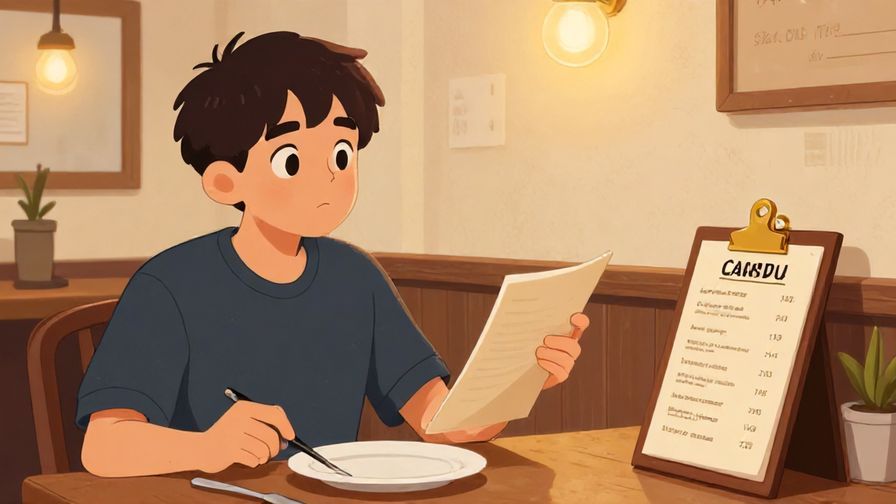
A casual and slightly indirect way to express desire to see the menu.
“Mitain” is a casual form of “mitai” (want to see), and “dakedo” softens the request.
It’s friendly and natural among peers.
Best used in informal settings or with friends.
Good phrase to sound more conversational.
Try it to add variety to your expressions.
19. メニュー見せてよ (Menyū misete yo) – “Show me the menu!” (very casual)

This is a very casual and direct way to ask for the menu.
“Yo” adds emphasis and friendliness but is informal.
Use only with close friends or in laid-back environments.
Not suitable for polite or formal situations.
Easy to remember due to its short and punchy style.
Great for sounding like a native in casual speech.
20. メニュー見せてくんない? (Menyū misete kunnai?) – “Won’t you show me the menu?” (casual slang)
This is a slangy, casual way to ask someone to show the menu.
“Kunnai” is a casual negative question form, softening the request.
Used among friends or in relaxed settings.
Sounds very natural but inappropriate for formal places.
Good for practicing informal Japanese nuances.
Try it to get a feel for native casual speech.
21. メニュー見てみて (Menyū mite mite) – “Take a look at the menu” (casual suggestion)
This phrase is like saying “Go ahead and look at the menu.”
“Mite mite” is a casual and friendly way to urge someone to look.
Great for friends or family when sharing the menu.
It’s informal and warm.
Easy to remember with repetition “mite mite.”
Perfect for playful, lighthearted moments.
22. メニューどこ? (Menyū doko?) – “Where’s the menu?” (very casual)

This is a very casual and direct way to ask where the menu is.
“Doko” means “where,” so you’re literally asking “Menu, where?”
Good for informal settings or when menus aren’t obvious.
Not polite enough for formal situations.
Easy to remember and quick to use.
Use it only if you’re comfortable sounding casual.
23. メニュー見たいな (Menyū mitai na) – “I kinda want to see the menu” (casual, soft)

A soft and casual way to express interest in seeing the menu.
“Mitai na” adds a casual, “kind of” feeling to the phrase.
Great for sounding natural and non-demanding.
Good among friends or casual conversations.
Easy to remember as it feels like everyday speech.
A nice phrase to soften your requests.
24. メニューちょっと見せて (Menyū chotto misete) – “Show me the menu for a second” (casual)

This is a casual and friendly way to ask for a quick look at the menu.
“Chotto” means “a little” or “for a second,” keeping the request light.
Great for casual spots or when you just want a quick glance.
Easy to use and remember.
Pairs well with a smile and eye contact.
Try this phrase to sound approachable and kind.
Concluding Thought
From polite to casual, these 24 Japanese phrases give you a rich toolkit for asking to see the menu in any dining situation.
Learning a mix of these will help you navigate Japanese restaurants more smoothly and feel more connected to the culture.
So next time you’re hungry in Japan, try one of these out—and enjoy your meal with confidence!