24 Japanese ways to ask “Can I Pay Here?
Ever found yourself at a Japanese store or restaurant wondering, “How do I ask if I can pay here?”
It’s a simple question but can feel tricky when you’re still learning the language.
Luckily, Japanese offers plenty of ways to ask this politely, casually, or with a bit of flair.
Whether you’re a beginner or looking to sound more natural, we’ve got you covered.
Mastering these phrases can make your shopping or dining experience smoother and more enjoyable.
Ready to dive into 24 easy and relatable ways to say “Can I pay here?” in Japanese? Let’s get started!
Understanding the Basics
Before jumping into the phrases, it’s helpful to know some key words.
“払う” (はらう, harau) means “to pay,” and “ここ” (koko) means “here.” Combining these makes many of the phrases intuitive.
Also, adding “いいですか?” (ii desu ka?) means “Is it okay?” or “Can I?” — a polite way to ask permission.
Sometimes, a good language resource can make picking up these phrases a breeze.
Once you get the hang of these building blocks, using the phrases below becomes much easier.
And remember, practice makes perfect!
Part 1: Casual Suggestions
1. ここで払ってもいいですか? (Koko de haratte mo ii desu ka?) – “Is it okay if I pay here?”
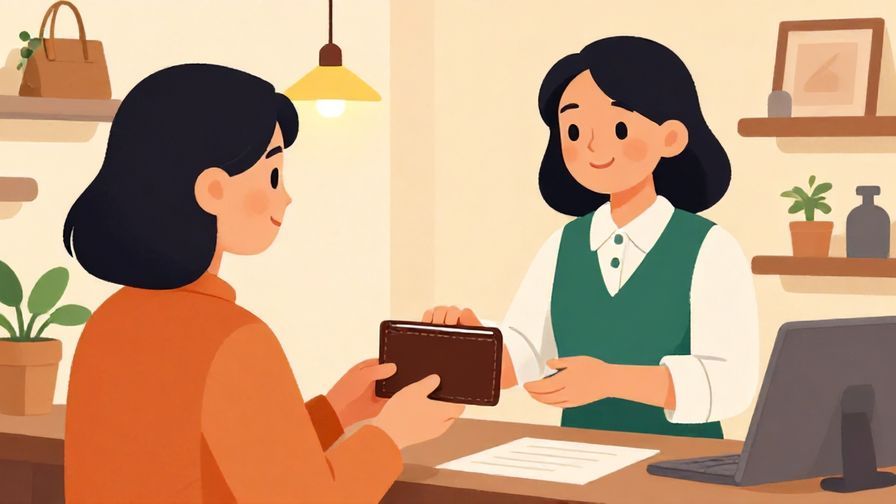
This is a straightforward, polite way to ask if you can pay here.
“ここで” (koko de) means “here,” “払って” (haratte) is the te-form of “pay,” and “もいいですか?” (mo ii desu ka?) asks for permission.
It’s great for any situation, whether at a cafe or convenience store.
Using this phrase shows respect and is easy to remember.
If you want to sound extra polite, just add “すみません” (sumimasen) before it to say “Excuse me.”
This phrase will serve you well on your first few trips to Japan!
2. ここで支払えますか? (Koko de shiharaemasu ka?) – “Can I pay here?”

“支払えますか?” (shiharaemasu ka?) is a formal way to ask if payment is possible here.
It’s a bit more businesslike but still polite and easy to use.
Good for stores where you want to confirm payment options quickly.
Be careful not to sound too abrupt by adding a softener like “すみません” (sumimasen).
For example, “すみません、ここで支払えますか?” feels natural and respectful.
It’s a useful phrase for confident beginners wanting to sound clear and polite.
3. ここで払えますか? (Koko de haraemasu ka?) – “Can I pay here?”

This is a simpler, slightly more casual version of the previous phrase.
“払えますか?” (haraemasu ka?) is the potential form of “pay,” meaning “can pay.”
It’s polite enough in most everyday situations.
Because it’s shorter, it’s quicker to say and remember.
Just add a smile and a “すみません” for smooth communication.
Great for cafes or small shops where the vibe is relaxed.
4. ここで支払ってもいいですか? (Koko de shiharatte mo ii desu ka?) – “Is it okay to pay here?”

This phrase mixes permission and possibility, making it very polite.
“支払ってもいいですか?” (shiharatte mo ii desu ka?) literally asks, “Is it okay if I pay?”
It’s perfect for formal or unfamiliar settings.
Using “もいいですか?” softens the question and shows respect.
For example, in a fancy restaurant, this phrase fits perfectly.
Try to pair it with a slight bow or polite tone for best effect.
5. ここで払っていい? (Koko de haratte ii?) – “Can I pay here?” (casual)
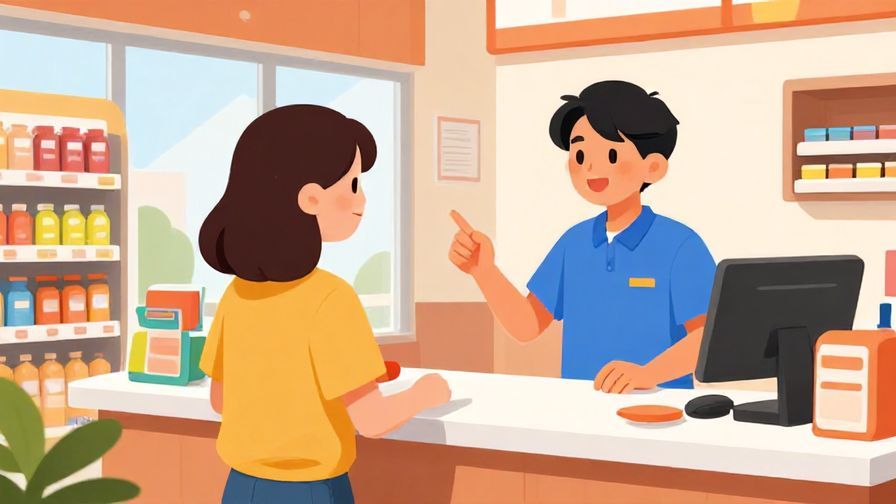
When you’re with friends or in a casual setting, this phrase works well.
Dropping “も” and “ですか” makes it informal but still understandable.
It’s a quick way to ask without sounding stiff.
Great for use in casual eateries or markets.
Note: Avoid using this with strangers or in formal places.
Perfect for those aiming for a natural, native-like tone with friends.
6. ここで払う? (Koko de harau?) – “Pay here?” (very casual)
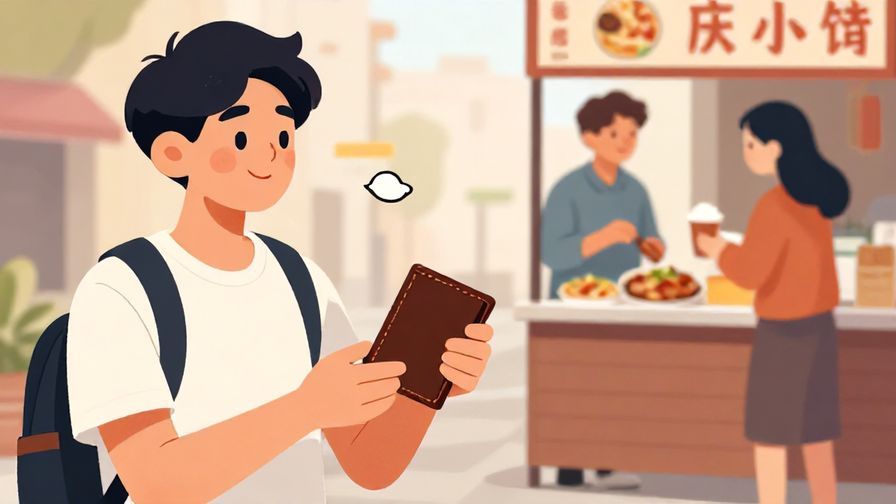
Super casual and short, this phrase is how close friends might confirm payment.
It’s basically “Pay here?” without formalities.
Use this only with people you know well.
It’s easy to remember and sounds very natural.
Not suitable for shops or strangers.
If you want to sound native in casual situations, this is a go-to.
7. ここで払ってもいい? (Koko de haratte mo ii?) – “Is it okay to pay here?” (casual)

This phrase is a friendly but casual way to ask permission.
The “もいい?” ending is a relaxed version of “もいいですか?”
It works well in informal shops or markets.
It’s polite enough for everyday use without sounding stiff.
Great for travelers trying to sound approachable.
Adding a smile makes a big difference here.
8. ここで払っていいですか? (Koko de haratte ii desu ka?) – “Is it okay to pay here?” (polite casual)

This phrase strikes a balance between casual and polite.
It’s perfect when you’re unsure but want to be respectful.
“いいですか?” adds a polite tone without being over the top.
Use this in small shops, cafes, or casual restaurants.
It’s easy to remember and sounds natural for many situations.
Try practicing it to build confidence!
Part 2: Polite & Formal Suggestions
9. お支払いはこちらでよろしいですか? (O-shiharai wa kochira de yoroshii desu ka?) – “Is payment okay here?” (very polite)

This phrase is very polite and formal, perfect for business or upscale places.
“お支払い” (o-shiharai) adds honorific politeness to “payment.”
“こちらでよろしいですか?” politely asks “Is here okay?”
Use this when you want to sound respectful and professional.
It’s a bit longer but shows great manners.
Perfect for hotel front desks or formal restaurants.
10. こちらでお支払い可能でしょうか? (Kochira de o-shiharai kanou deshou ka?) – “Is payment possible here?” (formal)
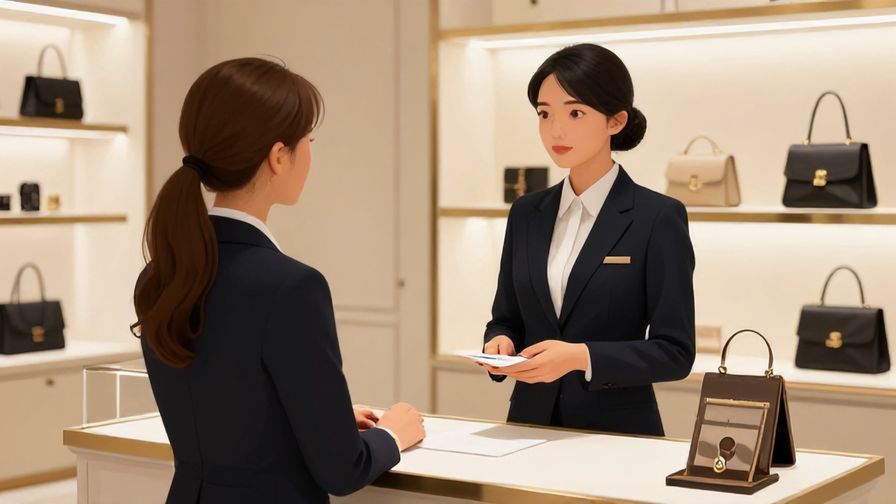
This phrase uses “可能でしょうか?” (kanou deshou ka?) to politely ask if payment is possible.
It sounds very respectful and is ideal in formal environments.
“こちら” (kochira) means “this way” or “this place,” a polite alternative to “ここ.”
Great for situations where you want to confirm payment options carefully.
It’s longer but fits business contexts perfectly.
Use it when you want to impress with politeness.
11. ここでお支払いさせていただけますか? (Koko de o-shiharai sasete itadakemasu ka?) – “May I pay here?” (very formal)
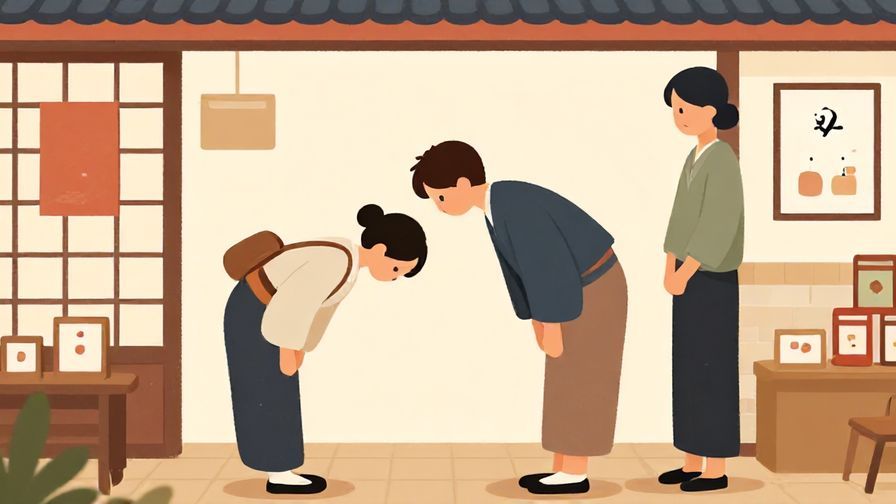
This is a very humble and polite way to ask permission to pay.
“させていただけますか?” (sasete itadakemasu ka?) is a humble request meaning “may I do?”
Use this in very formal or traditional settings to show respect.
It’s a bit of a mouthful but highly appreciated in Japanese culture.
Perfect for formal dinners or tea houses.
Practice breaking it down into parts to get comfortable.
12. お支払いはここでよろしいでしょうか? (O-shiharai wa koko de yoroshii deshou ka?) – “Is paying here all right?” (very polite)
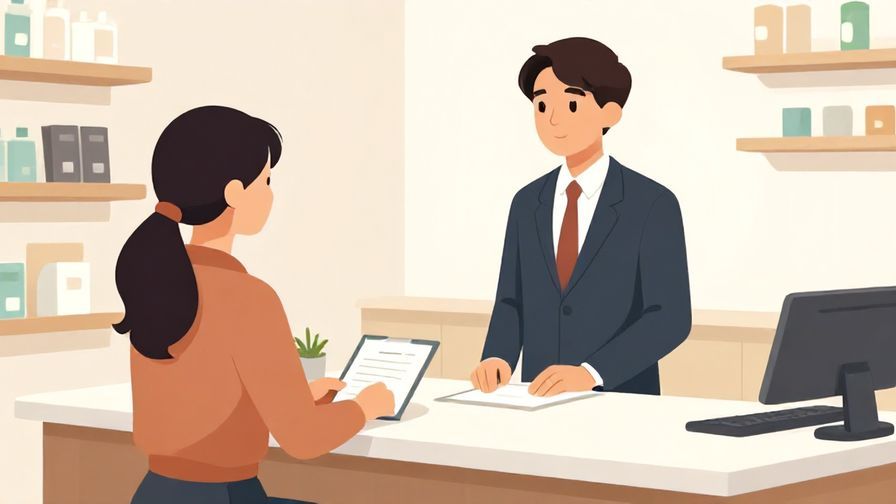
This phrase is very polite and confirms payment location clearly.
“よろしいでしょうか?” (yoroshii deshou ka?) politely asks “Is it okay?”
It’s formal but not overly complicated.
Use this at counters where you want to confirm politely.
Adding “お” (o) before “支払い” adds respectful tone.
Great for making a good impression in formal shops.
13. こちらでご精算いただけますか? (Kochira de go-seisan itadakemasu ka?) – “Can I settle the bill here?” (formal)
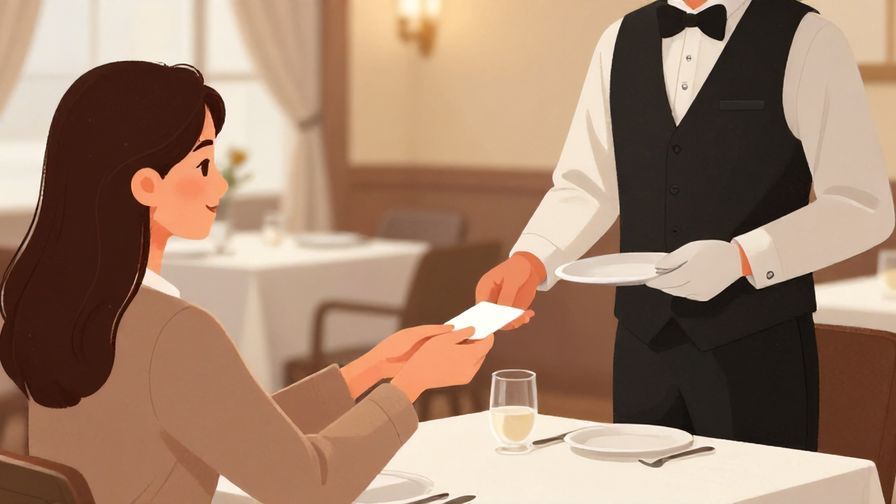
“ご精算” (go-seisan) means “settlement of a bill,” a formal word for paying.
“いただけますか?” (itadakemasu ka?) politely asks “Can I receive?”
This phrase is useful in restaurants or hotels.
It sounds professional and respectful.
Try it when you want to sound like a local in formal occasions.
Breaking down this phrase helps with pronunciation and flow.
14. お支払いはこちらでお願いできますか? (O-shiharai wa kochira de onegai dekimasu ka?) – “Could I please pay here?” (polite)
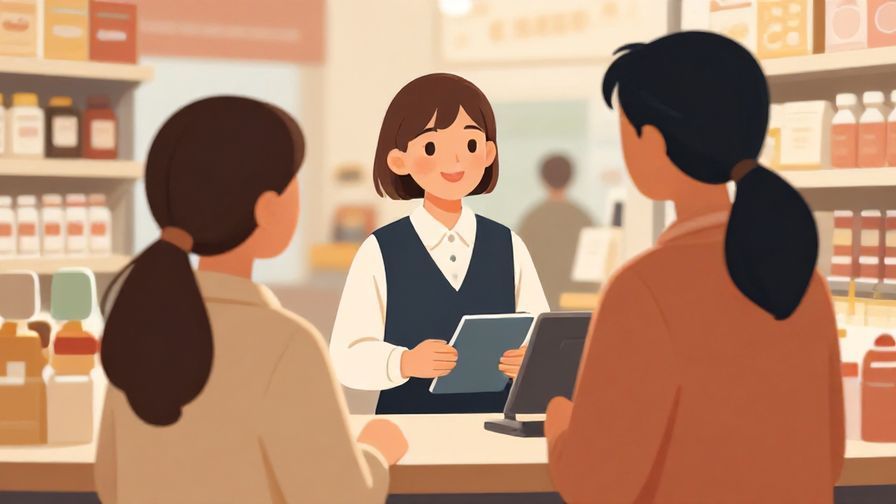
Adding “お願いできますか?” (onegai dekimasu ka?) means “Could I please?” which is very polite.
This phrase politely requests permission to pay here.
It fits both shops and restaurants.
Using “こちら” adds extra politeness.
It’s a good phrase to memorize for respectful communication.
Perfect for polite daily interactions.
15. ここでお支払いいただけますか? (Koko de o-shiharai itadakemasu ka?) – “May I make payment here?” (formal)

This is a polite and formal way to ask if you can pay here.
“いただけますか?” (itadakemasu ka?) softens the question nicely.
It’s perfect for polite conversations with staff you don’t know well.
Use “お支払い” to show respect.
It’s a great phrase to practice for business trips or formal shopping.
Clear pronunciation helps it sound natural and respectful.
16. ここでお支払いしてもよろしいでしょうか? (Koko de o-shiharai shite mo yoroshii deshou ka?) – “Is it alright if I pay here?” (very polite)
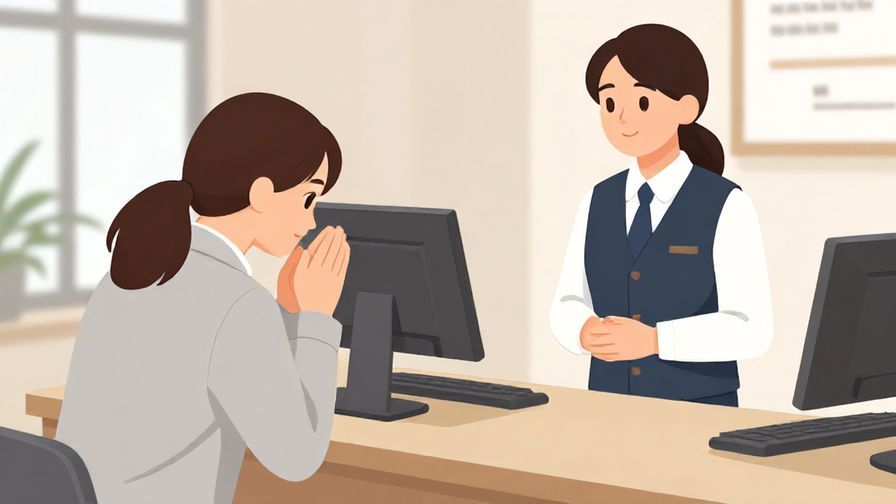
This phrase politely asks for permission with humility.
“してもよろしいでしょうか?” (shite mo yoroshii deshou ka?) is a formal way to say “Is it alright if I do?”
It’s useful in situations where you want to be very careful and respectful.
Great for formal restaurants, hotels, or offices.
Though longer, it’s worth learning for special occasions.
Practice in chunks to get confident with this phrase.
Part 3: Very Casual / Native-like Expressions
17. ここで払っていい? (Koko de haratte ii?) – “Can I pay here?” (casual)

A friendly and casual way to ask if it’s okay to pay here.
Perfect for informal settings and people you know.
It’s easy to say and sounds natural among peers.
Keep in mind it’s not suitable for formal situations.
You can add a friendly smile to make it even warmer.
Try this phrase when traveling with friends or in laid-back places.
18. ここで払うよ (Koko de harau yo) – “I’ll pay here.” (casual, assertive)

This phrase declares your intention to pay here.
“よ” (yo) adds emphasis and friendliness.
It’s casual and great for offering to pay among friends.
Use it when you want to take charge politely.
Not for formal or unfamiliar situations.
It helps you sound natural and confident.
19. ここで支払える? (Koko de shiharaeru?) – “Can I pay here?” (casual)

“支払える?” (shiharaeru?) is the casual potential form of “pay.”
It’s a quick, informal way to ask if payment is possible here.
Use it with people you feel comfortable with.
It’s short and easy to remember.
Try this phrase for friendly, everyday conversations.
Just be sure to match your tone to the situation.
20. ここで払ってもいいよね? (Koko de haratte mo ii yo ne?) – “I can pay here, right?” (casual, confirming)
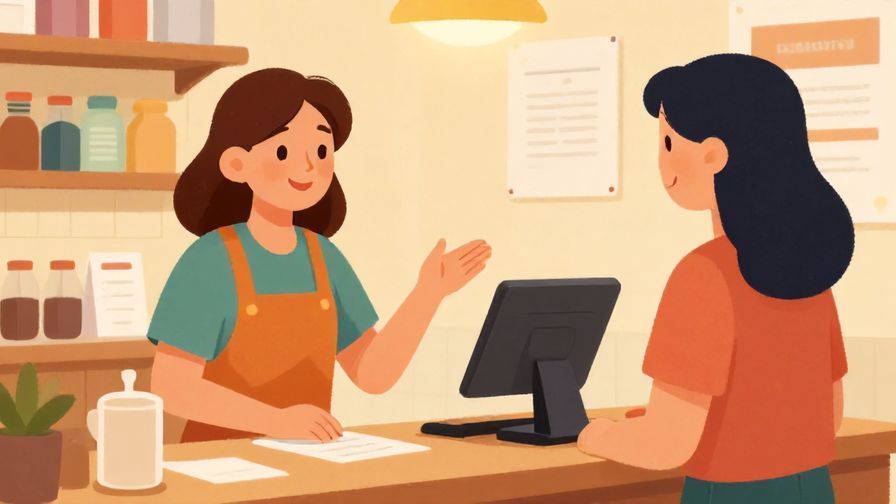
This phrase confirms your assumption that paying here is okay.
“よね?” (yo ne?) asks for agreement in a friendly way.
It’s casual and perfect for easygoing conversations.
Good for markets, small shops, or with friends.
It sounds natural and approachable.
Try adding it when you want to double-check politely.
21. ここで払って大丈夫? (Koko de haratte daijoubu?) – “Is it okay to pay here?” (casual)

“大丈夫?” (daijoubu?) means “Is it okay?” or “All right?”
This phrase is casual and friendly.
It’s great for informal situations where you want to be polite but not stiff.
Use it in cafes, street food stands, or casual shops.
It’s easy to say and understand.
Perfect for sounding natural and polite without formality.
22. ここで払うんだけど、大丈夫? (Koko de harau n da kedo, daijoubu?) – “I’m going to pay here, is that okay?” (casual)

This phrase explains your intention with a friendly check for permission.
“んだけど” (n da kedo) adds a soft explanation tone.
It sounds natural and conversational.
Use it in casual or familiar settings.
It’s a great phrase to practice for everyday chats.
Adding a smile helps smooth the interaction.
23. ここでいい? (Koko de ii?) – “Is here okay?” (very casual)
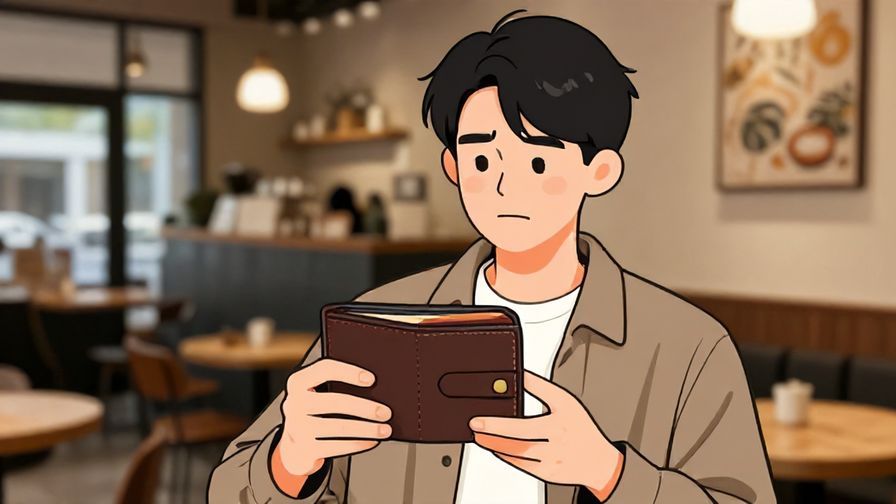
Super casual and short, this phrase asks if paying here is fine.
It relies on context and body language to be understood.
Great for quick, informal situations.
Not recommended for formal places or with strangers.
Easy to say and very natural sounding.
Perfect for native-like casual conversations.
24. ここで払ってもいいよ (Koko de haratte mo ii yo) – “You can pay here.” (casual, friendly)

This phrase is a friendly way to say “You can pay here.”
Great for friends or shop staff to confirm payment location.
“よ” (yo) adds a warm emphasis.
It sounds natural and approachable.
Use it when you want to be helpful and casual.
Perfect for building rapport in everyday Japanese.
Concluding Thought
Asking “Can I pay here?” in Japanese is easier than it seems once you have a few key phrases under your belt.
From polite to casual, these 24 ways give you the flexibility to sound natural in any situation.
So next time you’re out shopping or dining in Japan, give one a try—you’ll feel more confident and connected instantly!