24 Japanese ways to ask “Can I Have the Bill?
Heading out after a lovely meal in Japan? Asking for the bill might feel straightforward, but did you know there are many ways to say it? From polite to casual, Japanese has you covered.
Whether you’re dining in a fancy restaurant or grabbing a quick bite at a local izakaya, knowing how to ask for the bill can help you feel confident and make a great impression.
In this guide, we’ll explore 24 genuine Japanese phrases to politely, casually, or naturally ask for the check. Plus, you’ll get handy pronunciation tips and explanations.
Mastering these phrases lets you navigate different social settings smoothly, showing respect and friendliness in every meal-ending moment.
It’s also a fun way to deepen your language skills and connect better with locals.
Ready to learn? Let’s dive into these delightful ways to say “Can I have the bill?” in Japanese!
Understanding the Basics of Asking for the Bill
Before the list, it’s good to know the most common word you’ll see or hear: お会計 (おかいけい, okaikei), meaning “the bill” or “check.”
Most phrases revolve around this term or its components.
Knowing this helps you recognize when someone is talking about the bill or when you want to ask politely.
If you want to get started quickly, a great beginner phrasebook can make all the difference in mastering these expressions.
Practice a few key phrases and you’ll feel more comfortable next time you’re at a Japanese restaurant.
Once you know the basics, you can explore more casual or very polite versions depending on the setting.
Part 1: Casual Suggestions
1. お会計お願いします (Okaikei onegaishimasu) – “The bill, please.”
This is the go-to phrase for asking the bill politely but casually.
お会計 (Okaikei) means “bill,” and お願いします (Onegaishimasu) is a polite way to say “please.” Together, it’s a respectful yet easy phrase.
It’s great for any normal dining experience and is widely understood.
Simply say it with a friendly tone, and you’re set!
If you want to sound even softer, you could add すみません (Sumimasen, “excuse me”) before it.
Practice this phrase first to build your confidence—it’s the most useful for casual dining.
2. お会計をお願いします (Okaikei o onegaishimasu) – “Could I have the bill, please?”
This phrase adds the particle を (o) which marks お会計 as the object of the request.
It’s a slightly more complete sentence and sounds just a bit more formal.
Using を (o) can be helpful if you want to sound clear and polite in busy places.
Don’t overthink it though—both this and the previous phrase work great!
One common mistake is to drop the お (o) honorific from お会計, which can seem blunt.
Try it out next time to feel the difference in nuance and tone.
3. お勘定お願いします (Okanjou onegaishimasu) – “The check, please.”
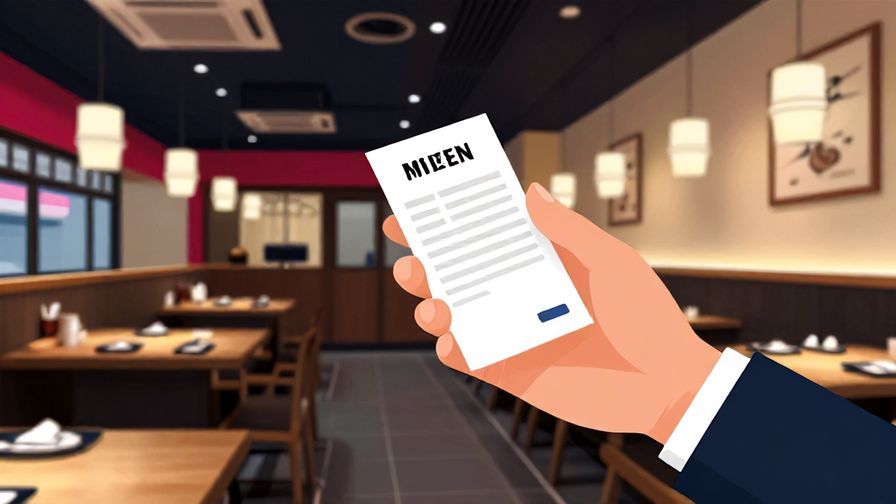
お勘定 (Okanjou) is another common word for “bill” or “check.”
This phrase is interchangeable with お会計お願いします and is perfectly polite.
It’s often used in spoken Japanese and feels natural in most dining spots.
It’s useful to know more than one word for “bill” so you can recognize both.
Try swapping お会計 with お勘定 when you want variety in your vocabulary.
Feel free to mix and match to sound natural and at ease.
4. すみません、お会計いいですか? (Sumimasen, okaikei ii desu ka?) – “Excuse me, is the bill okay now?”
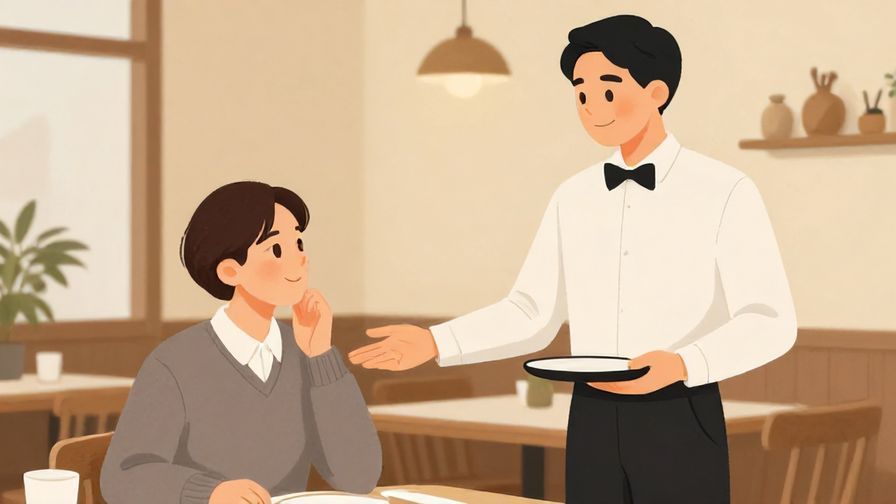
This phrase uses すみません (Sumimasen) to politely get attention.
お会計いいですか? literally asks “Is the bill okay?” which means “Can I have the bill now?”
It’s a gentle, polite way to check if the bill can be processed.
Avoid using this in rushed environments where a direct ask is better.
It works well when you want to sound considerate and patient.
Perfect for situations where you want to be extra polite without sounding pushy.
5. お勘定をお願いします (Okanjou o onegaishimasu) – “Could I get the check, please?”

This is the お勘定 version with the particle を (o) added for clarity and politeness.
It’s structurally the same as お会計をお願いします, just swapping the bill term.
Good to know both so you can listen for either in conversations.
It sounds smooth and respectful in informal to semi-formal places.
Remember to keep your tone polite to match the phrase.
Practice this one alongside the お会計 versions to get comfortable with subtle differences.
6. お会計、お願いしますね (Okaikei, onegaishimasu ne) – “The bill, please, okay?”
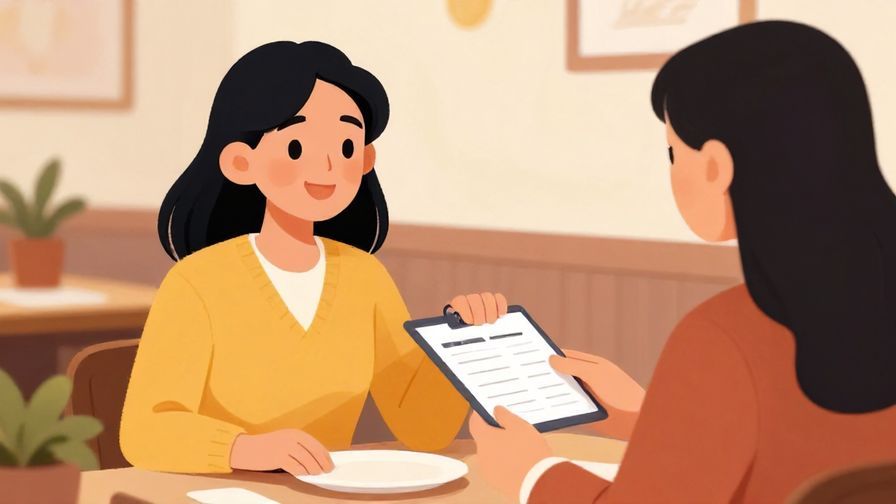
Adding ね (ne) softens the phrase and creates a friendly vibe.
It’s like saying “please, okay?” in a warm, approachable way.
Great for casual dining with friends or familiar staff.
Don’t overuse it in formal settings where it might sound too casual.
This small particle adds a nice conversational tone that’s very Japanese.
Try it out when you want to sound polite but also relaxed.
7. お会計、お願いしてもいいですか? (Okaikei onegaishitemo ii desu ka?) – “Is it alright if I ask for the bill?”

This is a polite way to ask for permission to request the bill.
お願いしてもいいですか? means “Is it okay if I ask?”
It’s useful if you sense the staff is busy or want to be extra considerate.
Sometimes, Japanese people use this to avoid seeming rude or pushy.
It shows your respect for the situation while making your request.
Use it in calm or formal environments for a smooth interaction.
8. お会計をいただけますか? (Okaikei o itadakemasu ka?) – “May I receive the bill?”
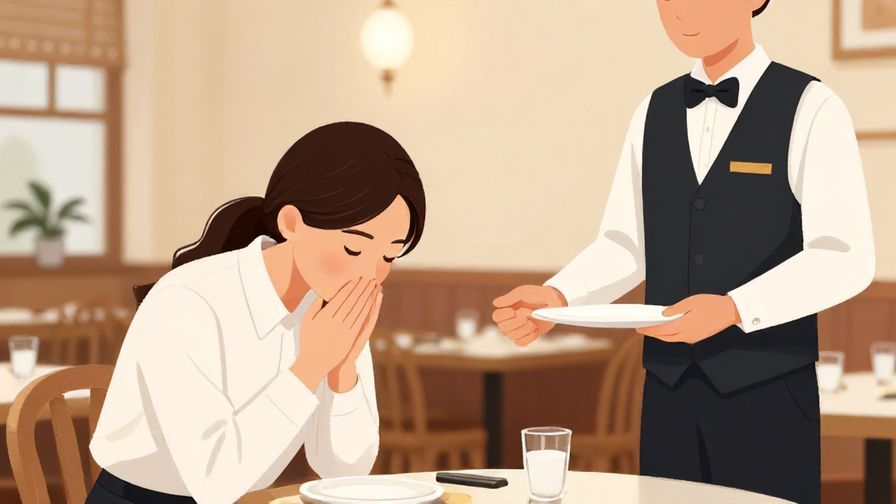
いただけますか (itadakemasu ka) is a humble way to ask “may I receive?”
This phrase is polite and humble, perfect for formal dining or business meals.
It expresses your respect and gratitude beforehand.
It’s a good phrase to know if you want to sound very professional.
Make sure your tone matches the polite formality of the phrase.
Practice it to boost your confidence in upscale settings.
Part 2: Polite & Formal Suggestions
9. お会計をお願い申し上げます (Okaikei o onegai moushiagemasu) – “I humbly request the bill.”
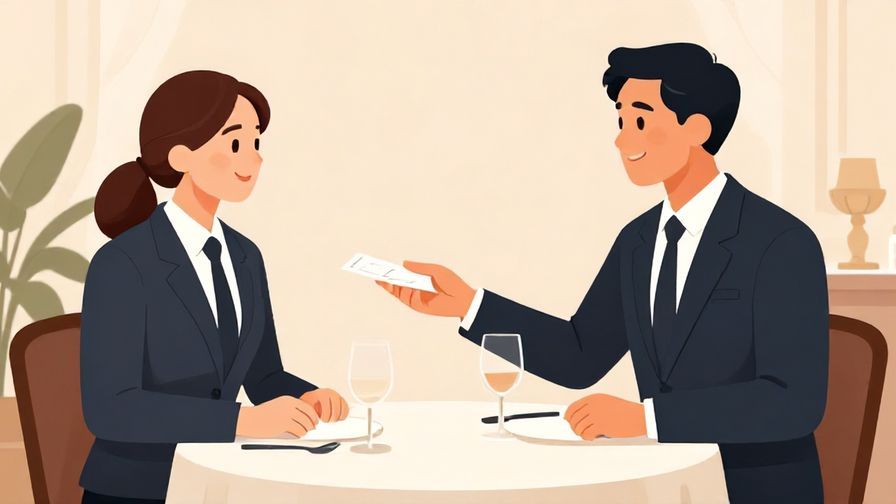
This is an ultra-polite and humble phrase, often used in formal business or ceremonial settings.
申し上げます (moushiagemasu) adds a humble tone to the request.
It signals deep respect and formality.
You probably won’t use this daily but it’s good to recognize it.
Often heard in high-end restaurants or official occasions.
If you want to impress your Japanese colleagues, this phrase is a powerful tool.
10. お勘定のほど、よろしくお願い申し上げます (Okanjou no hodo, yoroshiku onegai moushiagemasu) – “Kindly accept my request for the bill.”

This phrase is a very formal and respectful way to ask for the bill.
のほど (no hodo) softens and elevates the request.
Combined with よろしくお願い申し上げます, it’s a humble and courteous expression.
Best reserved for special events or formal meetings.
It shows your utmost respect for the staff and situation.
Learning this phrase helps you understand the height of polite Japanese.
11. お会計をお願いできますでしょうか? (Okaikei o onegai dekimasu deshou ka?) – “Would it be possible to ask for the bill?”
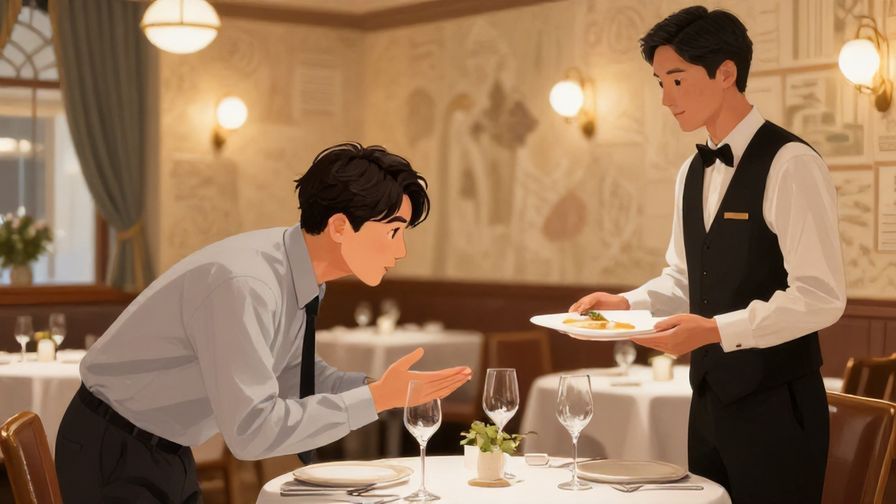
This is a polite and slightly indirect way to ask for the bill.
でき ますでしょうか (dekimasu deshou ka) adds a respectful conditional tone.
It’s softer than a direct request and very courteous.
Great for formal dining or with unfamiliar servers.
Avoid overly casual tones with this phrase to keep respect intact.
Use this when you want to balance politeness with clarity.
12. お会計のご用意をお願いできますか? (Okaikei no goyoui o onegai dekimasu ka?) – “Could you prepare the bill, please?”
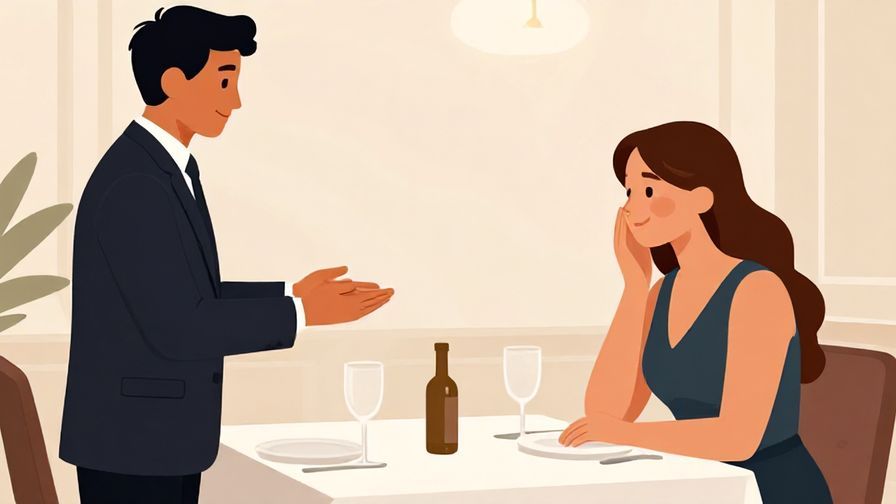
This phrase asks for the preparation of the bill, not just handing it over.
It’s polite and shows you’re aware the bill might take a moment to prepare.
ご用意 (goyoui) means “preparation,” adding formality.
Perfect for upscale or busy restaurants where the bill isn’t instant.
It’s a respectful way to manage timing and expectations.
Try this if you want to show patience and politeness at the same time.
13. お勘定をお願い申し上げます (Okanjou o onegai moushiagemasu) – “I humbly request the check.”
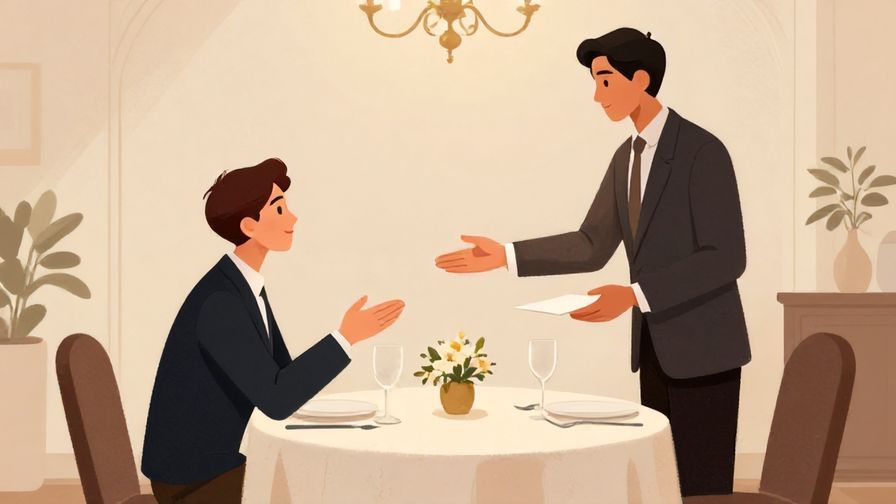
This is the お勘定 version of the humble request phrase.
It carries the same high respect and formality as the お会計 version.
Useful to know both depending on context or preference.
Shows your cultural awareness and language sophistication.
Use it in formal gatherings or business dinners.
A phrase like this can help you blend into professional Japanese settings smoothly.
14. お会計のほう、お願いいたします (Okaikei no hou, onegai itashimasu) – “I humbly ask for the bill.”
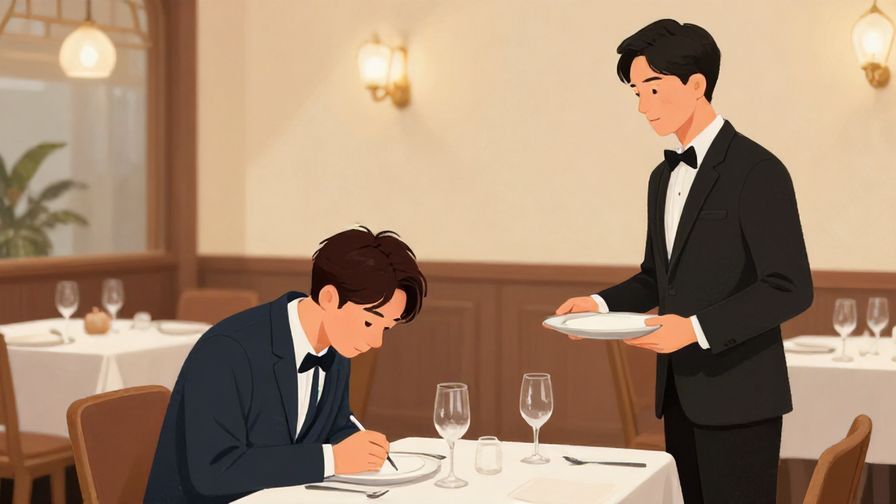
ほう (hou) here is a polite way to refer to the bill indirectly.
おねがいいたします (onegai itashimasu) is a humble way to say “please.”
The whole phrase is formal and respectful.
It fits well in sophisticated dining or with older people.
Good to use when you want to show humility and respect simultaneously.
Learn this to deepen your polite Japanese vocabulary.
15. お会計をお願い申し上げます (Okaikei o onegai moushiagemasu) – “I humbly request the bill.”

This is a very polite and humble phrase, similar to previous ones but commonly used in formal dining.
It’s a good phrase to memorize for important occasions.
Shows you understand Japanese etiquette deeply.
Use it with confidence in business or ceremonial meals.
It’s simple but powerful in formality.
Practice this to master respectful Japanese requests.
16. お会計をいただけませんでしょうか? (Okaikei o itadakemasen deshou ka?) – “Would it be possible to receive the bill?”
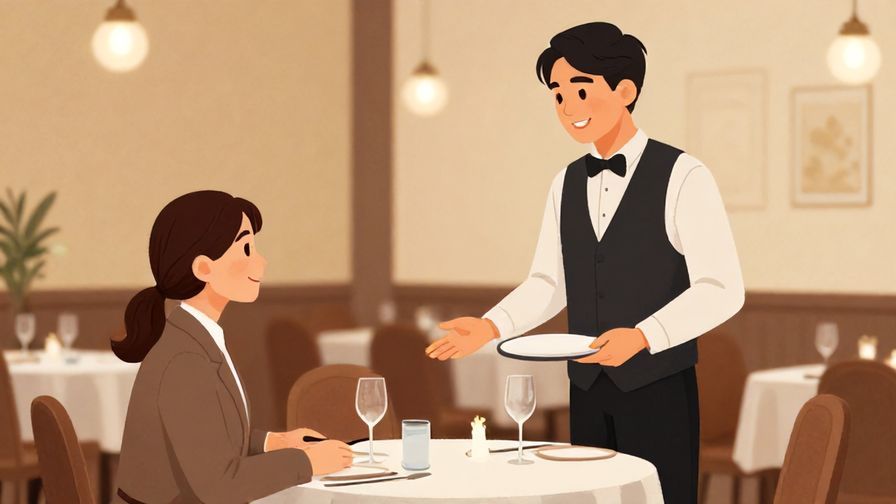
This is another humble and polite way to ask for the bill.
It’s slightly more indirect and very respectful.
Perfect for formal dining or when you want to be extra careful.
Widely understood and appreciated in Japan.
Using this phrase signals your carefulness and politeness.
Try it for formal settings to make a great impression.
Part 3: Very Casual / Native-like Expressions
17. 会計お願い (Kaikei onegai) – “Check, please.”
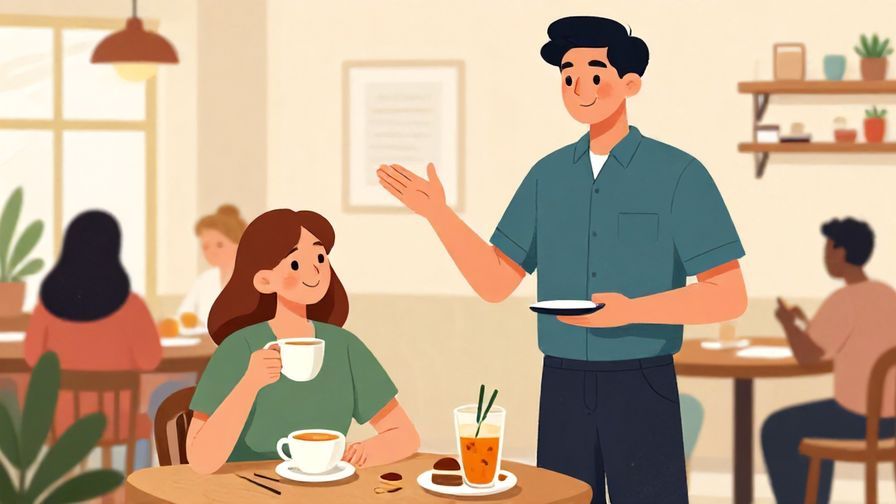
This is a short, casual way to ask for the bill.
会計 (Kaikei) drops the honorific お but is still clear.
Perfect among friends or in casual spots.
Keep in mind this can sound blunt to strangers or in formal places.
Use it when the setting is informal and relaxed.
Native speakers often use this when they want to be quick and easy.
18. お勘定ちょうだい (Okanjou choudai) – “Give me the check.”
ちょうだい (choudai) means “give me” and is very casual.
Use it only with close friends or in informal places.
It’s a native-like expression, very conversational.
Not suitable for formal occasions or with strangers.
Great for quick and friendly interactions at izakayas or cafes.
Practice it if you want to sound more like a local in casual settings.
19. お会計、お願いね (Okaikei, onegai ne) – “Bill, please, okay?”

A casual and warm way to ask for the bill.
The ね (ne) adds friendliness and softens the request.
Great among friends or in familiar places.
It’s polite yet relaxed.
Use it to sound approachable and natural.
Try it in cafés or small restaurants with friendly staff.
20. お会計、お願いしまーす (Okaikei onegai shimaasu) – “Bill, please!”
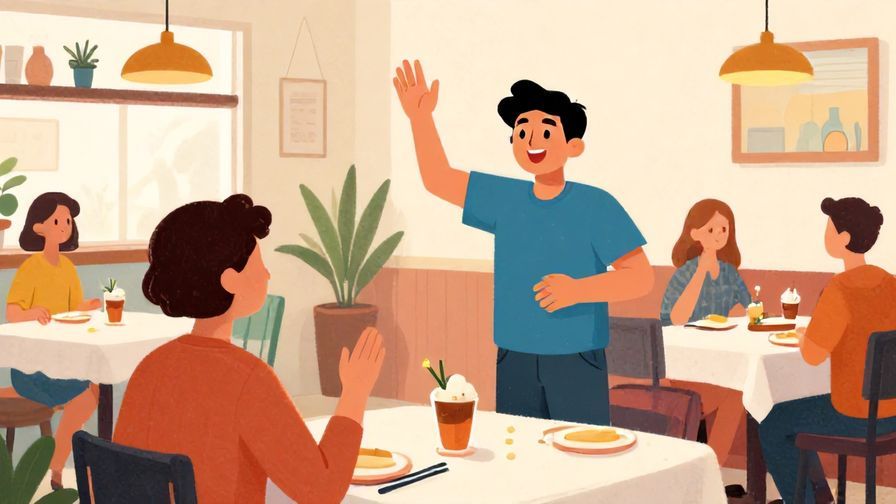
Adding しまーす (shimaasu) with a drawn-out sound makes it more casual and friendly.
It’s common among young people and informal spaces.
Sounds cheerful and easygoing.
Not fit for formal environments.
Try it when you’re comfortable and want to keep things light.
It’s a fun way to practice natural Japanese rhythm.
21. お会計お願いしまーす (Okaikei onegai shimaasu) – “Could I get the bill, please?”
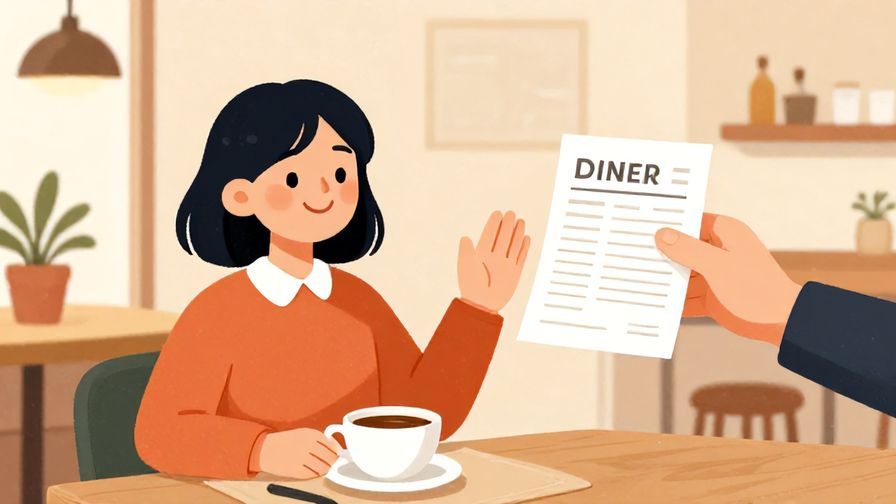
This is a very common casual phrase with a friendly tone.
Good for everyday use with familiar staff or in casual restaurants.
The extended しまーす adds a laid-back vibe.
It’s polite but easygoing.
Practice this one to sound natural and approachable.
It’s a great bridge between casual and polite speech.
22. お会計、お願いできます? (Okaikei onegai dekimasu?) – “Can I ask for the bill?”
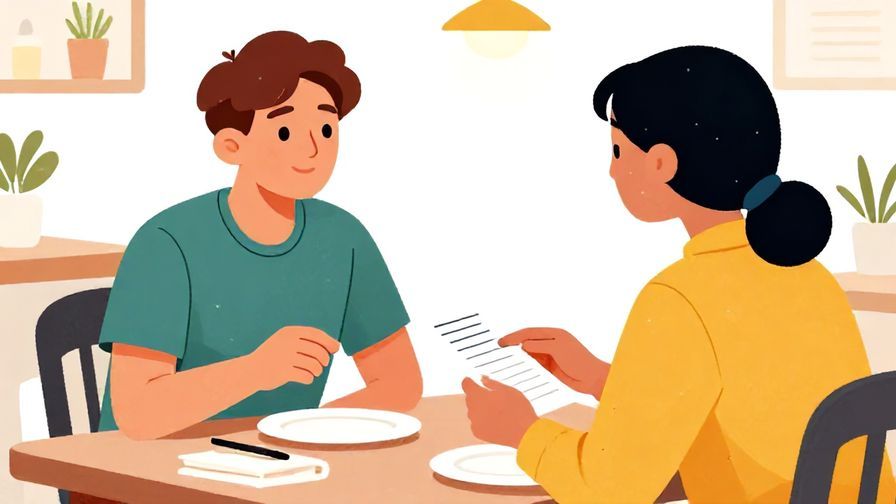
This phrase is polite but casual, good for everyday situations.
It’s a question form that’s soft and respectful.
Works well in most informal to semi-formal dining places.
It’s easy to remember and natural sounding.
Avoid sounding too abrupt by keeping your tone gentle.
Use it to sound polite without being stiff.
23. お会計、いいですか? (Okaikei ii desu ka?) – “Is it okay to get the bill?”
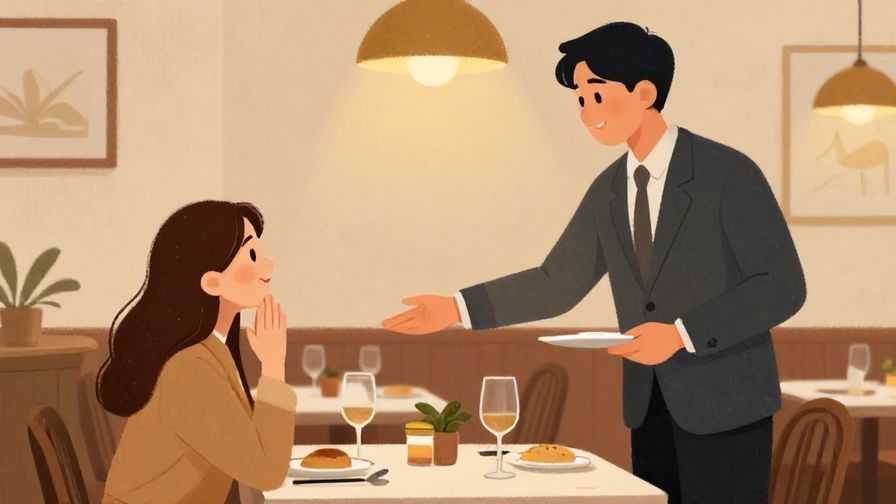
This phrase checks if it’s a good time for the bill.
It’s casual and thoughtful.
Great for when you want to be polite but relaxed.
Used often in small restaurants or with familiar waiters.
Helps avoid interrupting prematurely.
Try this to sound considerate and natural.
24. お会計をお願いしてもいい? (Okaikei o onegaishitemo ii?) – “Can I ask for the bill?”
This is a casual, friendly way to ask permission to request the bill.
It’s often used among friends or in relaxed environments.
The してもいい? (shitemo ii?) means “may I?”
It’s soft and polite in casual speech.
Good for sounding natural without being too formal.
Practice this phrase to boost your everyday conversation skills.
Concluding Thought
Asking for the bill in Japanese can be as simple or as nuanced as you want it to be.
By learning these 24 phrases, you’re now ready to handle any dining situation with confidence and respect.
Keep practicing, and soon these expressions will feel like second nature—making your Japanese dining experiences even more enjoyable!