22 Japanese ways to say “You’re my soulmate”
Finding the perfect words to say “You’re my soulmate” can feel both magical and tricky, especially when exploring another language like Japanese.
Whether you want to express deep love, connection, or that special feeling of destiny, Japanese offers many beautiful ways to capture it.
This listicle dives into 22 heartfelt and relatable Japanese phrases that convey the soulmate vibe, from casual to formal and everything in between.
Learning these expressions not only broadens your language skills but also deepens your understanding of Japanese culture’s unique take on love and connection.
Plus, it’s always a joy to surprise someone with a meaningful phrase that touches their heart in a new way.
Ready to discover your favorite way to say “You’re my soulmate” in Japanese? Let’s get started!
Understanding Soulmate in Japanese Context
Before we jump into the phrases, it’s good to know that the English word “soulmate” doesn’t have a perfect one-word equivalent in Japanese.
Instead, Japanese often describes the feeling or relationship through various expressions that highlight destiny, deep connection, or “the one.”
Using a great phrasebook focused on Japanese expressions for love can help you get the nuances just right.
These phrases range from poetic to straightforward, so you’ll find something fitting for every mood and relationship style.
Knowing these expressions lets you share your feelings with warmth and cultural insight, making your words even more special.
Let’s explore the different ways to say “You’re my soulmate” in Japanese, starting from casual to very heartfelt.

Part 1: Casual Suggestions
1. 運命の人 (Unmei no hito) – “Person of fate”

This phrase literally means “person of fate” and is commonly used to say someone is your destined partner.
“運命” (Unmei) means fate or destiny, and “人” (hito) means person. It’s a straightforward, romantic way to say your soulmate.
It’s casual enough to use in everyday conversation but still carries deep meaning.
When you say this, you’re emphasizing that your connection feels written in the stars.
You might hear it in romantic dramas or real-life declarations of love.
Try using this phrase to share your feelings the next time you want to express a sense of destiny with your loved one.
2. ソウルメイト (Sōrumēto) – “Soulmate” (loanword)

Borrowed directly from English, “ソウルメイト” (Sōrumēto) is used in Japanese to mean “soulmate.”
It’s common among younger people and in pop culture, especially when you want to sound trendy or casual.
Because it’s a loanword, it’s easy to remember and pronounce if you know English.
It’s perfect when you want to be clear and modern without sounding too formal or poetic.
Use it in fun conversations or texts with friends or partners.
Just be aware it’s a bit less traditional but widely understood.
3. 相棒 (Aibō) – “Partner, buddy”

Literally meaning “partner” or “buddy,” “相棒” (Aibō) is a warm, casual way to say someone is your close companion.
It’s often used between couples or close friends to express that you’re in this together.
It’s less about fate and more about partnership and loyalty.
Great for everyday use when you want to highlight teamwork and closeness.
It’s a great phrase to practice if you want to sound natural and affectionate.
Try it out during relaxed moments or when talking about your relationship with friends.
4. 心の相手 (Kokoro no aite) – “Partner of my heart”

This phrase means “partner of my heart,” highlighting emotional closeness and love.
“心” (Kokoro) means heart or spirit, and “相手” (aite) means partner or companion.
It’s gentle, poetic, and perfect for expressing deep affection casually.
It’s less common but very meaningful to those who appreciate subtlety.
Use it when you want to express how someone touches your heart deeply.
This phrase is a sweet way to say you feel truly connected emotionally.
5. 運命共同体 (Unmei kyōdōtai) – “Fate partnership”

Literally “fate partnership,” this phrase emphasizes two people sharing the same destiny.
“運命” (Unmei) means fate, and “共同体” (kyōdōtai) means community or partnership.
It’s more formal but still used casually to describe a deep bond.
Great for expressing that your lives are intertwined beyond just romantic feelings.
It’s often used in discussions about life partnerships or even in serious friendships.
Try this phrase when you want to say your connection is unbreakable.
6. ぴったりの相手 (Pittari no aite) – “Perfect match”
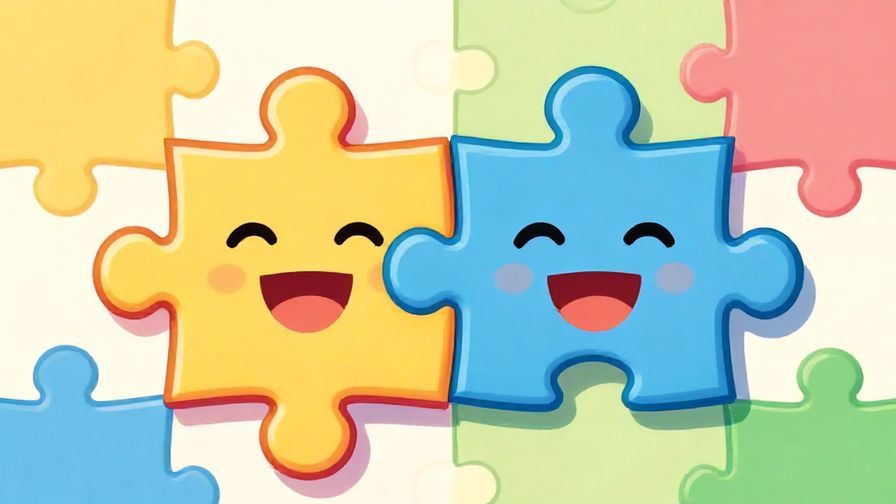
This phrase means “perfect match,” emphasizing how well two people fit together.
“ぴったり” (Pittari) means perfect fit, and “相手” (aite) means partner.
It’s casual, sweet, and great for complimenting your partner’s compatibility.
Easy to remember because of the visual puzzle piece metaphor.
Use it to highlight harmony and balance in your relationship.
It’s a simple yet powerful way to say you’re meant for each other.
7. 一緒にいるべき人 (Issho ni iru beki hito) – “The person I should be with”

This phrase means “the person I should be with,” focusing on destiny and choice.
“一緒にいる” (Issho ni iru) means “to be together,” and “べき人” (beki hito) means “the person one ought to be with.”
It’s a more thoughtful way to express soulmate feelings casually.
It’s useful when you want to express that your partner is the right person in your life.
Use in heartfelt conversations when talking about your future or deep feelings.
It’s a lovely phrase to practice for meaningful moments.
8. 心が通じ合う人 (Kokoro ga tsūji au hito) – “Person whose heart connects with mine”

This phrase means “a person whose heart connects with mine,” highlighting emotional harmony.
“心が通じ合う” (Kokoro ga tsūji au) means hearts communicating or connecting, and “人” (hito) means person.
It’s poetic and ideal for expressing a deep, intuitive bond.
Great when you want to say your feelings are mutually understood without words.
Use it in romantic or close friendships to show emotional closeness.
It’s a beautiful way to express soul-level connection.
Part 2: Polite & Formal Suggestions
9. 運命の伴侶 (Unmei no hanryo) – “Destined spouse/partner”

This phrase means “destined partner” with a formal, respectful tone.
“運命” (Unmei) means fate, and “伴侶” (hanryo) means spouse or partner.
It’s perfect for formal declarations or speeches about your soulmate.
Use it when you want to emphasize lifelong commitment and destiny.
It’s common in wedding vows or serious conversations.
Practicing this phrase adds depth and elegance to your Japanese.
10. 運命的な出会い (Unmeiteki na deai) – “Fateful encounter”
This phrase means “fateful encounter,” emphasizing the moment two souls meet.
“運命的” (Unmeiteki) means fateful or destined, and “出会い” (deai) means meeting or encounter.
It’s often used in stories about soulmates or life-changing meetings.
Great for formal or poetic expressions of your relationship’s origin.
Use it to describe how your meeting felt like destiny.
It’s a beautiful phrase to add nuance to your love stories.
11. 心の伴侶 (Kokoro no hanryo) – “Partner of the heart”
This phrase highlights the emotional partner, “partner of the heart.”
“心” (Kokoro) means heart, and “伴侶” (hanryo) means partner or spouse.
It’s polite and heartfelt, suitable for meaningful conversations.
Use it to express emotional commitment with respect and warmth.
It’s a phrase that shows maturity in love expression.
Great for formal letters or expressing feelings deeply.
12. 唯一無二の存在 (Yuiitsu muni no sonzai) – “One and only existence”

This poetic phrase means “one and only existence,” emphasizing uniqueness.
“唯一無二” (Yuiitsu muni) means one and only, and “存在” (sonzai) means existence or being.
It’s formal and ideal for expressing how your soulmate is irreplaceable.
Use it in speeches, poems, or heartfelt messages.
It captures profound admiration and exclusivity.
Try this to elevate your expression of special connection.
13. 運命共同体の相手 (Unmei kyōdōtai no aite) – “Partner in fate partnership”

This is an extended formal version meaning “partner in a fate partnership.”
It expresses a committed relationship bound by destiny.
Use it to emphasize deep, lifelong bonds in a respectful way.
It’s a phrase often found in literature or formal conversations.
Perfect when you want to sound serious and heartfelt.
It helps convey a sense of unity and shared destiny.
14. 運命を共にする人 (Unmei o tomo ni suru hito) – “The person who shares fate with me”

This phrase means “the person who shares fate with me,” stressing shared destiny.
It’s formal but also naturally warm and affectionate.
Great for expressing that your lives are intertwined by fate.
Use it when talking about deep connections in a respectful tone.
It’s lovely for heartfelt letters or declarations.
Try it when you want to sound sincere and poetic.
15. あなたは私の魂の伴侶です (Anata wa watashi no tamashii no hanryo desu) – “You are my soulmate”

This is a formal, clear way to say “You are my soulmate.”
“魂” (tamashii) means soul, “伴侶” (hanryo) means partner.
It’s polite, respectful, and directly expresses soulmate status.
Use it in serious conversations or romantic letters.
It’s one of the clearest formal expressions for “soulmate.”
Perfect when you want to be both poetic and direct.
16. 生涯の伴侶 (Shōgai no hanryo) – “Lifelong partner”

This phrase means “lifelong partner,” emphasizing enduring love.
“生涯” (Shōgai) means lifetime, “伴侶” (hanryo) means partner or spouse.
It’s formal and ideal for expressing lasting commitment.
Use it in weddings, vows, or serious talks about your future.
This phrase shows respect and dedication with a soulmate feel.
Great for expressing love that lasts forever.
Part 3: Very Casual / Native-like Expressions
17. あなたは運命の人だよ (Anata wa unmei no hito da yo) – “You’re my destined person”

This casual phrase means “You’re my destined person,” with a friendly tone.
The “だよ” (da yo) ending adds warmth and intimacy.
It’s perfect for daily conversation with someone close.
Use it to casually affirm your deep feelings.
It sounds natural and heartfelt for native speakers.
Try it when you want to express love simply but meaningfully.
18. ずっと一緒にいたい (Zutto issho ni itai) – “I want to be with you forever”

This phrase means “I want to be with you forever,” expressing a deep desire.
“ずっと” (zutto) means forever or always, “一緒にいたい” (issho ni itai) means want to be together.
It’s casual but emotionally powerful.
Good for telling your special someone how much they mean to you.
It’s often used in romantic movies and songs.
Use it to make your feelings clear and sincere.
19. あなたは私の半身 (Anata wa watashi no hanshin) – “You are my other half”

This phrase means “You are my other half,” a casual soulmate expression.
“半身” (hanshin) literally means “half body,” used metaphorically to mean soulmate.
It’s warm and natural for everyday use.
Use it to express that your partner completes you.
It’s a sweet phrase to show closeness and belonging.
Perfect for intimate moments or casual chats.
20. あなたなしでは生きられない (Anata nashi de wa ikirarenai) – “I can’t live without you”
This phrase means “I can’t live without you,” a powerful, heartfelt expression.
It’s casual but emotionally intense, showing how crucial the other person is.
Use it to emphasize how much your soulmate means to you.
It’s often used in love confessions or emotional moments.
Be mindful of the emotional weight when you use it.
It’s great for serious conversations or declarations of love.
21. あなたがいないとダメ (Anata ga inai to dame) – “I’m no good without you”
This is a casual expression meaning “I’m no good without you.”
It’s playful but also sincere, showing dependence and love.
Great for lighthearted but meaningful conversations.
Use it with close partners or friends to express affection.
It’s a phrase that blends humor with deep feeling.
Try it when you want to sound native and natural.
22. 運命の相手だと思う (Unmei no aite da to omou) – “I think you are my destined partner”

This phrase means “I think you are my destined partner,” expressing thoughtful affection.
It’s casual, sincere, and humble with “と思う” (to omou) meaning “I think.”
It’s perfect for when you’re still discovering or confirming your feelings.
Use it to softly express your soulmate thoughts.
It’s natural and relatable in everyday speech.
This phrase leaves room for growth and deepening connection.
Concluding Thought
Exploring these 22 ways to say “You’re my soulmate” in Japanese opens up a world of beautiful expressions that go beyond just words.
Each phrase carries its own nuance, emotion, and cultural flavor, allowing you to choose what fits your heart and relationship best.
Whether you opt for casual charm, formal elegance, or native-like warmth, these phrases will help you share your feelings in a truly meaningful way. Keep practicing, and soon you’ll be able to express your love as beautifully as the Japanese language itself.