22 Japanese ways to say “You’re like a sister to me”
Expressing deep friendship and affection in Japanese can be both beautiful and nuanced. Saying “You’re like a sister to me” isn’t just about words—it’s about conveying warmth and heartfelt connection.
Whether you want to sound casual, polite, or somewhere in between, Japanese has many ways to express this special bond. Each phrase carries its own unique flavor and cultural context.
In this article, you’ll discover 22 lovely Japanese expressions that mean “You’re like a sister to me,” perfect for friends who feel like family.
These phrases range from sweet and informal to more formal, so you can pick what fits your relationship best. Plus, you’ll get pronunciation tips to say them just right.
Learning these will not only improve your Japanese but also help you deepen your friendships by sharing sincere feelings in a culturally meaningful way.
Ready to find the perfect way to say “You’re like a sister to me” in Japanese? Let’s dive in!
Understanding Sisterly Bonds in Japanese
Japanese culture often expresses relationships through subtle language and context. The phrase “You’re like a sister to me” translates into various expressions that highlight closeness, trust, and familial feelings.
Some phrases use the word “姉” (ane, ah-neh) meaning “older sister,” or “妹” (imouto, ee-moh-toh) meaning “younger sister,” while others describe emotional closeness without directly mentioning “sister.”
These expressions reflect different degrees of warmth, respect, and casualness, perfect for fitting your unique friendship.
Sometimes, using a great Japanese language guide focused on relationships can give you a perfect starting point for a cohesive understanding.
Choosing the right phrase lets you express your feelings with authenticity and cultural sensitivity.
With practice, you’ll feel more confident sharing these sweet sentiments with your close friends.
Part 1: Casual Suggestions
1. 本当の姉妹みたい (Hontō no shimai mitai) – “Like real sisters.”

This phrase means your bond feels just like real sisters, emphasizing closeness.
It’s easy to remember because “本当の” (hontō no) means “real,” “姉妹” (shimai) means “sisters,” and “みたい” (mitai) means “like.” Together, it’s “like real sisters.”
Use this when you want to express deep sister-like friendship casually.
It’s a warm, heartfelt way to say your friend feels like family.
A related phrase is “家族みたい” (kazoku mitai), meaning “like family,” which is broader but also affectionate.
Try using this after sharing a meaningful experience with your friend to show your connection.
2. まるで妹みたい (Maru de imouto mitai) – “Just like a little sister.”
This phrase is perfect if your friend feels like a younger sister.
“まるで” (maru de) means “just like,” “妹” (imouto) is “younger sister,” and “みたい” (mitai) means “like.”
It’s casual and affectionate, great for close friends with a playful vibe.
Use it to show protective or caring feelings towards your friend.
Be mindful it implies a younger sister feeling, so use it with friends younger than you or with that dynamic.
This phrase works well in casual conversations or texts with close friends.
3. まるで姉みたい (Maru de ane mitai) – “Just like an older sister.”
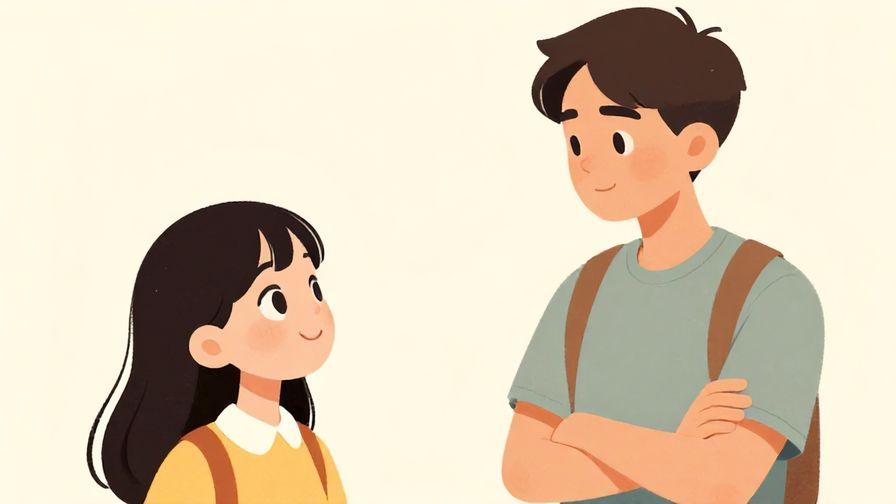
Use this when your friend feels like an older sister.
“まるで” (maru de) means “just like,” “姉” (ane) means “older sister,” and “みたい” (mitai) means “like.”
This phrase expresses respect and warmth towards your friend’s guidance or care.
It’s informal and great for close friends who act protectively or as role models.
Avoid using it with friends who are not comfortable with being called “older sister.”
Try this phrase when thanking your friend for support or advice.
4. 友達以上、家族未満 (Tomodachi ijō, kazoku miman) – “More than friends, less than family.”

This phrase captures that unique bond that’s deeper than friendship but not quite family.
“友達以上” (tomodachi ijō) means “more than friends,” and “家族未満” (kazoku miman) means “less than family.”
It’s great for relationships that feel special but don’t fit traditional family roles.
This is perfect for expressing complex feelings in a poetic way.
It’s often used in conversations about close bonds that defy simple labels.
Use it to describe a friend who is like a sister but not literally family.
5. まるで家族のよう (Maru de kazoku no yō) – “Just like family.”

This phrase means your friend feels like family to you, which includes sisterly feelings.
“まるで” (maru de) means “just like,” “家族” (kazoku) means “family,” and “のよう” (no yō) means “like.”
It’s a gentle, informal way to say that your bond is family-like.
You can use this phrase to show deep appreciation and affection.
It’s versatile and works in many casual to semi-formal contexts.
Try using it after sharing a long friendship or important life moments.
6. 心の姉妹 (Kokoro no shimai) – “Sisters of the heart.”

This poetic phrase emphasizes emotional connection over blood relation.
“心” (kokoro) means “heart,” and “姉妹” (shimai) means “sisters.”
It’s a lovely way to say you feel sisterly love and closeness emotionally.
Use this phrase in heartfelt conversations or letters.
It’s slightly poetic but very meaningful.
Great for expressing lifelong friendship that feels like sisterhood.
7. まるで血の繋がった姉妹みたい (Maru de chi no tsunagatta shimai mitai) – “Just like sisters connected by blood.”
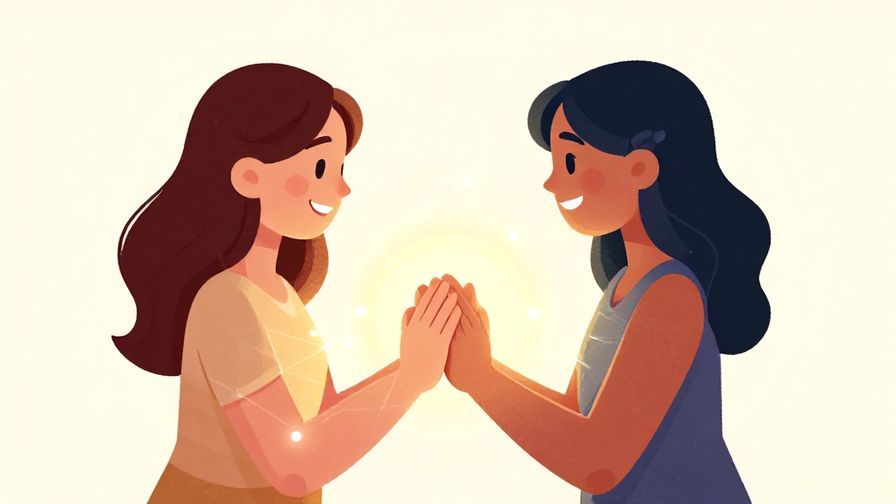
This phrase expresses the idea that your friendship feels as close as biological sisters.
“血の繋がった” (chi no tsunagatta) means “connected by blood,” “姉妹” (shimai) means “sisters,” and “みたい” (mitai) means “like.”
It’s a strong way to show your friend means as much as family.
Because it’s a vivid phrase, it’s best for very close friends.
Use it to emphasize unbreakable bonds and loyalty.
This phrase is great for special moments or heartfelt declarations.
8. 友達だけど姉妹のよう (Tomodachi dakedo shimai no yō) – “Friends, but like sisters.”
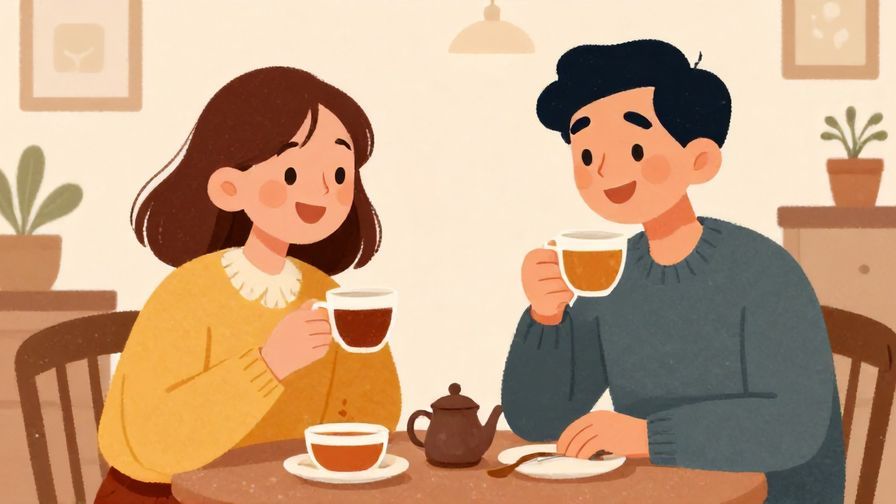
This phrase balances friendship and sisterhood clearly.
“友達だけど” (tomodachi dakedo) means “friends, but,” “姉妹のよう” (shimai no yō) means “like sisters.”
It’s casual and explanatory, perfect for clarifying your feelings.
You can use it in conversations or social media posts.
Avoid overusing it to keep it special.
It’s a great phrase to introduce your feelings without being too formal.
Part 2: Polite & Formal Suggestions
9. あなたは私の姉妹のような存在です (Anata wa watashi no shimai no yō na sonzai desu) – “You are like a sister to me.”
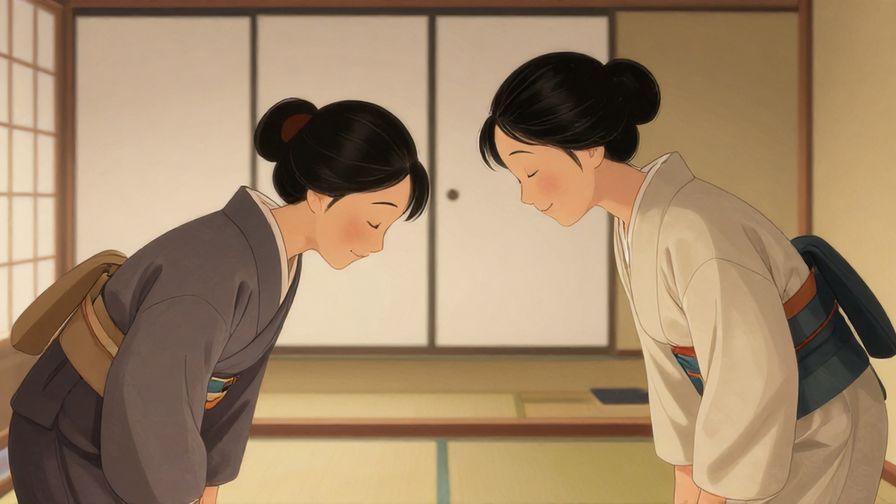
This formal phrase directly states “You are like a sister to me.”
“あなたは” (anata wa) means “you are,” “私の” (watashi no) means “my,” “姉妹のような存在” (shimai no yō na sonzai) means “a sister-like existence,” and “です” (desu) is the polite copula.
Perfect for polite or respectful settings.
Use it in serious conversations or when expressing gratitude formally.
It conveys deep respect and affection simultaneously.
This phrase suits work friends or acquaintances who feel like sisters.
10. 姉妹のように大切に思っています (Shimai no yō ni taisetsu ni omotteimasu) – “I cherish you like a sister.”
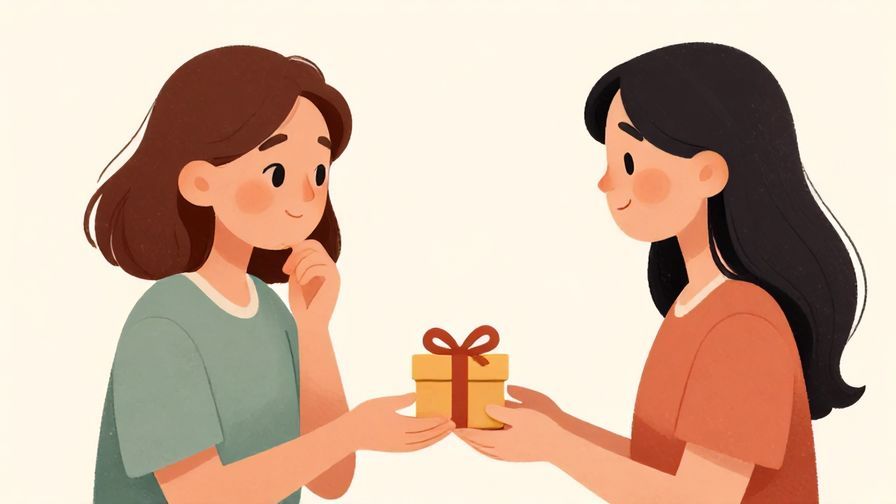
This phrase politely says you value your friend like a sister.
“姉妹のように” (shimai no yō ni) means “like a sister,” “大切に思っています” (taisetsu ni omotteimasu) means “I cherish/think highly of you.”
It’s formal, warm, and respectful.
Great for expressing appreciation in letters, emails, or speeches.
It highlights care and emotional closeness.
Use it when you want to combine sincerity with politeness.
11. あなたは私の家族のような存在です (Anata wa watashi no kazoku no yō na sonzai desu) – “You are like family to me.”
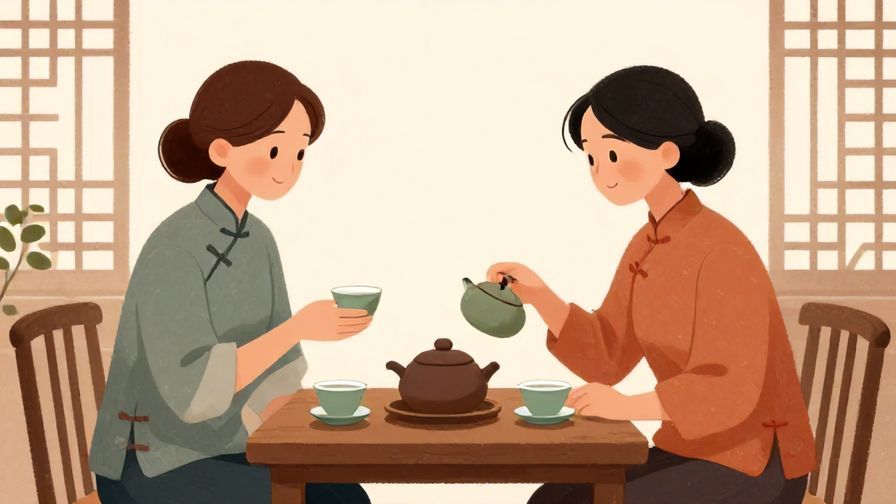
This formal phrase means your friend is like family, implying sisterly closeness.
“家族のような存在” (kazoku no yō na sonzai) means “family-like existence.”
It’s respectful and affectionate, perfect for professional or formal friendships.
Use it when you want to recognize someone as part of your inner circle politely.
This phrase fits well in heartfelt thank-you notes or speeches.
It’s a beautiful way to honor deep friendships with respect.
12. 姉妹のように親しい関係です (Shimai no yō ni shitashii kankei desu) – “We have a close sister-like relationship.”

This phrase describes your relationship as sister-like and close politely.
“親しい関係” (shitashii kankei) means “close relationship.”
It’s a good phrase for describing your bond in introductions or formal conversations.
Use it to explain your closeness without being overly emotional.
It balances warmth and professionalism.
Try this when speaking about your friend in polite company.
13. あなたは私の人生の姉妹です (Anata wa watashi no jinsei no shimai desu) – “You are the sister in my life.”
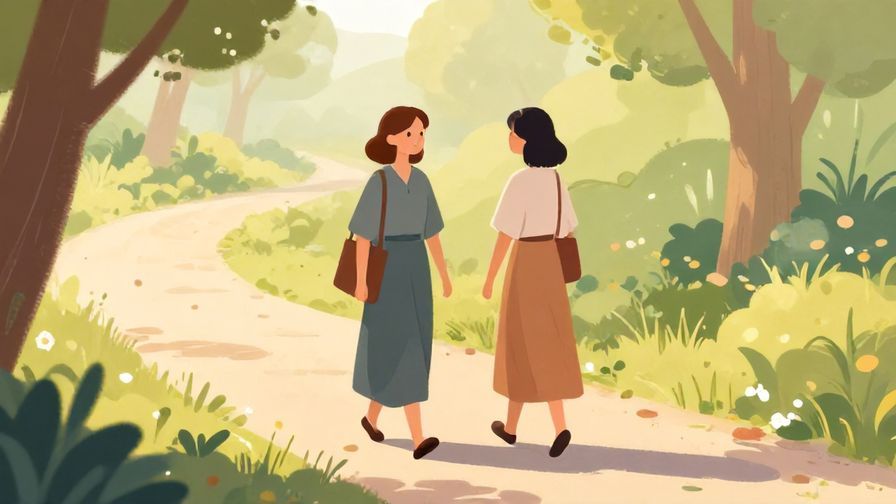
This phrase poetically states your friend is a sister in your life.
“人生の姉妹” (jinsei no shimai) means “sisters of life,” implying lifelong connection.
It’s polite and heartfelt, suitable for written messages or speeches.
Use it to emphasize lasting friendship and deep bond.
This phrase works well in emotional moments or farewells.
It shows you value your friend as family in a significant way.
14. 姉妹のような絆で結ばれています (Shimai no yō na kizuna de musubareteimasu) – “We are bound by a sister-like bond.”
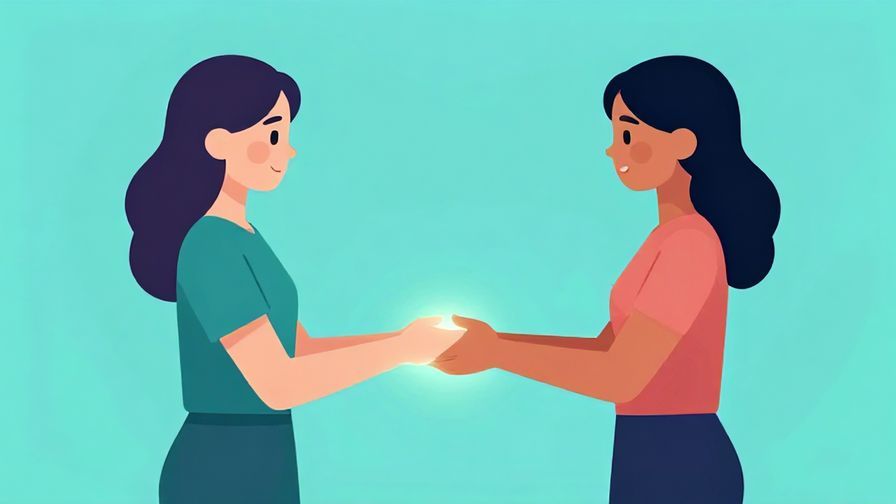
This formal phrase highlights a strong sisterly bond.
“絆” (kizuna) means “bond,” and “結ばれています” (musubareteimasu) means “are bound.”
It’s poetic and respectful, great for speeches or heartfelt letters.
Use it to express deep, unbreakable friendship.
This phrase is ideal for moments celebrating friendship milestones.
It expresses gratitude for a meaningful sister-like relationship.
15. あなたは私の心の姉妹です (Anata wa watashi no kokoro no shimai desu) – “You are my sister of the heart.”

This formal phrase emphasizes emotional closeness over blood ties.
“心の姉妹” (kokoro no shimai) means “sister of the heart.”
It’s polite and affectionate, perfect for letters or important conversations.
Use it to share your sincere feelings respectfully.
This phrase combines warmth with formality.
Great for expressing deep friendship in a thoughtful way.
16. 姉妹のように助け合っています (Shimai no yō ni tasukeatteimasu) – “We support each other like sisters.”
This phrase highlights mutual support in a sister-like way.
“助け合っています” (tasukeatteimasu) means “support each other.”
It’s formal yet warm, great for describing your friendship in polite contexts.
Use this phrase when talking about teamwork or emotional support.
It’s a lovely way to show your friendship’s strength.
Try using it in speeches or group introductions.
Part 3: Very Casual / Native-like Expressions
17. 妹みたいなもんだよ (Imouto mitai na mon da yo) – “You’re kind of like a little sister.”

This is a very casual, conversational phrase often used by native speakers.
“妹みたいなもん” (imouto mitai na mon) means “kind of like a little sister,” and “だよ” (da yo) adds emphasis.
It’s great for close friends with a playful tone.
You can use this in everyday chats or texts.
It shows affection without being too serious.
Try saying it when teasing or joking with your friend affectionately.
18. 姉ちゃんみたいだね (Neechan mitai da ne) – “You’re like an older sister, huh.”
This phrase is casual and affectionate, with “姉ちゃん” (neechan) being a familiar term for “older sister.”
“みたいだね” (mitai da ne) means “like, huh.”
It’s used when admiring or teasing a friend’s older sister vibe.
Perfect for relaxed, friendly conversations.
It reflects warmth and familiarity.
Use it to highlight your friend’s caring or bossy side playfully.
19. まるで姉妹みたいなものだよ (Maru de shimai mitai na mono da yo) – “We’re basically like sisters.”
This phrase is casual but heartfelt, saying “basically like sisters.”
“ものだよ” (mono da yo) adds a soft, explanatory tone.
It’s great for emphasizing your close bond in everyday talk.
Use it to reassure your friend about your special relationship.
This phrase sounds natural and friendly.
Try it when you want to celebrate your closeness out loud.
20. あんたは私の姉妹みたいなもんだ (Anta wa watashi no shimai mitai na mon da) – “You’re like a sister to me.”

This very casual phrase uses “あんた” (anta), a familiar “you,” and “みたいなもんだ” (mitai na mon da), meaning “like a kind of.”
It’s used among close friends or siblings.
Be careful with “あんた” as it can sound rough to strangers.
Use this phrase only with friends who accept casual speech.
It’s a confident way to say your friend is like family.
Great for informal chats or joking moments.
21. お姉ちゃんみたいに頼りにしてる (Oneechan mitai ni tayori ni shiteru) – “I rely on you like an older sister.”
This casual phrase expresses dependence and trust.
“頼りにしてる” (tayori ni shiteru) means “rely on.”
Use it to show appreciation for your friend’s support.
It’s informal and affectionate.
Ideal for friends who act like big sisters.
Use it to thank or encourage your friend warmly.
22. 妹みたいに大事な存在だよ (Imouto mitai ni daiji na sonzai da yo) – “You’re an important presence like a little sister.”
This phrase combines affection and importance casually.
“大事な存在” (daiji na sonzai) means “important presence.”
It’s sweet and natural, great for close friends.
Use it to remind your friend how much they mean to you.
It sounds warm without being too formal.
Perfect for everyday conversations or messages.
Concluding Thought
Exploring these 22 Japanese ways to say “You’re like a sister to me” shows just how rich and varied expressing sisterly bonds can be.
Whether casual, polite, or native-like, each phrase offers a unique way to share your heartfelt connection with friends who feel like family.
So, pick the ones that feel most natural to you and start spreading that warm, sisterly love in Japanese today!