22 Japanese ways to say “You’re dead meat”
Ever been in a situation where you want to say “You’re dead meat” but in a fun, Japanese way? Whether it’s playful teasing or a light-hearted warning, the Japanese language has loads of colorful expressions for this!
From casual slang to more formal warnings, each phrase carries its own vibe and intensity. The good news? You don’t have to be a ninja to sound sharp with these.
In this listicle, we’ll explore 22 Japanese ways to say “You’re dead meat,” complete with pronunciation guides and little tips to get you sounding like a native (or at least like a very cool friend).
Learning these phrases is a fun way to add spice to your Japanese conversations, and it’s also a neat cultural peek into how humor and threats mix in everyday talk.
Plus, mastering expressions like these can make your language skills pop in casual chats or dramatic moments, giving you that edge.
So buckle up! Let’s dive right into some seriously cool Japanese expressions that mean you’re in big trouble.
Understanding the Tone and Context
Before we get into the nitty-gritty, it’s good to know that “You’re dead meat” can range from playful scolding to serious threats.
Japanese has distinct ways to express this depending on who you’re talking to and how intense you want to sound. Some phrases are perfect for friends, others better saved for dramatic scenes.
Knowing when to use these will keep you sounding natural and avoid awkward moments.
Sometimes, a handy Japanese idioms and expressions book can be a great companion on this journey.
It helps to see these phrases in context and understand their cultural nuances.
With that, let’s jump into the fun part: the phrases themselves!
Part 1: Casual Suggestions
1. お前、終わったな (Omae, owatta na) – “You’re finished.”

This phrase literally means “You’re finished,” and it’s a straightforward way to say someone’s in serious trouble.
“Omae” (oh-mah-eh) means “you” in a casual or slightly rough way, and “owatta” (oh-waht-tah) means “finished” or “done.” The “na” adds a bit of emphasis.
It’s great for casual, almost teasing situations where you want to say someone’s got no way out.
It’s punchy and gets the message across without being too formal.
Similar phrases include “終わりだ” (owari da), which also means “It’s over.”
Use it with close friends or in playful contexts to keep things light but clear.
2. てめぇ、死ねるぞ (Temee, shineru zo) – “You’re gonna die.”

This one is pretty rough and direct. “Temee” (teh-meh-eh) is a very rude “you,” and “shineru” (shee-neh-roo) means “gonna die.” The “zo” adds a masculine tough emphasis.
Use this with caution — it’s bold and aggressive but common in action manga or heated moments.
It’s memorable because it carries a real punch in both tone and meaning.
Great for expressing serious warnings, but avoid using it with strangers or in polite company.
Related phrase: “殺すぞ” (korosu zo) meaning “I’ll kill you.”
Perfect for dramatic effect or when you want to sound like a tough character in anime.
3. お前、死ぬぞ (Omae, shinu zo) – “You’ll die.”

Similar to #2 but slightly less aggressive. “Shinu” (shee-noo) means “will die,” and again “omae” is casual “you.”
This is a classic phrase used to warn someone they’re in big trouble.
It’s easy to remember and feels natural in everyday conversations in casual groups.
Use it when you want to be serious but not overly rude.
Often heard in movies or manga during tense moments.
Pair it with a serious tone to maximize impact.
4. ぶっ殺すぞ (Bukkorosu zo) – “I’ll kill you.”
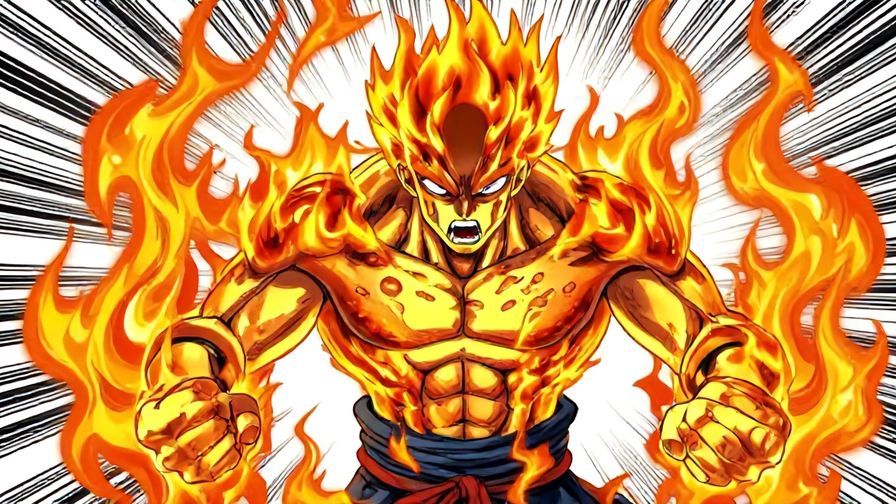
This phrase is one of the strongest casual threats. “Bukkorosu” (book-koh-roh-soo) is a slangy, forceful way to say “kill.”
“Zo” adds toughness to the phrase, making it sound really intimidating.
Only use it in a playful or fictional context—otherwise, it’s really harsh and can offend.
It’s popular in anime and manga for villains or angry heroes.
Remember, tone is everything here.
Use it wisely to avoid misunderstandings.
5. お前、やばいぞ (Omae, yabai zo) – “You’re screwed.”

“Yabai” (yah-bah-ee) is a super versatile slang word meaning “dangerous,” “risky,” or “screwed.”
Paired with “omae” and “zo,” it’s a casual way to say “You’re dead meat” without being too serious.
This phrase is popular among young people and is easy to use in everyday talk.
It’s light enough for teasing friends but still gets the point across.
“Yabai” can also mean “awesome,” so context is key.
Great for playful warnings or joking around.
6. これで終わりだ (Kore de owari da) – “This is the end for you.”

Literally “This is the end,” it’s a classic phrase signaling doom for the other person.
“Kore de” means “with this,” “owari” means “end,” and “da” is a declarative.
It’s simple but effective, often used in dramatic moments.
Perfect for over-the-top but fun scenarios.
Easy to remember and sounds very natural.
Use it to sound like you’re in the climax of an anime battle.
7. お前、狙われてるぞ (Omae, nerawareteru zo) – “You’re being targeted.”

“Nerawareteru” (neh-rah-wah-reh-teh-roo) means “being targeted,” and paired with “omae,” it’s a warning that trouble is coming.
This phrase is more indirect but still serious.
It’s great for hinting someone’s in danger without outright saying “you’re dead.”
Useful in suspenseful or sneaky contexts.
Try it when you want to sound clever and mysterious.
It also doubles as a great phrase from spy or action stories.
8. その顔、終わってるぞ (Sono kao, owatteru zo) – “That face says you’re dead meat.”

This phrase literally points out someone’s “face” (顔, kao) as a sign of defeat or trouble.
“Owatteru” means “finished” or “done for.”
It’s a playful jab often used among friends.
Great for teasing with a smile rather than actually threatening.
The nuance is more about reading expressions than direct threats.
Perfect for lighthearted moments.
Part 2: Polite & Formal Suggestions
9. お前はもう終わりです (Omae wa mou owari desu) – “You’re already finished.”

This is a more polite, formal way to say “You’re dead meat.”
The “desu” ending softens the tone, making it suitable for professional or serious contexts.
“Mou” means “already,” so it emphasizes that it’s too late for the person.
Use this when you want to sound stern but respectful.
It’s common in dramas or formal confrontations.
Good for learning how to adjust tone with politeness.
10. あなたは危険な状態です (Anata wa kiken na joutai desu) – “You’re in a dangerous situation.”
This phrase is polite and indirect, focusing on the danger rather than the person.
“Anata” is polite “you,” “kiken” means “danger,” and “joutai” means “state” or “condition.”
It’s a good phrase for warnings without being confrontational.
Use it in more serious but respectful conversations.
Useful for formal writing or polite speech.
Try it when you want to sound careful but clear.
11. あなたは手遅れです (Anata wa teokure desu) – “You’re too late (to save yourself).”

“Teokure” means “too late,” implying the person’s fate is sealed.
This phrase is formal and quite serious.
It’s often used in dramatic or storytelling contexts.
Good for adding a serious tone without sounding rude.
Can also be useful in medical or emergency contexts.
Practice this to sound respectful yet firm.
12. あなたは許されません (Anata wa yurusaremasen) – “You will not be forgiven.”

This phrase is polite but very serious, expressing condemnation.
“Yurusaremasen” is the negative potential form of “to forgive.”
It’s perfect for formal accusations or serious confrontations.
Use it sparingly, as it can sound harsh in real life.
It’s common in legal or moral discussions.
Great for understanding how formality changes impact.
13. あなたは困ったことになります (Anata wa komatta koto ni narimasu) – “You will be in trouble.”
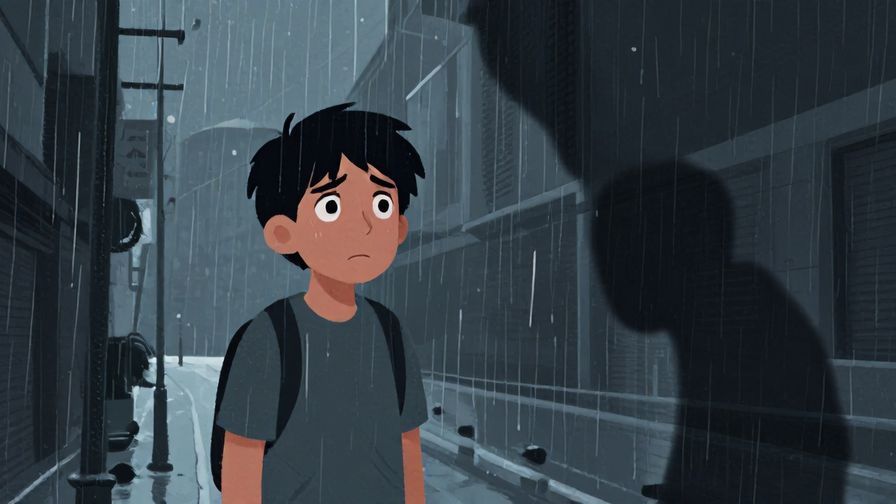
This phrase is polite and indirect, signaling trouble ahead.
“Komatta koto” means “trouble” or “a difficult matter.”
It’s perfect for warnings without threats.
Use it when you want to sound gentle but clear.
Great for workplace or formal social settings.
It’s an easy phrase to remember and use.
14. あなたは責任を取らなければなりません (Anata wa sekinin o toranakereba narimasen) – “You must take responsibility.”

Here you’re warning someone they’ll have to face consequences.
“Sekinin” means “responsibility,” and the phrase is formal and clear.
It’s great for professional or serious personal situations.
Use it to communicate accountability firmly but politely.
Common in business or legal contexts.
Good phrase for sounding mature and serious.
15. あなたは許しがたい (Anata wa yurushigatai) – “You’re unforgivable.”
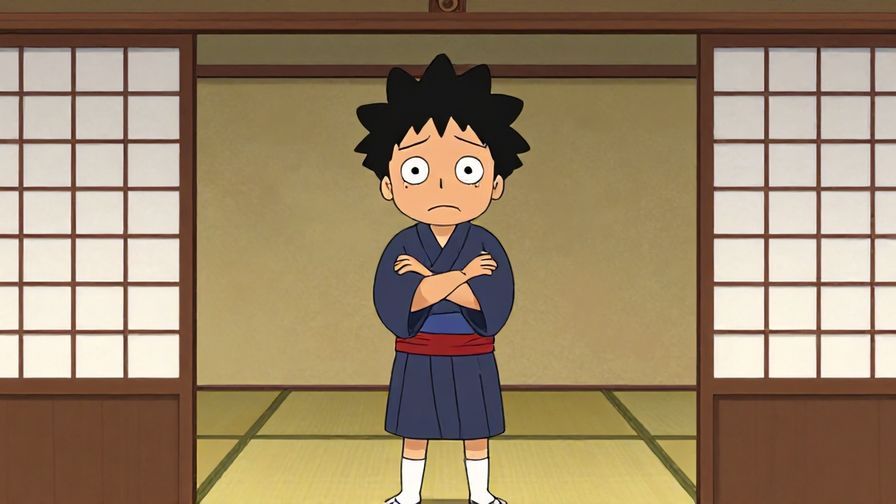
This phrase is formal and expresses strong disapproval.
“Yurushigatai” means “hard to forgive.”
Use it when you want to express serious displeasure without slang.
It’s often heard in dramas or serious talk.
Great for learning nuanced emotional words.
Use carefully to avoid sounding too harsh.
16. お引き取りください (Ohikitori kudasai) – “Please leave (before trouble).”
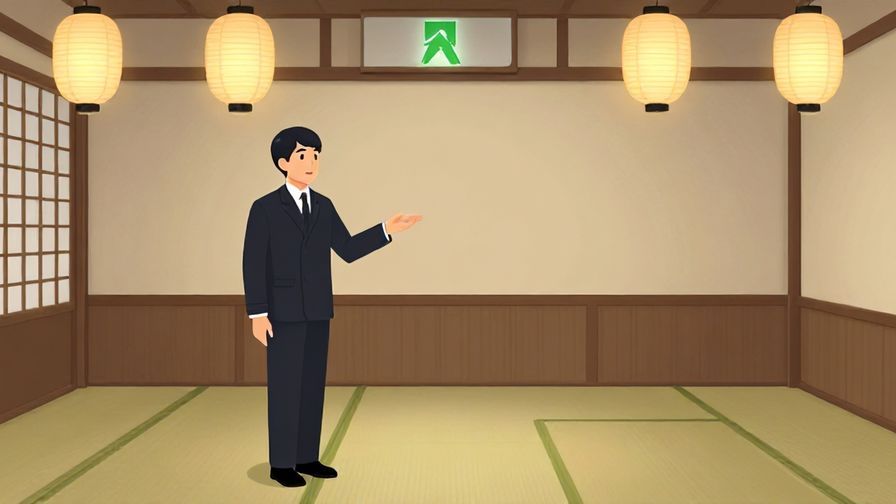
This is a polite and indirect way to tell someone they should go before things get worse.
“Ohikitori” means “taking one’s leave,” and “kudasai” adds politeness.
It’s useful when you want to avoid confrontation but send a clear message.
Common in formal social or business settings.
It’s a great phrase to practice for polite refusals.
Use it for a gentle but firm warning.
Part 3: Very Casual / Native-like Expressions
17. お前、ぶっ飛ばすぞ (Omae, buttobasu zo) – “I’ll knock you out.”
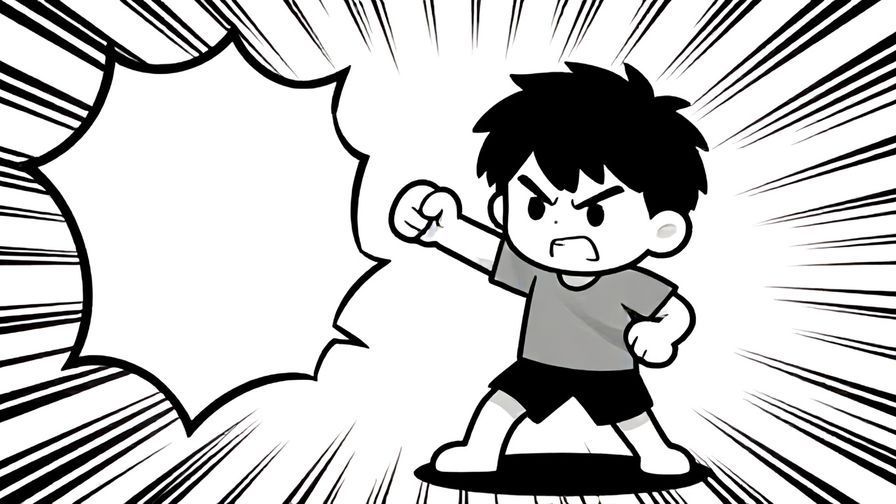
“Buttobasu” means “to knock someone away” or “beat up.”
This phrase is casual and common among close friends when joking.
It’s aggressive but often used playfully.
Great for sounding like a native speaker in informal situations.
Just be sure your tone is clear to avoid misunderstandings.
Similar to English “I’m gonna knock you out” used jokingly.
18. てめぇ、やべぇぞ (Temee, yabee zo) – “You’re seriously screwed.”
“Yabee” is a slang form of “yabai,” and “temee” is rude “you.”
This phrase is very casual and sounds very natural among young people.
It’s great for exaggerating trouble in a cool way.
Use only with close friends or in casual settings.
It adds street-style flavor to your Japanese.
A perfect phrase for sounding native and relaxed.
19. お前、やっちまったな (Omae, yacchimatta na) – “You really messed up.”

This phrase means “You’ve really done it” or “You’re dead meat.”
“Yacchimatta” is a slang past form of “to do,” implying a mistake.
It’s casual, friendly, and fun to use among peers.
Great for teasing someone who’s in trouble but not seriously.
Common in manga and casual conversations.
Practice it for a natural, laid-back vibe.
20. ぶっ殺すぞ、覚悟しろ (Bukkorosu zo, kakugo shiro) – “I’ll kill you, be prepared.”

This is a very tough and threatening phrase, combining “I’ll kill you” with “be ready.”
“Kakugo shiro” means “prepare yourself.”
Use only in fictional or playful dramatic contexts.
It’s perfect for sounding like a villain or tough guy in anime.
Make sure your tone matches to avoid offending.
A memorable phrase for dramatic effect.
21. 死んでも知らねぇぞ (Shindemo shiranee zo) – “I won’t care if you die.”

This phrase is very casual, rough, and a bit dark.
“Shindemo” means “even if you die,” and “shiranee” is a rude form of “don’t know/care.”
It’s used to express serious frustration or threats among close friends or in fiction.
Use with caution and only with people who understand your humor.
It’s a great phrase for sounding like a native speaker in edgy contexts.
Perfect for manga or anime-style dialogue.
22. お前、終わりだコノヤロー (Omae, owari da konoyarou) – “You’re finished, you bastard.”

This phrase is very casual and rough. “Konoyarou” is a rude way to say “bastard” or “jerk.”
It’s a classic line for threatening someone in a tough-guy style.
Use it in informal, playful, or dramatic settings.
It’s one of those expressions that instantly sounds native and intense.
Great for sounding like a manga or anime character.
Use with caution and a strong tone.
Concluding Thought
Learning how to say “You’re dead meat” in Japanese is more than just mastering words; it’s about understanding tone, context, and culture.
From playful jabs to serious warnings, these expressions show the language’s rich emotional range.
So go ahead, try them out responsibly, and have fun adding a little drama to your Japanese conversations!