22 Japanese ways to say “You’ll eat your words”
Ever had someone confidently say something, only to be proven wrong moments later? Yep, that’s when you say, “You’ll eat your words!”
In Japanese, there are many fun and colorful ways to express this idea. Whether it’s casual, polite, or very native-like, these phrases will add some spice to your conversations.
Learning these expressions not only sharpens your Japanese but also gives you a peek into cultural nuances and humor.
Ready to impress your friends or just get a feel for how Japanese speakers play with language? Let’s dive into 22 ways to say “You’ll eat your words” in Japanese!
We’ve included pronunciation guides and simple explanations to keep things friendly and easy to follow.
Plus, a great phrasebook can help you master these expressions and more!
Understanding the Flavor of Saying “You’ll Eat Your Words” in Japanese
Japanese has a rich palette of expressions that capture the feeling of someone having to admit they were wrong.
Some are playful and casual, while others are polite or a bit more native-like and idiomatic. Each brings something unique to the conversation.
Knowing when and how to use these phrases can make your Japanese conversations more natural and fun.
Sometimes, using a great beginner phrasebook can give you a perfect starting point for a cohesive understanding.
These expressions often rely on metaphor or humor, so keep an eye out for little cultural insights as well.
Start practicing little by little, and soon you’ll be ready to cleverly tell someone they’ll eat their words—in Japanese!
Part 1: Casual Suggestions
1. 言ったことを食べる (Itta koto o taberu) – “Eat what you said.”

This phrase is a direct, casual way to say “You’ll eat your words.”
It literally means “eat what you said”: 言った (itta) means “said,” こと (koto) means “thing,” and 食べる (taberu) means “to eat.”
It’s straightforward and easy to use when joking with friends or family.
This expression is perfect for informal situations where you want to tease someone gently.
You might hear it in conversations like, “I bet you won’t do it!” followed by “言ったことを食べるよ!” (Itta koto o taberu yo!)
Try using this one next time you want to playfully call someone out on their bold claim!
2. 自分の言葉を飲み込む (Jibun no kotoba o nomikomu) – “Swallow your own words.”
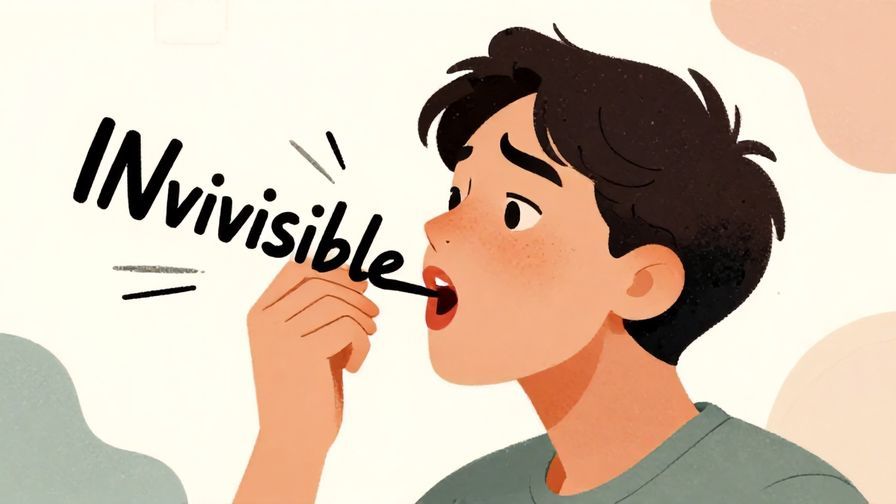
This phrase means “to swallow your own words,” a common way to say someone has to admit they were wrong.
自分 (jibun) means “oneself,” 言葉 (kotoba) means “words,” and 飲み込む (nomikomu) means “to swallow.”
It’s a bit more polite and works well in conversations that aren’t too casual but still relaxed.
It evokes the image of someone swallowing their words like food—something you can’t take back.
Use it when someone needs to quietly backtrack on a statement they made confidently.
It’s a neat phrase to add to your Japanese idioms collection!
3. 言ったことを撤回する (Itta koto o tekkai suru) – “Retract what you said.”
This phrase means “to retract what you said,” which is a polite way to admit being wrong.
撤回する (tekkai suru) means “to withdraw” or “retract,” so this is often used in more formal or serious contexts.
If you want to sound respectful but still get the message across, this is your phrase.
It’s great in professional settings or when discussing serious matters.
Try it when you want to acknowledge a mistake thoughtfully without sounding too casual or harsh.
It’s a useful phrase to have for work or formal discussions.
4. 口が滑る (Kuchi ga suberu) – “Slip of the mouth.”
Literally “mouth slips,” this phrase can imply someone accidentally said something they shouldn’t have or will regret.
It’s often used when someone makes a boast or claim they’ll have to take back later.
This is a very natural and native-like way to hint at eating your words without being direct.
It’s casual and commonly used in everyday speech among friends.
Keep it handy for teasing moments when someone’s words backfire.
It’s a fun phrase to learn for sounding more like a local!
5. 言い訳できない (Iiwake dekinai) – “Can’t make excuses.”
This phrase means “can’t make excuses,” basically saying the person has to own up to their words.
言い訳 (iiwake) means “excuse,” and できない (dekinai) means “cannot.”
It’s a straightforward way to tell someone they have no way out—they’ll have to accept their mistake.
Great for casual or semi-formal situations where you want to be direct but not rude.
It can be used humorously or seriously depending on tone.
Try it out when you want to challenge someone with a playful nudge!
6. 約束を守れよ (Yakusoku o mamore yo) – “Keep your promise.”

This phrase translates to “Keep your promise,” implying someone will have to follow through or eat their words.
約束 (yakusoku) means “promise,” and 守れ (mamore) is the imperative form of “to protect/keep.”
This is useful when you want to remind someone they said something confidently and need to back it up.
It’s casual and slightly firm, good among friends or colleagues.
Use it when you want to push someone to prove their words true.
It’s a motivating phrase that encourages accountability.
7. 口だけじゃないよね (Kuchi dake janai yo ne) – “You’re not just all talk, right?”

This phrase means “You’re not just all talk, right?”—a casual way to challenge someone’s words.
口だけ (kuchi dake) means “just mouth,” or “all talk.”
It’s perfect for teasing someone who’s making big claims but hasn’t shown results yet.
Great for casual conversations with friends or coworkers.
It implies they might have to “eat their words” if they can’t back up their talk.
Use it to keep things light and playful while making your point.
8. 言ったことに責任を持て (Itta koto ni sekinin o mote) – “Take responsibility for what you said.”

This phrase means “Take responsibility for what you said,” a stronger reminder someone should stand by their words.
責任 (sekinin) means “responsibility,” and 持て (mote) is the imperative form “take/hold.”
It’s a bit more serious but can still be used casually with a firm tone.
Perfect for moments when you want someone to realize they can’t just backpedal.
It encourages owning mistakes rather than denying them.
Try this one to sound assertive but fair.
Part 2: Polite & Formal Suggestions
9. 発言を撤回せざるを得ない (Hatsugen o tekkai sezaru o enai) – “Have no choice but to retract the statement.”

This is a formal and polite way to say someone must retract what they said.
発言 (hatsugen) means “statement,” 撤回 (tekkai) “retraction,” and せざるを得ない (sezaru o enai) expresses “have no choice but to.”
It’s perfect for formal speeches, business, or official settings.
You won’t use this casually, but it’s great for professional conversations about admitting errors.
It carries a tone of inevitability and professionalism.
Handy for mastering formal Japanese communication!
10. 誤りを認めざるを得ない (Ayamari o mitomezaru o enai) – “Have no choice but to admit a mistake.”

This expression means “have no choice but to admit a mistake,” a formal and humble phrase.
誤り (ayamari) means “mistake,” 認める (mitomeru) “to admit,” and ざるを得ない (zaru o enai) “have no choice but.”
It’s useful in professional or official contexts when acknowledging fault gracefully.
It shows responsibility and respect for the situation.
Use this phrase to sound sincere and polite when admitting errors.
It’s a key phrase for formal apologies or business talks.
11. 発言に責任を持つ (Hatsugen ni sekinin o motsu) – “Take responsibility for your statement.”

This polite phrase means “to take responsibility for your statement.”
発言 (hatsugen) means “statement,” 責任 (sekinin) “responsibility,” 持つ (motsu) “to have/take.”
It’s suitable for formal discussions or meetings.
It politely reminds someone to stand by their words.
Use it to encourage accountability in a respectful way.
Good for workplace or academic conversations.
12. 言葉を訂正する (Kotoba o teisei suru) – “Correct one’s words.”
This means “to correct one’s words,” a polite way to indicate someone is fixing their previous statement.
言葉 (kotoba) means “words,” 訂正 (teisei) “correction.”
It’s useful when someone wants to politely backtrack or clarify.
It sounds formal but not harsh.
Great for interviews, presentations, or written communication.
Use this when you want to acknowledge error with grace.
13. 発言を撤回いたします (Hatsugen o tekkai itashimasu) – “I retract my statement.”

This is a very formal and humble way to say “I retract my statement.”
撤回いたします (tekkai itashimasu) is the humble form of “retract.”
It’s often used in official apologies, press conferences, or public statements.
It shows deep respect and responsibility.
Use this phrase carefully in serious contexts.
It’s excellent for formal Japanese learners aiming for professional fluency.
14. 発言を取り消す (Hatsugen o torikesu) – “Cancel a statement.”
This phrase means “to cancel a statement,” a polite way to say you withdraw what was said.
取り消す (torikesu) means “to cancel” or “revoke.”
It’s appropriate for business or formal conversations.
It’s less harsh than “retract” but clearly communicates withdrawal.
Use it when you want to politely take back a comment or promise.
Helpful for formal apologies and clarifications.
15. 言ったことを正す (Itta koto o tadasu) – “Correct what was said.”
This means “to correct what was said,” a polite and constructive phrase.
正す (tadasu) means “to correct” or “set right.”
It’s great for formal or polite conversations, focusing on improvement rather than blame.
Use it to suggest someone should fix their previous statement thoughtfully.
It sounds respectful and helpful.
Try this when you want to approach mistakes diplomatically.
16. 発言を撤回させていただきます (Hatsugen o tekkai sasete itadakimasu) – “I humbly retract my statement.”

This is a very polite and humble way to say “I retract my statement.”
Using させていただきます (sasete itadakimasu) adds humility and respect.
It’s suitable for formal apologies or official contexts.
Use this phrase to sound very courteous and professional.
It’s a great phrase to learn for advanced polite Japanese.
Perfect for situations where you need to show utmost respect.
Part 3: Very Casual / Native-like Expressions
17. 自分の言葉を食べさせられる (Jibun no kotoba o tabesaserareru) – “Be forced to eat your own words.”

This phrase means “to be forced to eat your own words,” a humorous way to say someone must admit they were wrong.
食べさせられる (tabesaserareru) is the causative passive form of “to eat,” meaning “to be made to eat.”
It’s very casual and often used jokingly among close friends.
It vividly imagines someone forced to swallow their words—like a playful punishment.
Use it to tease friends who make bold claims that don’t pan out.
It’s a fun, native-like expression to add to your casual Japanese toolbox.
18. 口の軽いこと言うなよ (Kuchi no karui koto iu na yo) – “Don’t say careless things.”

This phrase means “Don’t say careless things,” implying you might end up eating your words.
口の軽い (kuchi no karui) literally means “light mouth,” or “careless talk.”
It’s a casual, slightly teasing way to warn someone about making bold or reckless statements.
Great for informal chats where you want to remind someone to be careful with words.
Use it to keep conversations lively and playful.
It’s a natural phrase that sounds very native.
19. 口先だけだな (Kuchisaki dake da na) – “It’s all talk.”

This phrase means “It’s all talk,” used to call someone out for empty words.
口先 (kuchisaki) means “the tip of the mouth,” referring to just words or talk.
It’s a casual and somewhat skeptical phrase, perfect for teasing or challenging someone.
Use it when you think someone won’t follow through on their claims.
It’s a quick way to say someone will have to eat their words if they don’t act.
Try it for a snappy, native-like comeback.
20. あとで泣きを見るよ (Ato de naki o miru yo) – “You’ll regret it later.”
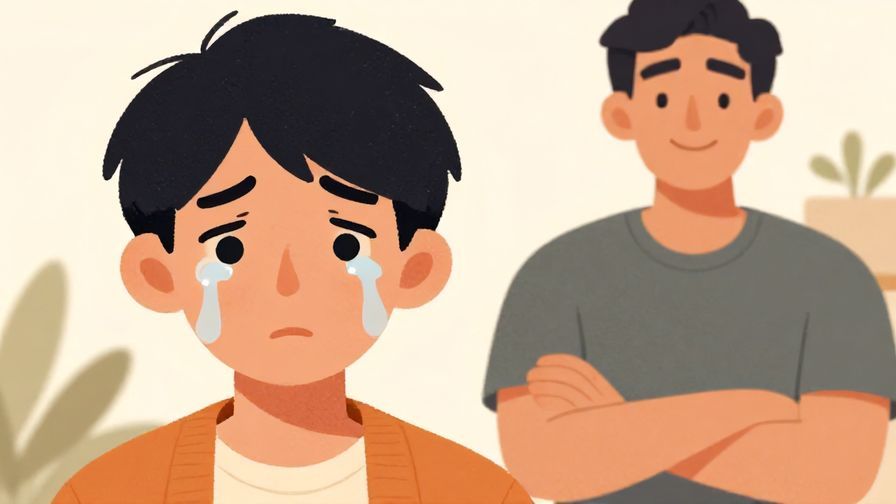
This phrase means “You’ll regret it later,” suggesting someone will have to eat their words eventually.
泣きを見る (naki o miru) literally means “to see crying,” which means to regret or suffer consequences.
It’s a casual, somewhat humorous warning.
Use it to caution someone who’s making overconfident statements.
It’s a colorful way to hint that the tables will turn.
Great for informal conversations with friends.
21. 自分の言葉に責任取れよ (Jibun no kotoba ni sekinin tore yo) – “Take responsibility for your own words.”

This phrase means “Take responsibility for your own words,” a casual but strong call-out.
責任取れ (sekinin tore) is an imperative form meaning “take responsibility.”
It’s direct and used among friends or colleagues when someone needs to own up.
Use it to challenge someone who’s dodging accountability.
It’s a bold, native-like phrase to keep handy.
Perfect for moments when you want to keep it real.
22. 口を閉じておけ (Kuchi o tojite oke) – “Keep your mouth shut.”

This phrase means “Keep your mouth shut,” implying it’s better not to say something you’ll regret.
It’s rougher and casual, often used jokingly or when someone talks too much.
Use it carefully, usually with close friends who understand your humor.
It’s a native-like way to warn someone about biting off more than they can chew.
Perfect for playful banter or teasing.
Just be sure to use it in the right context to avoid offense!
Concluding Thought
Learning these 22 Japanese expressions is like having a toolbox full of witty, polite, and casual ways to say “You’ll eat your words.”
Each phrase offers a glimpse into the culture and the way language can soften or sharpen a message.
So next time someone makes a bold claim, you’ll be ready to respond naturally and confidently in Japanese—whether you want to tease, politely challenge, or formally call them out!