22 Japanese ways to say “You’ll be the death of me”
We all have those moments when someone drives us wild—in the most loving way possible. You know, the kind of frustration mixed with affection that makes you want to say, “You’ll be the death of me.”
In Japanese, expressing this sentiment can be both poetic and playful. Whether you want to sound sweet, dramatic, or casual, there’s a phrase for every mood.
Today, we’re diving into 22 Japanese ways to say “You’ll be the death of me.” Each phrase comes with easy pronunciation guides and simple explanations so you can charm your friends or loved ones effortlessly.
From heartfelt expressions to cheeky slang, these phrases capture that bittersweet feeling perfectly. Plus, learning these will add some serious color to your Japanese conversations.
Ready to explore? Let’s get started on this fun and relatable language journey.
By the end, you’ll have plenty of expressions to match your mood and impress your Japanese-speaking friends.
Understanding the Sentiment
Before we jump into the list, it’s good to know what makes “You’ll be the death of me” so special.
This phrase combines affection with a pinch of exasperation—usually said to someone close who’s irresistible but a little challenging. Japanese has many ways to express this nuanced feeling.
Whether it’s teasing, loving, or dramatic, these expressions will help you say it just right.

Sometimes, a great phrasebook for idiomatic expressions can deepen your understanding and make learning more fun.
These phrases work best when you feel the sentiment deeply—it’s about emotion, not just words.
Let’s start with some casual ways to say it, perfect for friends and close relationships.
Part 1: Casual Suggestions
1. あなたのせいで死にそう (Anata no sei de shinisou) – “I feel like I’m dying because of you.”

This is a fun and slightly dramatic way to say “You’ll be the death of me.”
“あなた (Anata)” means “you,” “のせいで (no sei de)” means “because of,” and “死にそう (shinisou)” literally means “about to die.” Together, it’s like saying, “I’m dying because of you.”
It’s casual and perfect with close friends or romantic partners.
Use it when someone’s antics or charm overwhelm you in a funny way.
A related phrase is “死にそうなくらい好き (shinisou na kurai suki),” meaning “I like you so much it’s like I’m dying.”
Try it out next time someone’s driving you crazy in an adorable way!
2. 君にはやられたよ (Kimi ni wa yarareta yo) – “You got me.” (literally: You’ve defeated me)

This phrase means you’re playfully admitting defeat to someone’s charm or behavior.
“君 (Kimi)” is a casual “you,” “には (ni wa)” emphasizes the target, and “やられた (yarareta)” means “got beaten or defeated.”
It’s great for teasing friends or someone you’re close to.
It’s simple to say and sounds natural in everyday chats.
Be careful not to use this in very formal situations, as “君” is casual.
Use it when you want to show playful surrender to someone’s influence.
3. あなたには参るよ (Anata ni wa mairu yo) – “You’ve got me beat.”

This expression means you’re impressed or overwhelmed by someone, admitting you’re outmatched.
“参る (mairu)” is a humble verb meaning “to be defeated or at a loss.”
It’s a softer, polite way to confess you’re “done in” by someone’s behavior.
Great for showing respect mixed with exasperation.
Pair it with a smile to keep things light-hearted.
It’s a perfect middle ground between casual and polite.
4. あなたは私の命の危機だ (Anata wa watashi no inochi no kiki da) – “You’re a threat to my life.”

This phrase is a quirky, dramatic way to say “You’ll be the death of me.”
“命 (inochi)” means “life,” “危機 (kiki)” means “crisis” or “danger,” so together it’s “a danger to my life.”
It sounds intense but can be used humorously among friends or lovers.
Use it when you want to exaggerate your feelings in a playful way.
It’s a bit formal in wording but casual in tone with the right delivery.
Try it to add theatrical flair to your conversations!
5. あなたがいると困るよ (Anata ga iru to komaru yo) – “You’re trouble when you’re around.”
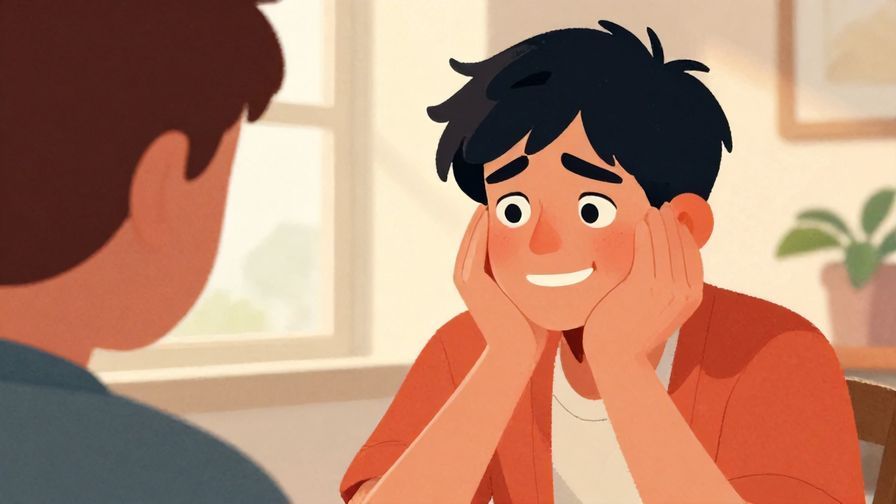
This phrase captures the feeling of affectionate trouble caused by someone.
“困る (komaru)” means “to be troubled or bothered,” so it’s like saying, “You cause me trouble.”
It’s a lighthearted way to say “You’re the death of me” without being too heavy.
Great for teasing close friends or partners gently.
It’s casual but warm, perfect for everyday use.
Use it when someone’s presence is both irritating and delightful.
6. あなたのせいで疲れた (Anata no sei de tsukareta) – “I’m tired because of you.”
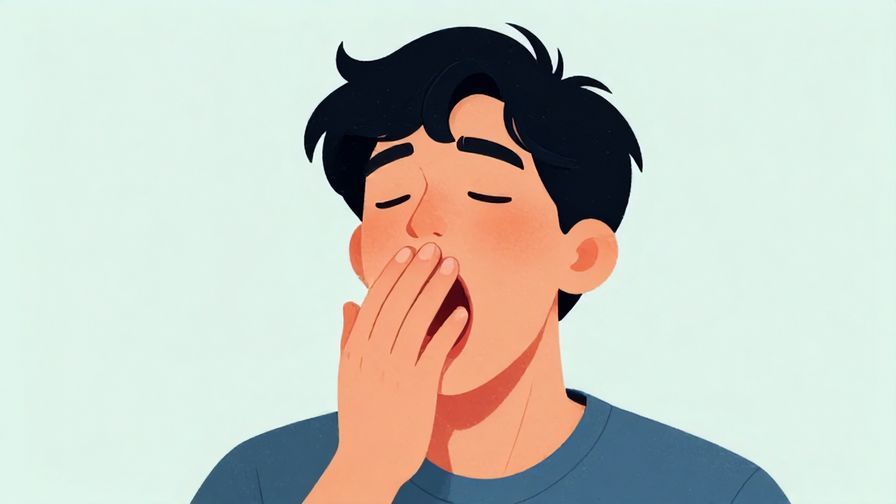
This phrase expresses that someone’s actions wear you out, but usually in a loving way.
“疲れた (tsukareta)” means “tired,” so paired with “あなたのせいで (anata no sei de),” it means “because of you.”
It’s straightforward and easy to use in casual talk.
Use it when you want to say someone’s energy is exhausting but endearing.
Great for playful banter.
Try it when you’re both tired and amused by someone’s behavior.
7. いつも君にやられるよ (Itsumo kimi ni yarareru yo) – “You always get me.”

A casual phrase admitting you’re always “defeated” or overwhelmed by someone.
“いつも (itsumo)” means “always,” and “やられる (yarareru)” is “to be done in” or “defeated.”
Feel free to use this for friends or lovers who keep surprising you.
It’s simple and natural in everyday conversations.
Shows affectionate frustration without being negative.
Perfect for light teasing and bonding.
8. あなたは私の弱点だ (Anata wa watashi no jakuten da) – “You’re my weakness.”
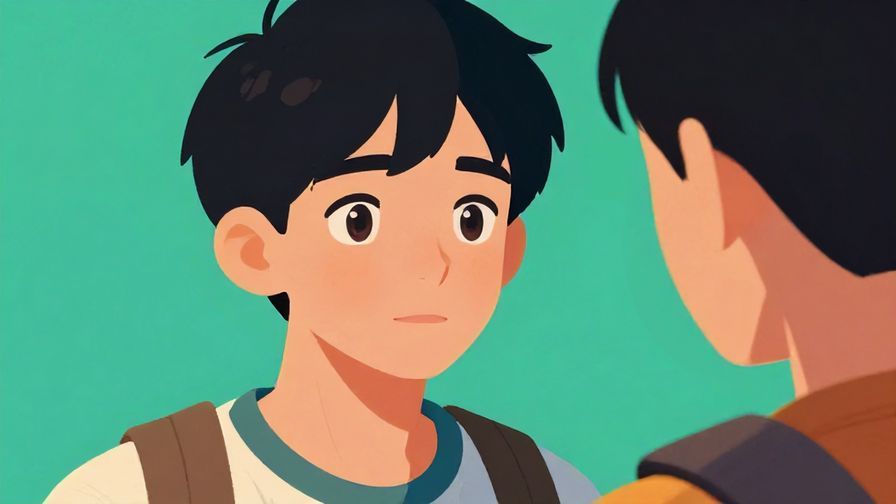
This one is sweet and sincere, saying someone is your “weakness.”
“弱点 (jakuten)” means “weak point” or “vulnerability.”
It’s a lovely way to say “You’ll be the death of me” with affection.
Great for romantic or intimate moments.
Use it when you want to be more poetic and heartfelt.
It’s an endearing phrase to show how much someone affects you.
Part 2: Polite & Formal Suggestions
9. あなたといると疲弊します (Anata to iru to hihei shimasu) – “Being with you exhausts me.”

This is a formal and polite way to express being worn out by someone.
“疲弊します (hihei shimasu)” is a formal verb meaning “to be exhausted” or “worn down.”
It’s suitable for more serious or respectful conversations.
Use this when you want to keep it polite but clear.
It’s less dramatic and more refined than casual phrases.
Perfect for work or formal contexts with close colleagues or acquaintances.
10. おかげさまで疲れてしまいます (Okagesama de tsukarete shimaimasu) – “Thanks to you, I end up exhausted.”

This phrase uses polite language with a touch of irony.
“おかげさまで (okagesama de)” literally means “thanks to (you),” often used politely, “疲れてしまいます” means “end up tired.”
It’s a gentle way to say “You’re the death of me” in a formal setting.
Great for keeping things light but respectful.
Use it with people you want to tease gently without offense.
It balances gratitude and exhaustion nicely.
11. あなたは私の天敵です (Anata wa watashi no tenteki desu) – “You are my arch-nemesis.”
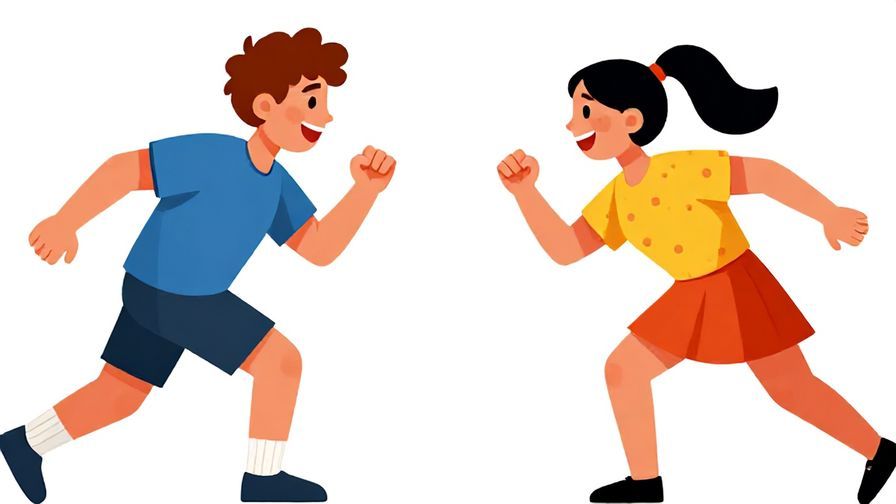
This phrase is formal but playful, calling someone your “arch-nemesis.”
“天敵 (tenteki)” means “natural enemy” or “arch-nemesis.”
It’s great for teasing in a fun, formal way.
Use it when you want to mix humor and respect.
Perfect to express “You’ll be the death of me” with a little dramatic flair.
Works well in friendly rivalry situations.
12. あなたに振り回されてしまいます (Anata ni furimawasarete shimaimasu) – “You’re driving me around.”

This formal phrase means you’re being emotionally or mentally “led around” by someone.
“振り回される (furimawasareru)” means “to be swung around” or “manipulated,” often in a playful sense.
It’s polite but clearly shows the feeling of being overwhelmed.
Use it when you want to express frustration nicely.
It’s a sophisticated way to say “You’ll be the death of me.”
Great for subtle emotional expression.
13. あなたは私の心の負担です (Anata wa watashi no kokoro no futan desu) – “You’re a burden on my heart.”

This is a formal and poetic way to express emotional heaviness caused by someone.
“心の負担 (kokoro no futan)” means “burden on the heart.”
It adds a serious tone to the “death of me” feeling.
Use it when you want to convey deep emotional impact respectfully.
Fits well in meaningful conversations.
Shows vulnerability with elegance.
14. あなたのことが頭から離れません (Anata no koto ga atama kara hanaremasen) – “I can’t get you out of my head.”

This polite phrase shows how someone constantly occupies your thoughts.
“頭から離れません (atama kara hanaremasen)” means “can’t leave my head.”
It’s a romantic and gentle way to say “You’ll be the death of me.”
Use it in both formal and casual contexts to express affection.
It’s heartfelt without being too intense.
Perfect for showing you’re emotionally hooked.
15. あなたのせいで気が狂いそうです (Anata no sei de ki ga kuruisou desu) – “I feel like I’m going crazy because of you.”

This is a dramatic yet polite way to say someone’s driving you crazy.
“気が狂いそう (ki ga kuruisou)” means “about to go crazy.”
It works well when you want to express loving frustration formally.
Use it to emphasize overwhelming emotions with style.
Suitable for strong feelings in polite conversation.
It adds theatrical fun to your language.
16. あなたのことが忘れられません (Anata no koto ga wasureraremasen) – “I can’t forget you.”

This phrase is formal and expresses deep emotional attachment.
“忘れられません (wasureraremasen)” means “cannot forget.”
It’s a tender way to say “You’ll be the death of me” in a serious tone.
Great for heartfelt conversations or poetry.
Use it to show someone’s unforgettable impact on you.
It’s simple yet powerful.
Part 3: Very Casual / Native-like Expressions
17. 死ぬほど好きだよ (Shinu hodo suki da yo) – “I love you to death.”

This is a very casual and passionate expression combining love and “death.”
“死ぬほど (shinu hodo)” means “to death,” and “好きだよ (suki da yo)” means “I love you.”
It’s often used among close lovers or friends.
Sounds native and heartfelt without being heavy.
Use it to show strong affection in a playful way.
Perfect for romantic or friendly contexts.
18. お前は俺の命だ (Omae wa ore no inochi da) – “You’re my life.”

This phrase is casual, masculine, and very direct.
“お前 (omae)” is a very casual “you,” “俺 (ore)” means “I” in a masculine way, “命 (inochi)” means “life.”
It’s a strong declaration of someone being essential to you.
Use it with people you’re very close to.
Sounds natural and deeply emotional.
Great for intimate moments or dramatic flair.
19. お前に殺されそうだよ (Omae ni korosare sou da yo) – “I feel like you’re going to kill me.”
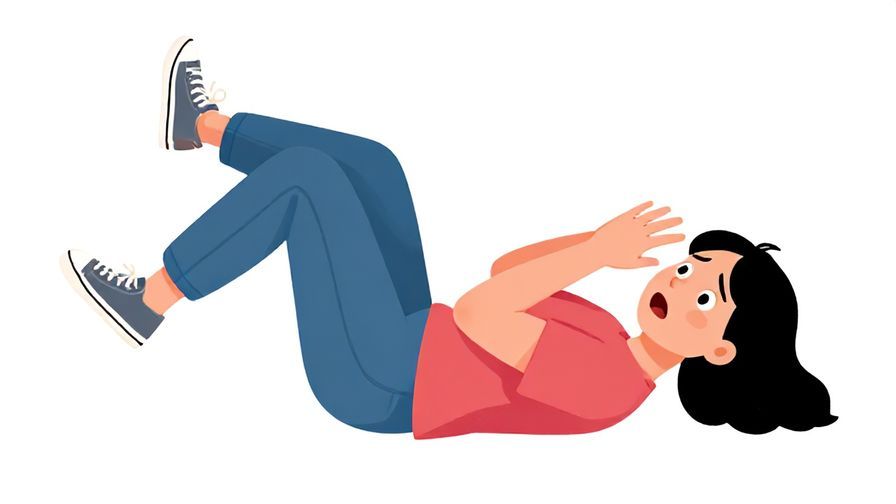
A casual and playful way to say “You’ll be the death of me.”
“殺されそう (korosare sou)” means “about to be killed,” used humorously here.
Use it when someone’s teasing or overwhelming you.
It’s very informal and often said jokingly.
Perfect for close friends or lovers.
Adds fun exaggeration to your chats.
20. お前は俺の弱点だ (Omae wa ore no jakuten da) – “You’re my weakness.”

Similar to number 8 but more casual and masculine.
Use this phrase to confess affectionate vulnerability.
It’s informal and sounds very native.
Great for romantic conversations among young people.
Shows heartfelt honesty with a casual tone.
Perfect for strengthening bonds.
21. お前のせいで参ってる (Omae no sei de maitteru) – “I’m overwhelmed because of you.”
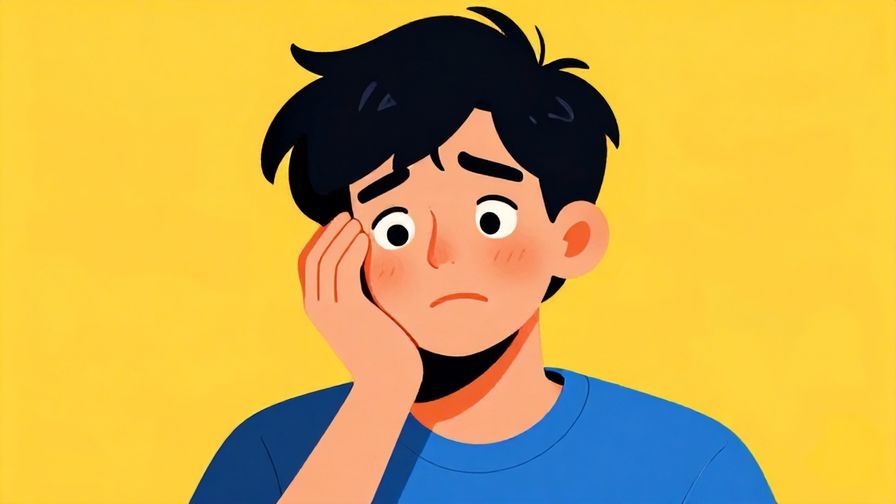
This casual phrase means you’re both frustrated and smitten.
“参ってる (maitteru)” means “being at a loss” or “overwhelmed.”
Use it when someone’s charm or antics get the better of you.
It’s a relaxed, friendly way to say “You’ll be the death of me.”
Fits well in fun, informal contexts.
Use it to share your affectionate exasperation.
22. お前には敵わないよ (Omae ni wa kanawanai yo) – “I can’t win against you.”

This phrase means you admit defeat to someone’s charm or wit.
“敵わない (kanawanai)” means “cannot compete” or “can’t win.”
It’s a native-like way to express affectionate surrender.
Use it when someone’s influence is irresistible.
Casual and very natural in everyday speech.
Perfect for teasing or romantic contexts.
Concluding Thought
Expressing “You’ll be the death of me” in Japanese is all about balancing affection and playful frustration. Each phrase carries its own nuance, from the dramatic to the tender, casual to formal.
Learning these expressions not only helps you sound more natural but also deepens your emotional connection to the language and culture.
So next time someone drives you crazy in the best way, you’ll have just the right words to say it—and maybe even make them smile.