22 Japanese ways to say “Winner decides”
When it comes to deciding who gets the final say, especially in friendly competitions or casual bets, the phrase “Winner decides” comes in super handy. Whether you’re playing games, settling debates, or making plans, there’s a Japanese way to say it for every vibe and situation.
Japanese language is full of nuance, so it’s great to have options that fit from casual to formal, and even playful to serious. It’s like having a toolbox of phrases to keep your conversations natural and fun.
In this list, we’ll explore 22 Japanese ways to express “Winner decides,” complete with pronunciation guides and little tips on how to use them. This will help you sound more native and confident.
Some expressions are quick and casual, perfect for friends, while others carry a polite or formal tone, good for work or respectful settings. And we’ll even dive into some native-like expressions that feel just right in everyday life.
By the end, you’ll have plenty of phrases to choose from, so you can pick the perfect one depending on the situation and who you’re talking to.
Let’s get started and have fun learning these Japanese gems!
Understanding the Basics Before We Dive In
Before jumping into the list, it helps to know a few key words that often pop up in these phrases.
For example, 勝者 (しょうしゃ, shousha) means “winner,” 決める (きめる, kimeru) means “to decide,” and 決まり (きまり, kimari) means “decision” or “rule.” These building blocks will make it easier to understand and remember the expressions.
Also, some phrases use casual verb forms, while others lean on polite forms, so keep an ear out for the tone.

For a solid start, using a phrasebook for Japanese learners can be a helpful companion. It lays out these expressions clearly and helps build your overall fluency.
Now, let’s jump into the actual phrases!
Try to practice with friends or in casual conversations to really get the feel.
Part 1: Casual Suggestions
1. 勝った方が決める (Katta hou ga kimeru) – “The winner decides.”

This is the most straightforward way to say “Winner decides.”
勝った (かった, katta) means “won” or “winner,” 方 (ほう, hou) means “person/side,” and 決める (きめる, kimeru) means “to decide.” Put together, it literally means “The winning side decides.”
It’s casual but clear, great for informal games or friendly bets.
You can use this phrase anytime you want to let the winner have the final say.
It’s a handy, no-frills way to keep things simple.
Feel free to use it with friends or family without sounding too stiff.
2. 勝者の決定 (Shousha no kettei) – “Winner’s decision.”

This phrase is a bit more formal and often used in announcements or written rules.
勝者 (しょうしゃ, shousha) means “winner,” and 決定 (けってい, kettei) means “decision” or “determination.”
It’s perfect when you want to sound official or clear in formal conversations.
Keep in mind this sounds less casual, so it’s better for competitions or events.
It’s a great phrase to learn if you’re involved in organizing games or contests.
Try using it when explaining rules or outcomes politely.
3. 勝った人が決める (Katta hito ga kimeru) – “The person who wins decides.”

This one emphasizes the individual who wins rather than the side or team.
勝った人 (かったひと, katta hito) means “the person who won,” and 決める (きめる, kimeru) means “to decide.”
It’s a bit more conversational and personal.
Use it when you want to be casual but clear about who has the deciding power.
Great for games among friends or small group decisions.
It’s easy to remember and rolls off the tongue nicely.
4. 勝った方がルールを決める (Katta hou ga ruuru o kimeru) – “The winner decides the rules.”
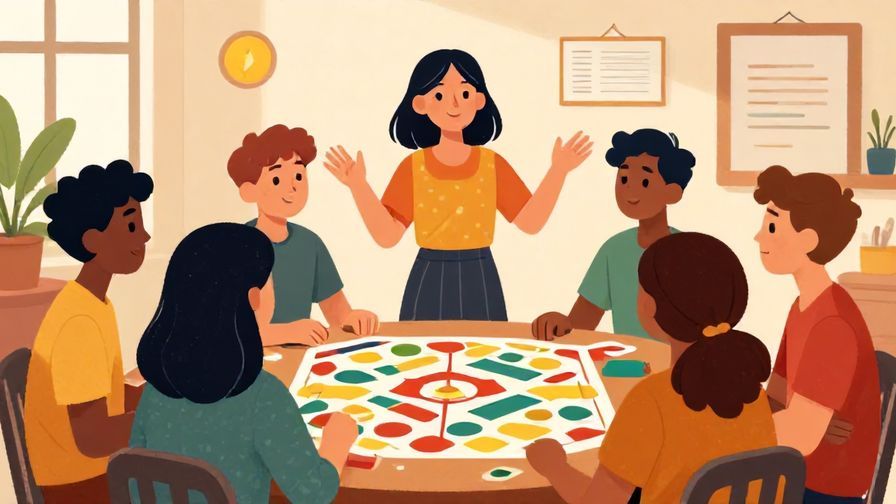
This phrase is great when the winner gets to set the rules for the next round or game.
ルール (ruuru) means “rules,” borrowed from English, so it’s easy to remember.
It’s casual and perfect for playful settings where the winner has extra privileges.
Use it to add a fun twist to your game nights.
It’s a phrase that encourages friendly competition with a bit of strategy.
Try it out when you want to spice up your gatherings.
5. 勝者が決定権を持つ (Shousha ga ketteiken o motsu) – “The winner holds the decision power.”

This phrase is a little more serious and implies that the winner has the authority to decide.
決定権 (けっていけん, ketteiken) means “decision right” or “authority.”
It’s useful in contexts where the winner’s power is official or respected.
Good for competitions with stakes or formal decision-making.
Using this phrase shows respect for the winner’s role.
Try it when you want to express respect for the winner’s choice.
6. 勝った側が決める (Katta gawa ga kimeru) – “The winning side decides.”

This phrase highlights the team or side rather than the individual.
側 (がわ, gawa) means “side” or “party.”
It’s ideal for team games or group decisions.
Casual but clear and easy to use in everyday chats.
Great for sports or group competitions.
Keep this one handy for any group decision-making after contests.
7. 勝った人の意見が通る (Katta hito no iken ga tooru) – “The winner’s opinion goes through.”

This phrase is a bit softer, focusing on the winner’s opinion being accepted.
意見 (いけん, iken) means “opinion,” and 通る (とおる, tooru) means “to pass” or “to be accepted.”
It’s great for discussions where the winner’s suggestion is final.
Use it casually to show that the winner’s voice carries weight.
It’s a friendly way to show respect while keeping the tone light.
Perfect for group projects or planning sessions.
8. 勝者の判断で決まる (Shousha no handan de kimaru) – “Decided by the winner’s judgment.”

This phrase emphasizes that the winner’s judgment or decision is final.
判断 (はんだん, handan) means “judgment” or “decision.”
It’s polite-casual and good for situations where the winner’s choice is respected.
Great for semi-formal discussions or friendly debates.
It adds a nice touch of respect to the winner’s role.
Try it when you want to sound thoughtful yet casual.
Part 2: Polite & Formal Suggestions
9. 勝者が最終決定を下す (Shousha ga saishuu kettei o kudasu) – “The winner makes the final decision.”

This is a formal and respectful way to say “Winner decides.”
最終決定 (さいしゅうけってい, saishuu kettei) means “final decision,” and 下す (くだす, kudasu) means “to make” or “to issue.”
Perfect for official events, competitions, or business contexts.
It clearly states that the winner’s decision is final and authoritative.
Use this when you want to sound professional and respectful.
It’s a great phrase for formal announcements or documents.
10. 勝者の意向に従う (Shousha no ikou ni shitagau) – “Follow the winner’s intention.”

意向 (いこう, ikou) means “intention” or “wish,” and 従う (したがう, shitagau) means “to follow.”
This phrase is polite and implies respect for the winner’s wishes.
It’s great in professional or formal social settings.
Use it when you want to emphasize cooperation with the winner’s decision.
It sounds respectful and considerate.
Try it in polite conversations or official meetings.
11. 勝者の判定に従う (Shousha no hantei ni shitagau) – “Follow the winner’s judgment.”

判定 (はんてい, hantei) means “judgment” or “decision.”
The phrase is polite and often used in competitions or arbitration.
It shows acceptance of the winner’s decision as fair and final.
Good for referees, judges, or formal contest announcements.
It adds a tone of fairness and respect.
Use it to underline the legitimacy of the winner’s choice.
12. 勝者の判断により決定する (Shousha no handan ni yori kettei suru) – “Decided according to the winner’s judgment.”

This phrase is polite and formal, emphasizing the decision follows the winner’s judgment.
It’s often used in official documents or announcements.
Good for clear, respectful communication in formal settings.
Shows that the process is guided by the winner’s choice.
Use this to sound professional and precise.
Ideal for written rules or formal speeches.
13. 勝者の決定に従う (Shousha no kettei ni shitagau) – “Follow the winner’s decision.”

This polite phrase expresses following the winner’s decision respectfully.
It’s simple and clear, perfect for polite conversation.
Use it in business or social situations where respect is key.
It’s a great way to show agreement without being too casual.
Try it when you want to keep things smooth and polite.
It balances respect and friendliness well.
14. 勝者の指示に従う (Shousha no shiji ni shitagau) – “Follow the winner’s instructions.”

指示 (しじ, shiji) means “instructions” or “directions.”
This phrase is polite and implies the winner directs the next steps.
Good for situations where the winner’s choice involves giving orders or guidance.
Use it in formal or group settings.
It highlights leadership and respect.
Try this when you want to stress that the winner leads the way.
15. 勝者の決定を尊重する (Shousha no kettei o sonchou suru) – “Respect the winner’s decision.”

This phrase emphasizes respect for the winner’s decision.
尊重する (そんちょうする, sonchou suru) means “to respect” or “honor.”
It’s polite and thoughtful, perfect for formal or sensitive situations.
Use it to show you value the winner’s choice sincerely.
Great for speeches or polite conversations.
It adds warmth and respect to your language.
16. 勝者の判断を優先する (Shousha no handan o yuusen suru) – “Prioritize the winner’s judgment.”

優先する (ゆうせんする, yuusen suru) means “to prioritize.”
This phrase is formal and polite, indicating the winner’s judgment comes first.
Good for situations where the winner’s opinion is given priority.
It’s useful in meetings or organized competitions.
Use it to show the winner’s authority respectfully.
It’s a clear and professional phrase to keep in mind.
Part 3: Very Casual / Native-like Expressions
17. 勝ったもん勝ち (Katta mon gachi) – “Winner takes all.”

This phrase is very casual and often used by native speakers in playful or joking contexts.
もん (mon) is a casual ending particle giving a reason or emphasis, and 勝ち (がち, gachi) means “win” or “victory.”
It literally means “the one who wins, wins.”
Use it among close friends or in fun competitions.
It has a playful, confident tone that’s very common in daily speech.
Try to use it when you want to sound relaxed and native-like.
18. 勝った人の言うことが絶対 (Katta hito no iu koto ga zettai) – “What the winner says is absolute.”

言うこと (いうこと, iu koto) means “what (someone) says,” and 絶対 (ぜったい, zettai) means “absolute” or “definite.”
This phrase is casual and strong, implying the winner’s word is final.
Use it with friends or informal groups.
It’s a fun and emphatic way to say the winner decides.
Great for adding humor or confidence.
Try it to sound natural and playful.
19. 勝った方の好きにしていいよ (Katta hou no suki ni shite ii yo) – “The winner can do as they like.”

好きにしていいよ (すきにしていいよ, suki ni shite ii yo) means “can do as they like.”
This expression is super casual and friendly.
It lets the winner choose freely without restrictions.
Perfect for informal hangouts or games.
Use it when you want to sound easygoing and generous.
It’s a very natural phrase in everyday conversations.
20. 勝った人の勝ちだね (Katta hito no kachi da ne) – “The winner wins, right?”
This phrase repeats the idea in a cute, casual way.
勝ちだね (kachi da ne) means “that’s a win, right?”
It’s often used to confirm or celebrate the winner’s right to decide.
Good for lighthearted moments among friends.
Use it to keep the mood cheerful and inclusive.
It’s a phrase that feels friendly and warm.
21. 勝った人の言うことがルールだよ (Katta hito no iu koto ga ruuru da yo) – “What the winner says is the rule.”
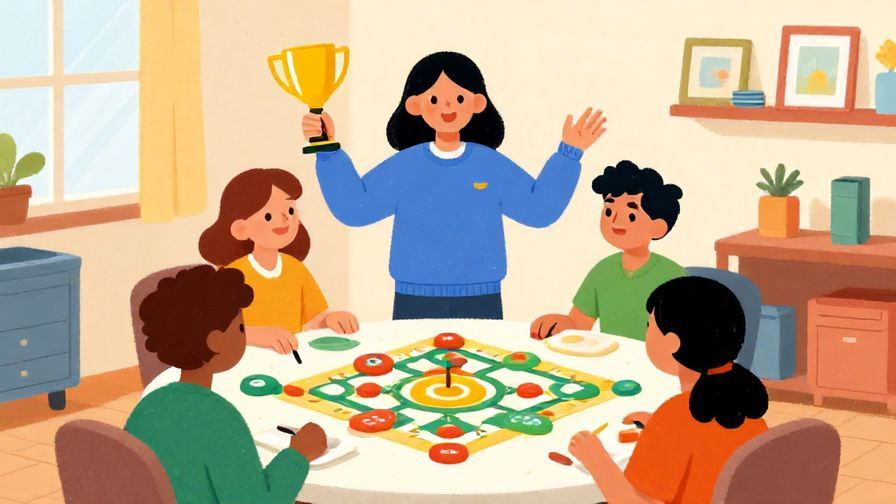
This phrase combines casual speech with borrowed word ルール (rules).
It means the winner’s word becomes the rule.
Perfect for game nights or playful debates.
Use it when you want to keep things fun and easygoing.
It’s a phrase that sounds natural and spontaneous.
Great for casual conversations with friends.
22. 勝った方が決めちゃえ (Katta hou ga kimechae) – “Let the winner decide (casual, playful).”

決めちゃえ (kimechae) is a casual, playful imperative form of “decide.”
This phrase encourages letting the winner decide in a fun and relaxed way.
It’s great for informal groups and friendly challenges.
Use it to sound lively and native-like.
It’s a good phrase to break the ice or lighten the mood.
Try it with close friends or family for a natural feel.
Concluding Thought
Exploring these 22 Japanese ways to say “Winner decides” shows how rich and flexible the language is, adapting from super casual to formal and respectful tones.
Choosing the right phrase for your situation can make your conversations smoother and more natural, whether you’re joking with friends or handling a serious event.
So, keep practicing, mix and match these phrases, and enjoy the fun of Japanese communication – after all, the winner gets to decide the best way!