22 Japanese ways to say “Who cares?”
Ever found yourself wanting to say “Who cares?” in Japanese, but not sure how to express it just right?
Whether you want to sound casual, polite, or somewhere in between, Japanese has a bunch of ways to get that vibe across.
From shrugging off something unimportant to a more nuanced “doesn’t matter to me,” these phrases have you covered.
Learning these will not only boost your language skills but also help you navigate social situations with that perfect dose of attitude.
Plus, each phrase has its own flavor, so you can pick what fits your mood or the context.
Ready to dive in? Let’s explore 22 Japanese ways to say “Who cares?” with warmth, humor, and a touch of everyday life.
Getting Started with “Who Cares?” in Japanese
Before jumping into the list, it’s good to know that how you say “Who cares?” can vary a lot depending on tone and situation.
Japanese can be very direct or super polite, so picking the right phrase helps you sound natural and respectful—or cheeky when you want.
Many expressions revolve around key words like 気にしない (ki ni shinai) meaning “don’t care” or 知らない (shiranai) meaning “don’t know,” which often imply indifference.

Sometimes, having a great phrasebook can really help solidify these basics and boost your confidence.
Keep an open mind, and be ready to try different expressions depending on your vibe!
It’s easier than you think once you get the hang of the context and casual vs. polite levels.
Part 1: Casual Suggestions
1. どうでもいい (Doudemo ii) – “Whatever, I don’t care.”
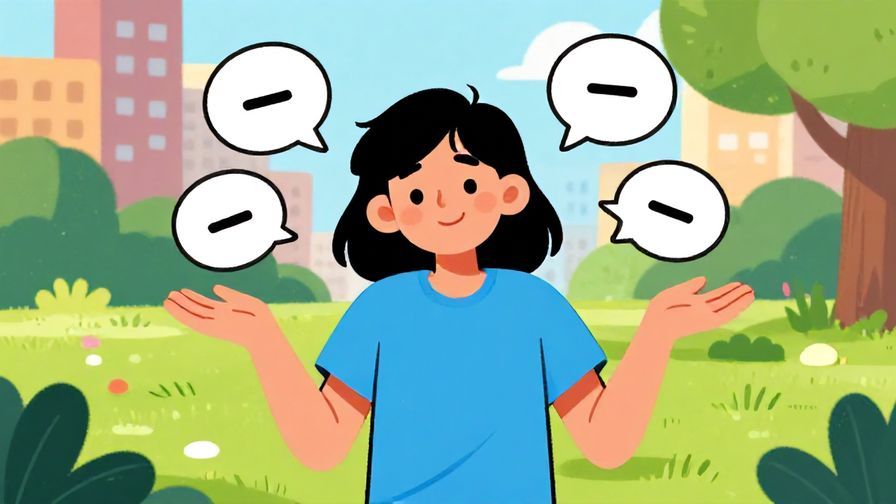
This phrase nails the casual “Who cares?” vibe perfectly.
It literally means “whatever is fine” or “it doesn’t matter,” making it a go-to for shrugging off something unimportant.
You can use it when you want to show disinterest without sounding rude.
It’s short, punchy, and easy to remember.
You might hear it in everyday conversations among friends or coworkers.
Try it next time someone asks your opinion on something trivial—it’s perfectly natural!
2. 気にしない (Ki ni shinai) – “I don’t care / I’m not bothered.”

Literally meaning “don’t mind,” this phrase is a polite but casual way to express indifference.
It’s great because it doesn’t sound harsh; it’s more like “It’s okay, I’m not bothered.”
Use it when you want to keep things light and avoid conflict.
Be careful not to overuse it in serious conversations.
For example, if someone apologizes for a minor mistake, saying 気にしない shows kindness and easy-going attitude.
It’s a versatile phrase that fits many social situations.
3. 知らねえよ (Shirane e yo) – “I don’t know, who cares!” (rough)

This is a very casual, rough way to say “Who cares?”
知らねえ (shirane e) is a slangy form of 知らない (shiranai), meaning “don’t know,” and adding よ makes it punchy.
Use it only with close friends or in casual, informal settings.
It has a bit of an attitude and can come off rude if used improperly.
If you want to sound tough or playful, this one’s your pick.
Just be mindful of the tone and setting!
4. どうでもよくない? (Doudemo yokunai?) – “Who cares, right?” (casual, rhetorical)

This phrase is a casual, conversational way to say “Who cares, huh?”
It’s a rhetorical question implying “It doesn’t really matter.”
Perfect for light-hearted chats or when you want to brush off a topic.
The “よくない?” ending softens the phrase, making it sound more playful.
Great for friendly banter or casual debates.
It’s easy to practice with friends and get the right tone.
5. ほっといて (Hottoite) – “Leave me alone / Who cares (about that)!”

This phrase literally means “leave me alone,” but can be used to express “Who cares?” in a dismissive way.
It’s casual and can sound a bit sharp, so use carefully.
Works well when you want to shut down a topic or ignore something annoying.
Not for polite or formal situations.
Try it when someone’s nagging and you want to playfully brush it off.
Adding ほっといてよ (hottoite yo) makes it more emphatic and casual.
6. どうでもいいよ (Doudemo ii yo) – “I really don’t care.”

This is a slightly softer version of どうでもいい, adding よ to make it more friendly.
Use it when you want to express genuine indifference but keep the vibe light.
It’s perfect for casual chats or when you want to coolly signal “whatever.”
Adding よ makes the phrase sound more natural and less blunt.
Great for showing you’re easy-going without being dismissive.
Remember, tone is key to keeping this phrase warm and casual.
7. そんなの関係ない (Sonna no kankei nai) – “That has nothing to do with me.”

This phrase means “That has nothing to do with me,” so it’s a firm way to say “Who cares?”
It’s casual but can sound a little strong depending on tone.
Use it to clearly detach yourself from a topic or drama.
It’s great when you want to assert boundaries without being rude.
Perfect in situations where someone tries to involve you unnecessarily.
Practice saying it calmly to avoid sounding confrontational.
8. どうせ (Douse) – “Anyway / Who cares anyway.”

どうせ can mean “anyway” or imply “it doesn’t matter anyway.”
It’s often used to dismiss something as unimportant or inevitable.
Use it to convey a casual “Who cares?” with a hint of resignation.
It’s short and very common in everyday speech.
Can be paired with other phrases like どうせ気にしない (douse ki ni shinai) for “I don’t care anyway.”
Try it out to sound more natural and native-like.
Part 2: Polite & Formal Suggestions
9. 気にしません (Ki ni shimasen) – “I don’t mind / I don’t care.”

This is the polite form of 気にしない, perfect for formal settings.
Use it when you want to express “I don’t care” respectfully.
It’s great for work, meeting new people, or any situation where politeness is key.
It sounds neutral and non-offensive.
Try it in emails or conversations where you want to maintain professionalism.
Knowing this will help you navigate social hierarchies smoothly.
10. 興味がありません (Kyoumi ga arimasen) – “I have no interest.”
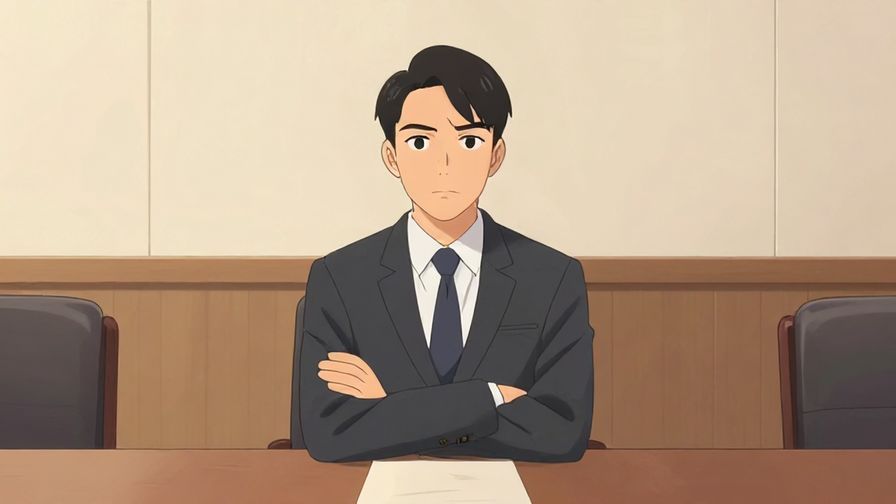
This phrase literally means “I have no interest,” a polite and clear way to say “Who cares?”
It’s perfect when you want to express disinterest without sounding blunt.
Use it in business or formal conversations when declining topics.
It’s softer than outright dismissal but still communicates your stance.
Practice saying it with a calm tone to keep it professional.
Add this to your polite vocabulary for work or formal events.
11. 関心がありません (Kanshin ga arimasen) – “I’m not concerned/interested.”

Similar to 興味がありません, this means “I’m not concerned” or “not interested.”
It’s polite and slightly formal, good for professional settings.
Use it when you want to keep a neutral tone but clearly express indifference.
It avoids sounding rude yet makes your position understood.
Good for meetings or when discussing topics irrelevant to you.
Practice this phrase to sound thoughtful but firm.
12. 気にかけていません (Ki ni kakete imasen) – “I’m not concerned about it.”

This is a polite and slightly formal way to say “I don’t care” or “I’m not concerned.”
It’s a bit longer but shows thoughtfulness.
Use it to express polite detachment.
Helpful in delicate conversations where you don’t want to dismiss outright.
Pair it with a gentle tone to keep the mood respectful.
It’s a useful phrase for nuanced communication.
13. 関係ありません (Kankei arimasen) – “It’s not related / doesn’t concern me.”

This phrase is polite and direct, meaning “It’s not related” or “It doesn’t concern me.”
It’s useful in formal or semi-formal settings to indicate detachment.
Use it when you want to say “Who cares?” in a clear but respectful manner.
It’s often used in business or official conversations.
Practice to use it confidently without sounding cold.
This helps maintain professionalism while setting boundaries.
14. お構いなく (Okamainaku) – “Don’t bother / No need to care.”

This is a very polite way to say “No need to worry” or “Don’t bother.”
It’s often used to politely tell someone not to care about something.
Great for formal or respectful conversations.
It softens the tone and shows good manners.
Try it when declining help or when you want to ease a situation.
It’s a courteous way to express “Who cares?” without offense.
15. 気に留めません (Ki ni tomemasu) – “I won’t pay attention / I don’t care.”

This phrase means “I won’t pay attention,” a polite way to show you don’t care.
It’s useful for formal contexts where you want to say you’re unaffected.
Use it when you want to politely dismiss a topic or distraction.
It sounds thoughtful but firm.
Helpful in conversations where maintaining composure is important.
Practice it to sound calm and confident.
16. 気にしていません (Ki ni shite imasen) – “I’m not worrying about it.”
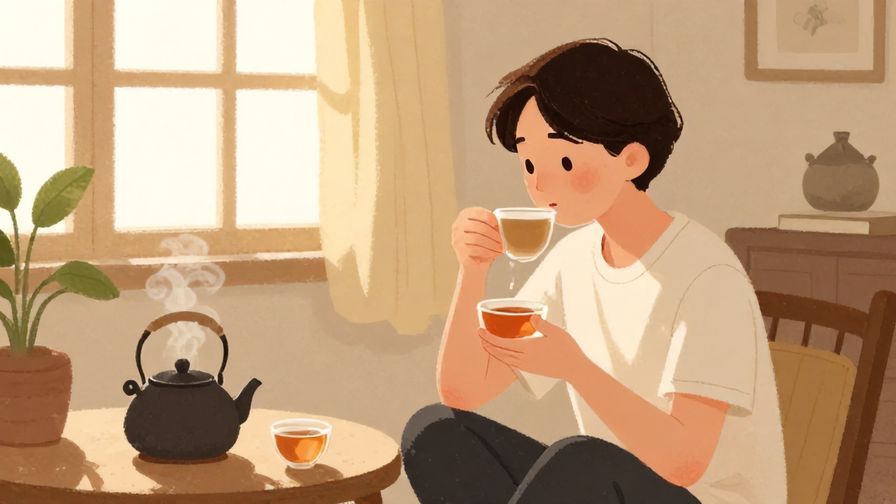
This polite phrase means “I’m not worrying about it,” implying “I don’t care.”
It’s gentle and perfect for maintaining harmony.
Use it when you want to show you’re unaffected by something.
It’s a great phrase for polite everyday conversations.
Practice with a soft tone to keep it warm.
It helps you sound calm and considerate.
Part 3: Very Casual / Native-like Expressions
17. しらねーよ (Shiranee yo) – “Who cares? I don’t know!” (very casual)

This is a very casual, slangy way to say “I don’t know, who cares!”
It’s rough but common among young people or close friends.
Use only in informal, friendly settings.
It adds attitude and humor.
Often used when you want to dismiss something quickly.
Be careful not to offend anyone with it.
18. どーでもいいわ (Doodemo ii wa) – “Who cares? Whatever.”

This phrase sounds laid-back and slightly playful.
Adding わ (wa) softens the phrase and adds a feminine or casual tone.
Perfect for expressing “Who cares?” in a relaxed way.
Use it with friends or in casual chats.
It’s easy to remember and fun to say.
Try it when you want to sound chill and indifferent.
19. 知ったこっちゃない (Shitta koccha nai) – “None of my business / Who cares?”

This phrase means “It’s not my problem” or “None of my business.”
It’s casual and a bit blunt, so use carefully.
Great for showing strong indifference or detachment.
Often used when you want to shut down a topic completely.
Practice with a confident tone to sound natural.
Best reserved for informal conversation.
20. どうでもよくね? (Doudemo yokune?) – “Who cares, right?” (very casual)

Very casual and colloquial, this phrase is a shortened, informal version of どうでもよくない?
It’s perfect for close friends or casual chats.
It conveys playful indifference.
Use it to lighten the mood or dismiss something trivial.
Be mindful of tone so it doesn’t sound rude.
It’s fun and easy to practice among peers.
21. ほっとけ (Hottoke) – “Leave it alone / Who cares?” (very blunt)

Very direct and blunt, this is a strong “Who cares?” or “Leave it alone.”
Use only with close friends or when joking to avoid offense.
It’s perfect for showing impatience or dismissal.
Not for polite or unfamiliar company.
Practice tone carefully—it can sound harsh.
Great for expressive, native-like speech.
22. うるせーよ (Urusee yo) – “Shut up! Who cares?” (rude but common)

This is a rude, slangy way to say “Shut up! Who cares?”
It’s very informal and can be offensive.
Common among close friends in a joking way or in heated moments.
Use with caution and only if you’re sure it’s okay.
It shows a strong dismissal and impatience.
Good to recognize but not always to use.
Concluding Thought
Learning how to say “Who cares?” in Japanese opens up a fun window into casual, polite, and expressive language use.
Whether you want to be playful, polite, or a little cheeky, there’s a phrase for every mood and situation.
Try adding these to your conversations and watch your Japanese sound even more natural and relatable!