22 Japanese ways to say “What’s wrong?”
Sometimes, you just want to check in with someone and ask, “What’s wrong?” in a gentle, caring way. In Japanese, there are many ways to do this, depending on your relationship and the situation.
Whether you want to sound casual, polite, or like a native speaker, knowing multiple expressions can help you connect better with others.
From simple phrases to more expressive ones, this list will warm your heart and expand your Japanese vocabulary.
Let’s explore 22 authentic and natural ways to ask “What’s wrong?” in Japanese, with helpful tips and pronunciation guides to make you feel confident.
Learning these will not only boost your language skills but also your ability to empathize and communicate effectively in different contexts.
Ready to deepen your Japanese conversation skills? Let’s get started!
Understanding How to Say “What’s Wrong?” in Japanese
In Japanese, the way you ask “What’s wrong?” changes based on politeness, familiarity, and emotional tone.
You might use short, casual phrases with friends or more formal expressions with someone you don’t know well.
Knowing the right phrase helps you sound natural and caring without being too direct or rude.

Sometimes, using a great beginner phrasebook can give you a perfect starting point for a cohesive understanding.
Once you get a feel for these expressions, you can use them naturally in everyday conversations.
It’s all about matching the right phrase to the right moment.
Part 1: Casual Suggestions
1. どうしたの? (Dō shita no?) – “What happened?”

This is the most common and casual way to ask “What’s wrong?” in Japanese.
“どうした” (Dō shita) literally means “what happened,” and “の” (no) adds a soft question tone, making it feel friendly and caring.
You can use this with close friends or family when you notice something’s off.
It’s simple but powerful because it opens the door for someone to share their feelings.
Related phrases include “どうしたの?” with a gentle voice to show empathy.
Try using this phrase when you want to check in casually without sounding too formal.
2. 何かあった? (Nanika atta?) – “Did something happen?”
Use this question when you sense a problem but want to confirm gently.
“何か” (Nanika) means “something,” and “あった” (atta) is the past tense of “to be” or “to happen.”
This phrase is casual and works well with peers.
A common mistake is sounding too accusatory; keep your tone soft to avoid this.
For example, you might say, “何かあった?顔色が悪いよ” (“Did something happen? You don’t look well.”)
This phrase shows you care while giving the other person space to explain.
3. 大丈夫? (Daijōbu?) – “Are you okay?”

“大丈夫?” is a versatile and casual way to ask if someone is okay.
It literally means “all right?” and can be used to check on someone’s emotional or physical state.
It’s short, sweet, and shows genuine concern.
Be careful not to use it too abruptly; a gentle tone makes a big difference.
Try saying, “大丈夫?元気ないね” (“Are you okay? You don’t seem yourself.”)
It’s a quick go-to phrase that fits many situations.
4. どうしたの?元気ないね (Dō shita no? Genki nai ne) – “What’s wrong? You don’t seem well.”

This phrase adds a little more context to “どうしたの?” by pointing out the change in energy or mood.
“元気ない” (Genki nai) means “not energetic” or “down.”
It’s a caring way to say you’ve noticed something’s off beyond just asking what’s wrong.
It encourages the other person to open up more.
Use it with people you’re close to but want to express your concern more deeply.
Pair this phrase with a soft voice for best effect.
5. 何か悩みがある? (Nanika nayami ga aru?) – “Do you have something troubling you?”
This phrase is a bit more direct but still gentle, asking if someone has worries or troubles.
“悩み” (Nayami) means “worry” or “trouble,” and “ある” (aru) means “there is.”
It’s perfect when you want to be a bit more specific about their feelings.
Make sure to use a kind tone so it doesn’t come off intrusive.
Example: “最近、何か悩みがある?” (“Do you have any worries lately?”)
This phrase shows you’re ready to listen if they want to share.
6. どうした? (Dō shita?) – “What’s wrong?” (very casual)

This is a super casual and shortened version of “どうしたの?”
It’s great for close friends or younger people.
Use it when you want to be brief and informal.
Be mindful that it might sound too blunt if used with strangers.
“どうした?” can be paired with a soft expression to keep it friendly.
It’s a simple phrase that fits many casual settings.
7. 何か変だよ? (Nanika hen da yo?) – “Something’s strange, right?”
This phrase points out that you’ve noticed something unusual.
“変” (hen) means “strange” or “off.”
It’s a gentle way to invite someone to explain without directly asking “What’s wrong?”
Use this when you want to express curiosity and concern.
Example: “最近、元気ないね。何か変だよ?” (“You haven’t seemed yourself lately. Something’s strange, right?”)
This phrasing can help prompt a deeper conversation.
8. どうかした? (Dō ka shita?) – “Did something happen?” (casual)

“どうかした?” is a friendly, casual way to ask if something’s happened.
It’s very similar to “どうしたの?” but sounds softer and slightly less direct.
Great for use among friends or informal contexts.
Keep your tone light to avoid sounding accusatory.
Example: “どうかした?顔色悪いよ” (“Did something happen? You look pale.”)
This phrase is gentle and inviting for someone to share.
Part 2: Polite & Formal Suggestions
9. どうしましたか? (Dō shimashita ka?) – “What happened?” (polite)

This is the polite version of “どうしたの?” perfect for coworkers or acquaintances.
“しました” is the polite past form of “する” (to do), and “か” marks the question.
It sounds respectful and caring without being too familiar.
Use this phrase in workplaces or formal situations.
For example, “大丈夫ですか?どうしましたか?” (“Are you okay? What happened?”)
It’s a great phrase to show empathy professionally.
10. 何か問題がありますか? (Nanika mondai ga arimasu ka?) – “Is there a problem?”
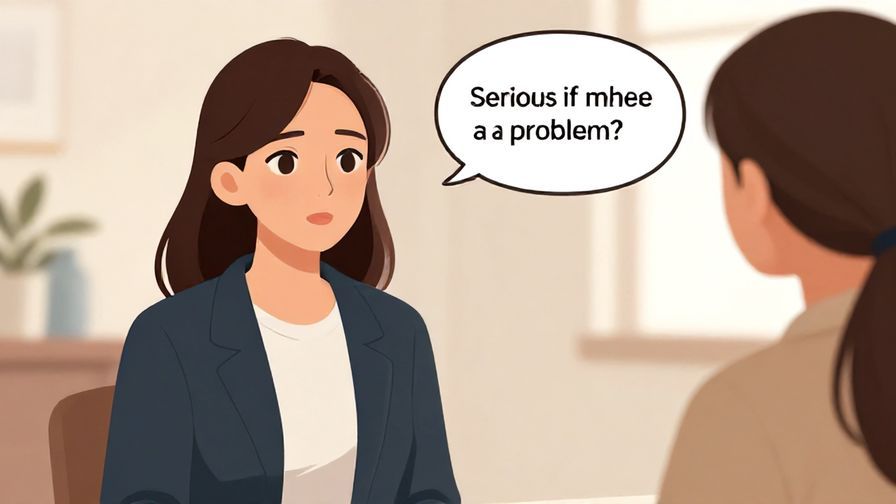
This phrase is polite and a bit more formal when you want to check if there’s a problem.
“問題” (mondai) means “problem,” and “ありますか” is a polite “is there?”
It’s useful in professional or unfamiliar contexts.
Be careful using it with close friends as it might sound too formal or distant.
Example: “何か問題がありますか?手伝いましょうか?” (“Is there a problem? Shall I help?”)
It’s a respectful way to offer support.
11. 具合が悪いですか? (Guai ga warui desu ka?) – “Are you feeling unwell?”
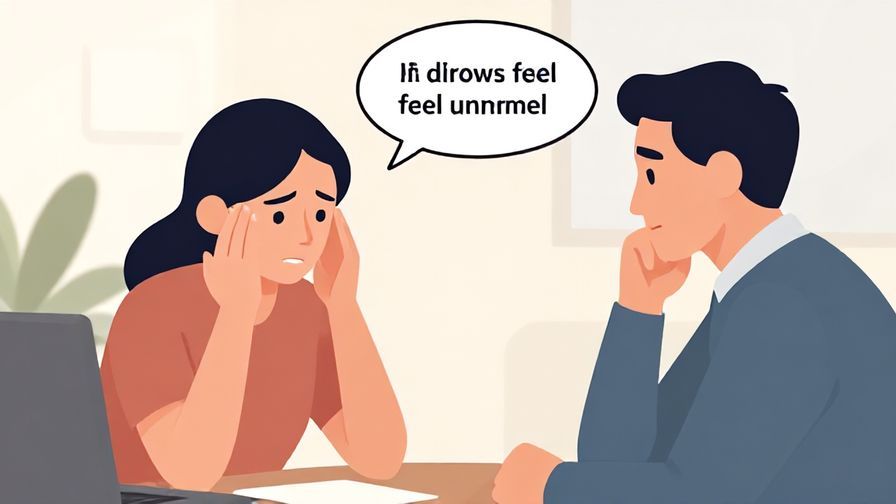
This is a polite way to ask about someone’s health or general well-being.
“具合” (guai) means “condition,” and “悪い” (warui) means “bad.”
It’s often used when someone looks physically sick or tired.
Using “ですか” makes the sentence polite.
Example: “顔色が悪いですね。具合が悪いですか?” (“You look pale. Are you feeling unwell?”)
This phrase shows attentiveness in formal settings.
12. 何かお困りですか? (Nanika okomari desu ka?) – “Are you troubled by something?”

This phrase is very polite and formal, perfect for customer service or professional situations.
“お困り” (okomari) is the respectful form of “困る” (komaru), meaning “to be troubled.”
It’s a respectful way to ask if someone needs help.
Try this phrase if you want to sound very courteous.
Example: “何かお困りですか?お手伝いしましょうか?” (“Are you troubled by something? Shall I assist?”)
It’s excellent for attentive and professional communication.
13. どうかされましたか? (Dō ka saremashita ka?) – “Has something happened?” (very polite)

This is a very polite and elegant way to ask if something’s wrong.
It’s formal and often used in customer service or with elders.
“されましたか” is the polite past passive form, adding softness.
Use this when you want to be very respectful.
Example: “顔色が優れませんね。どうかされましたか?” (“You don’t look well. Has something happened?”)
This phrase conveys deep concern with high politeness.
14. 何かご心配なことがありますか? (Nanika goshinpai na koto ga arimasu ka?) – “Is there something you’re worried about?”

This phrase is formal and thoughtful, asking about worries or concerns.
“ご心配” (goshinpai) is a respectful term for “worry,” and “ありますか” is polite “is there?”
Good for sensitive conversations in formal environments.
Example: “何かご心配なことがありますか?お話しください。” (“Is there something you’re worried about? Please talk to me.”)
This expression invites sharing with respect.
Using it shows both care and etiquette.
15. 何か変わったことがありましたか? (Nanika kawatta koto ga arimashita ka?) – “Did anything unusual happen?”

This polite phrase asks if anything unusual or different has happened.
“変わったこと” (kawatta koto) means “changed thing” or “something unusual.”
It’s useful when you want to be polite but specific.
Example: “最近、何か変わったことがありましたか?” (“Has anything unusual happened recently?”)
It invites explanation in a respectful tone.
Great for formal check-ins with acquaintances.
16. お元気がないようですが、どうされましたか? (Ogenki ga nai yō desu ga, dō saremashita ka?) – “You don’t seem well, what happened?”

This is a very polite and empathetic way to ask what’s wrong.
“お元気がない” means “not energetic,” and “どうされましたか” is a respectful way of asking “what happened?”
It’s great for elders or formal situations.
Example: “お元気がないようですが、どうされましたか?” (“You don’t seem well, what happened?”)
This phrase combines care with politeness beautifully.
Use it when you want to sound sincere and respectful.
Part 3: Very Casual / Native-like Expressions
17. どした? (Doshita?) – “What’s wrong?” (very casual)
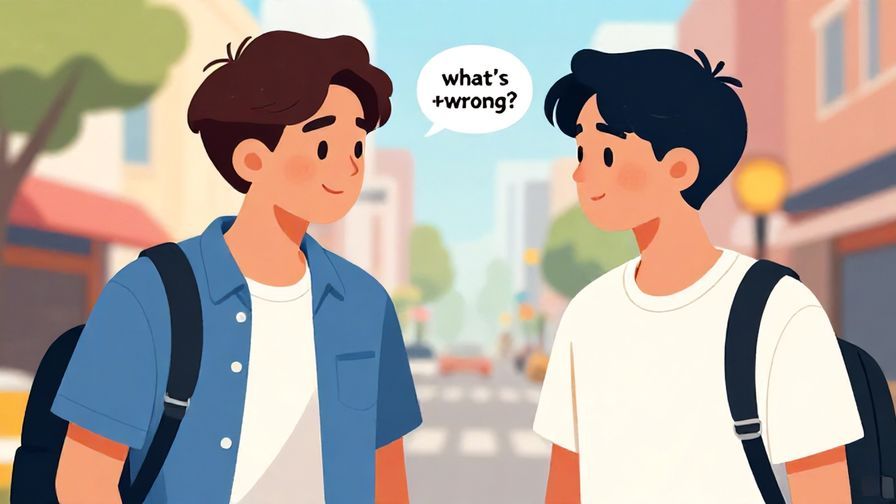
This is a super casual, slangy version of “どうした?” often used by young people.
It drops sounds for a faster, informal feel.
Perfect among close friends or in relaxed settings.
Be careful not to use this with people you don’t know well.
Example: “どした?元気ないじゃん” (“What’s wrong? You don’t seem well.”)
This phrase helps you sound like a native speaker in casual talks.
18. 何かあったん? (Nanika attan?) – “Did something happen?” (casual Kansai dialect)
This is a casual Kansai dialect way of saying “Did something happen?”
“あったん” is a slangy contraction of “あったの” used in Kansai-ben.
Use this if you want to sound regional and friendly.
Example: “何かあったん?顔色悪いで” (“Did something happen? You look pale.”)
It’s great for informal, regional conversations.
Kansai dialect expressions add fun local flavor.
19. どしたん? (Doshitan?) – “What’s wrong?” (casual Kansai dialect)
Another Kansai dialect casual phrase, shortening “どうしたの?”
It sounds even softer and more familiar.
Use with friends from Kansai or if you want to sound local.
Example: “どしたん?元気ないやん” (“What’s wrong? You don’t seem well.”)
This phrase adds friendly warmth and regional charm.
Perfect for casual chats in Kansai or with Kansai speakers.
20. どうしたんだ? (Dō shitan da?) – “What’s wrong?” (casual male speech)
This is a casual, slightly masculine way to ask what’s wrong.
“んだ” adds emphasis and is common in male speech.
Use when talking with close friends or younger people.
Example: “どうしたんだ?元気ないな” (“What’s wrong? You don’t seem yourself.”)
This phrase helps you sound natural and informal.
It’s great for friendly, casual conversations.
21. 何かあんの? (Nanika ann no?) – “Is there something?” (very casual)

This phrase is a very casual and shortened form of “何かあるの?”
It’s often used among close friends or informal groups.
“あんの” is a contraction of “あるの.”
Example: “何かあんの?顔色悪いよ。” (“Is there something? You look pale.”)
This phrase sounds natural and easygoing.
Use it when you want to keep things light and informal.
22. どうしたん?大丈夫? (Dō shitan? Daijōbu?) – “What’s wrong? Are you okay?” (casual, caring)

This combines two casual questions to show sincere care.
It’s common among close friends and family.
“どうしたん?” is casual “what’s wrong?” and “大丈夫?” means “are you okay?”
Example: “どうしたん?大丈夫?話してみて。” (“What’s wrong? Are you okay? Try talking about it.”)
This phrase encourages openness and comfort.
It’s a warm, friendly way to check in naturally.
Concluding Thought
Exploring these 22 ways to say “What’s wrong?” in Japanese shows just how rich and nuanced the language can be when expressing care.
Whether you prefer casual, polite, or native-like expressions, you now have tools to approach sensitive moments with empathy and confidence.
So next time you sense someone’s feeling off, you’ll know exactly how to ask in a way that feels right for the moment and your relationship. Keep practicing and enjoy these heartfelt conversations!