22 Japanese ways to say “Whatever you want”
Sometimes, we want to express the idea of “whatever you want” in a way that feels natural, warm, and flexible. Japanese is full of subtle and charming ways to say this, depending on the situation and your relationship with the person you’re talking to.
Whether you’re chatting with friends, speaking politely, or trying to sound like a native, these expressions will help you say “whatever you want” in nuanced and friendly ways.
In this list, you’ll find phrases that cover casual, polite, and very casual tones—perfect for any occasion.
Learning these phrases not only broadens your vocabulary but also deepens your cultural understanding of how kindness and choice are expressed in Japanese.
Plus, it’s fun to see how one simple idea can be said in so many different ways!
Let’s dive into 22 Japanese ways to say “whatever you want,” complete with pronunciation tips and context.
Casual & Easy Ways to Say “Whatever You Want”
These phrases are great for friends, family, or anyone you’re comfortable with.
They’re straightforward and often used in everyday conversation, making them perfect for learners to grasp quickly.
Use these to keep things light and friendly without worrying too much about formality.

Sometimes starting with a good Japanese phrasebook can give you a quick boost in fluency.
Don’t worry about making mistakes—practice makes perfect!
Just try to match the tone to the situation.
Part 1: Casual Suggestions
1. 好きにして (Suki ni shite) – “Do as you like.”

This is a simple and direct way to say “whatever you want” among friends.
好き (suki) means “like” or “love,” and して (shite) is the imperative form of “do.” Put together, it means “Do as you like.”
It’s casual and friendly, perfect when you want to give someone freedom.
Short and sweet—easy to remember!
Be careful not to use this phrase with strangers or in formal settings, as it’s quite informal.
It pairs well with phrases like 自由にして (jiyuu ni shite), which means “do freely.”
2. 何でもいいよ (Nandemo ii yo) – “Anything’s fine.”

This phrase is very common and expresses flexibility.
何でも (nandemo) means “anything,” and いい (ii) means “good” or “fine.” The よ (yo) adds a friendly emphasis.
Use it when you genuinely don’t mind what choice is made.
It’s easy to say and sounds natural in casual conversations.
A common mistake is overusing it when you actually have a preference—try to be honest!
Example: “ご飯は何でもいいよ” (Gohan wa nandemo ii yo) – “Anything’s fine for food.”
3. お好きにどうぞ (Osuki ni douzo) – “Please, do as you like.”

This is a polite yet casual way to give someone freedom of choice.
お好きに (osuki ni) is the polite form of “to like,” and どうぞ (douzo) means “please” or “go ahead.”
It’s respectful but still relaxed, great with acquaintances or coworkers you know well.
Definitely a phrase that feels warm and inviting.
Don’t confuse it with どうぞお好きに, which is just a word order variation but less common.
It’s handy for when you want to be nice but not overly formal.
4. 任せるよ (Makaseru yo) – “I leave it up to you.”

任せる (makaseru) means “to entrust” or “leave (something) to someone.”
Adding よ (yo) makes it friendly and casual.
Use this when you want to show trust and let the other person decide.
It’s a great phrase to build rapport by showing you care about their judgment.
Avoid using it if you actually want control or have strong preferences.
Example: “プランは任せるよ” (Puran wa makaseru yo) – “I leave the plan up to you.”
5. 何でも好きにして (Nandemo suki ni shite) – “Do whatever you want.”

This phrase combines “anything” with “do as you like” for a relaxed offer.
It’s a warm and inviting way to say “whatever you want” casually.
Good for friends who appreciate your openness.
It’s longer but easy to understand if you know the parts.
Be aware it might sound too casual in formal settings.
Pair it with a smile to keep the tone friendly and soft.
6. 自由にして (Jiyuu ni shite) – “Feel free.”
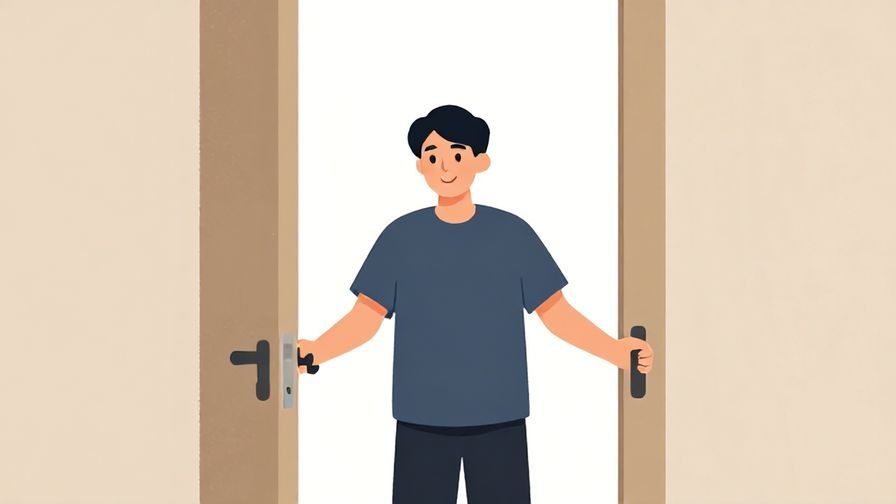
自由 (jiyuu) means “freedom,” and して (shite) is “do.”
It’s a casual phrase that means “do as you please” or “feel free.”
Use it to express laid-back permission or encouragement.
It’s simple and carries a nice vibe of openness.
Not very formal, so save it for friends or informal situations.
Example: “好きなことを自由にしてね” (Suki na koto o jiyuu ni shite ne) – “Feel free to do what you like.”
7. どっちでもいいよ (Docchi demo ii yo) – “Either way is fine.”

どっちでも (docchi demo) means “either one” or “whichever.” いいよ (ii yo) means “it’s good” or “fine.”
It’s a casual way to say “whatever you want” when there are two options.
Great for quick decisions among friends or family.
It’s a handy phrase to keep conversations moving smoothly.
Watch out for sounding indifferent if overused—sometimes it’s good to show you care.
Example: “映画かカフェ、どっちでもいいよ” (Eiga ka kafe, docchi demo ii yo) – “Movie or cafe, either’s fine.”
8. どうでもいいよ (Doudemo ii yo) – “I don’t mind.”

どうでも (doudemo) means “however” or “whatever,” and いいよ (ii yo) means “it’s fine.”
This phrase shows you truly don’t care about the choice.
It’s very casual and can sometimes sound a bit indifferent or lazy.
Use it carefully, mostly with close friends who understand your tone.
Avoid in professional or sensitive situations.
Example: “どこに行くか、どうでもいいよ” (Doko ni iku ka, doudemo ii yo) – “Where to go? I don’t mind.”
Part 2: Polite & Formal Suggestions
9. ご自由にどうぞ (Gojiyuu ni douzo) – “Please feel free.”

This is a polite phrase used in formal or business contexts.
ご自由 (gojiyuu) adds politeness to 自由 (freedom), and どうぞ (douzo) means “please.”
Use it to politely give permission or express “whatever you want.”
It’s respectful and can be used with people you don’t know well.
Perfect for emails, meetings, or formal invitations.
Example: “ご自由にお使いください” (Gojiyuu ni otsukai kudasai) – “Please feel free to use.”
10. お任せします (Omakase shimasu) – “I leave it to you.” (formal)

お任せ (omakase) means “entrusting” and します (shimasu) is the polite verb “do.”
This phrase is often used in restaurants or business to politely say “I leave it to you.”
It shows respect and trust in the other person’s judgment.
Great for formal situations where you want to express flexibility politely.
Be careful not to use it if you want to be very clear about your preferences.
Example: “メニューはお任せします” (Menyuu wa omakase shimasu) – “I leave the menu to you.”
11. どうぞお好きなように (Douzo osuki na you ni) – “Please do as you like.”

This phrase is polite and gentle.
どうぞ (douzo) is “please,” お好きな (osuki na) means “your liking,” and ように (you ni) means “in the way of.”
It’s a soft way to say “whatever you want” politely.
Use it in situations where you want to be respectful but friendly.
Avoid overusing it to prevent sounding distant.
Example: “どうぞお好きなようにお選びください” (Douzo osuki na you ni o-erabi kudasai) – “Please choose whatever you like.”
12. ご自由にお決めください (Gojiyuu ni okime kudasai) – “Please decide freely.”

This phrase is very polite and used in formal decision-making contexts.
ご自由に (gojiyuu ni) means “freely,” お決めください (okime kudasai) means “please decide.”
Perfect for polite invitations to choose or make decisions.
Good for business, client meetings, or formal emails.
It’s important to use polite verb forms to show respect.
Example: “メニューはご自由にお決めください” (Menyuu wa gojiyuu ni okime kudasai) – “Please decide freely on the menu.”
13. お好きな方で結構です (Osuki na hou de kekkou desu) – “Either choice you like is fine.”

お好きな方で (osuki na hou de) means “with the option you like,” and 結構です (kekkou desu) means “that’s fine.”
A polite way to say “whatever you want” when presenting options.
Use in formal or semi-formal situations.
Shows respect and leaves decision power to the other person.
Be mindful of tone to avoid sounding indifferent.
Example: “赤でも青でも、お好きな方で結構です” (Aka demo ao demo, osuki na hou de kekkou desu) – “Red or blue, either is fine.”
14. ご自由にお使いください (Gojiyuu ni otsukai kudasai) – “Please feel free to use.”

Common in formal or business contexts.
It politely invites someone to use or take whatever they want.
Great in situations like offices, shops, or events.
Very respectful and welcoming.
Make sure to use with appropriate body language for best effect.
Example: “資料はご自由にお使いください” (Shiryou wa gojiyuu ni otsukai kudasai) – “Please feel free to use the materials.”
15. お好み次第です (Okonomi shidai desu) – “It’s up to your preference.”

お好み (okonomi) means “preference,” and 次第です (shidai desu) means “it depends on.”
This phrase politely hands the decision to the other person.
It’s formal and perfect for situations requiring respect.
Use it when you want to sound considerate and deferential.
A little more indirect than direct phrases.
Example: “選択はお好み次第です” (Sentaku wa okonomi shidai desu) – “The choice is up to your preference.”
16. お任せいたします (Omakase itashimasu) – “I humbly leave it to you.”
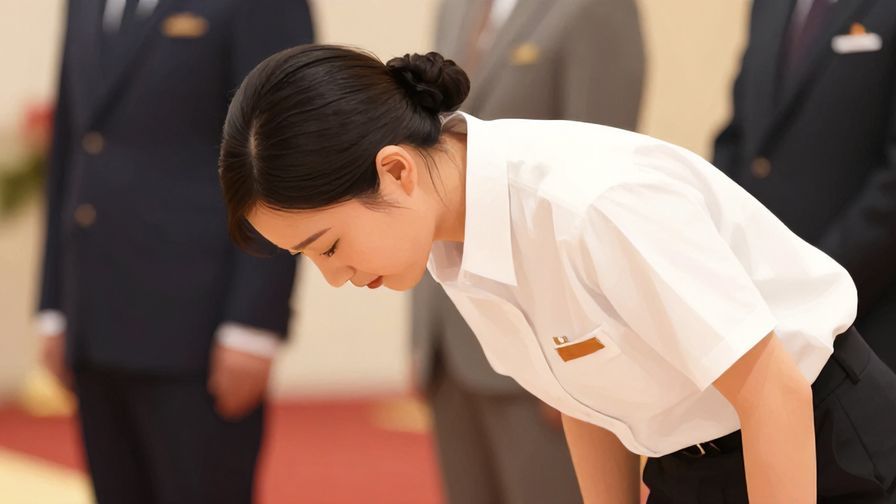
This is a very polite and humble way to express “whatever you want.”
お任せ (omakase) means “entrusting,” and いたします (itashimasu) is the humble form of “do.”
Used in formal business or respectful social settings.
Shows great deference and politeness.
Perfect when you want to leave decisions with proper respect.
Example: “メニューはお任せいたします” (Menyuu wa omakase itashimasu) – “I humbly leave the menu to you.”
Part 3: Very Casual / Native-like Expressions
17. 何でもお好きに (Nandemo osuki ni) – “Anything, as you like.”

This phrase combines casual and warm tones for native-like fluency.
It’s like saying “anything, go ahead.”
Perfect for informal chats with close friends.
Sounds natural and shows you’re easygoing.
Try using it when you want to keep things light.
Example: “飲み物は何でもお好きに” (Nomimono wa nandemo osuki ni) – “Drinks, whatever you like.”
18. 好き勝手にしていいよ (Suki katte ni shite ii yo) – “Do whatever you want (freely).”

好き勝手 (suki katte) means “doing as one pleases” or “selfishly.”
This phrase is very casual and native-like, meaning “do as you want.”
Use with close friends or siblings who understand your tone.
It’s informal, so avoid in polite or professional settings.
Good for playful or joking conversations.
Example: “好き勝手にしていいよ” (Suki katte ni shite ii yo) – “Do whatever you want.”
19. どっちでもおっけー (Docchi demo okkee) – “Either way is okay.”

おっけー (okkee) is the casual, slangy form of “okay.”
どっちでも (docchi demo) means “either way.”
This phrase is casual and very native-sounding among young people.
Perfect for relaxed, everyday conversations.
Watch tone, as it might sound too casual or sloppy in formal contexts.
Example: “映画でもカフェでも、どっちでもおっけー” (Eiga demo kafe demo, docchi demo okkee) – “Movie or cafe, either is okay.”
20. どーでもいいよ (Doodemo ii yo) – “I don’t care at all.”

どーでも (doodemo) is a more casual, drawn-out version of どうでも (doudemo).
This phrase means “I don’t care at all” or “whatever.”
Very casual and sometimes blunt.
Use only with close friends who understand your tone.
It can sound dismissive, so be careful.
Example: “どこに行っても、どーでもいいよ” (Doko ni itte mo, doodemo ii yo) – “Wherever we go, I don’t care.”
21. 好きにしろよ (Suki ni shiro yo) – “Do as you like!”

This phrase is very casual and can sound a bit rough or playful depending on context.
好きにしろ (suki ni shiro) is a command form, meaning “do as you like.”
Use with close friends or in joking contexts.
It shows strong freedom but can sometimes sound confrontational.
Avoid with strangers or in polite conversations.
Example: “もう好きにしろよ” (Mou suki ni shiro yo) – “Just do whatever you want already.”
22. お好きにどうぞ (Osuki ni douzo) – “Go ahead, whatever you want.”

We mentioned this earlier in a polite context, but it’s also used casually.
It’s a versatile phrase meaning “please do as you like.”
It fits many situations—from polite to casual depending on tone.
Easy to say and sounds naturally warm.
Great all-round phrase for “whatever you want.”
Example: “どうぞお好きに” (Douzo osuki ni) – “Go ahead, whatever you want.”
Concluding Thought
Exploring the many ways to say “whatever you want” in Japanese shows just how rich and nuanced the language is.
From casual chats to polite requests, each phrase carries a unique shade of meaning and warmth.
Try using these expressions in real conversations to feel more connected and natural in Japanese—and enjoy the freedom of choice they offer!