22 Japanese ways to say “Unfortunately”
Ever found yourself in a situation where you want to say “unfortunately” in Japanese, but the usual ざんねん (zannen) just doesn’t feel quite right? Japanese, like any language, has many shades of expressing regret, disappointment, or bad luck, each with its own nuance and vibe.
Whether you’re chatting with friends, writing a letter, or just want to sound more natural, knowing different ways to say “unfortunately” can really spice up your Japanese skills.
In this list, we’ll explore 22 warm and casual to formal expressions that fit various situations, making your Japanese more colorful and relatable.
Think of this as your handy toolkit for those moments when things don’t go your way but you want to express it just right.
Plus, learning these will give you little windows into how Japanese speakers handle disappointment with grace and style.
So, let’s dive in and discover your new favorite ways to say “unfortunately”!
Setting the Stage for Saying “Unfortunately” in Japanese
Before we jump into the specific phrases, it’s good to know that “unfortunately” can be expressed differently depending on how casual or formal you want to be.
Sometimes, you want to sound gentle and sympathetic; other times, straightforward and polite. Japanese offers a variety of options for each mood.
Understanding these differences will help you pick the perfect phrase for any conversation.

Sometimes, using a great beginner phrasebook can give you a perfect starting point for a cohesive understanding.
With that in mind, let’s get ready to explore 22 ways that bring “unfortunately” to life in Japanese.
Each expression has a story and a style, so find your favorites and practice them often.
Part 1: Casual Suggestions
1. 残念だけど (Zannen dakedo) – “It’s unfortunate, but…”

Starting simple, 残念だけど (zannen dakedo) is a casual way to say “unfortunately, but…” or “it’s a shame, but…”
It’s great for conversations where you want to soften the blow before explaining bad news. The word 残念 (zannen) means “regrettable” or “disappointing,” and だけど (dakedo) is like saying “but.”
This phrase helps you sound empathetic without being too formal.
It’s often used when transitioning to a reason or another point that follows the unfortunate news.
For example, “残念だけど、今日は行けない” (Zannen dakedo, kyou wa ikenai) means “Unfortunately, I can’t go today.”
Try using this when gently breaking disappointing news to friends or coworkers.
2. ざんねん (Zannen) – “Too bad!”

ざんねん (zannen) is the classic, casual way to say “unfortunately” or “what a pity.”
It’s a standalone word often used in daily conversation to express regret or disappointment in a lighthearted way.
It’s super easy to remember and use whenever something doesn’t go as planned.
Just be mindful it’s informal, so it’s best among friends or family rather than formal situations.
You might hear, “それはざんねんだね” (Sore wa zannen da ne) meaning “That’s too bad.”
It’s a great go-to phrase when you want to keep things casual and friendly.
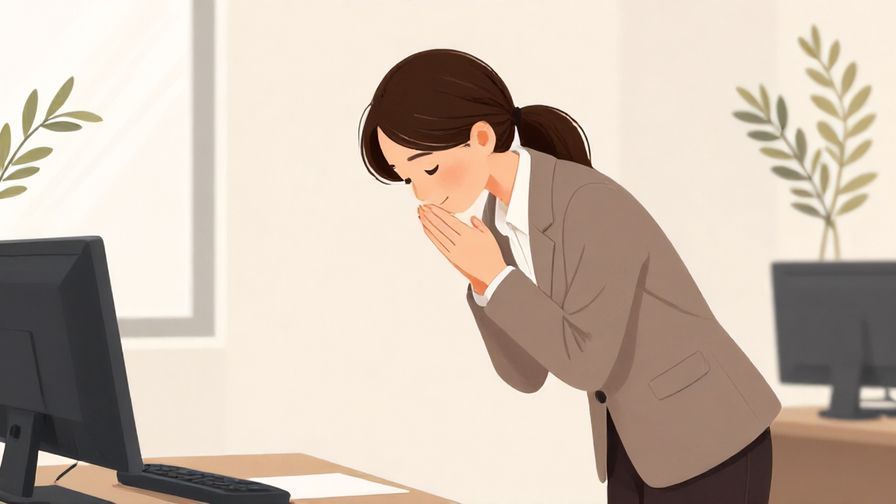
3. 残念ながら (Zannen nagara) – “Unfortunately” (more formal)
残念ながら (zannen nagara) means “unfortunately” and is a bit more formal than just ざんねん.
It’s perfect for polite conversations, emails, or work situations where you want to sound respectful but still express regret clearly.
Just remember nagara (ながら) here works like “although” or “unfortunately.”
For example, “残念ながら、予約はいっぱいです” (Zannen nagara, yoyaku wa ippai desu) means “Unfortunately, the reservations are full.”
This phrase balances formality with empathy nicely.
It’s a useful phrase to have when you want to stay professional but warm.
4. あいにく (Ainiku) – “Unfortunately” (polite, often used for situations)

あいにく (ainiku) is a polite way to say “unfortunately” or “unluckily,” often used when things don’t go your way due to circumstances.
It’s commonly heard in customer service or formal apologies for inconvenience.
It literally means “unluckily” or “contrary to one’s wishes.”
For example, “あいにく今日は忙しいです” (Ainiku kyou wa isogashii desu) means “Unfortunately, I’m busy today.”
It’s a neat word to sound courteous yet honest about bad luck.
Use it when you want to keep things polite but not too stiff.
5. 残念だね (Zannen da ne) – “That’s unfortunate, huh?”

Adding a soft, friendly vibe, 残念だね (zannen da ne) literally means “That’s unfortunate, huh?”
It’s casual, often used to sympathize with someone’s bad luck or disappointment.
The だね (da ne) ending makes it sound conversational and warm.
Try it when responding to a friend’s sad story or setback.
For example, “試験に落ちた?残念だね” (Shiken ni ochita? Zannen da ne) means “You failed the exam? That’s unfortunate.”
This phrase helps you sound both empathetic and natural.
6. 仕方がない (Shikata ga nai) – “It can’t be helped” (accepting disappointment)
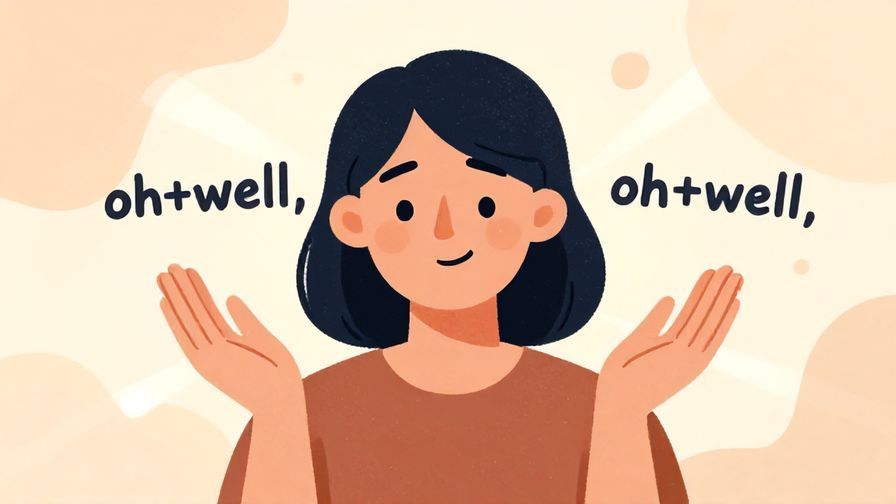
仕方がない (shikata ga nai) translates to “It can’t be helped” or “there’s no choice.”
While not a direct “unfortunately” translation, it’s often used when accepting an unfortunate situation with calm.
It’s a cultural expression of resignation and moving forward.
For example, “雨が降って残念だけど、仕方がないね” (Ame ga futte zannen dakedo, shikata ga nai ne) means “It’s unfortunate it’s raining, but it can’t be helped.”
Great phrase to show maturity and acceptance in casual or formal talks.
It’s a must-know for sounding truly natural in Japanese.
7. まあ、しょうがないね (Maa, shou ga nai ne) – “Well, it can’t be helped” (more casual)

This is a casual, friendly version of “it can’t be helped”: まあ、しょうがないね (maa, shou ga nai ne).
It’s perfect for informal chats when you want to lightly accept bad news with a smile.
“まあ” (maa) adds a soft “well” or “oh well” vibe.
For example, “チケットが売り切れ?まあ、しょうがないね” (Chiketto ga urikire? Maa, shou ga nai ne) means “The tickets are sold out? Well, it can’t be helped.”
Use it to keep the mood light and friendly.
It’s a fun phrase to sound like a native in casual settings.
8. とても残念です (Totemo zannen desu) – “I’m very sorry/unfortunate” (polite)

When you want to express sincere regret politely, とても残念です (totemo zannen desu) is perfect.
It literally means “It is very unfortunate” or “I am very sorry.”
It’s often used in customer support, business emails, or formal apologies.
For example, “ご期待に添えず、とても残念です” (Go kitai ni so ezu, totemo zannen desu) means “I’m very sorry we couldn’t meet your expectations.”
This phrase shows respect and genuine regret.
It’s great for formal situations where you want to sound heartfelt.
Part 2: Polite & Formal Suggestions
9. 遺憾ながら (Ikan nagara) – “Regrettably” (very formal)

遺憾ながら (ikan nagara) is a very formal way to say “regrettably” or “unfortunately.”
It’s often used in official statements, news, or formal apologies.
遺憾 (ikan) means “regret” or “remorse,” and ながら (nagara) means “while” or “although.”
For example, “遺憾ながら、契約を解除します” (Ikan nagara, keiyaku o kaijo shimasu) means “Regrettably, we will terminate the contract.”
This phrase conveys seriousness and professionalism.
Use it when you want to sound very respectful and formal.
10. 申し訳ありませんが (Moushiwake arimasen ga) – “I’m sorry, but…” (formal apology)
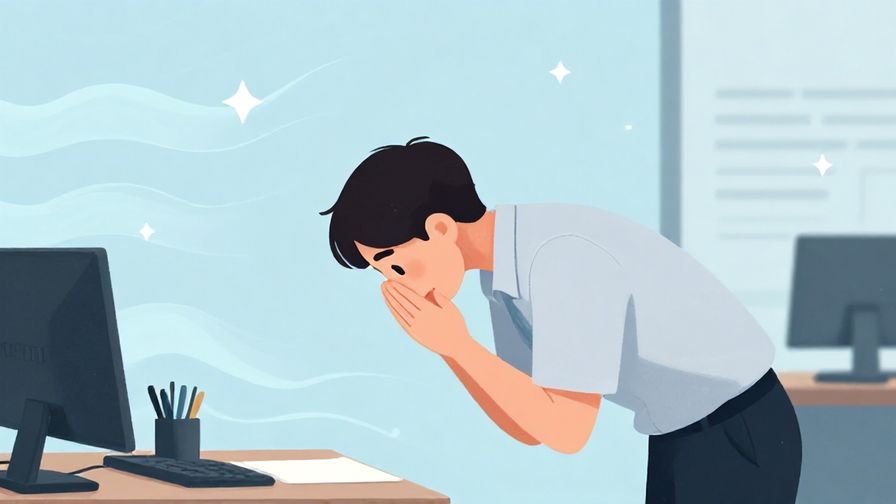
申し訳ありませんが (moushiwake arimasen ga) is a formal apology phrase that can introduce unfortunate news.
It literally means “there is no excuse,” expressing deep regret.
It’s commonly used in business or formal emails to soften bad news.
For example, “申し訳ありませんが、ご注文はキャンセルされました” (Moushiwake arimasen ga, go chuumon wa kyanseru saremashita) means “We’re sorry, but your order was canceled.”
It’s a polite way to show you care about the inconvenience caused.
Perfect for respectful communication when delivering unfortunate information.
11. 残念ながらも (Zannen nagara mo) – “Although unfortunate…” (formal nuance)

残念ながらも (zannen nagara mo) adds a softer “although” nuance to “unfortunately.”
The も (mo) here means “also” or “even,” making the phrase more polite and nuanced.
It’s great for speeches or polite conversations when you want to acknowledge regret but continue positively.
For example, “残念ながらも、前向きに頑張りましょう” (Zannen nagara mo, maemuki ni gambarimashou) means “Although it’s unfortunate, let’s stay positive and do our best.”
This phrase balances regret with encouragement.
Use it to sound hopeful yet polite.
12. 遺憾の意を表します (Ikan no i o arawashimasu) – “I express my regret” (formal statement)

遺憾の意を表します (ikan no i o arawashimasu) is a formal phrase meaning “I express my regret.”
It’s often used in official apologies, statements, or press releases.
It literally states the expression of remorse.
For example, “今回の事故について遺憾の意を表します” (Konkai no jiko ni tsuite ikan no i o arawashimasu) means “I express my regret regarding this accident.”
This phrase shows serious and heartfelt apology.
Use it in very formal or official contexts.
13. 心よりお詫び申し上げます (Kokoro yori owabi moushiagemasu) – “I sincerely apologize” (very formal)
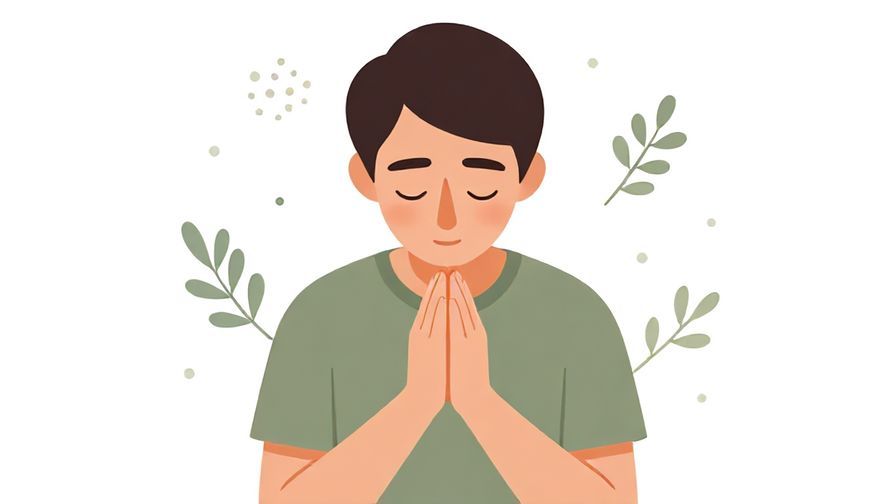
心よりお詫び申し上げます (kokoro yori owabi moushiagemasu) means “I sincerely apologize from the heart.”
It’s a very formal and humble phrase used in serious apologies.
Perfect for letters, official statements, or customer service when you want to show deep regret.
For example, “ご迷惑をおかけして心よりお詫び申し上げます” (Gomeiwaku o okake shite kokoro yori owabi moushiagemasu) means “I sincerely apologize for causing trouble.”
This phrase goes beyond “unfortunately” and expresses true remorse.
Use it when your apology needs to be heartfelt and respectful.
14. 残念至極です (Zannen shigoku desu) – “It’s extremely unfortunate” (very formal)
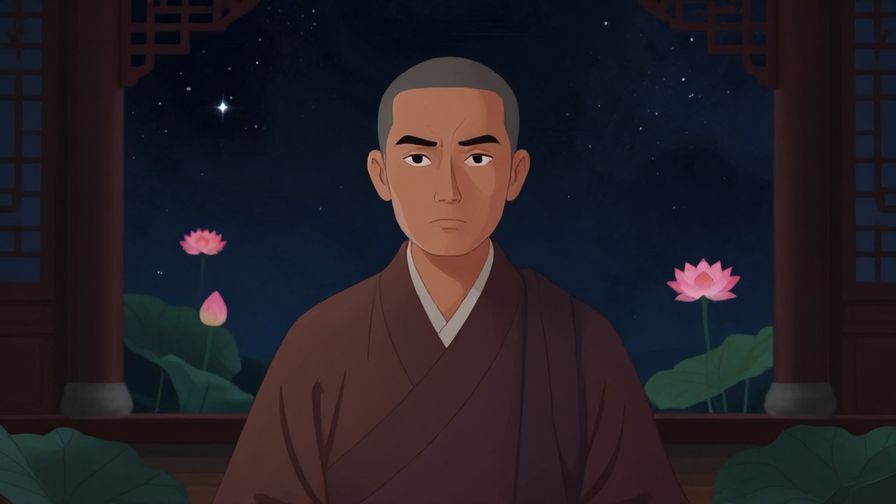
残念至極です (zannen shigoku desu) means “It’s extremely unfortunate.”
It’s a formal and somewhat old-fashioned phrase used in official or literary contexts.
It expresses a deep level of regret or disappointment.
For example, “この結果は残念至極です” (Kono kekka wa zannen shigoku desu) means “This result is extremely unfortunate.”
Use it sparingly, mostly in writing or formal speeches.
It adds weight to your expression of regret.
15. 断腸の思いで (Danchou no omoi de) – “With a heavy heart” (poetic/formal)

断腸の思いで (danchou no omoi de) literally means “with intestines torn,” or “with a heavy heart.”
It’s a poetic and formal way to express deep emotional pain or regret.
Use this phrase when you want to emphasize how heartbreaking the situation is.
For example, “断腸の思いで辞職しました” (Danchou no omoi de jishoku shimashita) means “I resigned with a heavy heart.”
This is a powerful phrase to convey sincere sorrow.
Great for writing or serious speeches.
16. 不本意ながら (Fuhoni nagara) – “Reluctantly, but…” (formal nuance)

不本意ながら (fuhoni nagara) means “reluctantly, but…” or “against one’s wishes.”
It’s a formal phrase expressing regret that something had to be done despite not wanting to.
For example, “不本意ながら、契約を解除します” (Fuhoni nagara, keiyaku o kaijo shimasu) means “Reluctantly, I will terminate the contract.”
This phrase shows that the decision was tough and unfortunate.
It’s useful for formal letters or conversations where you want to express regret clearly.
Use it to sound serious and sincere.
Part 3: Very Casual / Native-like Expressions
17. うーん、残念!(Uun, zannen!) – “Hmm, too bad!” (casual, conversational)

うーん、残念! (uun, zannen!) is a casual, conversational way to say “Hmm, too bad!”
The うーん (uun) is a thinking or pondering sound, adding a natural, informal feel.
Great for everyday talk among friends or family.
For example, when your friend can’t come, you say “うーん、残念!”
It sounds genuine and spontaneous.
Perfect for sounding like a native in relaxed settings.
18. ざんねーん! (Zannēn!) – “Bummer!” (very casual, slangy)

ざんねーん! (zannēn!) is a slangy, drawn-out version of ざんねん, like saying “bummer!” or “oh no!”
It’s very casual, often used in playful or teasing contexts.
Perfect with friends or younger people.
For example, “ゲームに負けた?ざんねーん!”
It’s fun and expressive, adding personality to your speech.
Use it when you want to sound lively and native-like.
19. しょうがないね (Shou ga nai ne) – “Can’t be helped, huh?” (casual acceptance)

しょうがないね (shou ga nai ne) is the casual form of “it can’t be helped.”
It’s used to accept something unfortunate with a relaxed attitude.
Great for everyday life when things don’t go your way.
For example, “雨か。しょうがないね。”
This phrase helps you sound down-to-earth and natural.
It’s a favorite among native speakers for casual chats.
20. ざんねんだけどね (Zannen dakedo ne) – “It’s a shame, though” (soft, conversational)

ざんねんだけどね (zannen dakedo ne) is a soft, conversational phrase meaning “It’s a shame, though.”
The ね (ne) ending adds a friendly tone, inviting empathy.
It’s perfect for casual conversations when you want to express regret but keep things light.
For example, “行けなかった、ざんねんだけどね。”
Use it to sound gentle and approachable.
It’s a great phrase for everyday use among friends.
21. ざんねんだったね (Zannen datta ne) – “That was unfortunate, huh?” (past tense)

ざんねんだったね (zannen datta ne) means “That was unfortunate, huh?” in past tense.
It’s used to sympathize about something that already happened.
The だった (datta) is past tense, and ね (ne) softens the phrase.
For example, “試合に負けて、ざんねんだったね。”
This phrase helps you connect emotionally in conversations.
Great for showing understanding and warmth.
22. 仕方ないよね (Shikata nai yo ne) – “It can’t be helped, right?” (very casual)

仕方ないよね (shikata nai yo ne) is a very casual and friendly way to say “It can’t be helped, right?”
The よね (yo ne) ending makes it more emphatic and inclusive.
Use this when comforting someone or agreeing on an unfortunate fact.
For example, “電車が遅れた。仕方ないよね。”
It’s a natural phrase that makes you sound like a true local.
Perfect for daily chats and casual comfort.
Concluding Thought
Exploring these 22 expressions shows just how rich and nuanced Japanese can be when expressing something as simple yet complex as “unfortunately.”
From soft and casual to polite and formal, you now have a versatile set of phrases to fit any mood or situation.
Keep practicing, listen carefully, and try them out in your conversations—you’ll soon sound more natural and empathetic, no matter the occasion!